Nigeria Air Force plane crash
World / Africa / Disasters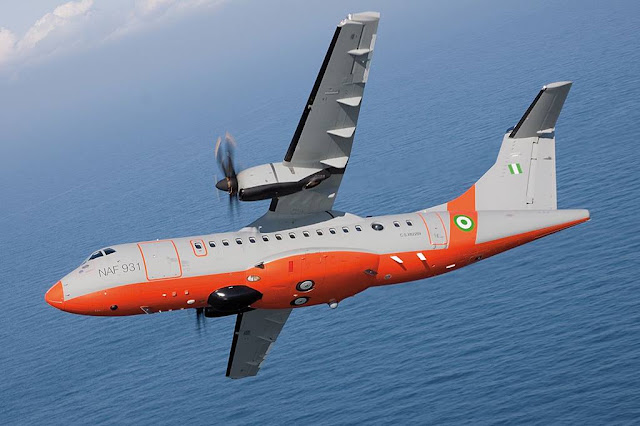
All 32 people aboard a Nigeria Air Force plane that crashed near Igbokoda, Ondo State, on Monday, October 5, 2026, are dead, in what AFP called one of the worst air disasters in recent years in Africa's most populous country. The ATR-42 turboprop, tail number NGR 931, was on a routine mission from Benin City, Edo State, to Lagos when air traffic controllers lost contact at about 9:13 am. Rescue teams crossed swampy terrain by boat and canoe to reach the wreckage, where aircraft parts, identification cards, and uniforms were recovered. Ondo State Governor Lucky Aiyedatiwa confirmed there were no survivors. The dead were 25 passengers and seven crew members.
What happened over Igbokoda
The NGR 931 crash timeline
The Benin City to Lagos flight began as a routine military mission. At about 9:13 a.m. on Monday, October 5, controllers lost contact with NGR 931 and attempts to reach the crew by radio failed. The next confirmed information placed the wreckage near the Naval Forward Operating Base at Igbokoda, the headquarters of Ilaje Local Government Area.
The geography turned the search into a waterborne operation. Responders moved by boat and canoe through swampy terrain, eventually recovering aircraft parts, identity cards, uniforms and personal effects. The Navy's Forward Operating Base joined the effort, while Governor Aiyedatiwa mobilised the Ondo State Emergency Management Agency, health officials and security services.
Dayo Akinte, a 39-year-old firewood hawker about one kilometre from the site, told AFP that she heard a sound like “thunder.” She said three aircraft later flew over the area. Her account describes what residents experienced; it does not establish why the aircraft went down.
Why this matters
The scale alone makes this Nigeria Air Force ATR-42 crash an institutional shock. Losing 32 people in one event is the service's largest loss of life in recent memory, removing experienced personnel at once and striking morale across an organisation that sits at the centre of Nigeria's security architecture.
Tinubu's three days of mourning, with flags ordered to half-mast nationwide, is an exceptional response. It signals that the government sees the Igbokoda plane crash not merely as an operational accident but as a national loss carrying political and military weight.
The cause is unknown. That makes the investigation itself part of the story. Its independence, speed and willingness to publish evidence will shape confidence in Nigerian military aviation safety long after the mourning period ends.

Background: an air force carrying the weight of a decade of war
Nigerian military aviation safety under operational pressure
Nigeria's air force has spent more than a decade supporting overlapping campaigns: the fight against Boko Haram and Islamic State West Africa Province in the northeast, and operations against armed bandit groups and kidnappers in the northwest. Across a country of more than 220 million people, air power supplies mobility, surveillance and close support that ground forces cannot readily replace.
That operational burden is why a transport loss matters beyond the aircraft itself. Aircrews and support specialists are finite. When a single mission removes 32 people, the effect runs through rosters, training schedules and unit confidence even before investigators reach any conclusion.
The ATR-42 platform is also not an exotic outlier. The Nigerian Air Force has operated maritime-patrol versions for surveillance and search-and-rescue tasks. Nothing publicly established about Monday's mission, however, identifies its specific purpose beyond the service's description of a routine flight, and no published evidence yet connects the crash to the aircraft's usual mission roles.
The oversight gap: who investigates a military crash?
Festus Keyamo, military aircraft and the limits of civil oversight
Aviation Minister Festus Keyamo announced the disappearance and subsequent crash, while stressing that military aircraft fall outside the regulatory authority of his ministry and the Nigerian Civil Aviation Authority. The NCAA and Nigerian Safety Investigation Bureau offered technical assistance, but Tinubu directed the Nigerian Air Force itself to conduct the investigation.
The president's instruction came in a statement issued through spokesman Bayo Onanuga and addressed condolences to Chief of Air Staff Air Marshal Sunday Kelvin Aneke and the service. Officials can reasonably argue that service-led investigations are standard for military aircraft because they may involve classified systems, operational procedures and national-security information.
The counterargument is about credibility rather than competence. When the operator investigates itself, critics will ask whether uncomfortable findings on maintenance, command decisions or training can emerge without an independent investigative culture comparable to civil aviation. Technical help from the NSIB and NCAA may strengthen the work, but assistance is not the same as independent authority. The fairest test will be whether the final report explains its evidence and recommendations in public.
The numbers: 32 dead and the ATR-42 in context
An Africa aviation disaster measured against a 30-to-50-seat aircraft
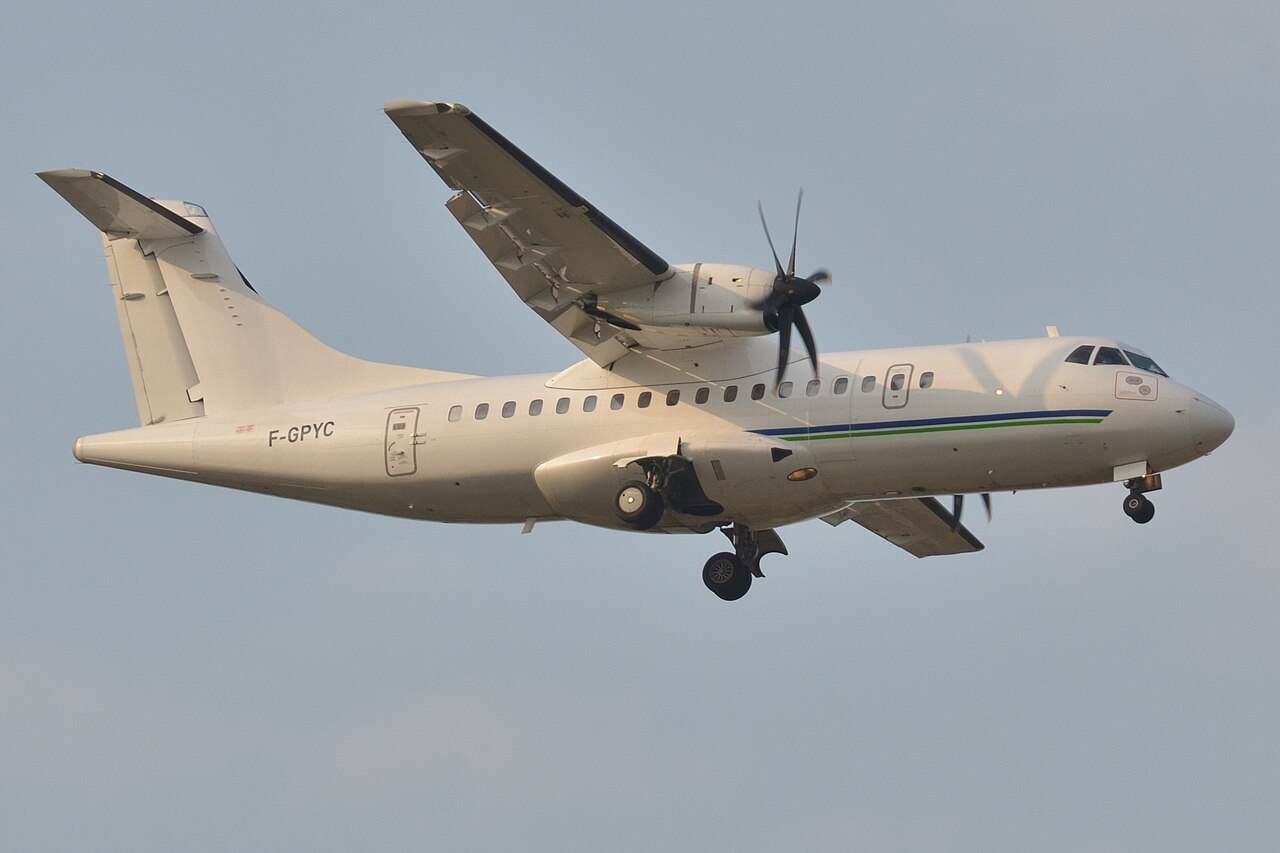
The toll — 25 passengers and seven crew — means 32 families lost someone on a flight that never reached Lagos. ATR says the 42 series spans roughly the 30-to-50-seat class. With 32 occupants, NGR 931 was heavily loaded for the smaller end of that range, though passenger count alone says nothing about weight, balance or the cause of the accident.
The ATR-42 is a twin-engine turboprop certified in civil and military configurations and used around the world as a regional workhorse. That context matters: the aircraft type is familiar, not experimental. The serious safety questions concern the evidence investigators will examine — maintenance records, crew training, weather, communications and operational pressures — not unsupported assumptions about any one of them.
AFP described the crash as one of Nigeria's worst air disasters in recent years. In a country of more than 220 million people, the national significance comes not from the scale of the population but from the concentration of military loss in a single peacetime transit mission.
What happens next
The Nigerian Air Force investigation and a test of public trust
The immediate process is a Nigerian Air Force investigation ordered by Tinubu, with civil aviation bodies available to provide technical support. Flags will remain at half-mast during the three-day mourning period, while the service completes family notifications and releases the victims' identities.
Scrutiny will turn to transport-fleet maintenance, flight-safety procedures, crew records and the handling of evidence from the site. That scrutiny must not become speculation. The cause of the crash remains unknown.
Political leaders across party lines, including Peter Obi and Atiku Abubakar, joined the Defence Minister in offering condolences. In Nigeria's sharply divided politics, that shared response is a rare point of unity. Whether it endures will depend on the quality of the answers that follow.
A transparent, published investigation would strengthen trust and give the service a basis for any reforms. A slow or opaque process would deepen scepticism precisely because military aviation sits beyond ordinary civil oversight. Mourning acknowledges the loss; a credible account of what happened is the longer obligation.