Moldova five drones crash Russia: five drones Moldovan authorities identified as Russian came down on Moldovan territory in less than 24 hours — the densest single cluster of the war’s spillover — lightly injuring one person and drawing a formal condemnation from Chisinau.
Moldova / Five drones down in a day, and a sky it cannot close
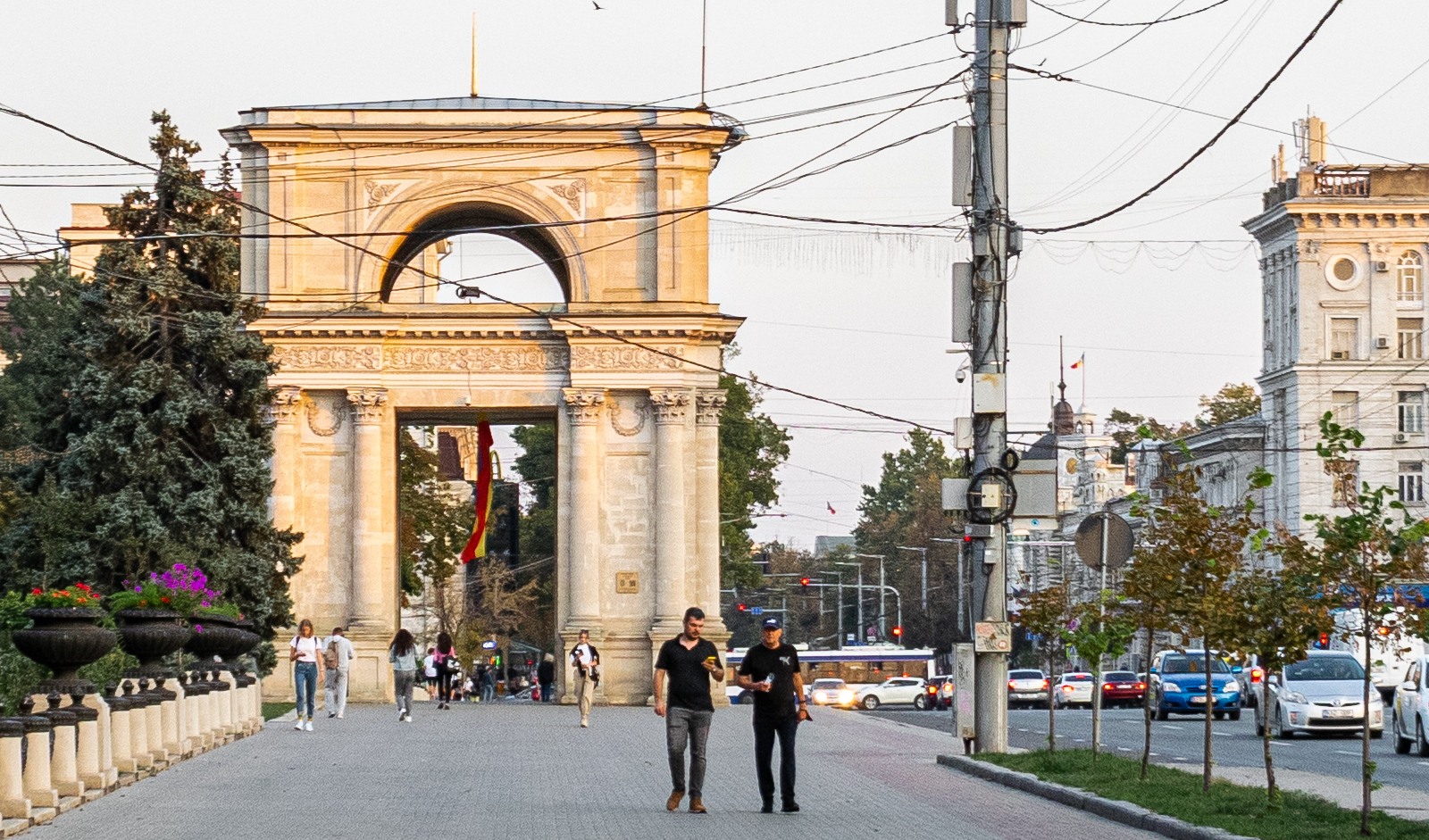
CHISINAU — Moldova condemned Russia on Friday after five drones its authorities identified as Russian crashed on Moldovan territory in less than 24 hours, lightly injuring one person and causing minor damage, Reuters reported from Chisinau. The drones entered Moldovan airspace over a little more than 17 hours on Thursday and Friday and came down mainly in the country's northern and eastern districts, according to the Moldovan account reported by Reuters. Moldova's Foreign Ministry said the incidents posed a threat to citizens' safety and showed the direct consequences for regional stability of Russia's war against Ukraine. Moldova is not a belligerent in that war. It is a small, neutral-on-paper state that shares a border with Ukraine — and, on the evidence of the past two nights, a sky it cannot keep other people's weapons out of.
Track it live: Live global wars tracker · Ukraine war map
What Moldovan officials say happened overnight
Moldova's Ministry of Defence, in statements reported by Moldovan news outlets, gave a more granular account of the night of October 15–16: its National Army air operations centre recorded five unauthorized crossings of Moldovan airspace in roughly seven hours, as Russian attacks on Ukraine were under way next door. The first object was detected at 23:02 on Thursday, entering from the direction of Tymkove in Ukraine's Odesa region toward Ivanovca and leaving Moldovan airspace about 18 minutes later toward Bronytsia. Two more crossings followed in the early hours — at 03:37 from Starokozache toward Tudora, and at 03:46 on the Mohyliv-Podilskyi–Otaci direction, exiting near Hadarauti in Ocnita district two minutes later. A fourth drone entered near Caplani, in Stefan Voda district, at 05:59 and left a minute later via Olanesti; the same aircraft was reported to have re-entered at 06:09 near Purcari before leaving again toward Ukraine. The Defence Ministry said airspace monitoring was continuing in coordination with the competent authorities and partners, and urged anyone who finds unknown objects or fragments not to touch them and to call 112.
Readers should note the two accounts describe the same wave from different angles, and they do not line up perfectly. Reuters, citing Moldovan authorities, reported five drones that crashed on Moldovan territory across Thursday and Friday, with one person lightly injured. The Defence Ministry's overnight account, as reported locally, counts five airspace violations, several of which it describes as transits that exited Moldovan airspace. Whether every crossing ended in a crash, and where the reported injury occurred, had not been set out in a single consolidated Moldovan statement at the time of publication. What is not in dispute between the accounts is the core fact: multiple Russian-attributed drones crossed into Moldova during Russia's latest attacks on Ukraine, and at least some of them came down on Moldovan soil.
A second crash on Friday afternoon
The incidents did not end with the overnight wave. On Friday afternoon, a drone first seen at about 16:22 near the village of Sobari, in Soroca district, crashed and exploded in a field outside Codrenii Noi, in Donduseni district, toward the village of Scaieni, Moldova's National Army air operations centre confirmed, in reporting carried by Moldovan outlets including MoldovaLive and BreakingNews.md. The Defence Ministry again urged citizens not to touch or move unidentified objects or fragments and to call 112, and said the remaining circumstances were still being established. No provenance for that afternoon drone, and no damage assessment from the explosion, had been communicated in the initial reports. The afternoon crash matters because of its timing: it came hours after the overnight violations, in daylight, in the country's north — a reminder that the spillover is not confined to the hours when Russia's large strikes on Ukraine are actually in the air.
Chisinau's position, and Moscow's
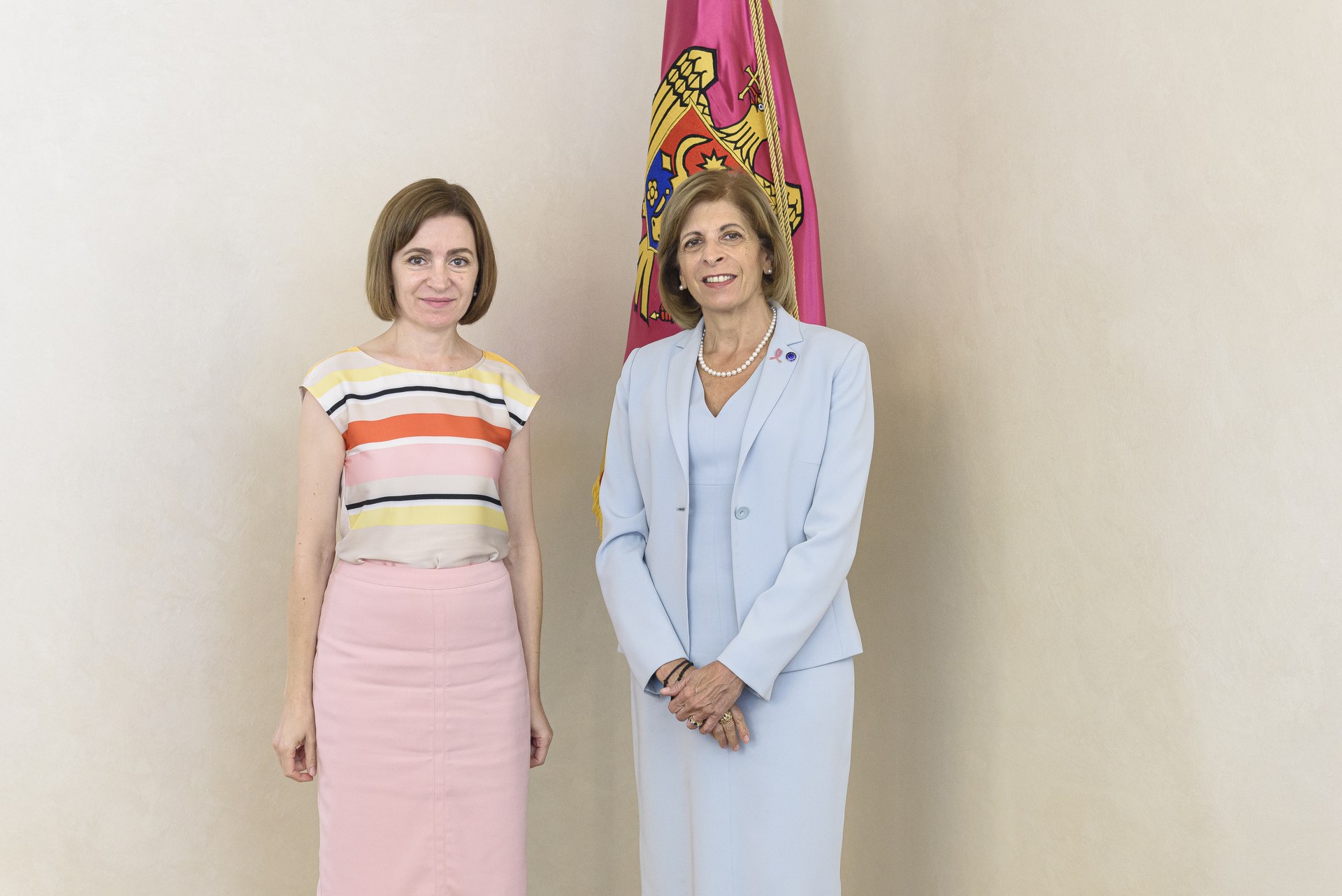
Moldova's government is pro-European and hopes to join the European Union by 2030. It has denounced Russia's invasion of Ukraine and has repeatedly criticised the incursions into its airspace, and its Foreign Ministry has repeatedly summoned Russian ambassador Oleg Ozerov to demand explanations. President Maia Sandu regularly criticises Russian foreign policy as running counter to Moldova's interests and has declined to allow Ozerov to present his credentials, although he has been stationed in Moldova for more than two years.
Russia's stated position runs in the opposite direction. Moscow accuses Sandu's government of pursuing policies hostile to Russia. Kremlin spokesman Dmitry Peskov said on Thursday — before Friday's condemnation — that any improvement in ties with Moldova was possible only if Sandu's government abandoned what he described as policies based on Russophobia. In the previous round of drone incidents at the end of September, Ozerov disputed the attribution of the drones to Russia after receiving a protest note and called for evidence and a joint investigation; Moldovan officials at the time said fragments recovered in one district were marked as a Geran-type drone. No specific Russian response to the October 15–16 incidents had been reported at the time of publication, and Signal Post News is not treating the earlier statements as a response to this week's crashes. Both sides' claims about the drones' origin rest, publicly, on Moldovan radar tracks and recovered fragments; Russia has not accepted the attribution.
Why this matters
Start with the arithmetic of exposure. Moldova has no meaningful capacity to close its own sky: it is a country of about two and a half million people whose air defence has historically consisted of ageing Soviet-era systems and, more recently, donated surveillance radar. When Russia launches large drone and missile strikes at Ukraine — as it did again this week, killing at least three people and cutting power to some 370,000 people in Volyn region, in the attacks covered in our Ukraine War, Day 1696 briefing — the flight paths to targets in western and south-western Ukraine run close to, and sometimes across, Moldovan territory. A drone that is jammed, damaged, off course or simply routed carelessly does not need to be aimed at Moldova to land in Moldova. That is precisely what makes the pattern dangerous: it does not require intent to produce a catastrophe, only volume. One person was lightly injured this time. A drone with a full warhead landing in a village square, a school or a fuel store would produce a different headline — and a crisis neither Chisinau nor, probably, Moscow planned.
There is a longer count behind the two nights. In the September 30 incident covered by this site, Moldovan officials said airspace had been violated eight times in seven days, and that dozens of Russian drones and missiles had illegally flown over Moldova since the full-scale war began. Friday's five-in-a-day therefore does not read, in Chisinau, as an accident of one bad night. It reads as an accelerating pattern arriving just as Moldova's EU accession course makes its alignment unmistakable — and just as the Kremlin is publicly conditioning any improvement in relations on Moldova abandoning that course. Whether the incursions are navigational spillover, deliberate probing, or some mixture of the two is genuinely unresolved on the public evidence. The political effect is the same either way: every crash is an argument, inside Moldova, about whether neutrality without air defence is protection or exposure, and an argument, outside it, about how far the Ukraine war's perimeter really extends.
The numbers, in context
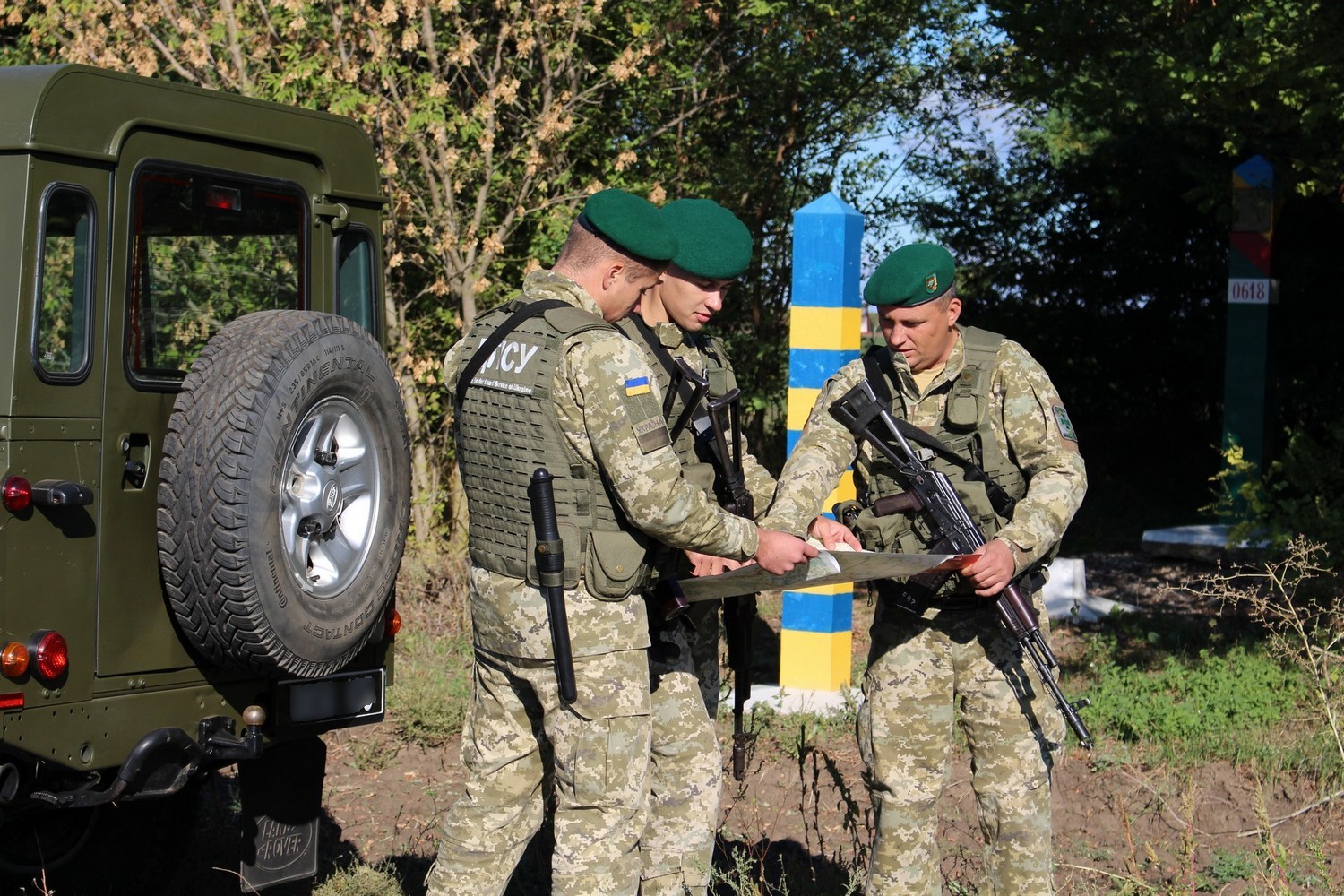
Five drones in a little over 17 hours is the densest single cluster Moldova has reported in this war's spillover, set against a background of individual crashes — including one last week about 35 kilometres (21 miles) from Chisinau — that had already become a recurring feature of the war. Put beside the scale of the attacks generating them, the ratio is instructive: Ukraine reported hundreds of drones in Russia's recent strike waves, and even a small percentage straying across a border produces a Moldovan incident most weeks. Moldova's problem is therefore structural, not episodic. It will recur at roughly the tempo of Russia's strike campaign on Ukraine until either that campaign ends, Ukraine's western air defences intercept further east, or Moldova acquires — with partners' help — the sensors and interceptors it currently lacks. Each of those is a multi-year proposition, which is why Chisinau's tools in the meantime are diplomatic: protest notes, summonses, and public attribution designed to keep the incidents on the record and on Europe's agenda.
What happens next
Three things will show whether Friday changes anything. First, the diplomatic sequence: whether the Foreign Ministry summons Ozerov again over this specific cluster, and whether Moscow offers the joint-investigation formula it used in September or simply repeats its general position. Second, the European response: Moldova's EU path means each incursion is also data in Brussels' assessment of what accession-track states on Ukraine's border need in air surveillance and civil protection, and Chisinau will press that case. Third, the next strike wave: if drones cross again within days, the pattern hardens into a standing feature of the war's western edge, and the question stops being whether Moldova can keep weapons out of its sky — it cannot, today — and becomes who helps it try, and how fast. For the 1 person injured this week, and for the villages under the flight paths in Soroca, Donduseni, Ocnita and Stefan Voda, that is not an abstract question.
Sources: Reuters, October 16, 2026, reporting from Chisinau (Moldovan Foreign Ministry statement; five drones identified as Russian crashed in under 24 hours, one person lightly injured, minor damage; Kremlin spokesman Dmitry Peskov's Thursday remarks); Moldova Ministry of Defence statements as reported by Independent.md, Zugo.md and Ziar.md, October 16, 2026 (five unauthorized airspace crossings overnight October 15–16, with times and trajectories); National Army Air Operations Centre confirmation as reported by MoldovaLive and BreakingNews.md, October 16, 2026 (Friday-afternoon drone crash and explosion near Codrenii Noi, Donduseni district). Russian attribution is Moldova's; Moscow has disputed drone attribution in previous incidents and had issued no specific response to the October 15–16 cluster at publication.
Related: Russian missiles and drones violated Moldova's airspace, Sandu says (October 3) · Russian drone explodes in Moldova during mass overnight attack on Ukraine (September 30) · Ukraine War, Day 1696 briefing