Technology · Asia
Malaysia's police probe into suspected Nvidia chip diversion has been running since April 2025 under the Strategic Trade Act, Home Minister Saifuddin Nasution confirmed Saturday — even as the prime minister says there is no indication chips were re-exported from Malaysia.
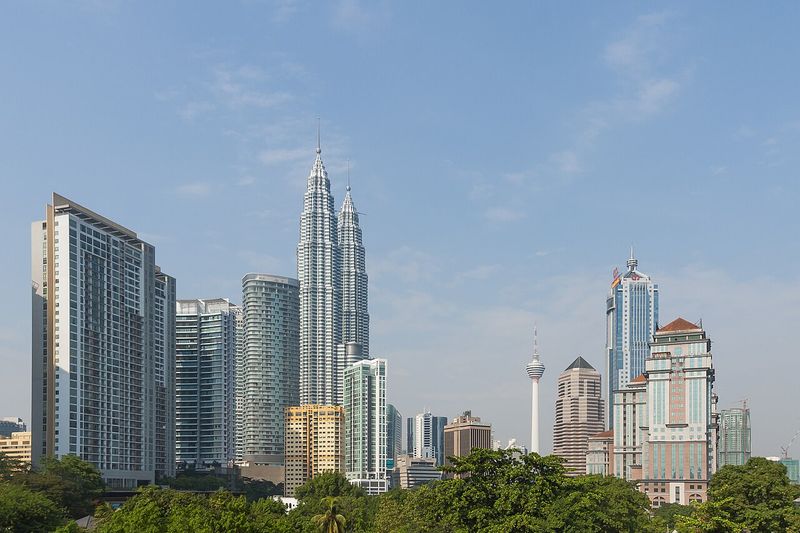
KUALA LUMPUR, November 14, 2026 — The Malaysia Nvidia chip diversion investigation has been under way far longer than previously known: Home Minister Saifuddin Nasution confirmed on Saturday, speaking in the Lumut–Sitiawan area, that police have been investigating suspected diversion of advanced AI chips since April 2025 under the Strategic Trade Act 2010. The Ministry of Investment, Trade and Industry (MITI) leads the policy side through the STAC task force, with Bank Negara, Customs and the MCMC among the agencies involved. Prime Minister Anwar Ibrahim said on November 13 that there is no indication the chips were re-exported from Malaysia, and MITI says it never cleared Megaspeed or Speedmatrix shipments.
Two statements that can both be true
An active 19-month police probe and a prime ministerial statement that no re-export has been shown are not contradictory: investigations of trade diversion proceed through paper trails — end-user certificates, customs declarations, corporate registries — long before they produce a public finding. Malaysia's position in the story is structural: its data-centre boom and open trading economy make it a natural transshipment point, which is precisely why US officials have pressed Kuala Lumpur on enforcement.
The regional picture
The Malaysian probe runs in parallel with the Washington fight over blacklisting Megaspeed, covered separately by this newsroom. Together they describe the two halves of the same system: the US controls who may receive the chips; Malaysia is being asked to prove what happened to shipments that passed through its jurisdiction.
Why this matters
For Malaysia, the stakes are its data-centre future. Billions in announced investment depend on continued access to advanced US chips, and access depends on Washington's confidence in Malaysian enforcement. A credible, visible investigation is therefore both a law-enforcement matter and an economic one — and the April 2025 start date, revealed only now, suggests Kuala Lumpur understood that long before the current headlines.
What happens next
The STAC task force is expected to publish updated controls on high-performance chip transshipment. Whether the probe produces charges, and whether MITI's 'never cleared' position survives documentary scrutiny, will shape the US decision on Malaysia's tier status for AI hardware.
Sources
- Malaysian Home Minister Saifuddin Nasution, statements of November 14, 2026 — confirmation of the April 2025 probe under the Strategic Trade Act 2010.
- Prime Minister Anwar Ibrahim, November 13, 2026 — statement that there is no indication of re-export from Malaysia.
- MITI statements, November 2026 — STAC task force role and the Megaspeed/Speedmatrix clearance position.