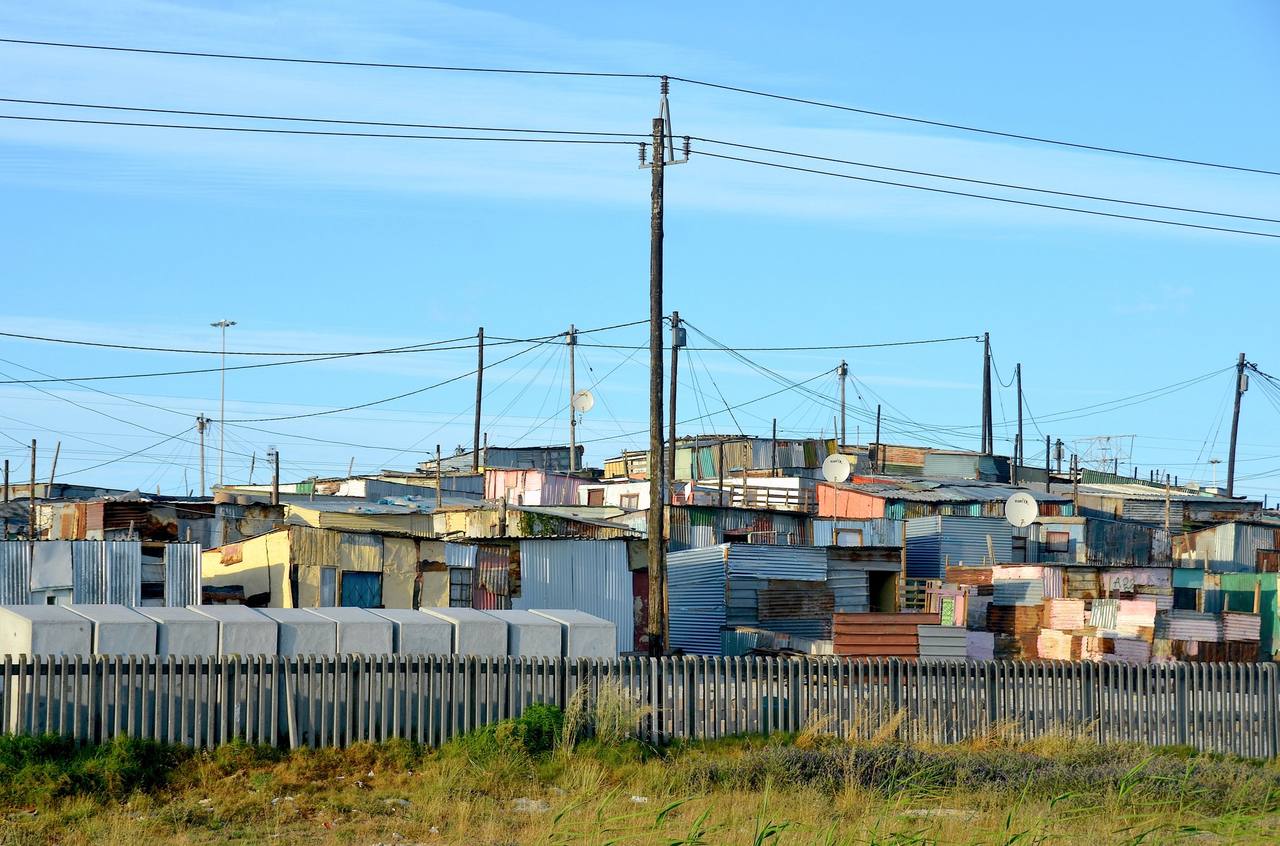
LWANDLE, South Africa — At least 10 people were killed and 11 others were wounded in the early hours of Sunday, September 27, when gunmen opened fire at an entertainment venue selling grilled meat in Lwandle township on the outskirts of Cape Town. The attack, which police said began at about 1:46 a.m. local time, came barely four hours after a separate massacre at a tavern in Wedela township near Johannesburg left 17 people dead — the second mass shooting in South Africa in a single night, and the third in less than a week.
What happened in Lwandle
Police said the gunmen entered the Lwandle venue — a shisanyama spot selling braaied meat — and opened fire on patrons. Five victims were declared dead at the scene; another five died of their injuries after being transported to medical facilities. Eleven others remained under medical treatment. Police said they were searching for multiple suspects, though they did not give an exact number. “Detectives are hard at work in search of the perpetrators of the shooting incident with no arrests effected yet,” the South African Police Service said in a statement. The identities of the victims were being withheld until their next of kin had been notified.
The weekend's wider toll — 38 dead in five days
The Lwandle shooting followed the Wedela township attack at about 9:30 p.m. on Saturday, when eight gunmen armed with AK-47 rifles and pistols stormed a tavern southwest of Johannesburg, killing 17 people — 13 men and four women — and wounding 15. The suspects reportedly searched patrons and took their mobile phones before fleeing in two vehicles, torching two others. No arrests have been made there either, and the motive remains unknown. Just five days earlier, on Tuesday night, 11 people — including a pregnant woman — were killed and three injured when multiple gunmen attacked a house party in KwaMakhutha township south of Durban; police said a feud between rival groups could not be ruled out. Taken together, three mass shootings in five days have left at least 38 people dead.
Why this matters
The significance of the Lwandle shooting is not only its own death toll but its place in a pattern. Two coordinated, multi-gunmen attacks within hours, in townships nearly 1,400 kilometres apart, suggest that South Africa's illegal firearms pipeline is deep, mobile, and increasingly brazen. Taverns and late-night venues keep appearing as targets: they are cash-heavy, crowded, lightly guarded, and central to township nightlife — which makes them efficient places to strike, whether the motive is gang rivalry, extortion of informal businesses, robbery, or something investigators have not yet named. The professionalism of the Wedela hit — eight men, assault rifles, cars torched to destroy evidence — has the look of organized violence; but as investigators stress, motive is still unknown, and appearance is not proof. The honest reading is that South Africa is absorbing mass-casualty shootings at a tempo that would be a national emergency anywhere else — and is at risk of being normalized there.
A country awash with guns
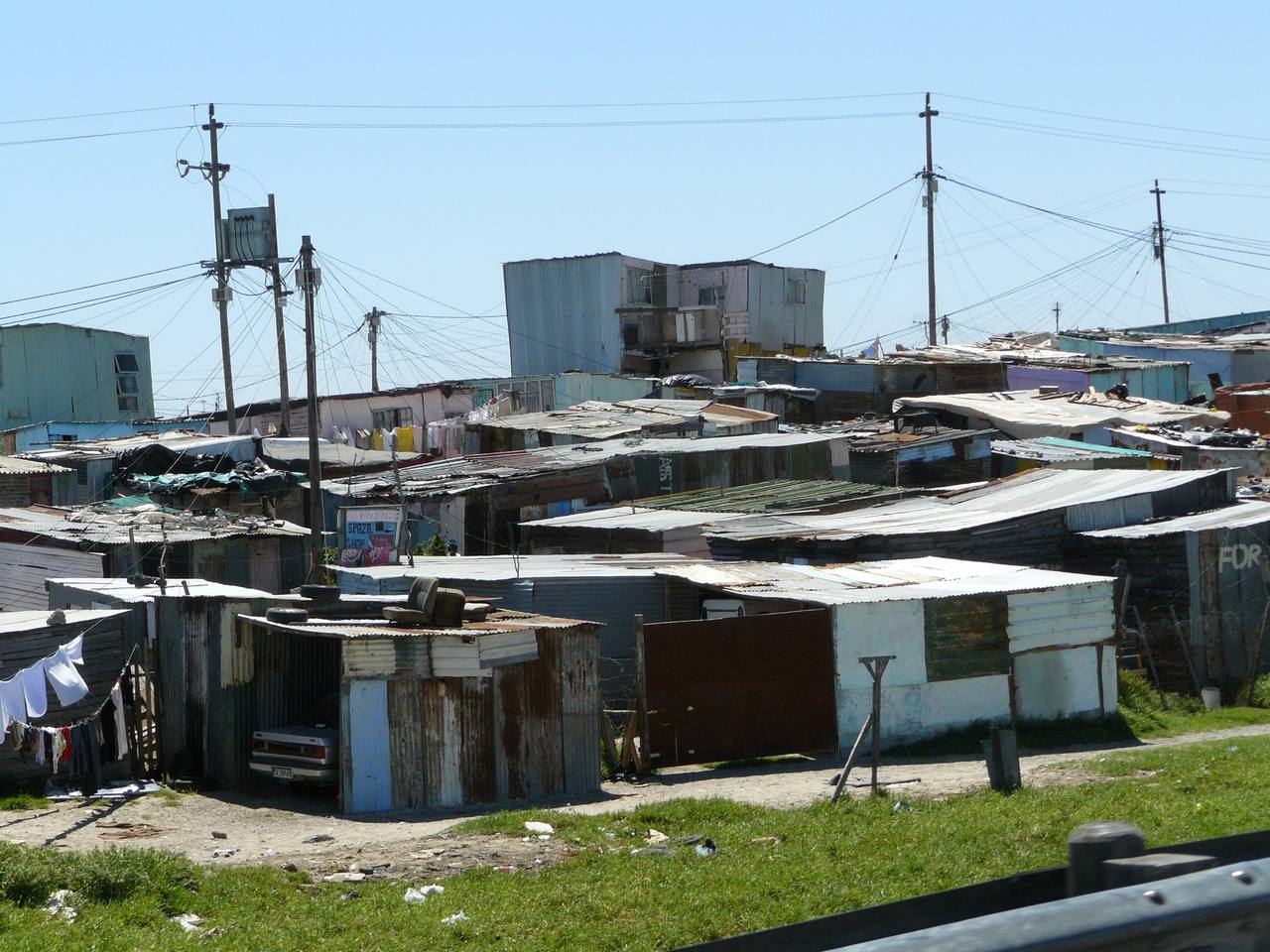
The numbers put the weekend in context. South Africa, a country of about 62 million people, records roughly 60 murders a day — among the highest homicide rates in the world. Gun violence is routinely linked to gang rivalries and competition among informal businesses, and to a stock of legal and illegal firearms that keeps circulating through violent networks. The state has repeatedly answered with force: in March this year soldiers moved into violence hotspots in Johannesburg to support police efforts against rampant crime, which President Cyril Ramaphosa has described as one of the biggest threats facing the country. It has done this before — enforcing Covid-19 lockdowns in 2020, quelling the riots that followed Jacob Zuma's jailing in 2021, deploying troops after truck burnings in 2023, and in 2019 sending some 1,300 soldiers into the gang-afflicted Cape Flats around Cape Town. Yet shootings and other violent crime remain a persistent threat. Meanwhile a separate series of women's bodies found near Johannesburg since July has renewed fear and anger over the country's high rates of femicide.
Who is under pressure — and who pays
No one benefits from a massacre; the costs fall on the families of the dead and wounded in Lwandle, Wedela, and KwaMakhutha. Politically, the pressure concentrates on the African National Congress and the police leadership. Crime is expected to be a major issue for voters in South Africa's municipal elections in November, when the ANC faces further erosion of voter support — and every week of unresolved mass shootings becomes opposition ammunition. The police face the harder test: whether the manhunts produce arrests, recovered firearms, and cases that survive in court. South Africa's detectives are stretched thin — crowded dockets, slow laboratories, uneven evidence management — and past spectacular cases have too often faded without convictions. If the Lwandle and Wedela gunmen are not caught, the public lesson will be that even the most visible atrocities carry little consequence.
What happens next
Watch four things. First, arrests: SAPS says specialist units are deployed in both cases, but as of Sunday no suspects had been taken in either. Second, ballistics: cartridge cases can reveal whether the same weapons appeared at earlier scenes even before police recover the guns, and recovered serial numbers can trace a firearm's last lawful owner — the quiet forensic work that decides whether these cases are solvable. Third, motive: investigators have said little about whether the attacks are linked, and restraint is warranted until evidence says otherwise. Fourth, politics: with November's municipal elections approaching, expect crime — firearms, detective capacity, the army's recurring deployments — to dominate campaigning, and judge every promise against the forensic results. For Lwandle's families, the confirmed core is devastating enough: ten people went out for a night at a neighbourhood venue and never came home. Names, answers, and a case that survives beyond the news cycle are what they are owed.
Sources
- Reuters, September 27, 2026: “South African police said 27 people were killed in two separate shootings within hours of each other”
- The Associated Press (Gerald Imray), September 27, 2026: “Separate mass shootings in S. Africa townships leave at least 27 people dead”
- African News Agency: “27 South Africans lose their lives in two horrific mass shootings”
- ThisDay: “27 Killed In Separate Mass Shootings In South Africa”
- Zambia Monitor (citing Al Jazeera): “27 killed in two South Africa shootings”
Related coverage
- Related: Wedela Tavern Shooting Kills 17 as South Africa Police Hunt Eight Gunmen
- Related: Durban house-party shooting
For more South Africa context, see the Sibiya rape and trafficking court case.