Klitschko Kyiv survival mode
The mayor's blunt warning — consider leaving the capital temporarily — exposes how Russia's campaign against energy and bridges is turning winter itself into a weapon.
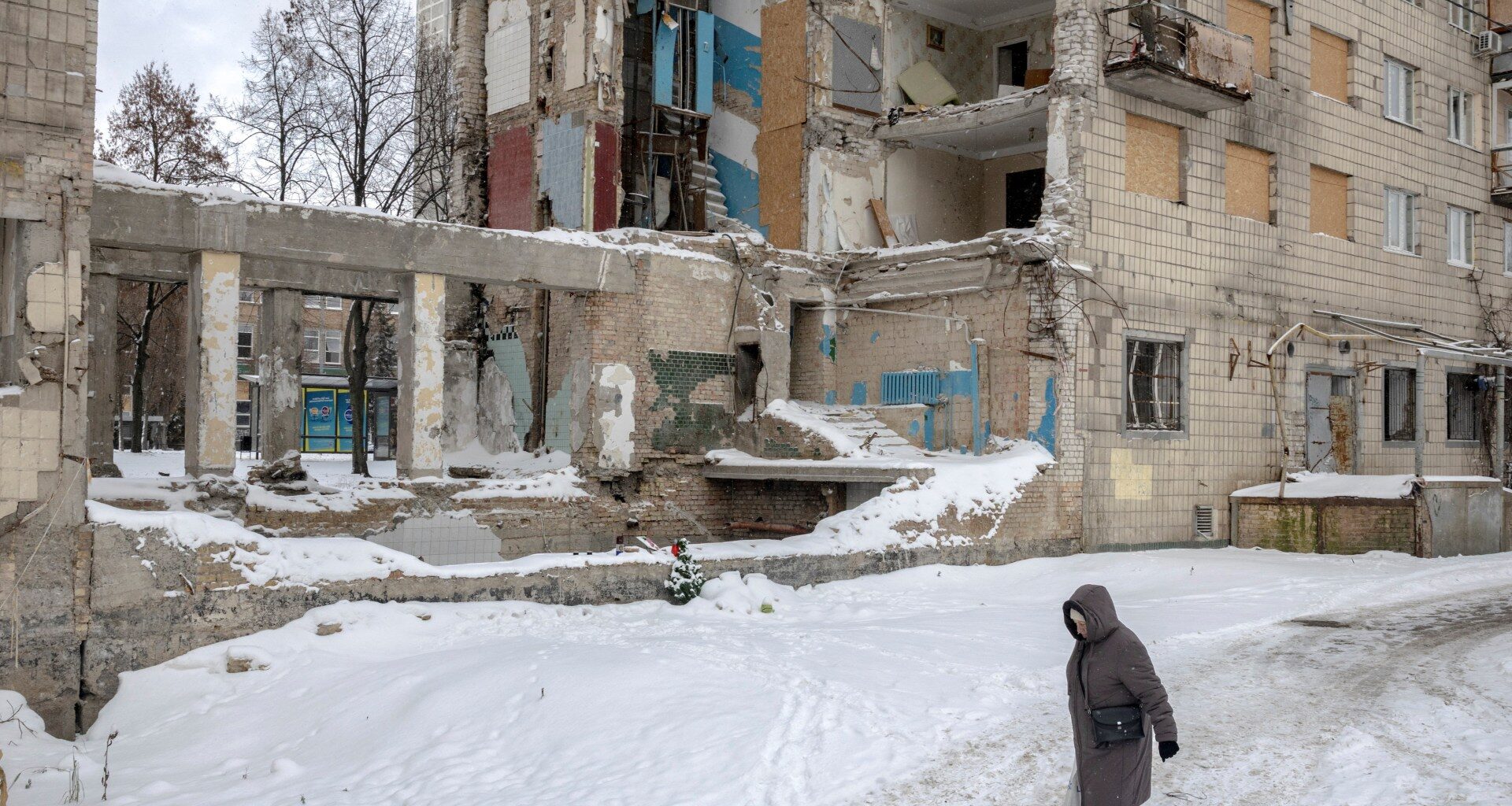
Kyiv Mayor Vitali Klitschko has warned that Ukraine's capital is entering “survival mode” ahead of winter, urging residents with the means to do so to consider temporarily leaving the city as intensifying Russian strikes cripple electricity, heating, water supplies and transport links. In an interview with Agence France-Presse published October 8, the former heavyweight boxing champion said the growing frequency of Russian missile and drone attacks had pushed the city of nearly four million people into what he described as a struggle for survival — and cautioned that even thorough municipal preparations might not be enough if air defenses fail.
Track it live: follow the war in real time on our live Ukraine war map.
What Klitschko actually said
Klitschko told AFP: “Every day brings new reports of destroyed buildings, of people injured or tragically killed, as the shelling of our city intensifies.” His core message: “Today the issue is survival.” He advised residents who have relatives or friends outside Kyiv to consider staying with them temporarily while the city braces for winter. He was explicit that this is not an official evacuation order and not a call to abandon the capital: “That's Putin's goal… the best scenario for Putin is that we all leave and hand over our empty cities and our country to him.” On preparations, he said the city is stockpiling fuel, food and drinking water, building backup heating systems, and developing alternative pontoon crossings over the Dnipro — but added: “No matter how well we prepare, if air defense does not work, we could end up in a bad scenario.”
Why this matters
Mayors of capitals under bombardment do not talk about “survival mode” casually. Klitschko has led Kyiv since 2014 and was in charge during the full-scale invasion's opening weeks, when Russian columns reached the city's suburbs. For him to publicly raise the prospect of temporary departures measures how the threat has changed: not tanks at the gates, but the slow strangulation of the systems that make a modern city livable — power, heat, water, movement. It also reframes the war's next phase. After more than four and a half years of fighting, winter itself has become a decisive battleground, and this interview is the clearest signal yet that Kyiv's leadership expects the cold months to be the hardest test so far.
How Kyiv got here: the infrastructure campaign
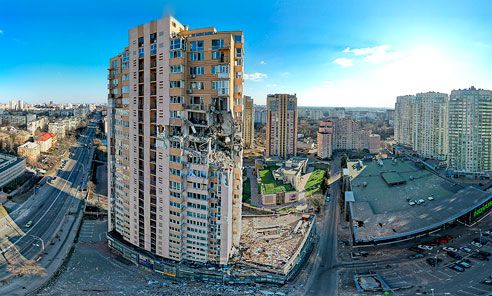
The warning follows a marked escalation in Russia's long-range campaign against the capital. Strikes have expanded beyond nighttime bombardments into daytime drone attacks on central districts, using fast jet-powered drones that are harder to intercept — Ukraine currently stops just over half of them. Bridges across the Dnipro have become a deliberate target set: the Southern Bridge has been closed to vehicles in both directions after repeated hits, and the Paton Bridge further north has been restricted, paralyzing movement between the city's eastern and western banks and complicating emergency response. Signal Post News has tracked the wider bridge and energy strike context across Ukraine and Russia.
Ukrainian President Volodymyr Zelenskyy has accused Vladimir Putin of instructing commanders to abandon any rules of war, pointing to strikes on civilian infrastructure; the Kremlin rejects that characterization. The pattern fits Russia's broader strategy this autumn of degrading the energy grid before winter, a campaign that has already killed dozens of civilians across Ukraine in recent days. The conflict's energy dimension is also entangled with disputes over sanctions and oil revenue, including the backlash surrounding the Trump-Putin diesel deal.
The political fault line at the top
The interview also exposed a genuine wartime governance strain. Zelenskyy's government has criticized Kyiv's winter preparations as inadequate; Klitschko pushed back, describing a “very difficult” task pursued with limited time, limited funding and a limited workforce, and adding: “Finding scapegoats won't make people warmer.” The tension between the presidency and city hall is longstanding, and both sides have incentives in how this story reads — but the underlying facts are not in serious dispute: preparations are underway, and the scale of the threat may exceed them. Readers should treat the political framing from either side with the usual caution and focus on the verifiable core: the strikes are intensifying, the grid is under pressure, and the mayor himself is telling residents to have a backup plan.
What the numbers actually imply
Put the figures together and the logic of Klitschko's warning becomes clear. Roughly four million people live in Kyiv. Air-raid sirens now sound ten to fifteen times a day. Winter temperatures can plunge to minus 20 degrees Celsius. With only about half of Russia's jet-powered drones being intercepted, a meaningful fraction of every strike wave gets through — and power failures cascade: no electricity means no water pumps and no sewage pumps, which is the unglamorous engineering reality behind the devastation. Compared with the winters of 2022–23 and 2023–24, which Ukraine survived through rapid repairs and Western air-defense supplies, three things are different now: the systematic bridge campaign, the shift to daytime strikes, and dwindling interceptor stocks. Each one narrows Kyiv's margin for error.
What happens next: three scenarios
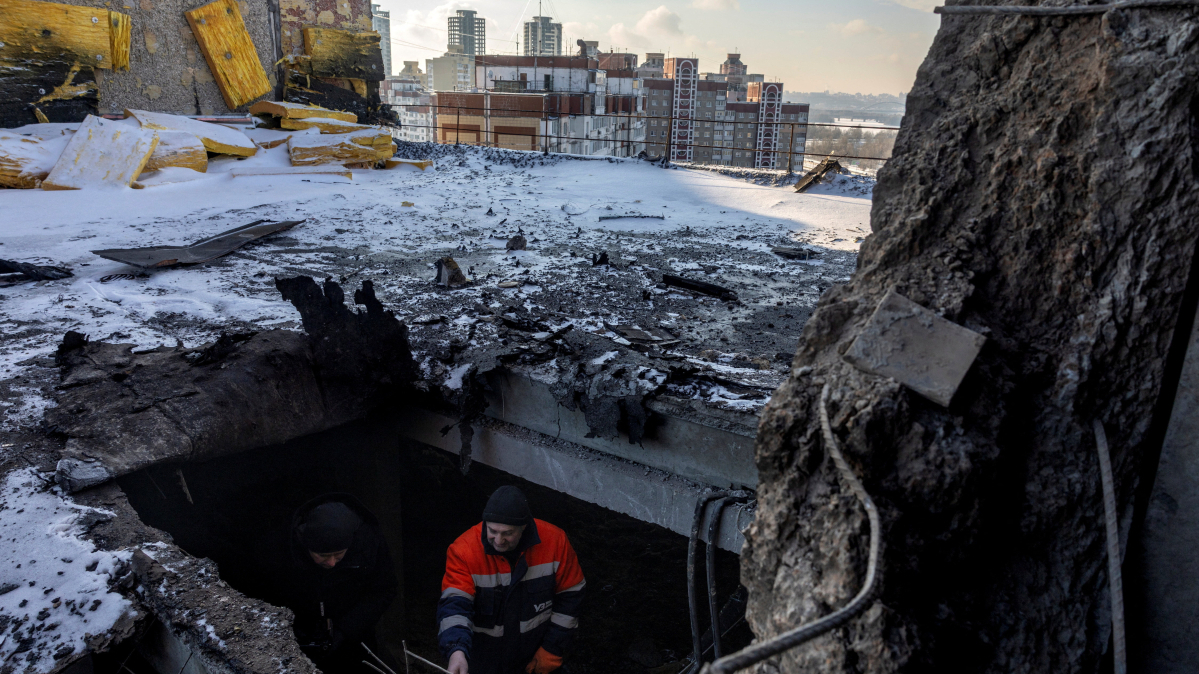
First, managed hardship: air defenses hold well enough, stockpiles and pontoon bridges carry the city through, and voluntary temporary departures actually ease the load on utilities — the outcome Klitschko is trying to engineer. Second, cascading crisis: a deep freeze coincides with a successful strike wave, water and heating fail across whole districts, and temporary departures turn into something closer to an exodus. Third, winter as leverage: hardship becomes the pressure point in any negotiation, with energy infrastructure as a bargaining chip at the table — the diplomatic track in Miami, where US envoys have been meeting Ukrainian officials, is the one to watch. The decisive variables are interceptor supply, the weather, and whether Russia can sustain the current tempo of attacks.
Klitschko's message works on two levels — practical advice for residents, and a signal to Ukraine's allies that air defense is the hinge on which this winter turns. The “best scenario for Putin” line is the tell: this is as much about refusing to hand Moscow a psychological victory as it is about generators and fuel stocks. Whether Kyiv weathers the winter will be decided as much by missile inventories in Western capitals as by anything stockpiled in the city's warehouses.