Kathua CISF camp firing
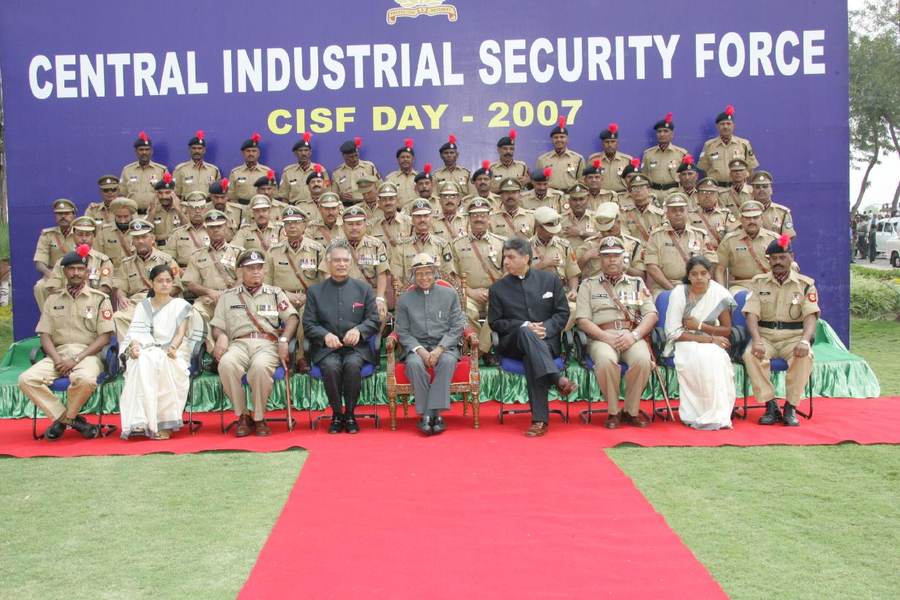
KATHUA, India — The Kathua CISF camp firing killed four Central Industrial Security Force personnel on Tuesday evening after Head Constable Abhidesh Kumar Singh allegedly opened fire inside the force's camp at the Sewa-II hydroelectric project in Mashka village, Basohli, Jammu and Kashmir, according to multiple Indian reports. The dead included Assistant Commandant Ankit Kumar Pandey, Sub-Inspector Lakshman Singh and constables Rafiq Ahmed and Sandeep Kumar.
Colleagues overpowered Singh, seized his service AK-47 and handed him to Jammu and Kashmir Police, the reports said. The wounded men were taken across the nearby state border to an NHPC hospital in Himachal Pradesh, where they died. Kathua Senior Superintendent of Police Mohita Sharma confirmed four deaths. CISF headquarters ordered a Court of Inquiry, while police opened a criminal investigation.
The spelling of several names differs across early reports: the accused appears as Abhidesh, Avdesh or Awdhesh Kumar Singh; Lakshman Singh also appears as Laxman; Rafiq Ahmed as Rafiq Ahmad or Mohammed Rafiq; and Sandeep Kumar as Sanjeev Kumar. Times of India reports are used here as the primary spellings, with the variants recorded rather than silently discarded.
Why the Kathua CISF camp firing matters
The CISF is built to protect airports, ports, mines, power stations and other critical infrastructure from outside threats. This case reverses that security model: the alleged attacker was already inside the perimeter, armed under institutional authority and familiar with the camp. That makes the deaths more than a criminal case. They are a test of how a critical-infrastructure force manages weapons, stress, disputes and warning signs among its own personnel.
The rank of the victims deepens that challenge. The death of Assistant Commandant Ankit Kumar Pandey means the firing reached not only peers but the camp's leadership chain. Four families have lost relatives; the surviving unit must also operate at a power project while processing the fact that a colleague is accused of killing its commanding officer and two other ranks.
What happened at the Basohli Mashka CISF camp
Reports place the shooting on Tuesday, September 29, inside the CISF installation at Mashka, about 150 kilometers from Jammu and close to the Himachal Pradesh border. The timing remains unsettled: some accounts put the first shots at about 6:40 p.m., while others say roughly 7:30 p.m. The site is generally identified as the Sewa-II hydroelectric project, although one Times of India dispatch called it Sewa-III.
Singh was reportedly carrying 150 rounds when the firing began. That figure will draw scrutiny because it goes directly to weapon-issue practice: why that quantity was available inside the camp office, under what assignment it had been issued, and what checks were in place when the situation escalated. It is not yet clear how many rounds were fired.
CISF jawan opens fire in Kathua: what is known about a possible trigger
A report by Patna Press, cited in follow-up coverage, attributed the immediate dispute to Singh's wife, Lady Head Constable Pooja Devi, bringing their child to the quarter guard. That account remains single-sourced and should not be treated as a settled motive. A domestic disagreement may explain an argument; it does not by itself explain the transition to gunfire, the choice of targets or whether earlier concerns were visible.
Investigators will need statements from Pooja Devi, surviving personnel and anyone who saw the confrontation. They will also need duty rosters, quarter-guard records, weapon logs and any available surveillance footage. Until those pieces are tested together, “trigger” is a description of an allegation, not a complete explanation.
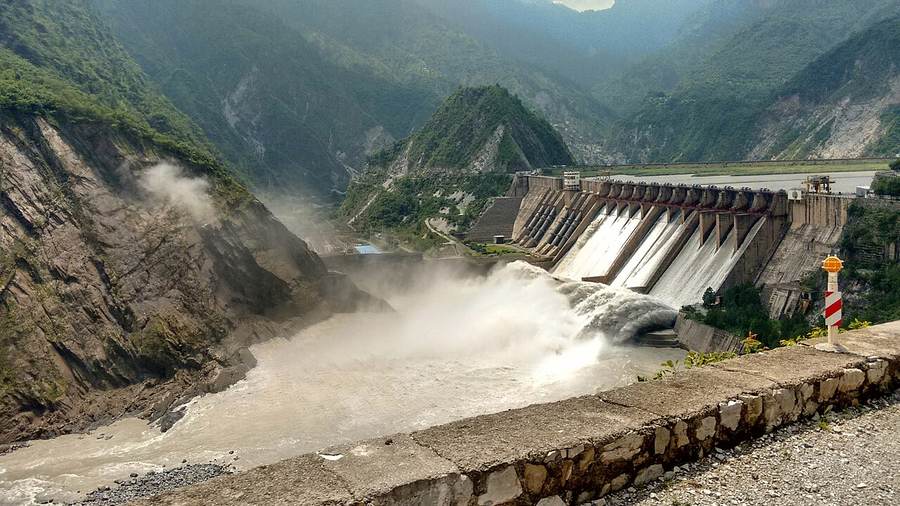
Sewa-II hydroelectric project shooting exposes an inside-perimeter risk
Hydroelectric installations are strategic assets: they combine power generation, dams, tunnels, control rooms and remote terrain. CISF deployments at such sites are meant to keep an adversary away from those systems and the people who operate them. An armed conflict within a residential or administrative camp can weaken that protective layer even when the generating plant itself is not attacked.
The distinction matters. There is no indication the Sewa-II plant was sabotaged or that the shooting was directed at its machinery. The operational question is whether a unit can maintain security immediately after losing four members, including an officer, while evidence is secured and personnel are interviewed. NHPC and CISF will need to show that continuity plans worked without compromising the criminal investigation.
CISF fratricide in Jammu and Kashmir: the questions for the inquiry
Fratricide inside an armed force is often described as a discipline failure, but that label is too broad to guide prevention. The Court of Inquiry must reconstruct a precise sequence: what duty Singh was assigned, when the weapon and ammunition were issued, who supervised the issue, where the first confrontation occurred, how long the firing lasted and how colleagues stopped it.
It should also examine whether the accused, reported as a 2009-batch member of the force, had displayed warning signs; whether complaints were recorded; whether the unit had a functioning grievance and mental-health referral process; and whether family access rules at the quarter guard were understood and consistently enforced. These are investigative questions, not conclusions about motive or fitness.
CISF court of inquiry in Kathua will test weapon and camp protocols
The most consequential findings may concern routine systems rather than one extraordinary act. Weapon-storage rules, ammunition accounting, shift handovers, escalation procedures and the physical separation of living quarters from armed posts all exist to limit the damage when judgment breaks down. If the reported 150-round issue was standard for the assignment, the inquiry must ask what compensating controls existed. If it was not standard, it must establish how the deviation occurred.
Morale and credibility are also at stake. Personnel asked to guard high-value sites need confidence that supervisors will respond to conflict before it becomes lethal. The public, meanwhile, needs evidence that a force entrusted with weapons can investigate itself rigorously while allowing police to pursue an independent murder case.
What happens next in the Kathua firing case
Director General Parveen Ranjan visited the site, according to Times of India. The accused was reported to have been sent to seven days' police remand. Investigators are expected to pursue forensic testing of the rifle and cartridges, post-mortem findings, call records, witness accounts and the chain of custody for the weapon and ammunition.
The criminal case and the CISF inquiry serve different purposes. Police must establish individual criminal liability to the evidentiary standard required in court. The internal inquiry must determine whether policy, supervision or camp design contributed to the risk and recommend changes even if those failures do not amount to crimes.
Watch for three developments: an official account resolving the time, site-name and victim-name discrepancies; clarification of why 150 rounds were issued; and any CISF-wide change to weapons, family-access or stress-intervention procedures. Until then, the central facts are stark and limited: four personnel are dead, a fellow head constable is in custody, and a force responsible for critical infrastructure is investigating how lethal violence came from within its own camp.
Sources
- Times of India: four CISF personnel killed at Kathua hydel plant
- Times of India follow-up: inquiry, remand and reported dispute
- India Today report republished by News89: initial account from the camp
- SSBCrack: deaths and Sewa project location
- News Darpan: Kathua power-project firing report
Reporting note: Facts and spellings were cross-checked across the cited reports. Disputed details are identified in the text rather than presented as settled.
Signal Post News will update this report when police or CISF release additional findings.
Back to all stories