Kataib Hezbollah suspends attacks
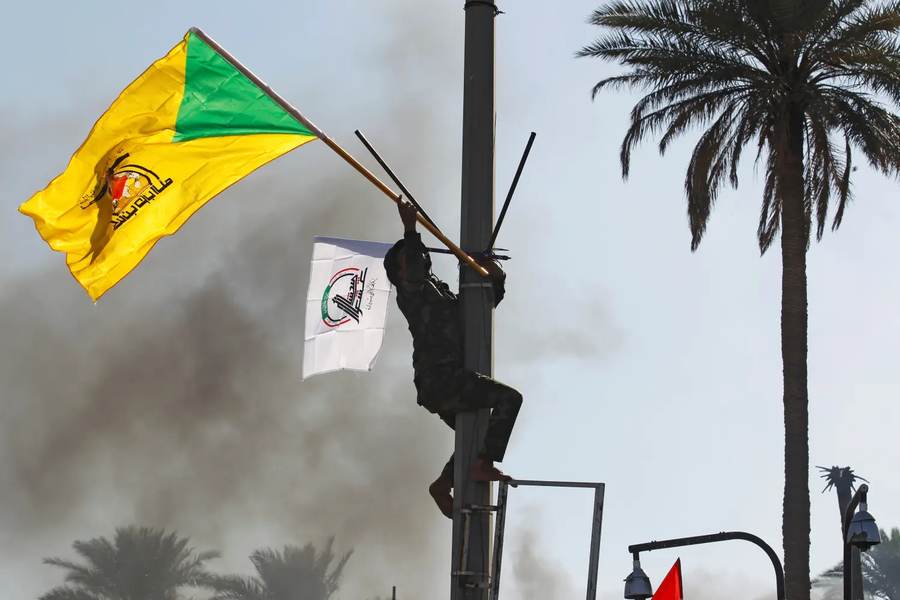
Kataib Hezbollah suspends attacks — that, in substance, is what Ahmad al-Hamidawi, the leader of the Iran-aligned Iraqi militia, announced on Thursday, October 1, 2026: his fighters would halt their military activities inside Iraq now that the last American combat troops have gone. The declaration came one day after the U.S. military completed its withdrawal from Erbil Air Base, ending the 12-year Operation Inherent Resolve mission against the Islamic State in Iraq. But al-Hamidawi carved out a deliberate exception: the group, he said, would still strike hostile aircraft violating Iraqi airspace.
Why this matters: Iraq sovereignty after the withdrawal
This is the hinge moment of Iraq's post-American era. For Prime Minister Ali al-Zaidi, who presided over the handover ceremony, the suspension is the first dividend of his bet that the state can hold the country together without a U.S. combat presence — and the first test of his pledge that non-state armed groups will no longer hold weapons.
For Washington, it validates the withdrawal timetable agreed in 2024, even as The Wall Street Journal warns the U.S. is leaving behind “a nation in peril.” And for anyone who has watched this militia before, the announcement lands with a familiar ring: Kata'ib Hezbollah also suspended operations in January 2024, after its drone strike on the Tower 22 base in Jordan killed three U.S. troops brought a wave of American retaliation.
That pause bought quiet — it did not buy disarmament. The pattern is worth naming plainly: suspensions are the group's recurring tactical exhale, not its retirement. What makes this one different is the context — the Americans are actually gone, and the June 2027 militia disarmament deadline is now the clock that matters.
How we got here: from Tower 22 to the Erbil Air Base withdrawal
The road to this announcement runs through two and a half years of escalation. After the Gaza war began, Kata'ib Hezbollah — Washington's designated terrorist organization and the most capable of Iraq's Iran-aligned factions — claimed responsibility for more than 150 attacks on U.S. forces in Iraq and Syria, part of Tehran's “axis” pressure campaign.
In January 2024, after Tower 22 killed three American service members, the group's leadership announced a suspension of operations to avoid embarrassing the Iraqi government — a pause that frayed as the year wore on. The withdrawal timetable agreed in 2024 set the machinery in motion. Then came February 28, when the U.S.-Israel war with Iran began: Iraqi bases were struck, and the militias — this one among them — coordinated with Yemen's Houthis against Saudi Arabia, turning Iraq into a launch corridor.
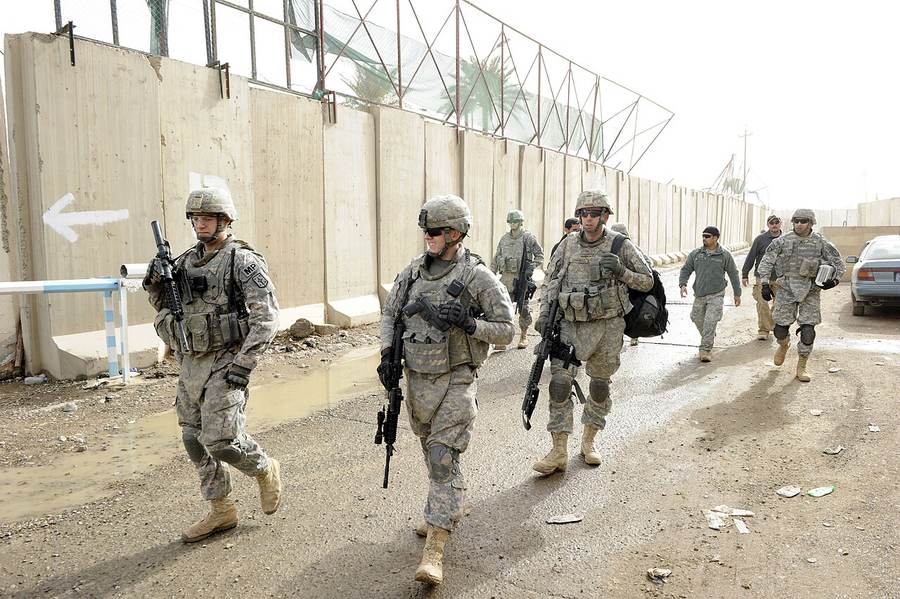
On September 30, the last U.S. troops departed Erbil Air Base; Pentagon spokesman Sean Parnell called it an “orderly departure” and said Washington would continue “targeted training and intelligence support.” Donald Trump hailed the end of the U.S. mission as the close of “a very expensive excursion into Hell” and described the exit as “orderly.” Al-Zaidi, for his part, told The New York Times that the militia disarmament deadline would be pushed to June 2027 — a date the militias have never agreed to.
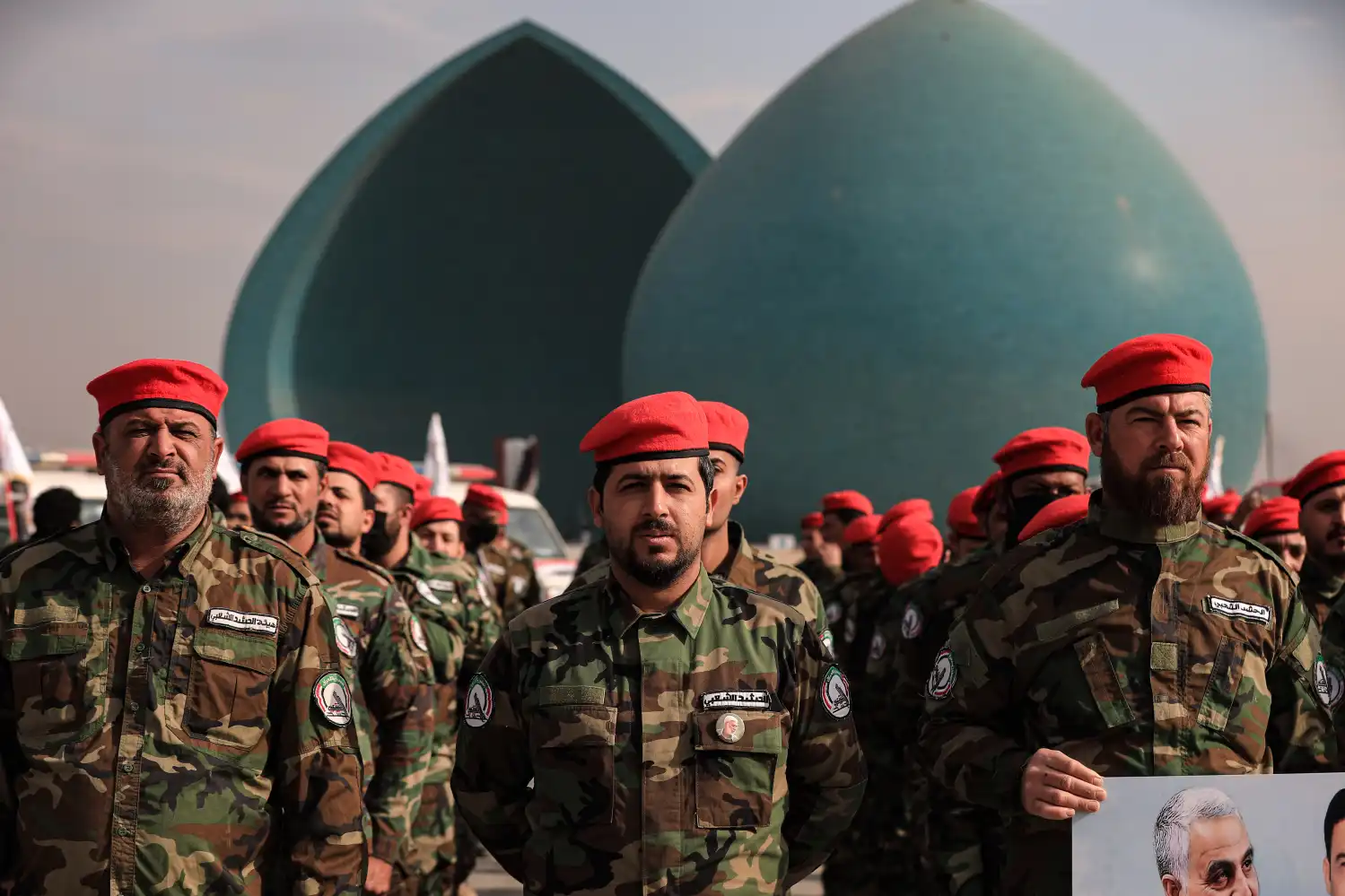
Two voices, one militia: the Ahmad al-Hamidawi statement and the threat behind it
Read al-Hamidawi's statement and then read the one from Kata'ib Hezbollah official Abu Mujahid al-Assaf, and you hear two different organizations talking. Al-Hamidawi's message is almost diplomatic: the mission is done, the fighters stand down. Al-Assaf's is a victory proclamation wrapped in a threat: “The expulsion of the occupation forces, defeated, from the land of Iraq is the beginning of full sovereignty” — followed by a warning that “any government that does not work for the benefit of the people will be overthrown by all means.”
The contradiction is the point. The conciliatory statement is addressed to Baghdad and Washington: we are reasonable; we keep our part of the bargain. The threat is addressed to Baghdad's ruling class: we are still here, armed and watching. Al-Zaidi is being offered a partner and warned about an adversary in the same breath — and he must decide which voice to believe.
Who gains, who worries as the Islamic Resistance in Iraq goes quiet
The winners are easy to name. Al-Zaidi gains validation: his argument that Iraq can secure itself without American combat troops now has its first exhibit. Iran gains too — its most potent Iraqi proxy just demonstrated discipline on command, proof that the network remains intact and obedient even as it goes quiet.
The anxious camp is larger. In Erbil, the Peshmerga Ministry has spent the U.S.-Iran conflict watching more than 1,000 drone and ballistic-missile attacks rain down on Kurdistan; the removal of American air defenses leaves the Kurdish region exposed, and Kurdish officials make no secret that they trusted the U.S. umbrella more than Baghdad's promises. Across the border, Gulf states — Saudi Arabia most of all — are reading the suspension alongside the militias' recent coordination with the Houthis and concluding that quiet in Iraq does not mean quiet in the region.
Hovering over everything is the Islamic Resistance in Iraq, the militia umbrella, which has already said there is no agreement on regulating weapons, that it is “not bound by any timeline or agreement,” and that it is open only to dialogue guaranteeing “Iraq's sovereignty and dignity.” One suspension does not a disarmament make.
The airspace exception is the fine print
The most important words in al-Hamidawi's announcement may be the smallest: hostile aircraft violating Iraqi airspace. Who decides what counts as hostile, and what counts as a violation? The militia does. In a region where Israeli jets have operated with increasing freedom and where American intelligence and training missions continue — Parnell was explicit that “targeted training and intelligence support” goes on — the exception is a loaded gun left on the table.
It gives the group a standing legal pretext, in its own doctrine, to resume attacks the moment it judges an overflight unacceptable. Analysts of the 2024 suspension will recognize the architecture: a broad promise of quiet, stitched with a narrow reservation that can widen at will.
What happens next: three scenarios before the June 2027 disarmament deadline
Scenario one — the disarmament track holds. Al-Zaidi uses the suspension as momentum, brings the factions into a regulated framework, and the June 2027 deadline becomes a real milestone rather than an aspiration.
Scenario two — the Tower 22 replay. The suspension holds for months, disarmament talks stall, the umbrella's “no timeline” position hardens, and Iraq settles into a familiar equilibrium: quiet militias, armed to the teeth, waiting.
Scenario three — the exception fires. A strike on an aircraft deemed “hostile” — or an Iraqi-government crackdown that the militia reads as hostile — collapses the pause, and the 150-attack campaign resumes under a new justification.
Watch two indicators: whether Baghdad begins collecting heavy weapons before June 2027, and whether Kurdish airspace gets a replacement shield. The answers will tell you which scenario Iraq is in.
Sources
- Middle East Eye report, indexed by News as Facts — Ahmad al-Hamidawi's October 1 suspension announcement and the hostile-aircraft exception.
- The Associated Press, September 30, 2026: “The US Military Says Its Withdrawal of Troops From Iraq Is Complete” — withdrawal, Baghdad's response, militia statements and Kurdish air-defense concerns.
- IraqiNews.com report reproduced by CONVEN — the militia's cessation of military activity and the post-coalition security test.
- The Wall Street Journal: “The U.S. Military Exits Iraq, Leaving Behind a Nation in Peril” — militia power, U.S. leverage and the risks surrounding the exit.
- Foundation for Defense of Democracies summary of The New York Times interview — Al-Zaidi's June 2027 disarmament plan and 90-day pause.
Militia statements and threat claims are attributed to their speakers. Signal Post News has not independently verified the groups' operational claims.