Animals · Conservation
Jojo was taken as an infant after poachers killed his family and spent about 11 years in a tiny cage. Rescued to the Lékédi Foundation sanctuary in 2015, he took his first steps on grass — but more than a decade later, he is still alone.
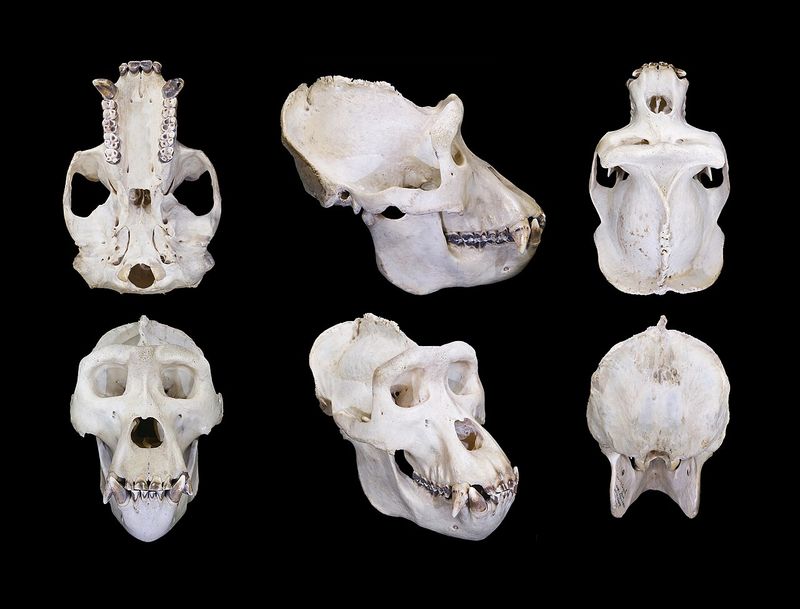
LÉKÉDI, Gabon, November 14, 2026 — The Jojo gorilla Gabon sanctuary companion search is a story about a single animal and the system that cannot quite help him. Jojo, a western lowland gorilla, was taken as an infant after poachers killed his family, and spent roughly 11 years in a tiny cage at a private zoo in Gabon. In 2015 he was moved to the Lékédi Foundation sanctuary, where he took his first steps on grass. More than a decade later, as BBC reporting on November 14 describes, he still lives alone. Professor Gillian Forrester of the University of Sussex identifies signs of chronic stress in him; head keeper Maxe Anaclet Makaba and sanctuary director Éric Willaume describe the stalled search for a companion.
Why 'find him a friend' is not simple
Gorillas are intensely social, and sanctuaries know it. The obstacle is regulatory architecture: translocation rules for great apes were built around breeding programmes and disease control between accredited institutions, not around moving an individual animal for social welfare. A suitable companion must be found, matched, quarantined, transported and introduced under rules that barely contemplate the purpose — and an estimated 6,000-plus African primates were traded between 2000 and 2023, meaning Jojo is one case in a trade that keeps producing solitary rescues faster than the system places them.
What chronic stress looks like in a gorilla
Forrester's assessment — repetitive behaviours and withdrawal consistent with chronic stress — gives Jojo's solitude a clinical description rather than a sentimental one. Keepers like Makaba provide the daily mitigation: enrichment, routine, human contact of the careful kind. It is care, and everyone involved is clear it is not a substitute for another gorilla.
Why this matters
Jojo's case exposes a gap between conservation's two halves: rescue is funded, photographed and celebrated; the decades of social life afterwards are governed by rules written for a different purpose. If the system cannot solve companionship for one famous gorilla in a well-run sanctuary, the same failure is silently repeated for thousands of less visible primates in facilities with fewer resources and no BBC camera.
What happens next
The sanctuary continues to pursue a companion through the existing framework, and advocates are pressing for a welfare-based translocation pathway that would let social need — not only breeding value — justify a move. Until one or the other succeeds, Jojo's enrichment programme continues, and his keepers continue to say, on the record, that it is not enough.
Sources
- BBC, November 14, 2026 — reporting of Jojo's history, the Lékédi Foundation sanctuary and the companion search, including Forrester, Makaba and Willaume.