Music / Three days after he walked into the Country Music Hall of Fame's Medallion Ceremony alongside his fellow members, John Anderson died at home in Smithville, Tennessee. He was 71. The Florida-born baritone behind "Swingin'," "Seminole Wind" and "Straight Tequila Night" leaves 40 charting singles, two comebacks most singers never manage once, and a generation of stars who called him, simply, a hero.
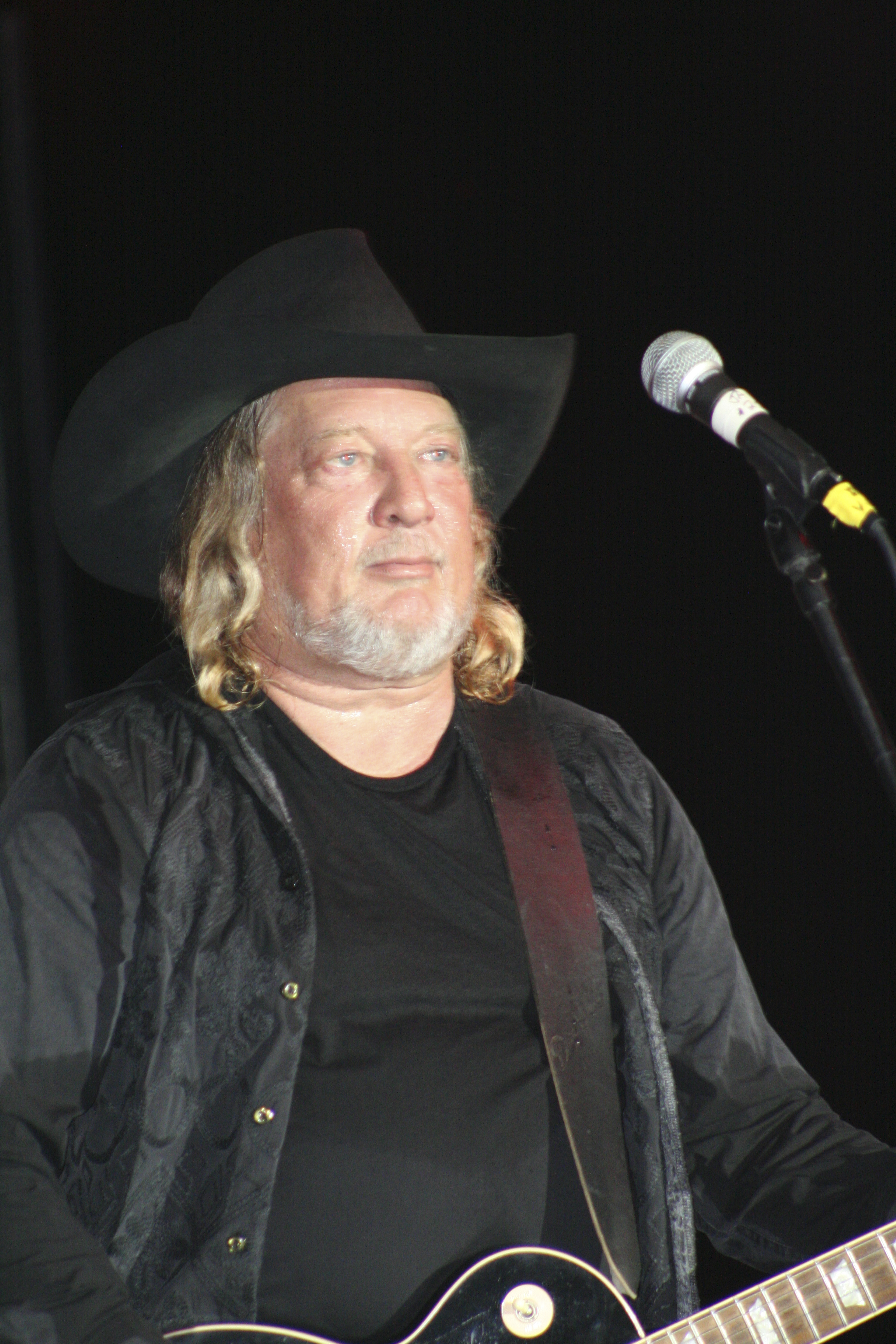
John Anderson dies at 71, and country music has lost one of its most unmistakable voices. The Country Music Hall of Fame member died at home in Smithville, Tennessee, on Wednesday, October 21, his team told The Nashville Tennessean, part of the USA TODAY Network. The cause of death is not yet public. His family announced the death in a post on his official social media pages on Wednesday evening, calling him a "beloved husband, father, grandfather, and best friend" and writing: "To the world, he was a gifted country music singer whose voice and songs touched countless lives. To us, he was so much more."
What we know — and what has not been said
The confirmed facts are few, and they deserve to be stated plainly before anything else. Anderson died at home in Smithville, the Tennessee town where he had lived for more than three decades, according to his team speaking to the Tennessean and a family statement posted Wednesday. He was 71 — born December 13, 1954, in Florida (USA Today gives Orlando; other accounts of his life place his upbringing in Apopka, the town his friend Larry the Cable Guy name-checked in tribute as making him "the pride of Apopka Florida"). No cause of death has been released, and no public link has been made between his death and the serious health problems he survived in earlier years. Anyone who tells you otherwise today is guessing, and this article will not.
What makes the timing hit so hard in Nashville is how public his last weekend was. On Sunday, October 18 — three days before his death — Anderson attended the Country Music Hall of Fame's 2026 Medallion Ceremony at the CMA Theater, walking in alongside the other Hall of Fame members to watch Tim McGraw, Paul Overstreet and the Stanley Brothers become official members. McGraw, in his tribute, said he had been talking with Anderson that Sunday night: "He was in such good spirits. We talked, we laughed, we sang his songs that I loved so much together, just goofing off." Blake Shelton said he saw him the same day — "I got to see him last Sunday and I don't even know why but I told him I loved him." Charlie Daniels Jr. wrote that his family saw Anderson from a distance at the ceremony, "so this comes as a complete shock." News of the death, the Tennessean reported, broke Wednesday just as a tribute event for another country luminary, Dolly Parton, was about to begin at Belmont University.
The Hall of Fame itself spoke through its CEO, Kyle Young: "John Anderson was a one-of-a-kind song stylist who proved that fresh innovations were best born from time-honored traditions. Whether he borrowed inspiration from Lefty Frizzell's vocal bends or the Florida swamp land, he brought dynamic distinction and creative soul to a world that needed to hear his voice. In 1981, John famously gave life to Billy Joe Shaver's lyric, 'I'm just an old chunk of coal, but I'll be a diamond someday.' He was already a diamond then, and a diamond he always will be."
The road from the Opry roof to 'Swingin''
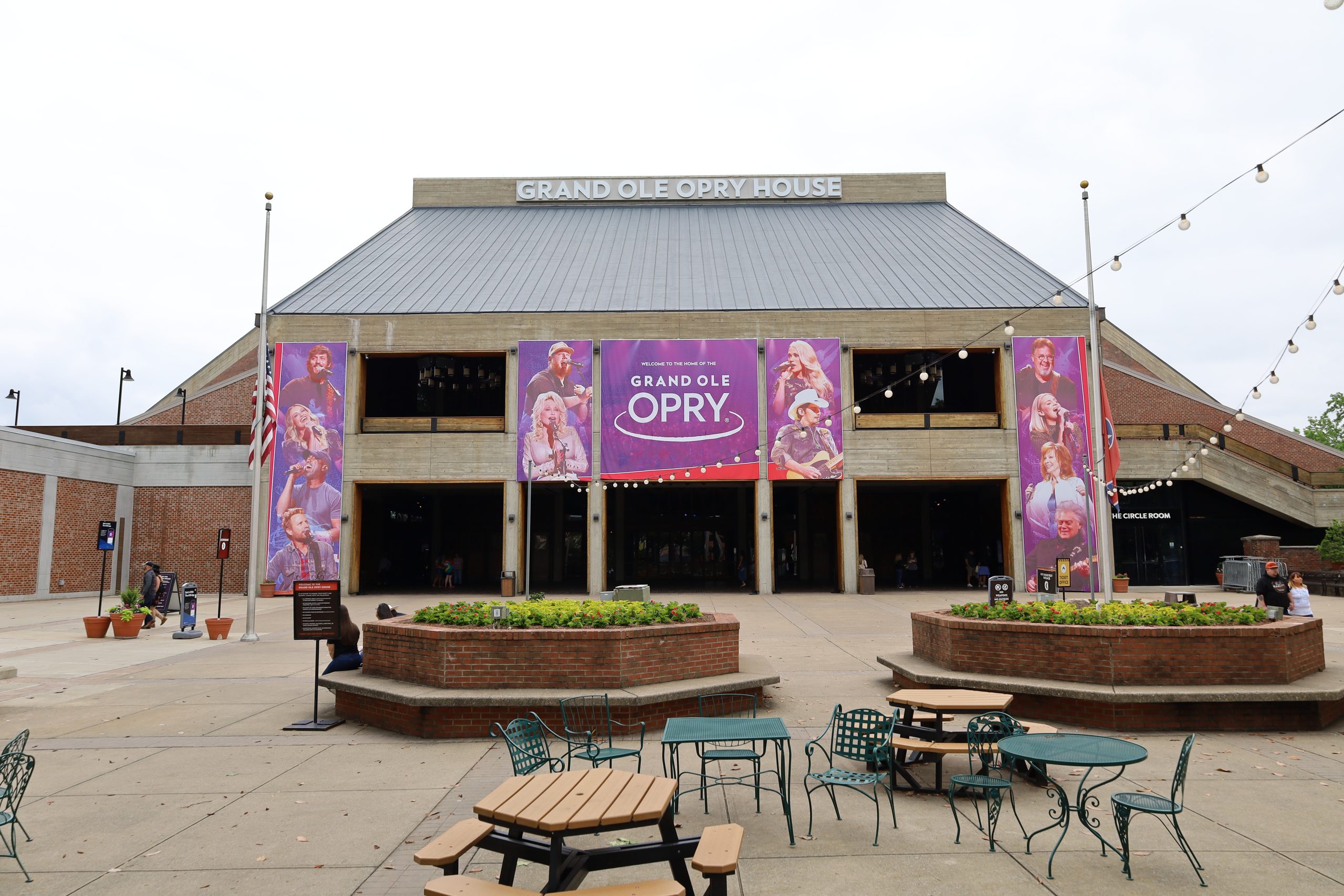
Anderson's biography contains one of country music's great origin details. As a young man from Apopka, he followed his older sister Donna to Nashville in the early 1970s and took work as a construction laborer on the new Grand Ole Opry House — helping, as one account put it, to nail the shingles onto its roof before the building opened in 1974. The kid on the roof of country's most famous stage was not yet a singer anyone knew. Within a decade he was one of the voices defining the genre's turn back toward tradition.
Signed to Warner Bros. Records in 1980, Anderson built momentum with "Wild and Blue" and then broke through decisively in 1983 with "Swingin'," the playful, drawling single that earned him the Country Music Association's Single of the Year and Horizon awards. Over a career that began in the late 1970s, his rich, smooth baritone carried 40 singles onto the country charts. His signature was a vocal style nobody could imitate without sounding like an impersonator: the bent notes, the swallowed syllables, the sense that a line of lyric was being worked over like something physical. It is why Young's word — "stylist" — kept recurring in Wednesday's tributes. McGraw used the same word: "There will never be a stylist in music, any music, that was so defining as his."
The second act: 'Seminole Wind' and the comeback that rewrote his story
Most hit careers get one arc. Anderson's got two, and the second is the one that made him a Hall of Famer. After his early-1980s momentum faded, he returned in the early 1990s with a run that would have been a career by itself: "Straight Tequila Night," "Money in the Bank," "When It Comes to You" — and above all "Seminole Wind," the 1992 title track (a 1991-era recording in some discographies of the album's rollout; USA Today dates the hit to 1991) that married his Florida roots to an environmental lament about the draining of the Everglades. It became his signature song: swamp, wind, and loss in a single recording, proof that a traditionalist could write — and sing — a protest song about his home ground that radio would still play.
The industry eventually ratified what fans already knew. Anderson was inducted into the Nashville Songwriters Hall of Fame in 2014 — a songwriter's honour for a man who co-wrote much of his best work, including with Paul Overstreet, whose songs appear on Anderson's final album, Years, and who was himself inducted into the Hall of Fame at the ceremony Anderson attended on Sunday. In 2024 came the biggest honour of all: induction into the Country Music Hall of Fame. Two years later, he was still showing up for the institution — present, in good spirits, singing along, three days before his death.

The hard years nobody hid
Anderson's later life was marked by health battles he discussed openly, and Parade's account of them Wednesday is worth recording carefully — as history, not as an explanation for his death, which his family has not connected to any of it. In 2003, at 48, chest pains at a festival in West Virginia sent him to hospital, where doctors performed an angioplasty and placed a stent; the festival director recalled that he tried to leave the hospital twice because he had never missed a show. In 2017 he withdrew from a festival in Albertville, Alabama, with what his representatives called "unforeseen and serious medical issues." He later described spending much of 2017 and 2018 in the grip of a grave illness doctors feared was brain cancer — the tumour proved benign, but heart trouble was also involved. "I had nearly died a couple of times," he said. At the worst point he lost, by his own account to American Songwriter, 95 to 98 percent of his hearing, along with his sense of pitch — for a singer whose instrument was his voice, a devastating blow. Some hearing slowly returned, and he made Years anyway. That record, and his presence at the Hall of Fame last weekend, are the proper frame for his final years: not decline, but persistence.
Why this matters
Country music has spent two decades arguing about authenticity — about who is "real" country and who is product. Anderson's death lands in the middle of that argument because he was one of the last direct links to a way the music used to be made: a working-class Florida kid who literally helped build the Opry House, learned the tradition from the inside, bent it without breaking it, lost his commercial footing, and then — rarest of all — came back with the best songs of his life in his late thirties, including one, "Seminole Wind," that smuggled an environmental elegy onto commercial radio. His influence is measurable in the tributes themselves: Shelton called him "my hero"; John Rich called him his favourite country artist of all time and "Uncle John" for 20 years; Chris Janson listed him as "hunting buddy, fishing buddy, mentor, friend, brother." The Bellamy Brothers noted that he sang at David Bellamy's Songwriters Hall of Fame induction, and that their duet "No Country Music for Old Men" — "those words hit a little harder today." Reba McEntire, commenting on the family's post, wrote: "One of my favorite people in this business. I sure will miss you, John."
There is also a quieter significance in how he died in the public eye: active, honoured, among peers. The 2024 Hall of Fame induction, so often a posthumous-feeling career summary for artists of his generation, was in his case simply accurate and on time — and his attendance on Sunday, singing McGraw's favourite Anderson songs backstage with McGraw himself, means the community's last memory of him is of a man enjoying the place he had earned. Not every legend gets that ending.
What happens next
Details that remain outstanding are narrow and should stay that way until the family chooses otherwise: the cause of death has not been released, and no funeral or memorial arrangements were included in the family's statement, which asked, in effect, for the space to grieve — "for us, his greatest legacy will always be the love he gave his family and the memories we will carry with us forever." Expect the Country Music Hall of Fame and Museum, where his plaque hangs among the members he joined on Sunday, to anchor the formal tributes, and expect "Seminole Wind" and "Swingin'" to climb the streaming charts this week, as they reliably do when a defining voice is lost. This article will be updated if the family releases a cause of death or service details.
He is survived by his wife, Jamie, and their two daughters. The voice — the bends, the drawl, the swamp wind in it — is on the records, where it always lived best. As John Schneider put it Wednesday night: the angels are now "swinging in a Seminole wind."
Related coverage
Read more from Signal Post News: Mike Ditka, the Chicago Bears coach, dies at 86 and RJ Mitte, 'Breaking Bad' actor, dies at 34.
Sources
USA Today / The Nashville Tennessean, "John Anderson, influential country music singer, dies at 71," October 21, 2026. The Nashville Tennessean, "Country stars pay tribute to John Anderson: 'This one really hurts'," October 21, 2026. Parade, "Inside Country Icon John Anderson's Grueling Final Chapter," October 21, 2026. Country Music Hall of Fame and Museum statement via CEO Kyle Young, quoted in USA Today. Family statement via John Anderson's official social media pages, October 21, 2026.