Economy / Japan — Japan’s factories have just posted their weakest month since March. The flash Japan manufacturing PMI slipped to 53.3 in October as output and new orders cooled, even as services accelerated and the wider private sector stretched its expansion to a nineteenth straight month. Buried in the detail is the figure that cuts both ways: while demand softened, factories bought inputs so aggressively that their stocks of purchases grew by the most in almost four years — a bet on future orders that November will either vindicate or expose.
Track it live: Stock markets and indexes, live — Signal Post News tracker
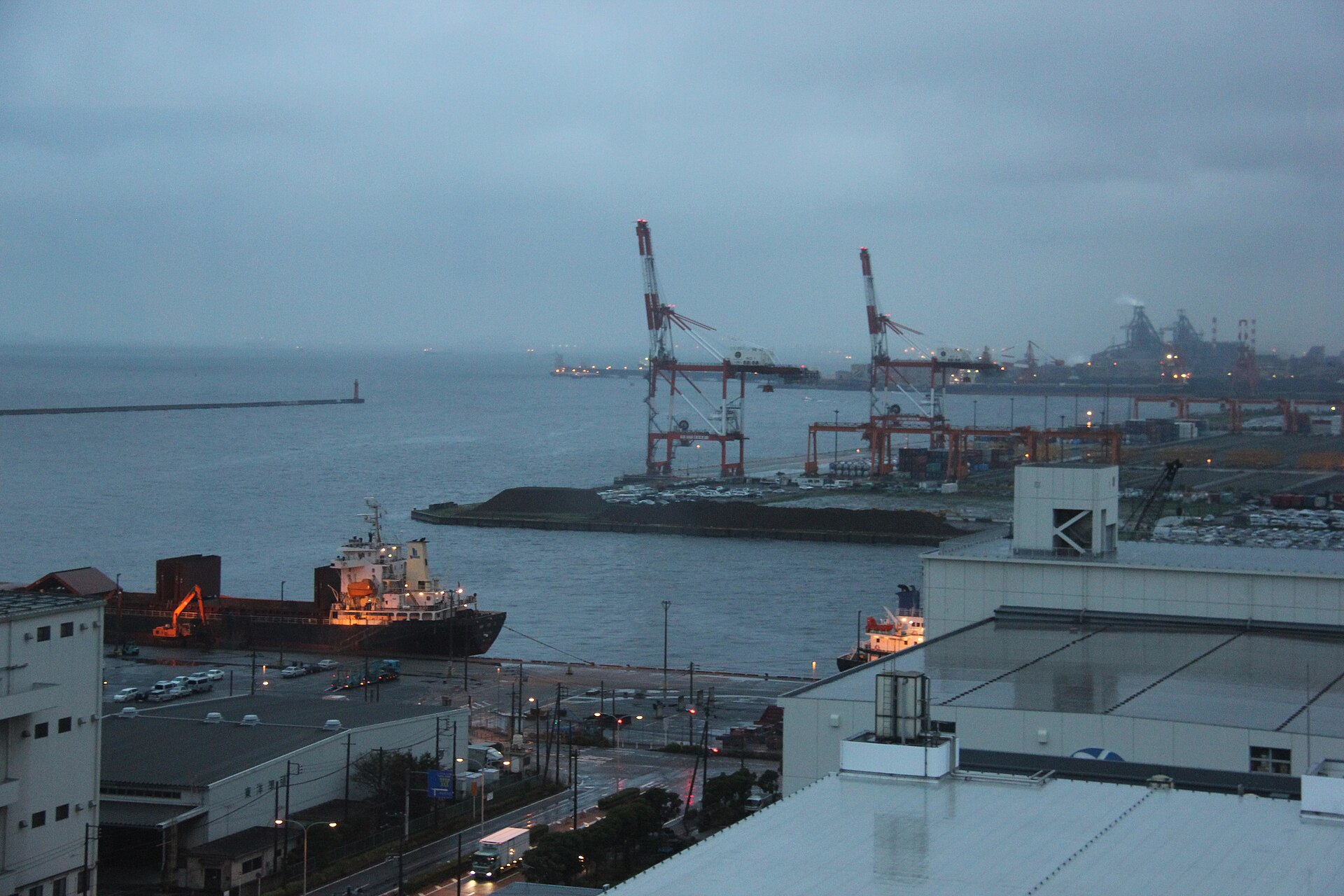
TOKYO — The Japan PMI for October 2026 arrived on Friday with a split personality. The flash S&P Global Japan Manufacturing Purchasing Managers’ Index fell to 53.3 in October from 54.1 in September, Reuters reported — the slowest pace of factory expansion in seven months, with the survey’s manufacturing output gauge dropping to 53.1 from 54.9, also a seven-month low. New orders from goods producers rose at their weakest pace since March. Yet the economy underneath the factories kept moving: the services PMI climbed to 52.0 from 51.3 on stronger business activity and faster sales growth, leaving the flash composite PMI unchanged at 52.3 — a nineteenth consecutive month of private-sector expansion, albeit, as market coverage of the release noted, the joint-slowest pace since May. “The October flash PMI data indicated that overall business activity growth across Japan was unchanged from a month prior to remain weaker than the average for the year-to-date,” said Usamah Bhatti, an economist at S&P Global Market Intelligence.
The softening is broad without being dramatic, and that is precisely what makes it awkward. Across the private sector, new business rose at the slowest pace in three months and new export business grew at its softest rate in four months. Job creation slowed to a fourteen-month low — and in services, payrolls actually fell for the first time since August 2025, even as backlogs of unfinished work grew at their fastest pace since June, a combination that suggests firms are stretching existing teams rather than hiring into uncertainty. Confidence for the year ahead weakened to its lowest since July. None of these readings points to contraction; every headline index remains above the 50 line that separates growth from decline. But the direction of travel, three months into the autumn, is unmistakably toward a cooler, more fragile expansion — one increasingly carried by services while the factory sector that anchors Japan’s export model loses momentum.
The inventory bet: factories are stocking up into a slowdown
The single most revealing line in the October survey is not the headline index but what purchasing managers did about it. Factory employment rose at a moderate pace, and manufacturers increased their buying activity so sharply that stocks of purchases — the raw materials and components sitting in warehouse inventory — accumulated at the fastest rate in almost four years. Companies do not build input inventories at a near-four-year pace because they expect orders to keep shrinking. They do it because they expect to need the materials, because they fear prices or supply will worsen, or because purchasing decisions made during stronger months are still delivering into weaker ones. October’s data cannot distinguish between those motives, and the distinction matters enormously: deliberate stockbuilding ahead of expected demand is a vote of confidence, while involuntary accumulation is the first chapter of an inventory correction that later forces production cuts.

The cost side of the survey gives the stockpiling a plausible defensive reading. Input-cost inflation accelerated slightly in October, driven by higher raw-material and labour costs, while the prices firms could charge their customers rose more slowly — output-charge inflation eased to a four-month low. That is a margin squeeze in miniature: costs quickening, pricing power fading. With oil prices at a five-month high on the Middle East conflict and the yen weak, a purchasing manager who expects imported materials to cost more next quarter has a rational incentive to buy now. Japan has lived this cycle before: inventory builds during the 2022 supply shocks cushioned production for a quarter, then amplified the slowdown when orders fell. The October survey does not say which version is starting — it says the warehouses are filling, and that November’s orders data now carries unusual weight.
Why this matters: a mixed report lands in the middle of the Bank of Japan’s hardest call
The PMI release did not land in a vacuum. It arrived the same morning as September consumer-price data showing Japan’s national CPI rising 2.1 percent year on year, up from 1.9 percent in August, with market coverage describing the core readings as firmer than expected and inflation back above the Bank of Japan’s 2 percent target. The yen, which had lost more than 0.8 percent against the dollar on Thursday, steadied near 157 per dollar. Put the two releases together and the central bank’s dilemma comes into focus: inflation argues for continued policy normalisation — Danske Bank’s analysts, previewing the data, expected resilient growth and mounting price pressure to support another BoJ rate hike in December — while the PMI detail argues for patience, because hiring, orders and confidence are all cooling at once. Market analysts reading the flash numbers reached a similar split verdict: steady growth plus persistent cost pressure keeps a December move in play, but the softer demand picture points to a gradual pace rather than urgency.

The politics hum underneath the economics. Prime Minister Sanae Takaichi’s government is already defending its economic management with approval ratings under pressure — a recent Kyodo poll put her cabinet’s support below 50 percent — and an economy that is growing, but at its slowest pace since May, gives neither the government nor the central bank a clean story. Nineteen straight months of expansion is a genuinely strong run by Japan’s post-1990 standards; a fourteen-month low in job creation is a genuine warning by any standard. Both are true in the same release. For investors, the practical translation is that Japan remains the developed world’s tightening outlier — the only major central bank still normalising upward while others debate cuts or hikes driven by the oil shock, a divergence visible this week in gold’s struggle to hold $4,000 as Federal Reserve hike odds stay elevated — and every soft survey makes the timing of the next step harder to price.
Context: on a global PMI day, Japan slowed — but Australia fell off the line entirely
Friday was flash-PMI day across the world’s major economies, and the comparison flatters Japan even as its own numbers cool. Australia’s flash composite PMI dropped to 47.7 in October from 51.3 in September — an outright contraction, below the 50 line Japan has now held for nineteen months. India, by contrast, accelerated to a four-month high of 56.7, and Britain posted its strongest growth since February. Japan’s 52.3 sits in the unglamorous middle of that table: no longer the steady outperformer of the year’s first half, nowhere near Australia’s stumble. The pattern underneath the headlines is a global manufacturing sector squeezed between expensive energy, a strong dollar bloc and hesitant export demand, with services doing the heavy lifting in most economies that are still growing. Japan fits that pattern almost exactly — which is another way of saying its slowdown is not primarily a domestic failure. Export orders growing at a four-month low is a statement about the world’s demand for Japanese goods, not only about Japan.
What happens next: three tests before the December decision
First, the final October readings and November flash: flash PMIs are revised, and the question is whether manufacturing output stabilises above 53 or slides toward the 50 line — and whether the inventory build unwinds into production or into orders. Second, the wage-and-price chain: October’s pattern of accelerating input costs and decelerating selling prices cannot persist without squeezing the profits that fund Japan’s wage rounds; another month of it would harden the case that real demand is too soft to pass costs through. Third, the Bank of Japan: with inflation above target, the yen near 157 and growth positive but slowing to its joint-weakest since May, the December meeting becomes a judgment call about which half of October’s data to believe — the prices, or the orders. October’s survey says Japan’s expansion is intact. It also says, in every forward-looking line it contains, that the expansion is running out of cushion.
Sources: Reuters (October 23, 2026 — “Japan manufacturing growth slows to 7-month low in October, PMI shows”: flash S&P Global Japan Manufacturing PMI 53.3 in October from 54.1 in September; new orders and output weakest since March; factory employment up moderately; purchasing activity drove the largest accumulation of stocks of purchases in almost four years; services PMI 52.0 from 51.3; flash composite PMI unchanged at 52.3, a nineteenth straight month of expansion; Usamah Bhatti of S&P Global Market Intelligence on growth running weaker than the year-to-date average; private-sector new business slowest in three months, export business softest in four months, job creation a fourteen-month low, confidence lowest since July; input-cost inflation accelerated slightly on raw-material and labour costs while output-charge inflation eased to a four-month low); InvestingLive (October 23, 2026 — manufacturing output index 53.1 from 54.9, a seven-month low; composite the joint-slowest since May; services payrolls fell for the first time since August 2025; backlogs grew at the fastest pace since June; output-price inflation sharp but at a four-month low; the release alongside an above-forecast core-core CPI reading, with a December BoJ hike kept in play); FXStreet (October 23, 2026 — Japan national CPI up 2.1 percent year on year in September from 1.9 percent in August; USD/JPY near 157.00, up about 0.2 percent on the day after losing more than 0.8 percent on Thursday; Australia flash composite PMI 47.7 in October from 51.3); Danske Bank via FXStreet (October 22, 2026 — resilient growth and mounting inflation pressure support another BoJ rate hike in December).