The gold price held near $4,176 an ounce on Monday, up about 0.3 percent, after Federal Reserve Chair Kevin Warsh — speaking at the IMF annual meetings in Bangkok — refused to prejudge the October 27–28 meeting, and the market's priced odds of a hike collapsed from roughly 27–30 percent to about 15–16 percent. Gold's quiet Monday, in other words, was a rates story wearing a metal's clothes.
Track it live: Live markets tracker · Oil price forecast tracker
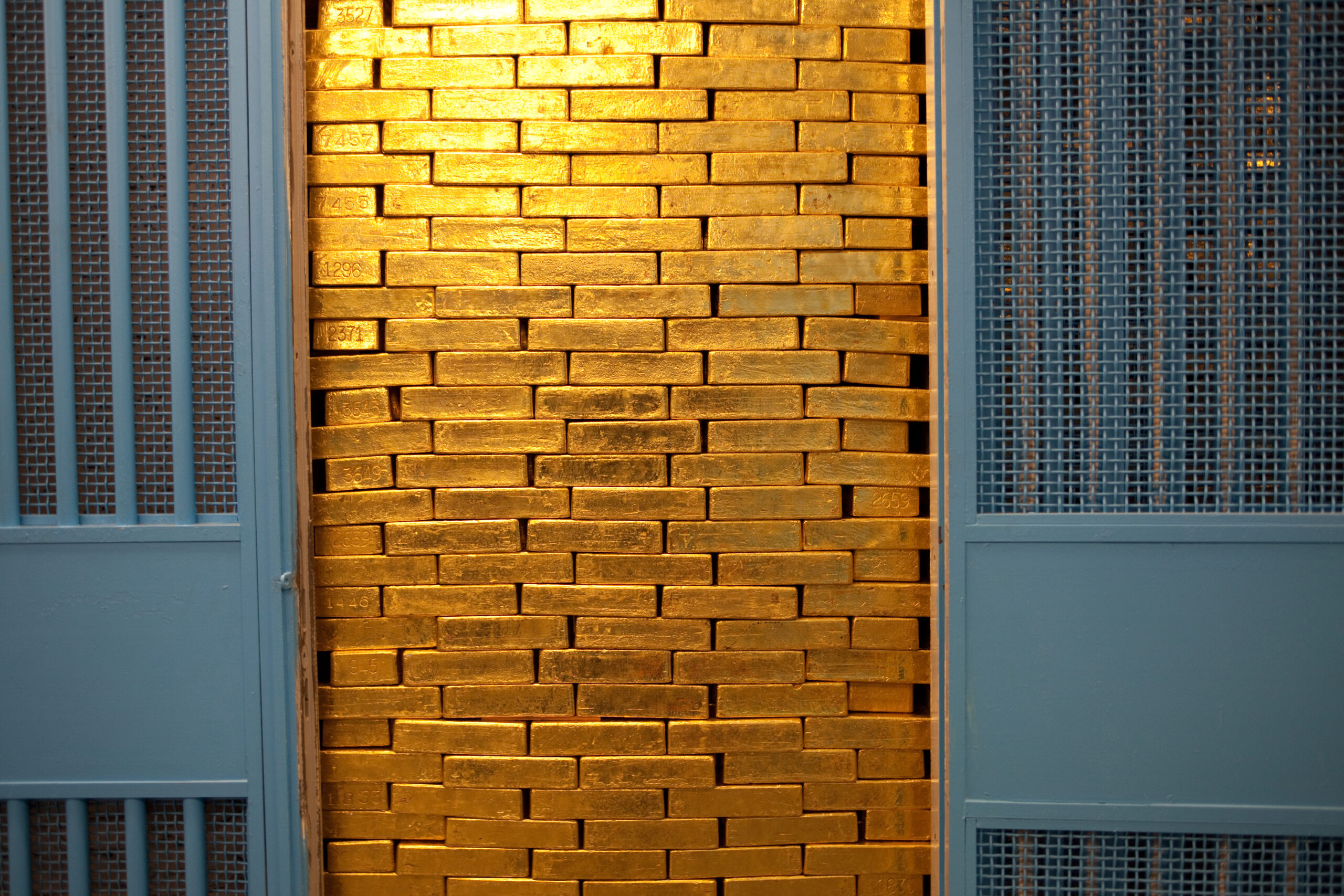
Warsh in Bangkok: a sentence that moved the odds
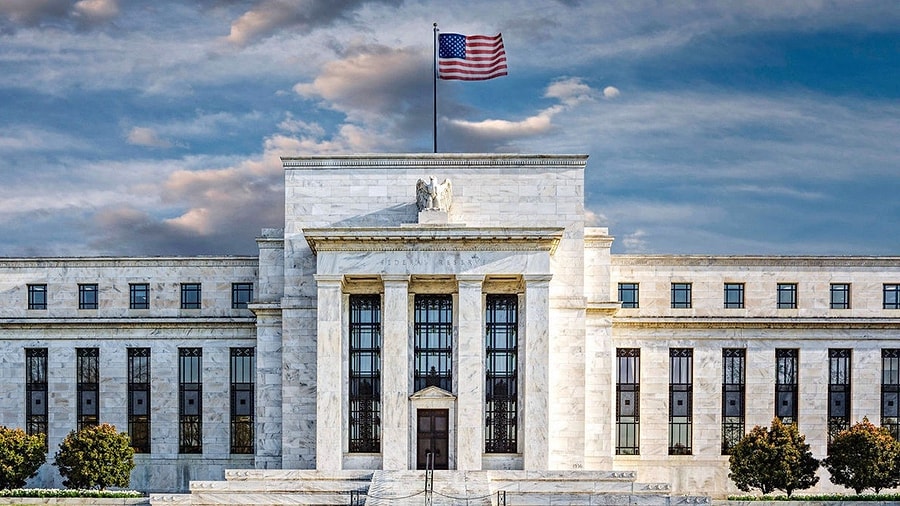
The catalyst was a refusal. Fed Chair Kevin Warsh, at the IMF annual meetings in Bangkok, said he would not prejudge the October meeting — central-bank boilerplate in form, but in context a deliberate cooling of expectations that the Fed would tighten into a war economy. CME FedWatch repriced within the session: the odds of an October 27–28 hike fell to about 15–16 percent, from roughly 27–30 percent before the comments. December, notably, barely moved — a hike there remains priced at roughly 85–92 percent — which tells you the market heard Warsh as rescheduling, not cancelling: the tightening is coming, just not next week. For gold, that distinction is the trade. The metal's enemy is not high rates but rising real yields and a rising dollar; Monday delivered the opposite of both, a dollar at a two-week low and a benchmark yield that refused to climb, and gold's orderly 0.3 percent rise was the market agreeing with its own logic. KCM Trade's Tim Waterer, quoted in Monday's market coverage, made the analyst's version of the point — gold supported by the softer dollar and the shifting odds, with the metal's floor now set by how much tightening December actually delivers.
Oil, the waiver and a strait at half-flow
The cross-current came from crude. Brent eased roughly 1.3–1.9 percent to about $108 a barrel, after touching $110 on Friday; WTI traded around $98.94–100.36. Two forces fought in the oil price and produced that modest decline: the Russia sanctions waiver — Washington's decision, covered in Signal Post News's report on the GOP anger over the Graham Act waiver, to let Russian diesel flow — against physical damage to tankers in the Strait of Hormuz, where Kpler estimates Gulf crude flows are running at about 8.5 million barrels a day against more than 20 million a week earlier. That Kpler figure deserves a pause: a strait carrying less than half its normal crude volume is the definition of a supply shock, and yet Brent fell on the day — a measure of how much diplomatic risk premium the waiver and the summit talk drained out of the market in a single session. Track both curves on the oil price forecast tracker.
Why this matters: what $4,176 actually means
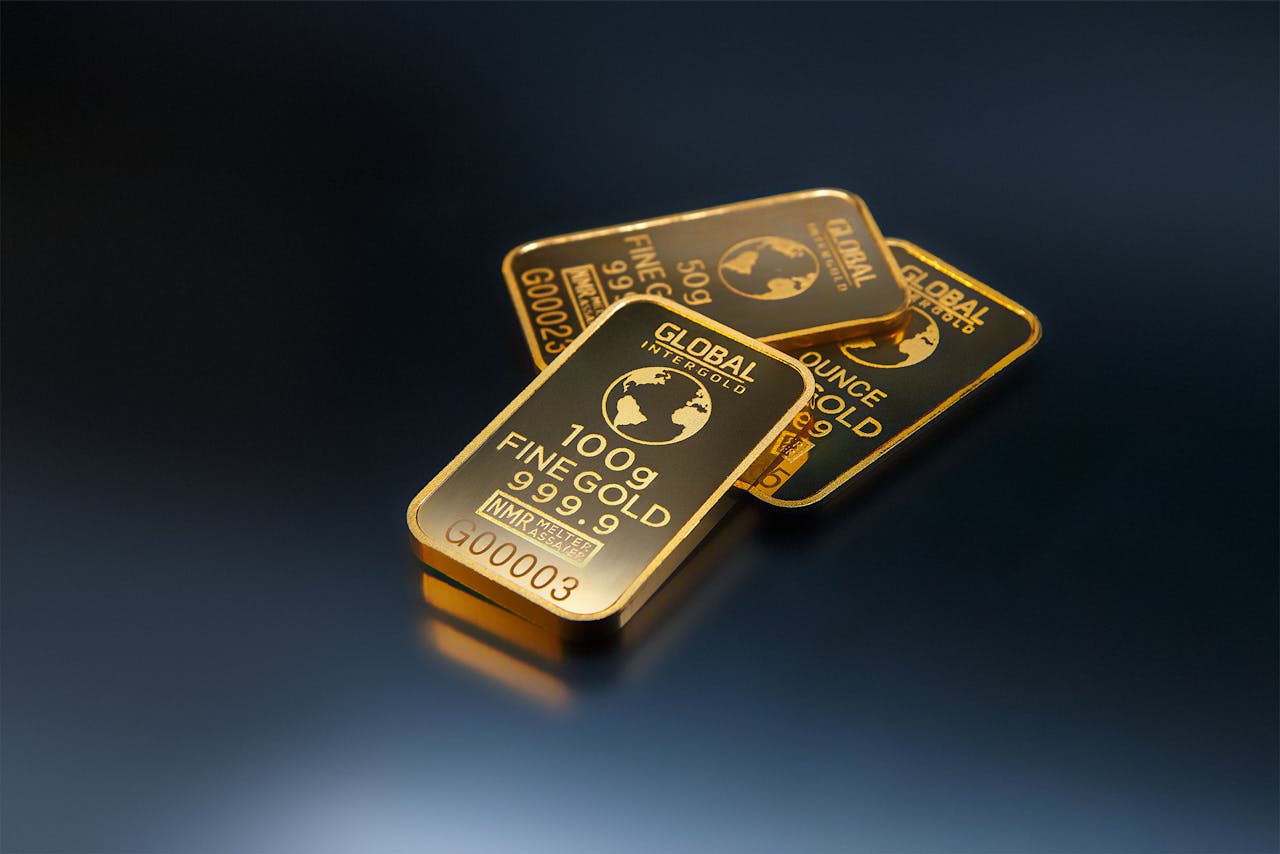
Gold analysis is usually a fight between two charts, and Monday is a good day to be precise about both. Against January's $5,597.23 record, the metal is in a deep correction — the kind that, in previous cycles, marked exhausted bulls and years of sideways drift. Against every other reference point, it remains in a different universe from the one investors inhabited for decades: roughly double its level of the early 2020s, priced as if the post-1971 monetary order's insurance premium had been permanently repriced. Both charts are true; which one governs depends on the real yield. At a 10-year nominal yield of 5.06–5.10 percent, gold's refusal to fall further tells you the market expects inflation or financial stress to keep real returns thin — that is why Warsh's Bangkok sentence mattered more than any mine-supply statistic could. The December pricing, 85–92 percent for a hike, is the number gold holders should watch: if it firms toward certainty while the dollar climbs off its two-week low, $4,176 becomes a waystation. If December softens the way October just did, the correction-from-the-record chart starts looking like a base. Monday resolved none of that. It clarified what the argument is about.
What happens next
The calendar is unforgiving: October 27–28 is eight days away, and every Fed speaker between Bangkok and Washington now moves a 15–16 percent price that has room to run in both directions. Watch the dollar index off 101.84 — a two-week low is a level, and levels break. Watch whether Brent's waiver-driven softness survives the Kpler flow numbers; a second week of 8.5-million-barrel days is not a dip, it is a shortage, and shortages reprice everything including gold's inflation hedge bid. And watch silver, at $57.5–57.7 the board's most volatile citizen: in this cycle it has been the metal that confirms or denies gold's moves a session early. The markets tracker follows all of it through the Fed meeting.
Sources: Market reporting, October 19, 2026 (spot gold ~$4,175–4,180/oz, +~0.3%; December futures ~$4,196–4,198; Friday close ~$4,166; January record $5,597.23; silver ~$57.5–57.7; platinum $1,642.29; palladium $1,129.13; dollar index ~101.84, two-week low; 10-year yield ~5.06–5.10%; Brent ~$108, −~1.3–1.9%, after $110 Friday; WTI ~$98.94–100.36; Kpler Gulf crude flow estimate ~8.5M bpd versus 20M+ a week earlier; KCM Trade analyst Tim Waterer quoted). CME FedWatch, October 19, 2026 (October 27–28 hike odds ~15–16%, down from ~27–30%; December hike ~85–92%). Federal Reserve Chair Kevin Warsh, remarks at the IMF annual meetings, Bangkok, October 2026.