Lead
Israeli airstrikes killed at least three Palestinians across the Gaza Strip on Saturday, September 19, according to Gaza health officials, in the latest breach of the US-brokered ceasefire that has nominally held since October 2025. Among the dead was Basir Al-Bursh, the son of Munir Al-Bursh, the territory's health ministry director-general, killed in a strike near the Jabalia refugee camp in northern Gaza.
What happened
Medics and family members said Basir Al-Bursh was killed in a strike near the Jabalia refugee camp. The Israeli military said it had struck several militants on Saturday, including Basir Al-Bursh, without giving further information about the circumstances of the strike or the basis for identifying him as a militant.
Hamas, the Palestinian militant group that governs Gaza, did not immediately comment on the Israeli military's claim.
Munir Al-Bursh was filmed carrying his son's body, wrapped in a blanket, as mourners rushed it to hospital by ambulance in video obtained by Reuters. "I was with him in the tent, and he said, Dad, they will target us, you and me together, I said that is fine, we will go to heaven together," Al-Bursh said in the video. "He went outside the tent and they struck him." At Al-Shifa Hospital, where mourners gathered, he could barely stand.
The Al-Bursh family has been struck before: Munir Al-Bursh lost a daughter in an Israeli airstrike in December 2023, according to family members and medics, and he was wounded in that attack.
Elsewhere on Saturday, a strike killed a man in Shejaia, east of Gaza City, while another hit a vehicle in the Sheikh Radwan district of Gaza City, killing one person, according to the civil defense service and medics. The Israeli military said the Sheikh Radwan strike targeted a Hamas militant. The blast reduced the vehicle to a mangled wreck.
Why it matters
The killing of the health ministry chief's son — whether or not the Israeli military's militant designation holds — is a striking illustration of how the ceasefire's violations keep reaching civilian life and Gaza's public institutions. The health ministry is the primary source of casualty figures in Gaza, and its director-general losing a second child to an Israeli strike is the kind of event that hardens distrust on all sides.
The strikes also fit a pattern of Israeli operations that the military frames as targeted actions against militants, while Palestinian authorities and medics report the dead as part of a continuing toll on a population that has seen no large-scale reconstruction since the ceasefire began. Each such incident makes the already-stalled negotiations over the ceasefire's next phase — Hamas disarmament and Israeli troop withdrawal — harder to restart.
Internationally, the continued strikes have kept pressure on the ceasefire's guarantors. The United States brokered the October 2025 agreement, and each reported violation tests Washington's willingness to enforce its terms.
The numbers in context
Palestinian authorities say more than 73,000 people have been killed in Israel's assault on Gaza, which began after Hamas-led fighters killed about 1,200 people in southern Israel in October 2023, according to Reuters. Gaza's health ministry, which operates under Hamas authority, does not distinguish between combatants and civilians in its figures.
Since the ceasefire took effect, more than 1,300 Palestinians — mostly civilians, according to the territory's health officials — have been killed in Gaza, while the Israeli military says four Israeli soldiers have been killed in the same period. Saturday's three deaths add to that running total.
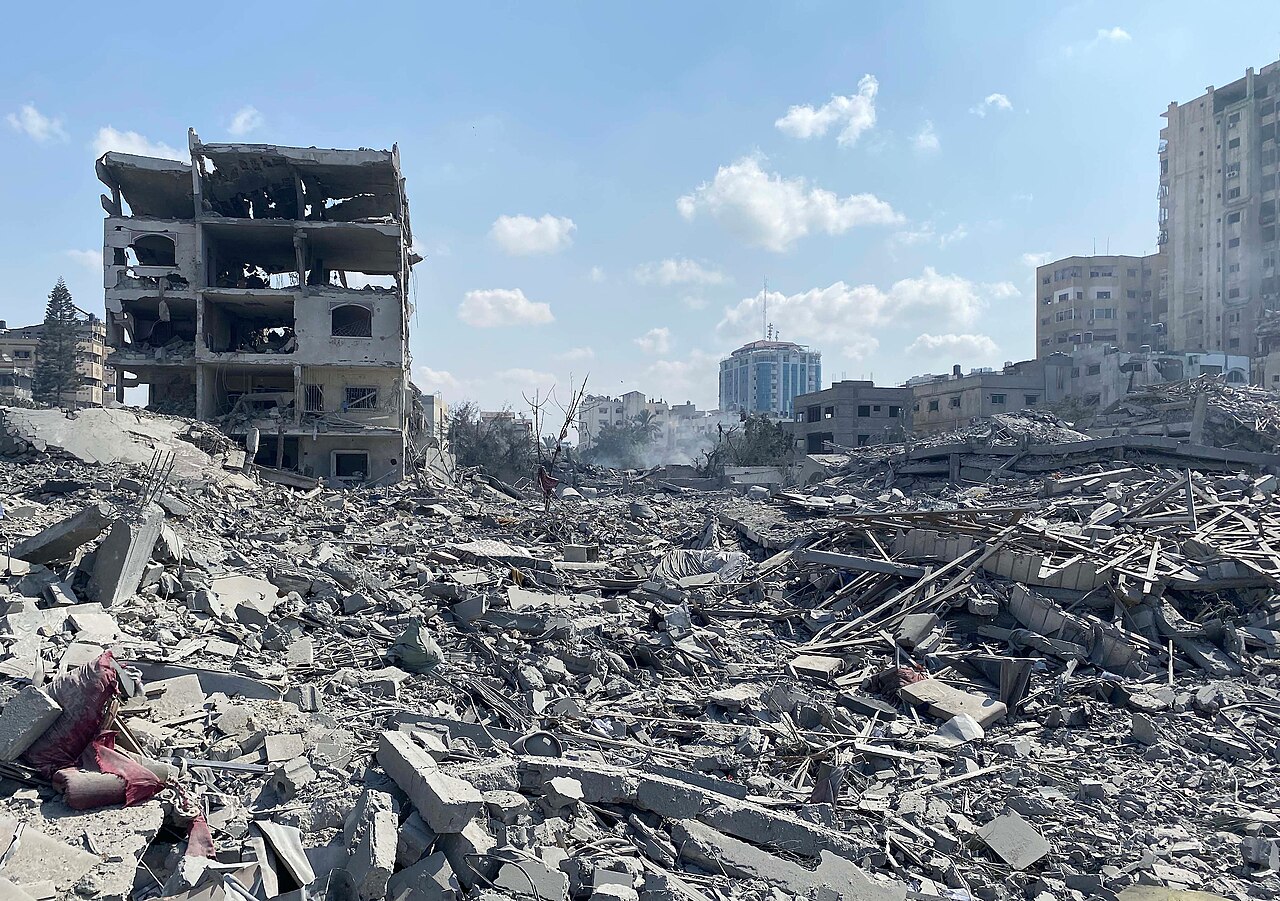
The ceasefire agreement calls for the eventual reconstruction of the territory, but little progress has been made. Israel has said it will not permit large-scale rebuilding until Hamas disarms, and only a handful of excavators have been allowed into Gaza — a restriction that has also complicated rescue work after events like the September 16 collapse of a war-damaged Gaza City apartment building.
What happens next
The immediate question is whether the Israeli military will release further details about the Jabalia strike, including the evidence behind its statement that Basir Al-Bursh was a militant. Without that, the competing accounts — a targeted militant strike versus the killing of a health official's son — will remain unresolved, and both sides will fold the incident into their existing narratives.
More broadly, the strikes continue the steady erosion of the October 2025 ceasefire. With phase-two talks on disarmament and withdrawal at an impasse and Israel's October 27 elections approaching, the political incentives on the Israeli side currently lean toward continued military action rather than restraint. For Gaza's residents, the practical meaning of the truce remains unchanged: the bombing has slowed, but it has not stopped.
Sources and reporting notes
- Reuters, Sept 19 2026: the three strikes, the Israeli military's statements, and the ceasefire casualty toll
- AAP, Sept 19 2026: independently carried Reuters wire account confirming the strike details and Al-Bursh family background
- Virgin Radio Dubai / Reuters, Sept 19 2026: confirming the 1,300+ Palestinian deaths since the ceasefire and four Israeli soldiers killed
Reporting cutoff: September 22, 2026. Death tolls and the identity of the dead are attributed to Gaza health officials, medics, and family members and could not be independently verified. The Israeli military's description of Basir Al-Bursh as a militant comes from its own statement, which provided no supporting detail; Hamas did not comment.