Israeli incursions into Syria
War / Syria / IsraelIsraeli incursions into Syria reached about 280 in September, the highest monthly total recorded in 2026, according to open-source monitoring cited by the UN human rights office. On October 9, UN High Commissioner for Human Rights Volker Türk, speaking through spokesperson Shabia Mantoo, said the continuing military operations were harming civilians across southern Syria.
Track it live: follow territorial changes and incidents on the Syria live map.
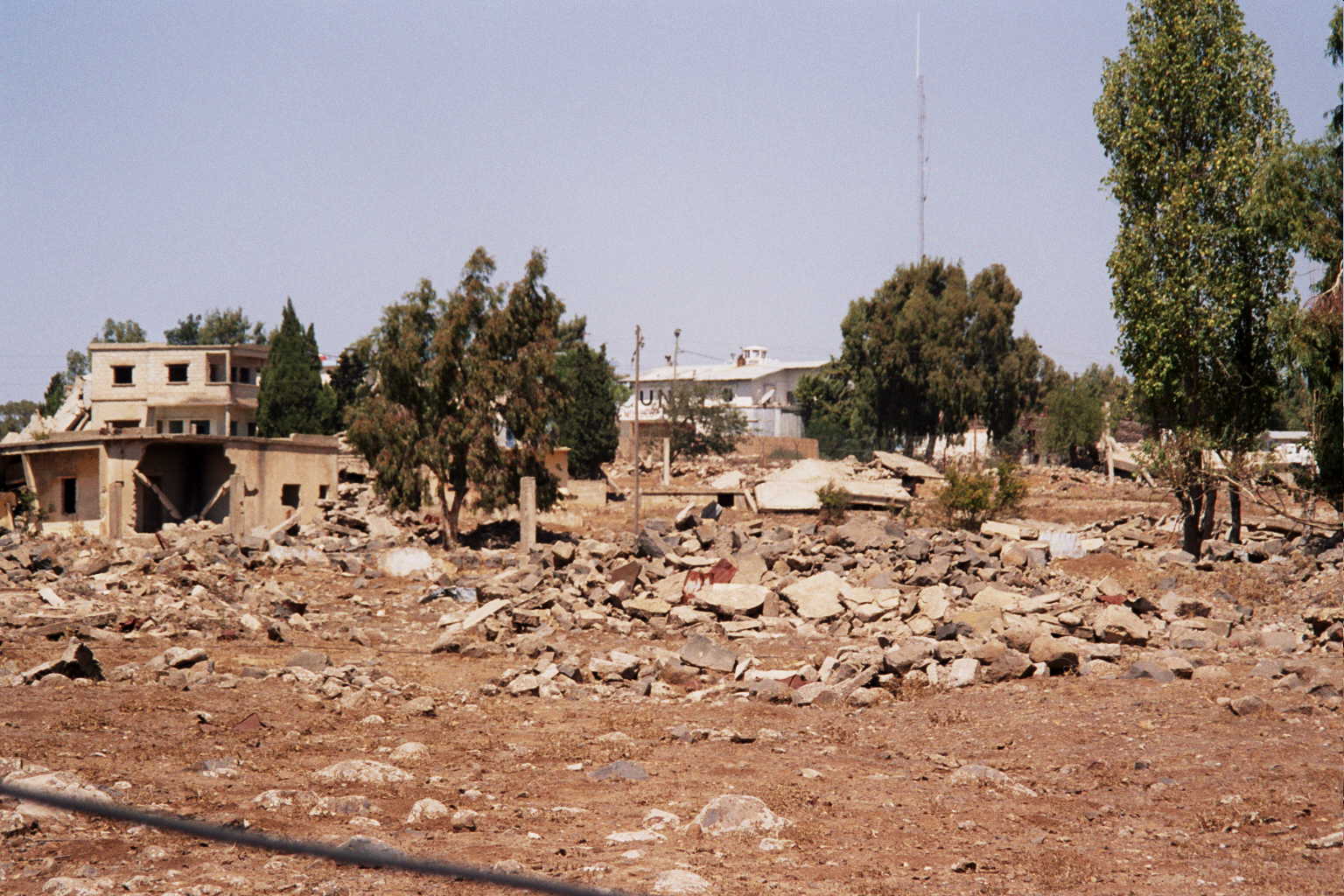
Why this matters: 280 incidents turn a border dispute into a documented pattern
A single Quneitra incursion can be described as a tactical episode. A monthly count of 280 changes the scale of the argument. It works out to roughly nine incidents a day across September, a frequency that suggests cross-border operations are becoming normalized rather than exceptional. The Volker Türk Syria statement therefore moves the story from competing accounts of scattered raids to a pattern formally identified by the UN's top human rights official.
The legal stakes rise because the reported conduct goes beyond patrols. The UN human rights office Syria briefing cited raids on homes, restrictions on movement, harassment and intimidation, arbitrary detention and destruction of livelihoods. Released detainees have also alleged beatings, prolonged forced standing, dogs being set on them, and threats against them and their families. Those are allegations, not findings from a completed judicial process, but they require credible and impartial investigation.
The figure of 49 Syrians in Israeli custody is similarly consequential and carefully qualified. The UN says 49 are believed to remain detained, but it has not independently verified a comprehensive total. That uncertainty is not a reason to dismiss the concern; it is a reason to demand clearer detention records, access to detainees and lawful procedures.
What the UN documented in the southern Syria raids
Shabia Mantoo said the September total came from open-source monitoring. The incidents reportedly included entries into villages, home searches, blocked roads and interference with farming and other livelihoods. Some detainees said they were held for more than a year without being told why and were transferred through several facilities whose locations they did not know.
At least 14 long-term detainees were released during August and September. That is a meaningful reduction for those individuals and their families, but it does not establish a broader de-escalation because new detentions have continued. Türk called on Israeli authorities to stop actions that harass or intimidate civilians in Syrian villages, ensure legal safeguards and human dignity, detain no one without a lawful basis, and investigate promptly and impartially incidents involving civilian deaths or injuries.
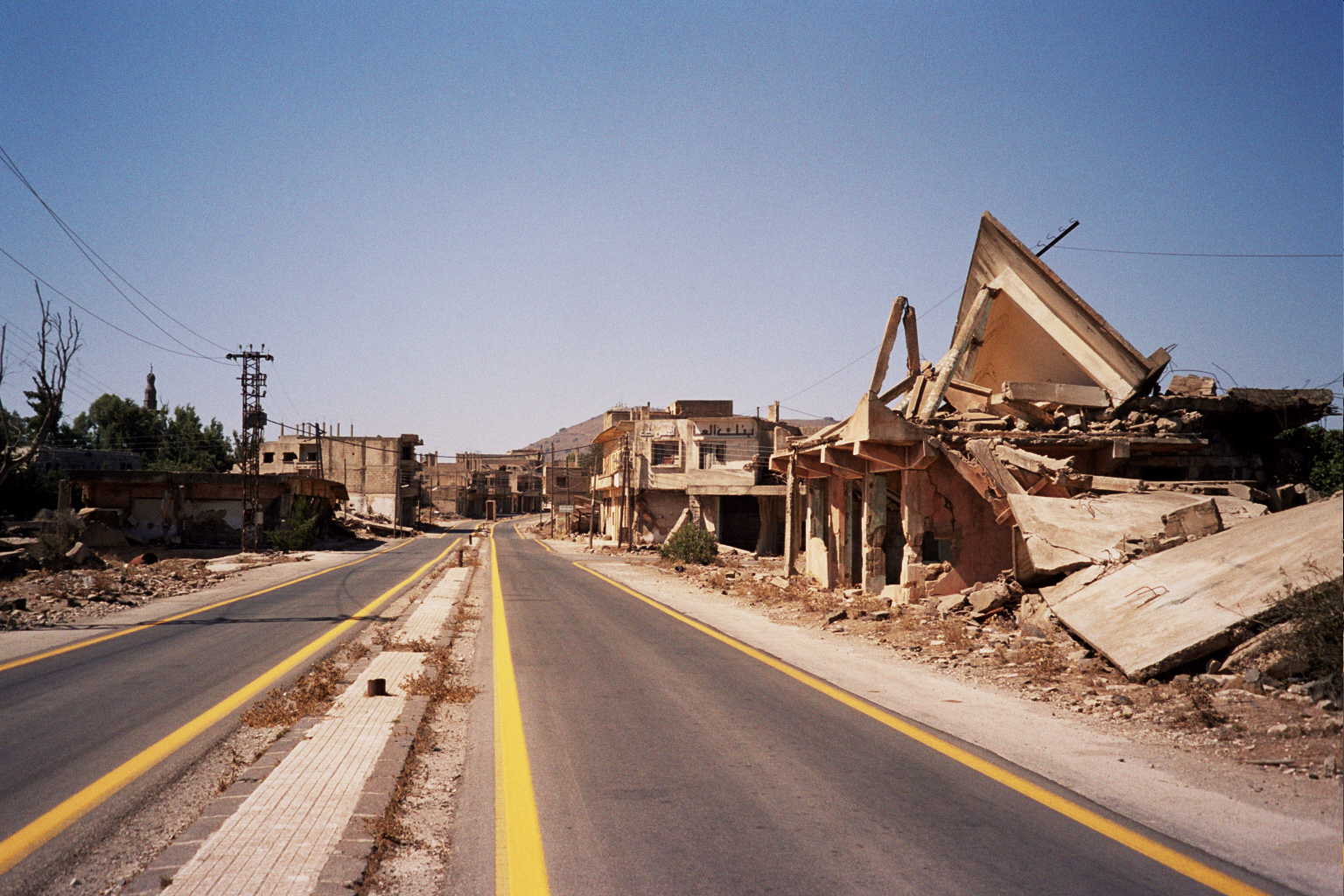
Two Quneitra cases sharpen concern about civilian harm
The reported killing near al-Hamidiyah
OHCHR and October 10 press reporting described the death of 22-year-old Muhammad Ayman al-Dabbour near al-Hamidiyah in northern Quneitra on October 4. The reports say he was walking at night, unarmed and carrying only a phone and money when he was shot, with no warning shots known to have been fired. His body was reportedly handed over about 16 hours later through the Syrian Arab Red Crescent and the UN Disengagement Observer Force, or UNDOF.
The available public record does not provide a completed independent investigation or an Israeli account addressing every detail, so attribution and circumstances should not be treated as finally adjudicated. Levant24, one of the outlets reporting the cases, has an opposition-leaning Syrian perspective; its reporting is useful but should be read alongside the UN account and other sources.
The reported shooting and detention in Jabata
On October 7, Ahmad Kaboul, described as a farmer with a disability, was reportedly shot in the leg during an incursion in Jabata, detained while bleeding and released about 90 minutes later. The case illustrates why an incursion count alone cannot capture the human impact: even a short operation can interrupt work, restrict movement and leave civilians injured or fearful.
Background: from the Assad government's fall to a widened buffer zone
After the Assad government fell in December 2024, Israel expanded operations into the southern Syria buffer zone and took positions including strategic ground on Mount Hermon. Israel said the change created an urgent security vacuum. Its stated rationale has been to prevent hostile forces from entrenching near the Golan Heights and to disrupt weapons transfers to Hezbollah.
Syria's government and the UN take a different view. They say the movement of Israeli forces beyond the established lines violates Syrian sovereignty and the 1974 Israel Syria disengagement agreement. The Security Council has reaffirmed support for UNDOF and called on all states to respect Syria's sovereignty, independence, unity and territorial integrity.
The 1974 agreement created a separation framework after the October 1973 war, with UNDOF monitoring the ceasefire and areas of separation and limitation. The mission can observe, report and liaise, but it does not have the mandate or capacity of a force designed to compel either side to reverse military moves. That constrained role leaves diplomacy carrying most of the burden when Syria buffer zone violations are alleged.
Through 2026, US-brokered contacts have tried to prevent tactical incidents from becoming a wider Israel-Syria confrontation. Those talks matter, but the September record shows that dialogue and operational restraint have not yet converged.
Israel's security logic, Syria's sovereignty claim and civilians in between
Why Israel says forward operations are necessary
From Israel's perspective, southern Syria cannot be treated as a conventional border while armed groups, weapons networks and Hezbollah-linked routes remain possible threats. Forward deployments and raids can provide intelligence, interrupt transfers and deny adversaries positions near Israeli communities. The strongest version of that argument is preventive: waiting for hostile entrenchment could make the eventual cost of removing it much higher.
Why Syria and UN officials reject normalization
Syria argues that security concerns do not erase sovereignty or permit an open-ended military presence. UN officials focus on the cumulative civilian consequences and the danger that frequent operations hollow out the 1974 framework. Critics also warn that repeated incursions can generate the hostility they are meant to contain, especially if villagers experience searches, detention or lost access to land.
Who benefits and who loses
Israel may gain tactical visibility and short-term freedom to act against perceived threats. Syria's central government, still consolidating authority after 2024, loses control and credibility when foreign forces operate repeatedly on its territory. Armed factions can exploit civilian anger for recruitment. The clearest losers are residents who bear restrictions, uncertainty and the risk of injury while having little influence over either side's strategic calculations.
The release of 14 long-term detainees shows that limited corrective steps are possible. Yet continued new detentions point in the opposite direction. Taken together, the numbers suggest a revolving system rather than a durable drawdown.
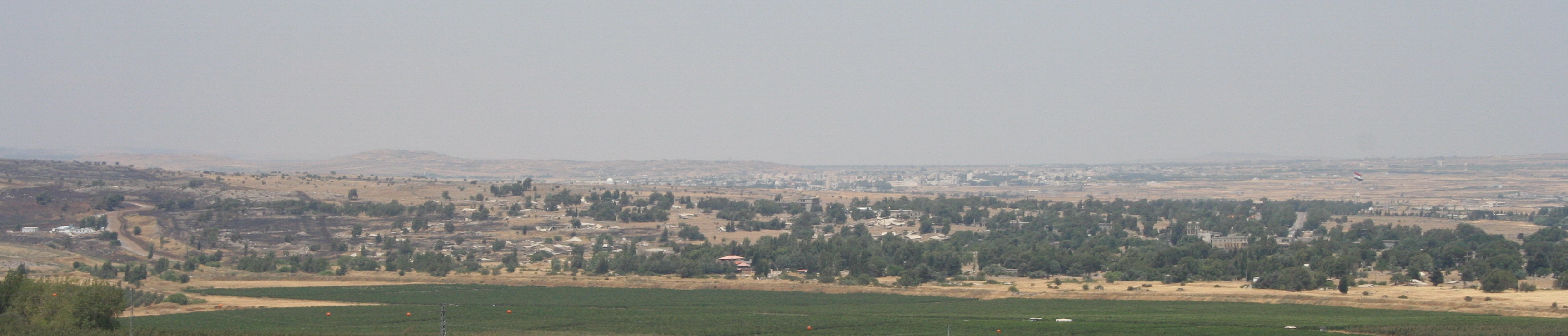
What the numbers mean — and what the UN could not verify
September's 280 incidents are the highest monthly total since the start of 2026. That does not by itself reveal whether each incident involved a large force, violence or detention; open-source event counts can place a brief road incursion and a prolonged raid in the same numerical column. The total is best read as a measure of frequency, not a complete measure of severity.
Even with that limitation, a 2026 monthly high late in the year suggests an upward operational trajectory rather than a stable ceasefire environment. It also creates more opportunities for miscalculation. At an average of about nine recorded incidents per day, local commanders and civilians are repeatedly placed in situations where a misunderstood movement, warning or checkpoint encounter can turn lethal.
The detention figures require the same discipline. Forty-nine people are believed to remain in custody, compared with at least 14 long-term detainees released in August and September. The numbers are not a closed ledger: the UN has not independently verified a comprehensive total, and releases do not show how many new detentions occurred during the same period. Claims of torture and ill-treatment come from released detainees and must be investigated; they should neither be presented as court-proven facts nor ignored because access is limited.
What happens next: three paths for the Syria buffer zone
Continued grinding incursions
The most immediate scenario is more of the same: frequent operations kept below the threshold of full interstate war. That may look manageable from a strategic distance, but the cumulative civilian, legal and diplomatic cost would keep rising. Watch UNDOF reports, road restrictions, home raids and the balance between new detentions and releases.
A US-brokered security arrangement
A narrower arrangement could define patrol limits, notification procedures, weapons exclusion zones and channels for handling suspected transfers. Its success would depend on verification and on whether Damascus can enforce commitments against armed groups. It would also need to preserve the 1974 framework rather than quietly replace it with an indefinite unilateral buffer.
An incident forces escalation
A civilian death, prolonged detention or armed clash could trigger retaliation and pull in outside actors. The reported Quneitra cases show how quickly local encounters can acquire national significance. The warning signs would be heavier weapons, casualties on both sides, movements beyond the current operating area, or a breakdown in liaison through UNDOF and US mediators.
The forward test is whether frequency falls and accountability rises
The record September count gives policymakers a concrete benchmark. A genuine de-escalation should be visible in fewer incursions, restored civilian movement, transparent detention records, additional releases and impartial investigations into shootings and mistreatment allegations. Security assurances will be judged by whether they reduce credible threats without making daily village life a permanent extension of the battlefield.
Israel's concern about hostile entrenchment is real, and Syria's claim to sovereignty is not optional. The durable answer has to address both. If October reproduces September's pace while the detention total remains opaque, the region will be moving away from the calm the 1974 agreement was designed to preserve.
Sources
- Office of the UN High Commissioner for Human Rights — October 9 briefing on incursions, detention and civilian harm
- UN News — record September incursion count and Volker Türk's appeal
- The Insight International — 280 incidents and the reported detention total
- Levant24 — reporting on the Quneitra cases; the outlet has an opposition-leaning Syrian perspective
- FANA / Qatar News Agency — UNDOF and Security Council context
Reporting note: The UN's incursion count comes from open-source monitoring. The 49-person custody total was not independently verified as comprehensive. Accounts of the Quneitra shootings and detainee treatment are attributed because no completed independent investigation was available.