Mecca defence pact Saudi Turkey Pakistan
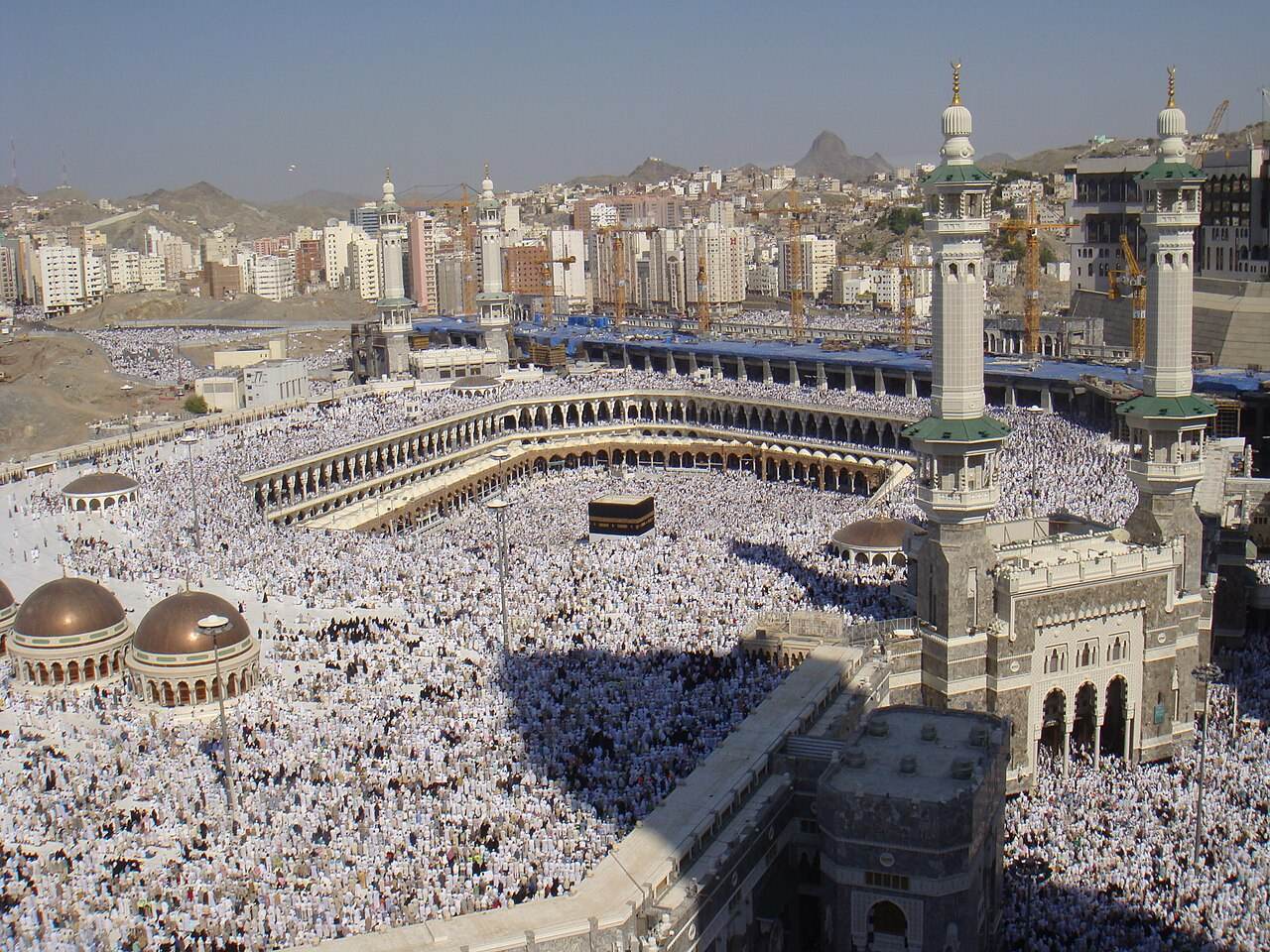
RIYADH — Saudi Arabia, Turkey and Pakistan are preparing an urgent meeting of their military chiefs under the Mecca Joint Defence Agreement, the Saudi Foreign Ministry said, after attacks attributed to Yemen's Houthi movement pushed a young collective-defence promise toward its first operational test.
The foreign ministers of the three states met under the agreement and condemned what the Saudi statement described as attacks on Mecca and other civilian locations. They affirmed the kingdom's right to defend itself and discussed how their chiefs of staff could support Saudi Arabia under a clause declaring that an attack on one signatory constitutes an attack on all three.
That language is formidable. The machinery behind it is not yet public. No joint deployment, target list, rules of engagement or timetable was announced. An urgent meeting can produce real coordination—air-defence coverage, intelligence sharing, logistics or maritime patrols—but it can also remain a political signal designed to deter further strikes. The distinction is the story.
From collective-defence clause to military planning
The immediate pressure came from competing accounts of Thursday's attack wave. The Houthis said they fired dozens of missiles and drones at Saudi targets. Saudi authorities said air defences intercepted six ballistic missiles launched by Houthi forces, after civil-defence alerts were issued for Mecca, Jeddah, Yanbu, Taif and Tabuk. Authorities later said the danger had passed.
Those statements do not establish which weapons reached which areas. Nor do they establish deaths from the missile events: no confirmed death toll from those launches was reported in the material reviewed for this article. Houthi claims about targets and effects, and Saudi statements about interceptions, therefore remain attributed accounts rather than independently verified battlefield findings. Our earlier report on the Riyadh and Yanbu claims separates the announced launches, interception count and unconfirmed impact claims.
The Mecca framework now has to answer practical questions. Turkey can bring NATO-standard planning experience and a substantial defence industry. Pakistan has long military ties with Saudi Arabia and considerable manpower. Riyadh has the financing, bases and immediate threat picture. But a three-country force cannot be improvised by communique: radars must share tracks, commanders must agree who may fire, aircraft need compatible communications, and political leaders must define whether “support” means defence of Saudi airspace or operations beyond it.
Pezeshkian's denial narrows responsibility without resolving support
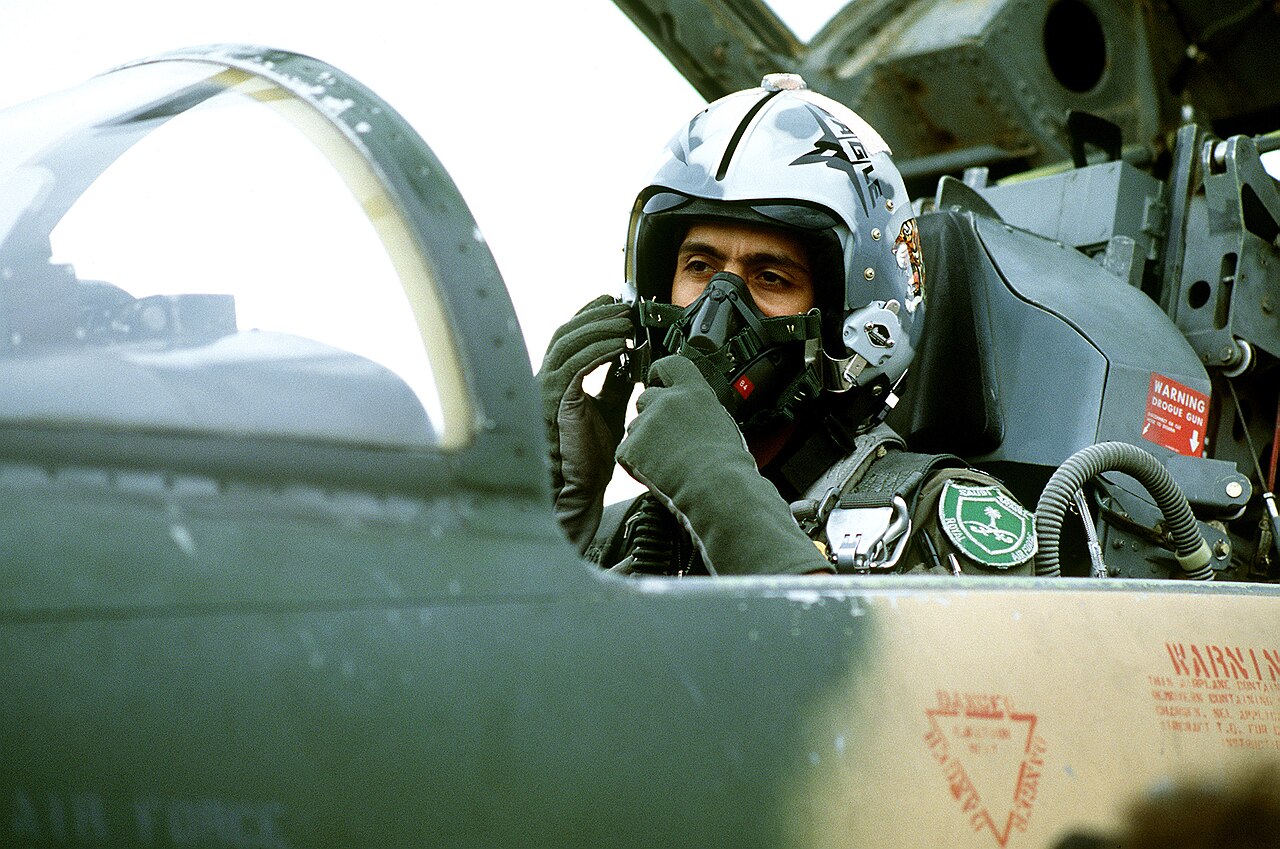
Iranian President Masoud Pezeshkian offered a sharply different account of the network confronting Saudi Arabia. In a September 24 interview on Fox News's Special Report with Bret Baier, he said: “The Houthis are responsible for their own actions. They don't take directions from us.” He acknowledged contacts with regional armed groups while saying there was “no systematic relationship.”
Pezeshkian made a similar distinction over Hezbollah, describing a common framework among groups resisting what he called imposed conditions while distancing his government from directing operations. He said that, to his knowledge since taking office, there had been no contact instructing those groups to engage in the conflict.
Washington, Riyadh and the Saudi-backed Yemeni government describe the Houthis as Iran-backed and point to support from the Islamic Revolutionary Guard Corps. Tehran disputes the inference that assistance equals operational control. Both propositions can contain part of the truth: an armed movement may benefit from money, weapons, training or political backing while retaining autonomy over timing and targets. Public evidence cited here does not prove that Iranian officials ordered Thursday's launches, and Pezeshkian's denial does not by itself disprove material support.
Two chokepoints, one pressure campaign
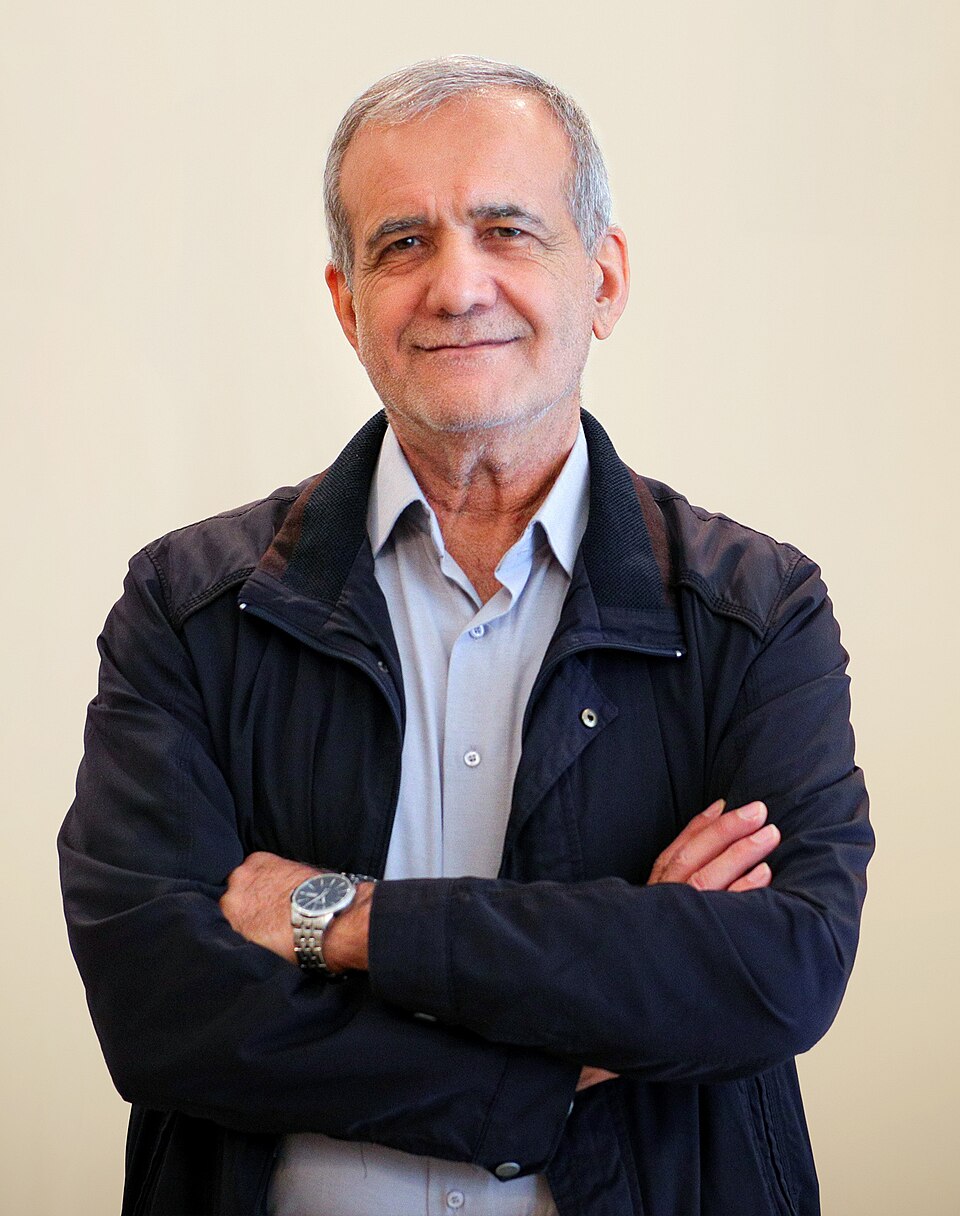
The confrontation is no longer only about the Saudi-Yemeni frontier. Houthi forces have advanced along Yemen's Red Sea coast, according to Reuters and United Nations reporting, while the movement has threatened maritime traffic and Saudi export infrastructure. The Bab el-Mandeb at the Red Sea's southern entrance sits opposite the Strait of Hormuz, where Iran's leverage affects Gulf exports. Saudi Arabia's Yanbu terminal and East-West pipeline are meant to provide an outlet when Hormuz is disrupted; threats to Yanbu reduce the value of that escape route.
Iranian Foreign Minister Abbas Araqchi said Tehran had sent Washington, through intermediaries, a proposal under which fighting would end on all fronts, including Lebanon, within seven days. In return, he said, the United States would lift its blockade of Iranian ports, release frozen Iranian funds and waive oil sanctions. Araqchi said Hormuz would reopen on the last day and talks on other issues, including the nuclear file, would then begin. The proposal is an Iranian account of terms, not an accepted agreement; a senior Iranian official told Reuters that Tehran was reviewing Washington's response.
That diplomatic track gives every actor a reason to shape conditions before negotiations harden. The Houthis can raise the cost of pressure on Iran without publicly accepting Iranian command. Saudi Arabia can invoke the Mecca pact to show that attacks will widen the coalition it faces. Turkey and Pakistan can promise solidarity while reserving judgment on the scale and geography of any military role. The expanding U.S. sanctions campaign against Iran explains why air routes, oil waivers and frozen funds now sit beside missiles and drones in the same bargaining space.
The civilian ledger is already larger than the alliance debate
United Nations reporting places the renewed escalation inside a deepening humanitarian crisis. The U.N. refugee agency said more than 130,000 people had been displaced inside Yemen during September and projected that another 100,000 could be forced from their homes within three months. More than 3,000 people had crossed the Red Sea by boat toward Africa; the agency said that figure could reach 10,000 the following month as calmer seas made departures easier. Its Yemen response plan was less than 20% funded before the latest fighting.
U.N. High Commissioner for Human Rights Volker Türk said his office had documented 32 civilians killed since August, including 15 children and three women, and 125 people killed or wounded across the latest flare-up. His office did not assign every casualty to one party. Houthi spokesperson Mohammed Abdulsalam challenged the U.N. office's impartiality and accused it of overlooking what he described as Saudi attacks on public facilities; Reuters said those allegations were not independently established in the statement.
The figures belong to the wider Yemen fighting, not specifically to Thursday's missile events in Saudi Arabia. That distinction matters. Conflating a documented regional civilian toll with unverified claims about one launch cycle would obscure both the uncertainty around the strikes and the scale of suffering already measured elsewhere.
The front around Taiz and the Aden road remains especially consequential because it connects government-held areas and shapes access toward the coast. Signal Post News's account of government forces' claim that they repelled a Houthi push there shows how local road battles can decide whether either side can sustain a broader campaign.
Who gains—and who carries the risk
Saudi Arabia gains a wider deterrent signal and the prospect of shared air-defence burdens. It also assumes the risk that invoking collective defence creates expectations it cannot satisfy without escalating inside Yemen. If attacks continue after the chiefs meet, the pact's credibility will be tested publicly.
Turkey and Pakistan gain influence in Gulf security and closer access to Saudi political and defence partnerships. Their downside is entanglement: a limited contribution may look symbolic, while a combat role could complicate relations with Iran and create domestic questions about an open-ended war.
The Houthis can claim they have forced three major Muslim powers into emergency consultations and imposed costs on Saudi defence. But attacks associated with civilian locations or energy infrastructure may broaden the coalition against them and weaken arguments that the campaign is confined to Yemen.
Iran benefits from plausible distance if regional partners act autonomously, but its influence becomes harder to convert into restraint. If Tehran cannot halt Houthi fire, negotiators may question the value of its assurances; if it can, Pezeshkian's denial of direction becomes more politically awkward.
Civilians, shippers and energy consumers carry the clearest downside. Yemenis face displacement and renewed front-line violence. Crews and freight customers face higher insurance and routing costs. Importers pay when risk premiums rise around both Hormuz and Bab el-Mandeb.
Four scenarios to watch
- Defensive integration without a new offensive. The chiefs agree on intelligence fusion, interceptor resupply, radar coverage and patrols. This is the most contained use of the pact and the easiest for all three governments to explain as defensive.
- A limited coalition role inside Yemen. Turkey or Pakistan supplies advisers, logistics or surveillance while Saudi-backed Yemeni units intensify operations. That could pressure Houthi supply lines, but it would increase exposure to retaliation and civilian-harm allegations.
- Diplomacy freezes the military test. Progress on Araqchi's Hormuz proposal or a broader U.S.-Iran pause reduces incentives for further launches. The pact still gains symbolic value without revealing whether its members would fight together.
- More strikes force a binary choice. A verified hit on a major city, holy site or oil facility would make ambiguity difficult to sustain. The three powers would have to translate “an attack on one” into a defined response—or accept damage to the pact's credibility.
What happens next
The first test is the chiefs-of-staff agenda: who attends, whether a joint operations mechanism is announced, and whether support is limited to Saudi territory. The second is evidence from the battlefield—debris, independently verified damage, satellite imagery and casualty reporting rather than communiques alone. The third is diplomacy: whether Washington responds to Iran's conditions and whether Tehran can demonstrate influence over escalation without conceding command.
The Mecca pact has already served one purpose by turning an attack on Saudi Arabia into a three-capital consultation. It has not yet shown that consultation will become a coordinated military response. Pezeshkian's denial sharpens that uncertainty rather than resolving it: the region is confronting a network in which assistance, alignment and control are related, but not interchangeable.
Sources and reporting notes
- Reuters: allies unite behind Saudi Arabia as Houthis step up attacks
- Washington Examiner: Pezeshkian says Iran has no “systematic relationship” with the Houthis
- Reuters: U.N. rights chief says civilians are bearing the brunt in Yemen
- Reuters: more Yemenis expected to flee as fighting intensifies
- Fox News, Special Report with Bret Baier, September 24, 2026, as quoted in Reuters and Washington Examiner reporting.
Reporting note: Government and battlefield statements are attributed to the party making them. The chiefs-of-staff meeting was announced but its time, force commitments and rules of engagement were not public at publication. No deaths were confirmed from the Thursday missile events described in this article.