Russia plague second death
The russia plague second death claim is not established fact. This report separates what was alleged, what has been denied and what remains independently unresolved.
The claim: a second victim has died
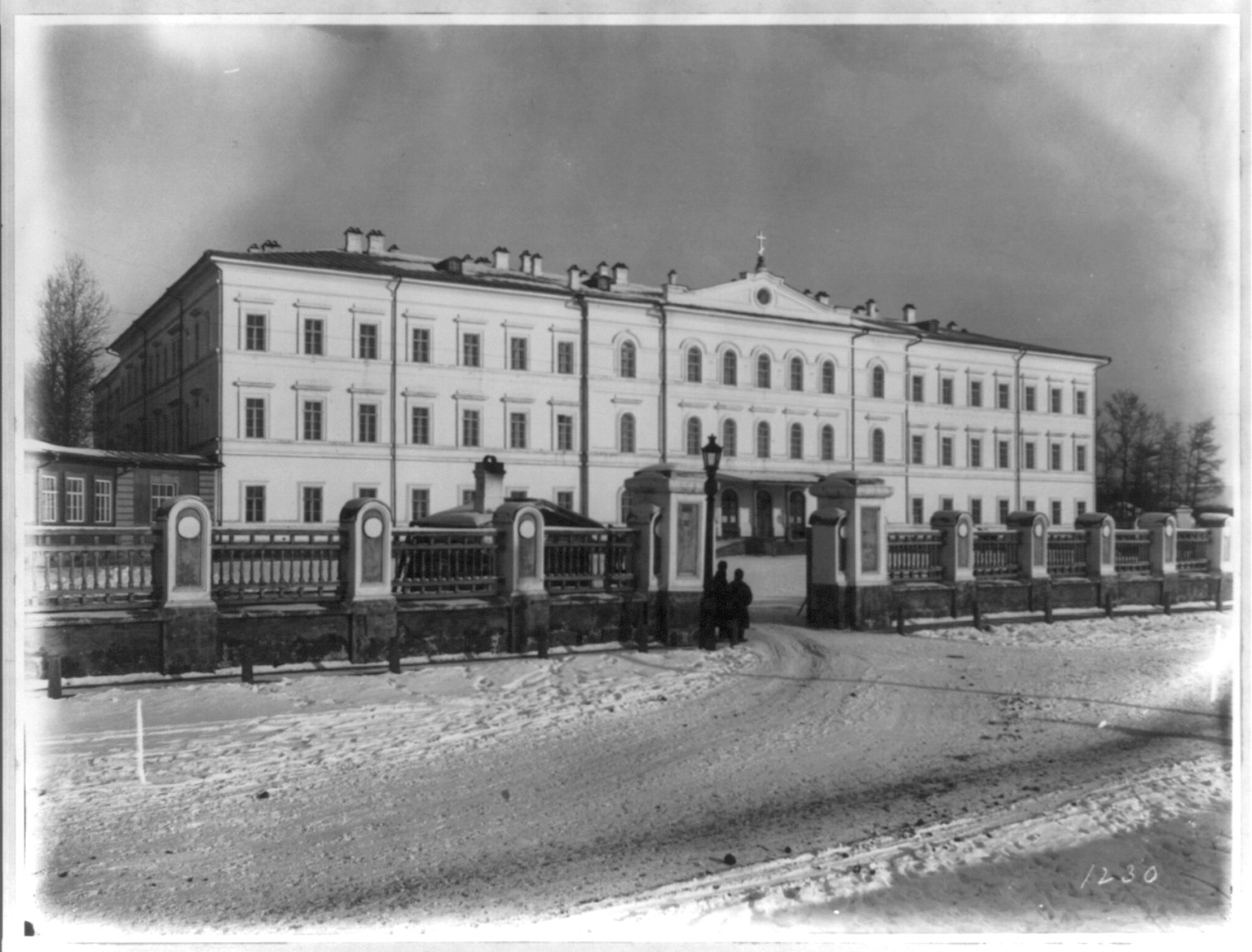
The allegation reached an international audience early Tuesday. A Daily Mail US social-media post at about 4 a.m. Eastern time said Russian media were reporting a second death. Insider Paper followed with a “NEW” post carrying essentially the same claim. Tens of thousands of people saw the posts while the story was still moving faster than its sourcing.
Neither post named the supposed victim. Neither identified the hospital where the person allegedly died, the Russian outlet that originated the report, a treating physician or a public record. The sourcing remained at the level of “Russian media” and “report says.” That does not make the claim impossible; it makes it unverified. In fast-moving public-health reporting, the absence of a name or institution is not a technicality. It prevents other reporters from checking the account against a family, a hospital or an official death record.
The claim also arrived in unusually fertile ground. Officials have quarantined hospitals, monitored contacts and deployed senior health authorities while maintaining that no plague case has been confirmed. To readers already suspicious of that contrast, a second death sounded like the missing fact that made the security response make sense. But a claim that fits a theory still requires evidence.
The pushback: 'Not correct'
The strongest public rebuttal was also the shortest. EXFIL, a specialist tracker relaying Irkutsk Live's assessment, replied: “Not correct.” LiveOSINT24 later noted that material repeating the claim had been redacted. Those interventions did not prove that no death occurred, but they showed that people monitoring the local information stream were not treating the report as settled.
Reuters, meanwhile, reported that Russian officials had found no new cases among staff at the Irkutsk Anti-Plague Research Institute. Kremlin spokesman Dmitry Peskov told the public to ignore rumors and rely on Rospotrebnadzor, Russia's federal consumer-health watchdog. The official line remains that the known death involved pneumonia of undetermined cause, that plague has not been confirmed and that there was no laboratory accident.
That leaves a narrow but important distinction. Officials have denied a plague outbreak and reported no new institute cases; those statements weigh against the viral claim. Yet a general denial is not the same thing as a documented account of the unnamed person social-media posts said had died. The burden remains with those making the second-death claim to provide a name, hospital, medical finding or attributable source.
Why this matters
Pneumonic plague can spread from person to person through respiratory droplets during close contact. Untreated, it can kill within roughly 18 to 24 hours after symptoms become severe. A confirmed second fatality linked to the first patient would therefore transform the story from a disputed occupational case into a potential chain of transmission requiring a wider investigation.
The setting raises the stakes. The first patient worked at an institute that handles dangerous pathogens, including Yersinia pestis. Kazakhstan, Uzbekistan and Kyrgyzstan tightened border health checks after the Irkutsk reports. The United States said the State Department was monitoring developments with the CDC; President Donald Trump offered assistance, while Secretary of State Marco Rubio urged transparency. The WHO said contacts had been identified and none was symptomatic at the time of its assessment.
There is a high cost to error in either direction. Repeating an unsupported death can intensify panic, stigmatize a region and undermine trust in accurate warnings. Suppressing a real death can delay testing, treatment and international coordination. That is why skepticism is not dismissal and concern is not proof.
How we got here: the Shipilova case
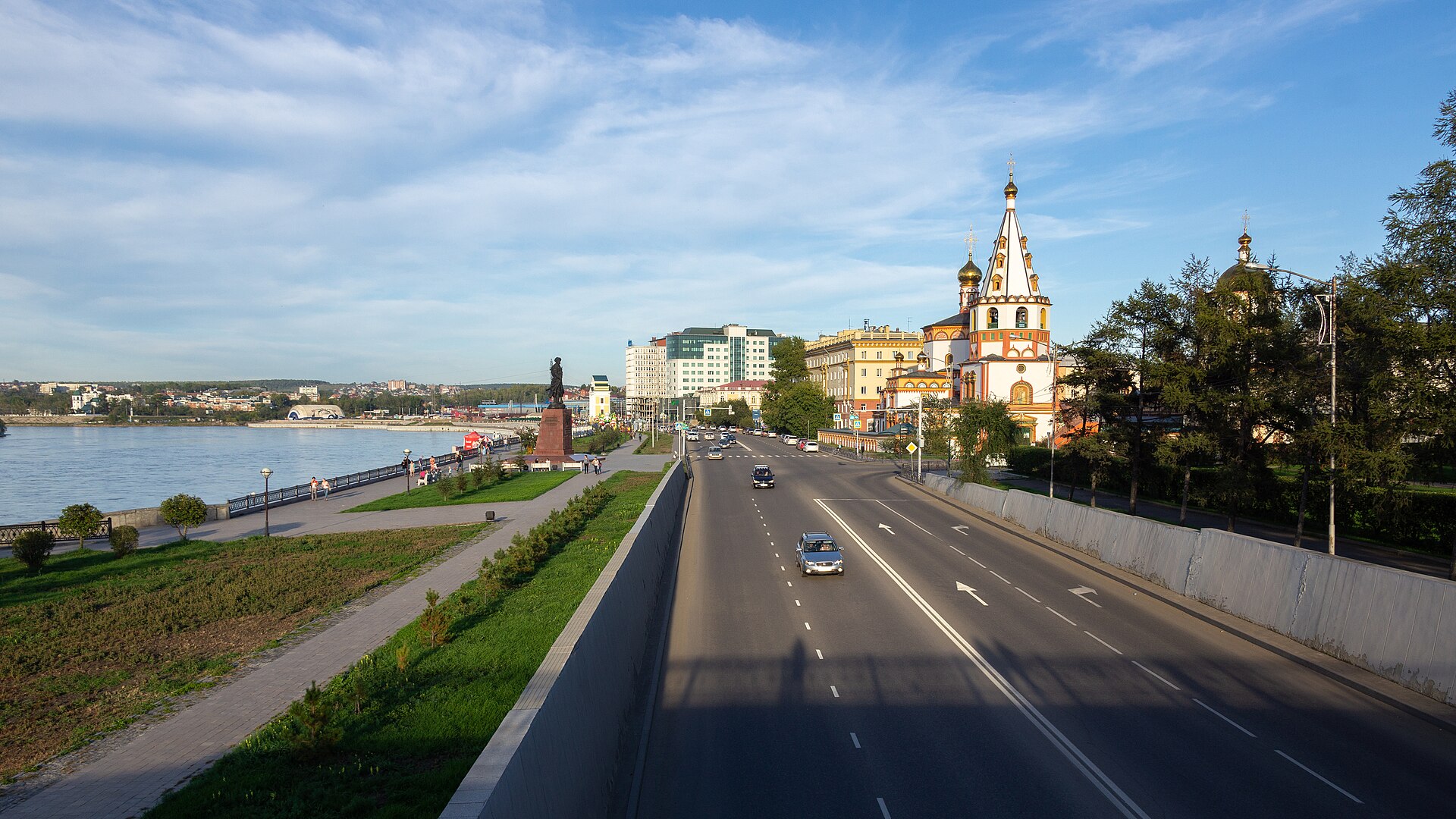
Darya Shipilova, 28, a laboratory technician at the Irkutsk Anti-Plague Research Institute, became ill with severe pneumonia and died on October 1 or 2, according to the accounts gathered in our earlier report on the lab worker's death. People of Baikal alleged that a test tube containing Y. pestis broke at the institute on September 25. That account remains unconfirmed.
Shipilova was hospitalized in Shelekhov. The head of neighboring Buryatia initially wrote that she had “died of plague,” then edited the wording to say she “may have died of plague.” On October 4, Rospotrebnadzor described her illness as “pneumonia of undetermined cause,” said no microorganism acquired through her professional duties had been established and denied that a laboratory accident occurred.
Governor Igor Kobzev described the epidemiological situation as stable. On the ground, however, the response was unmistakably serious: roughly 200 contacts were placed under observation; hospitals were quarantined; events were postponed; workers at the Shelekhov aluminium smelter were told to wear masks; and Rospotrebnadzor chief Anna Popova traveled to the region.
Epidemiologist Michael Favorov called the official explanation “laughable” and said: “The public will believe the test-tube story. We will not be told what really happened.” That judgment captures the credibility problem confronting Moscow, but it does not itself establish the tube account or a second death. Expertise can identify inconsistencies; it cannot replace a laboratory result.
The facts beneath the fear: plague, plainly stated
Pneumonic plague symptoms
Plague is caused by the bacterium Yersinia pestis. The pneumonic plague symptoms can begin with fever, weakness and headache before advancing rapidly to cough, chest pain, shortness of breath and sometimes bloody or watery sputum. Because the illness can deteriorate quickly, suspected exposure plus symptoms is a medical emergency.
Is plague contagious?
Only pneumonic plague normally spreads person to person, through respiratory droplets during close, direct contact. Bubonic plague is generally acquired through infected flea bites or contact with infected animals; it does not ordinarily pass between people. Patients with pneumonic plague usually cease being contagious after about 48 hours of effective antibiotic therapy, which is why early isolation and treatment matter.
Can plague be cured?
Yes. Modern antibiotics are effective when treatment begins promptly. A treated-case fatality estimate around 17 percent is still serious, but it is far below the near-certain fatality associated with untreated pneumonic disease. Our guide to can plague be cured explains the treatment window and why delay, not a lack of medicine, is the central danger.
Why Siberia remains part of the plague map
Y. pestis persists in wild-rodent reservoirs across parts of Siberia, Mongolia and Central Asia. That ecological reality is why anti-plague institutes and field-surveillance teams exist. A naturally acquired infection and a laboratory exposure are both biologically plausible. Determining which occurred requires microbiology, exposure tracing and transparent documentation.
Two narratives, one region
The Russia plague cover-up allegation — and why people believe it
The cover-up case rests less on one piece of proof than on a pattern of official behavior: shifting language about Shipilova's diagnosis; the Buryatia leader's edited statement; a visible quarantine response paired with assurances that conditions are stable; and a political history in which Russian institutions have often released sensitive information slowly.
For those who accept this narrative, the claimed second death is evidence that the containment perimeter failed and that authorities are minimizing the consequences. The argument is understandable, especially when hospital restrictions and mask measures appear more dramatic than the public explanation. Its weakness is evidentiary: suspicion explains why people believe the claim, not whether the claim is true.
The misinformation dynamic — and why skeptics push back
The skeptical account begins with the missing basics: no victim, no hospital, no attributable original report. It adds the “Not correct” response from trackers, the redactions by outlets and Reuters' report that officials found no new cases among institute staff. In this reading, each new post copied the authority of the previous one until repetition looked like confirmation.
Redacting an unverified claim is not evidence of censorship by itself. It can be the responsible correction of reporting that moved too quickly. Conversely, an official denial does not automatically prove misinformation. The deciding evidence remains independent documentation, not the number of accounts repeating or deleting a post.
What the numbers actually tell us
The public record supports three numbers: one death, roughly 200 people observed and zero confirmed secondary cases. The first death is Shipilova's. The observation total describes the size of contact tracing, not the number of infections. Zero confirmed secondary cases is the most reassuring figure, but it is a finding within a monitoring window, not a guarantee about what every later test will show.
Both competing readings can be made to fit those numbers. Officials can say the broad response worked and no onward spread was found. Skeptics can say the scale of restrictions suggests authorities feared more than they acknowledged. Neither reading answers the second-death question.
Evidence that would move the needle is straightforward: the name of a second victim, a hospital record, an attributable medical source, a laboratory result or a WHO statement confirming another case. Until one of those appears, the correct status is disputed and unconfirmed.
Who benefits, who loses
If a second death is confirmed, Russian health authorities would face urgent questions about the exposure chain, the timing of warnings and the adequacy of biosafety controls. Officials who issued broad denials would lose credibility, while neighboring countries could justify stronger screening. Residents and health workers would bear the practical cost of tighter restrictions and renewed fear.
If the claim collapses, outlets that repeated it without names or documents will have given Moscow a useful example of irresponsible foreign coverage. That could make audiences less receptive to later, well-sourced reporting and allow officials to dismiss legitimate questions as rumor. The people of Irkutsk lose in that scenario too: panic does not become harmless merely because the underlying claim is false.
The public interest is not served by choosing the most comforting narrative or the most alarming one. It is served by maintaining a visible boundary between a confirmed death, a disputed claim and the unanswered questions between them.
What happens next
There are three plausible paths. First, a named case or laboratory finding confirms another death, triggering a wider outbreak investigation and a new contact-tracing map. Second, no supporting record emerges and the allegation becomes a case study in how vague sourcing, social-media velocity and public distrust can manufacture certainty. Third — and for now most likely — the story remains in limbo while officials monitor contacts and release only limited information.
The WHO monitoring window matters because pneumonic plague develops quickly. A continued absence of symptoms and negative tests among exposed people would make sustained person-to-person transmission progressively less likely. A new illness in a traced contact would demand rapid diagnostic confirmation and transparent reporting.
The signals to watch are concrete: a WHO or CDC statement on the alleged second death; a named hospital record; publication of Shipilova's laboratory results; and whether quarantines expand or wind down. Those developments will reveal more than anonymous posts or blanket assurances.
For now, one tragedy is confirmed, a second is alleged, and the space between them is being filled by distrust. Responsible coverage should not erase that distrust. It should refuse to confuse it with proof.
Sources and reporting basis
- Insider Paper and Daily Mail US posts relaying Russian-media claims of a second death, October 6, 2026.
- EXFIL / Irkutsk Live rebuttal and LiveOSINT24 redaction note.
- Reuters reporting on the Irkutsk institute response, official case count and Kremlin remarks.
- Rospotrebnadzor statements on Shipilova's diagnosis, laboratory safety and contact monitoring.
- World Health Organization and U.S. Centers for Disease Control and Prevention plague guidance.
This is a fixed October 6, 2026 report. The alleged second death was not independently verified at publication.