can plague be cured
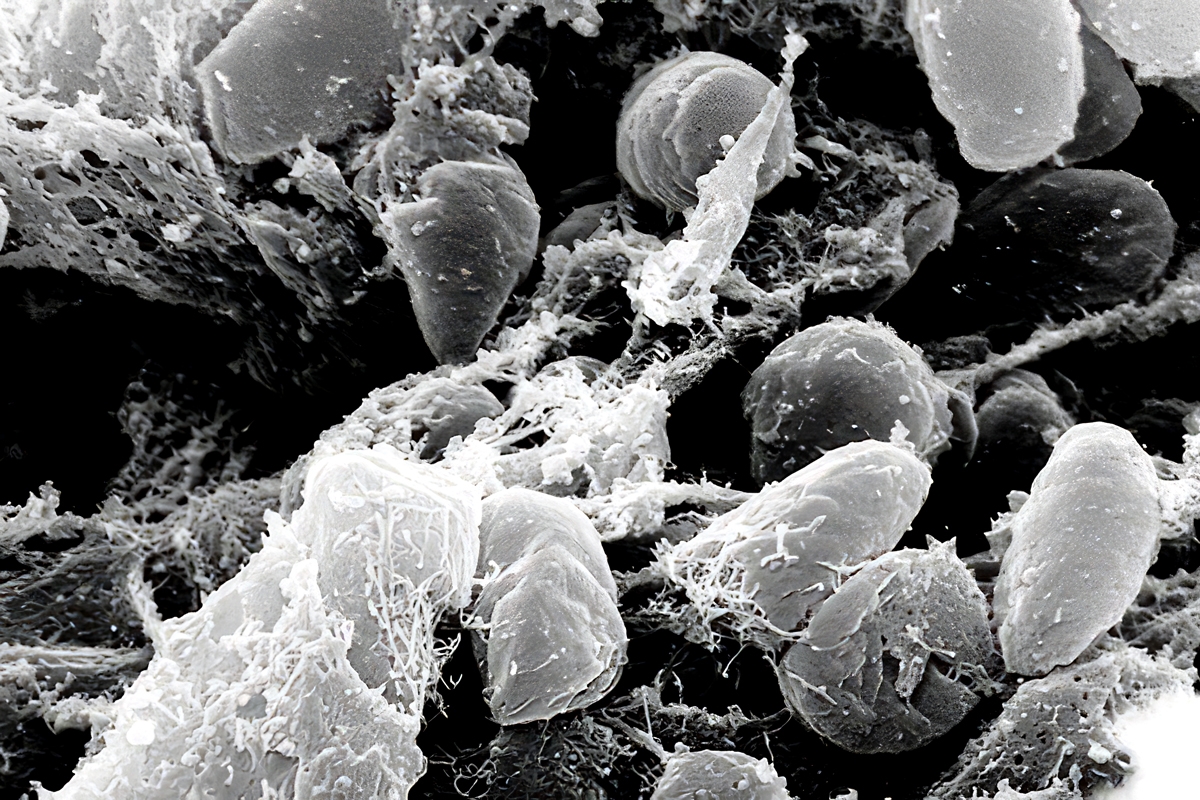
IRKUTSK, Russia — Can plague be cured? Yes. Modern antibiotics can cure plague when treatment begins early, and doctors do not need to wait for every laboratory result before starting therapy when the disease is strongly suspected. That is the crucial context for the death of a young researcher at an anti-plague institute in Irkutsk and the roughly 200 people reported under observation after the incident.
Plague remains a medical emergency, not an untreatable relic. The infection can advance with extraordinary speed, especially when it reaches the lungs or bloodstream. But it is caused by a bacterium, Yersinia pestis, and the drugs used against bacterial infections have transformed the prognosis. In modern care, the question is less whether a cure exists than whether the right antibiotic reaches the patient soon enough.
That distinction matters during an outbreak scare. The Irkutsk laboratory death and contact-monitoring operation deserve serious scrutiny. Yet observation, rapid testing, preventive antibiotics for qualifying exposures and immediate treatment of symptoms are precisely the tools that make a modern plague emergency fundamentally different from the Black Death.
It also explains why a frightening headline should not be confused with a runaway pandemic. Our separate plague-versus-COVID analysis shows that plague is far deadlier in an untreated individual but usually much easier to interrupt at population level. Treatment is a major reason.
Plague treatment, survival and control
Why this matters: antibiotics rewrote the outcome
Before the antibiotic era, a patient’s odds were governed by the form of plague, the dose of bacteria, general health and chance. Physicians could offer supportive care, quarantine and crude attempts to manage symptoms, but they could not directly eliminate the organism. That is why medieval plague could become a civilization-level catastrophe and why the name still carries so much psychological force.
Modern treatment changes the causal chain. Antibiotics reach Y. pestis, suppress its growth and give the immune system time to recover. Public-health teams can also treat people before illness develops after a credible exposure. The same bacterial vulnerability that helps an individual patient also helps contain a cluster: a treated pneumonic patient becomes less likely to transmit, while protected contacts are less likely to become the next cases.
The benefit is not evenly distributed. People who can reach a clinic quickly, receive an accurate exposure history and start an effective drug have the strongest advantage. Delayed recognition, limited hospital capacity, shortages and long travel distances can still turn a treatable disease into a lethal one. “Curable” therefore describes the power of the medicine; it does not erase the importance of access or speed.
How is plague treated? The CDC antibiotic list
The CDC’s 2021 plague guidelines name two broad first-line groups for all clinical forms: fluoroquinolones and aminoglycosides. The fluoroquinolone options include ciprofloxacin, levofloxacin and moxifloxacin. The aminoglycosides include streptomycin—the drug historically associated with the first successful modern plague treatment—and gentamicin, which is widely used in contemporary care.
Doxycycline is first-line therapy for bubonic and pharyngeal plague and an appropriate alternative for pneumonic or septicemic disease. The recommended treatment duration is generally 10 to 14 days. Doctors select the drug, dose and route according to the form and severity of illness, the patient’s age, pregnancy status, kidney function, ability to take oral medicine and other clinical factors.
A critically ill patient may need an intravenous regimen, oxygen, fluids, blood-pressure support or intensive care. A stable patient with uncomplicated bubonic disease may be managed with an effective oral option under medical supervision. Severe illness can justify more than one active drug at the outset, while final culture and susceptibility results can refine the plan.
Pneumonic plague adds infection-control measures. Because coughing can spread infectious droplets at close range, the patient is isolated under appropriate respiratory precautions while antibiotics begin. Health workers identify those who had close, unprotected exposure. The treatment does not replace contact tracing; it works with it.

The plague 24-hour treatment window: why speed decides survival
Pneumonic plague is the form doctors fear most because it can accelerate from fever and cough to respiratory failure, shock and death in a very short time. Public-health guidance treats the first 24 hours after symptom onset as critical. Without effective antibiotics in that window, pneumonic plague is almost always fatal. Some patients have survived despite starting later, but the odds worsen as bacterial burden and inflammation rise.
This is why clinicians are told to treat on suspicion when the exposure and symptoms fit. Waiting for a culture to mature or for every confirmatory test can sacrifice the window in which therapy works best. Samples still matter: blood, sputum or lymph-node material can establish the diagnosis and show whether the organism is susceptible. But testing and treatment happen in parallel, not in sequence.
Speed also changes what counts as useful public information. A vague message to “watch for symptoms” is not enough for people with a verified high-risk exposure. They need to know whom to call and where to go if fever, severe weakness, chest pain, cough or breathing difficulty appears. The goal is not public panic; it is fast movement by the small group whose exposure actually places them at risk.
The numbers: plague cure rate and survival by type
Survival statistics vary by setting, how cases are counted, the form of disease and how quickly treatment begins. That uncertainty is real, but the direction is unmistakable. In a CDC Emerging Infectious Diseases meta-analysis covering pneumonic plague reports from 1946 through 2017, the pooled death rate was 17% among patients who received antimicrobial therapy, compared with 98% among untreated patients. The 95% confidence intervals were 8% to 31% for treated patients and 73% to 100% for untreated patients.
That is not a guarantee of an 83-percentage-point benefit for every individual; the underlying reports came from different decades and health systems. It is powerful evidence that antibiotics alter the course of pneumonic plague. The same analysis found a 25% death rate among confirmed cases in Madagascar’s 2017 outbreak. An often-repeated claim that half of treated pneumonic patients die traces largely to one small 1997 Madagascar outbreak and overstates the pooled modern evidence.
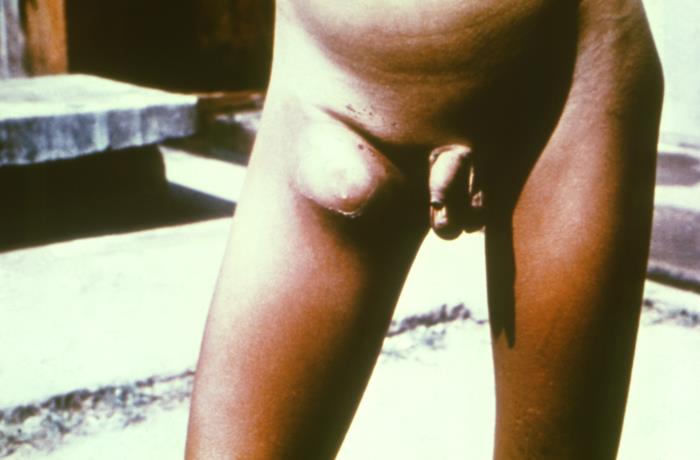
Bubonic plague is generally less lethal than pneumonic or septicemic disease when treated before it spreads. Standard clinical figures put untreated bubonic mortality near 50%, while treated mortality is often cited around 1% to 15%. Septicemic plague—bacteria multiplying in the bloodstream—is nearly 100% fatal without treatment. Once again, those ranges reflect the timing and quality of care as much as the organism’s biology.
The practical lesson is not to debate a single universal “plague survival rate.” It is to separate the disease forms and ask when treatment started. A patient with an early bubo and rapid antibiotic access occupies a different risk category from a patient already in septic shock or respiratory failure.
Prevention for the exposed: plague post-exposure prophylaxis
Treatment is for illness; post-exposure prophylaxis is designed to stop illness before it starts. CDC guidance recommends preventive antibiotics for people with close exposure to a pneumonic plague patient and for certain exposures to infected fleas, animals, tissues or laboratory material. Doxycycline and ciprofloxacin are among the standard options.
The usual prophylaxis course is seven days, with timing tied to the last relevant exposure. Public-health teams assess distance, duration, protective equipment, the source patient’s symptoms and the kind of material involved. Being listed as a “contact” does not automatically mean every person had the same biological risk or receives the same plan.
This is a major advantage over many viral threats: the same antibiotic classes that treat plague can protect properly identified contacts. It benefits both the exposed person and the wider community, because preventing a secondary pneumonic case also prevents another possible source of droplets.
Is there a plague vaccine in 2026?
There is no widely available licensed plague vaccine for the public today. An older killed whole-cell vaccine offered protection mainly against bubonic plague, not reliable protection against pneumonic disease, and it is no longer manufactured. Research programs continue to test newer candidates, but no one should assume routine vaccination is available as the answer to the Siberia incident.
That gap sounds alarming until it is placed beside the tools that do exist. Plague’s containment strategy relies on surveillance, protective equipment, rapid diagnostics, isolation when the lungs are involved, antibiotics for cases and seven-day prophylaxis for people with qualifying exposure. A vaccine could add another layer, especially for laboratory or field workers, but its absence does not leave medicine empty-handed.
What about plague drug resistance?
Antibiotic resistance in Y. pestis has been reported, but it remains very rare. That is reassuring, not a reason for complacency. Laboratories culture the organism when possible and test susceptibility so clinicians can adjust therapy if a strain does not respond as expected. Public-health agencies also watch for resistance because plague’s speed makes a delayed recognition of treatment failure especially dangerous.
Skeptics are right about one narrow point: no antibiotic should be described as infallible. A drug can fail because treatment began too late, the dose did not reach the infection, the patient could not absorb it, organ failure complicated care or the organism was resistant. None of those possibilities overturns the central evidence that recommended antibiotics are highly effective when used promptly.
What this means for the Siberia contacts
The roughly 200 people under observation after the Irkutsk laboratory death are not 200 confirmed plague patients. Monitoring is a precaution that allows health authorities to identify symptoms during the relevant window and move quickly if anyone becomes ill. Their individual risk depends on what happened inside the facility, what form of plague the researcher had, when symptoms began and who had close, unprotected contact.
Standard protocol is layered: define the exposure, offer prophylaxis to contacts who meet risk criteria, monitor for fever or respiratory symptoms, test suspected cases and begin treatment immediately. Public reporting has not established that every observed person is taking antibiotics, so the size of the observation group should not be converted into a case count.
The most important unanswered questions are operational. Did the fatal case receive an effective drug within the critical window? Was the infection pneumonic, septicemic or another form? Did laboratory testing identify susceptibility? Were any contacts exposed after respiratory symptoms appeared? Those answers will determine the real risk far more than the emotional weight of the word “plague.”
Why this is not the Middle Ages
The organism is ancient; the system around it is new. Medieval Europe had no germ theory, no antibiotics, no microbiology laboratories, no personal protective equipment, no contact-tracing teams and no way to distinguish a bacterial infection from dozens of other causes of fever. Flea-infested rodents moved through homes and trade routes while communities had little idea how exposure occurred.
Modern medicine can see the bacterium, identify its DNA, culture it, test drug susceptibility and target it. Hospitals can support breathing and blood pressure while antibiotics work. Investigators can map contacts and protect them before symptoms begin. None of this makes a biosafety failure acceptable or a fatal case less tragic. It does mean that historical analogies should stop where modern capabilities begin.
The deeper significance is institutional. Plague becomes most dangerous when health systems are weak, authorities conceal cases, clinicians do not recognize the symptoms or patients cannot reach treatment. The contest is no longer humanity against an unknowable curse. It is a race between a fast bacterium and the speed, competence and transparency of public health.
What happens next
For Irkutsk, the next meaningful signals are laboratory confirmation, the clinical form of the fatal infection, completion of the monitoring period and whether any contact develops symptoms or tests positive. Authorities should also explain the suspected laboratory breach and any corrective action. Transparent timelines matter because they allow outside experts to judge whether the 24-hour treatment window and exposure protocols were met.
For readers, the answer remains clear: plague can be cured, but it cannot be treated casually. Early antibiotics are the dividing line between a disease that can be controlled and one that can kill with extraordinary speed. Modern drugs have not abolished plague’s natural reservoirs or eliminated every fatal outcome. They have changed its place in history—from a civilization-killer with no specific remedy to a rare, urgent and usually treatable bacterial infection when medicine gets there in time.
Sources: CDC plague treatment and prevention guidelines (MMWR, 2021); CDC Emerging Infectious Diseases pneumonic-plague survival meta-analysis; CDC Public Health Image Library record 20544. Medical guidance cited here was checked October 4, 2026.