World / Middle East — Iran has delivered its starkest warning of the war: if the United States and Israel resume their air campaign, Tehran says it will strike not only American bases and warships but airports, pipelines and other civilian targets across the Persian Gulf — and, in a parallel warning from the secretary of its Supreme National Security Council, oil facilities, undersea cables, data centres and AI infrastructure in as many as seven Gulf countries. The threats arrived through public statements and private diplomatic channels at the same time, eleven days before the US midterm elections.
Track it live: Live Global Trackers — Middle East conflict map · Live oil price tracker · Iran war tracker
TEHRAN — Iran threatens Gulf strikes on a scale it has not attempted before, and it wants the threat heard in two rooms at once. If the US and Israel restart their air campaign, Tehran will respond with strikes not only on American bases and warships but on airports, pipelines and other civilian targets in the neighbouring countries of the Persian Gulf, The Wall Street Journal reported, citing warnings issued publicly and in private diplomatic communications. According to people familiar with those communications, Iranian officials told mediators that another US attack would trigger a broader assault on Gulf economies, alongside more lethal attacks on American forces, including attempts to sink US warships.
The public channel carried the same message in an official’s own words. Mohsen Rezaei, secretary of Iran’s Supreme National Security Council, said Iran will strike oil facilities, undersea communication cables, data centres and artificial intelligence facilities across as many as seven Gulf countries if the US and Israel launch fresh attacks, according to Guardian reporting summarised by NewsCord. “If war begins, undersea communication cables, data centres and artificial intelligence facilities could also become targets,” Rezaei said. “There can be no arrangement in which Iran’s economic lifelines come under attack while the economic architecture enabling those attacks is considered untouched and immune.” Brigadier General Yadollah Javani, the Revolutionary Guard’s deputy commander for political affairs, added on Wednesday that Iran could cut the submarine internet cables passing beneath the Strait of Hormuz. And Foreign Minister Abbas Araghchi wrote in the Financial Times that renewed attacks “will put civilian lives and the well-being of all regional states and the global economy at great risk.”
Why this matters
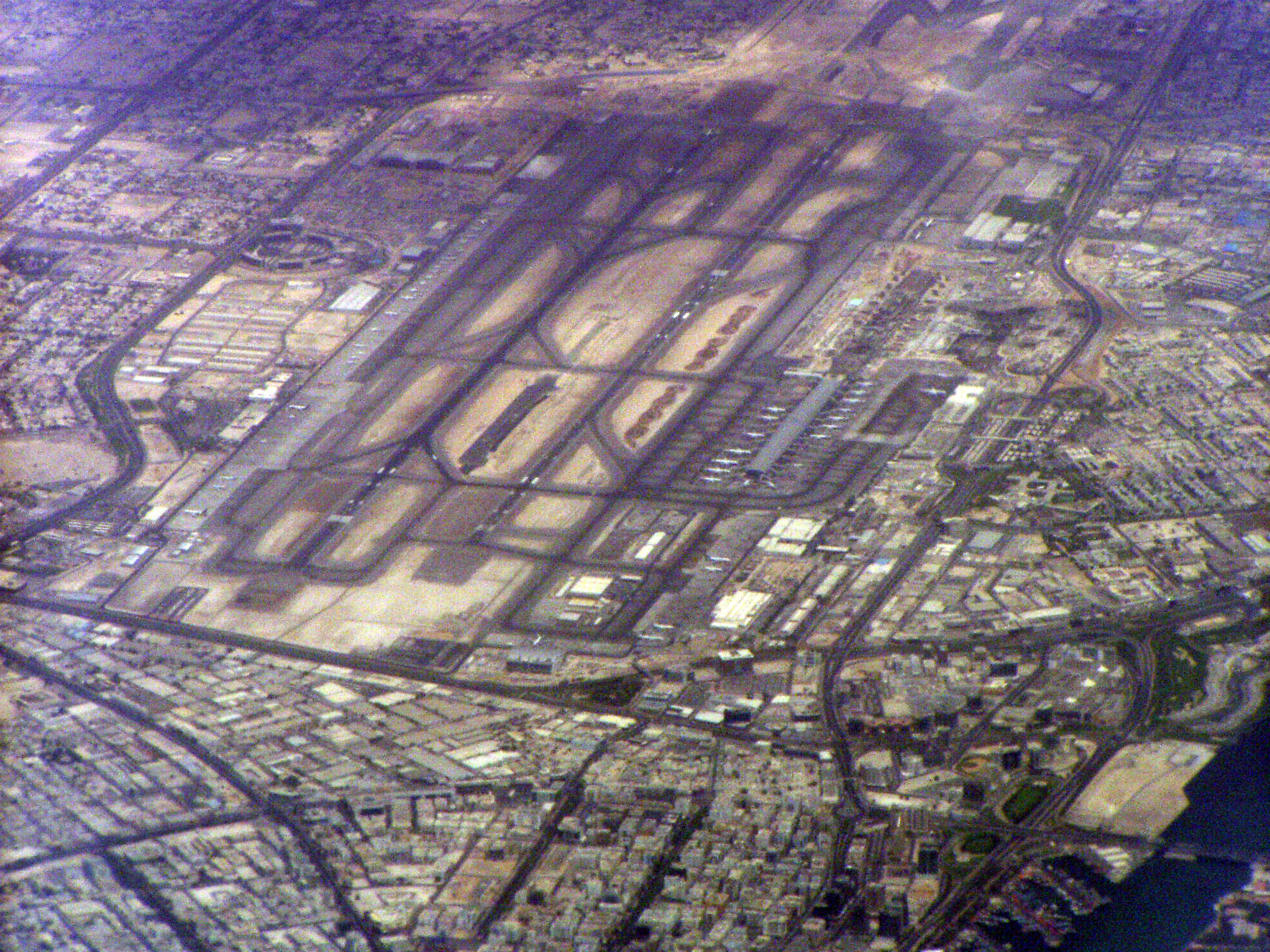
Every previous round of this war had an unwritten geography. Iran struck American bases, embassies and the headquarters of the US Fifth Fleet in Bahrain, and it did hit energy and industrial facilities in the United Arab Emirates, a major gas plant in Qatar and airports in Dubai, Kuwait and Bahrain during the opening phase. But those strikes were framed by Tehran as answers to attacks on Iran. What changed this week is the doctrine being stated in advance, on the record, by the secretary of the Supreme National Security Council: the Gulf’s civilian economic infrastructure — the airports its airlines depend on, the pipelines that bypass Hormuz, the cables and data centres of its technology ambitions — is now declared, conditionally, a target set. That is a threat aimed less at Washington than at the Gulf capitals, whose wealth rests on being the safe, neutral ground of the region’s economy.
The timing is the second half of the story. The warnings are explicitly tied, in Tehran’s own telling, to US media reports that American military advisers have drawn up a detailed list of targets for a fresh joint US-Israel assault to be implemented after the US midterm elections on November 3. President Donald Trump said on October 8 that the US would not attack Iran before those elections, citing “productive discussions” with Tehran. Iranian officials are, in effect, pricing the period after November 3: Mehdi Mohammadi, an adviser to parliament speaker Mohammad Bagher Ghalibaf, said “we see the next conflict as an existential threat” and described Iran’s strategy in a third war in two years as one of no red lines. Whether or not an American attack is actually planned, Tehran is behaving as if it is — and deterrence stated this publicly becomes very hard for its authors to walk back.
There is a hard military logic underneath the rhetoric, and the Journal’s reporting names it: stockpiles of the air-defence interceptors the US and Arab militaries need to absorb an Iranian attack have been running down, and Israel’s supplies are under pressure too. Iran’s threat works only if its missiles can get through in numbers. Analysts estimate Iran retains hundreds to thousands of ballistic missiles, and US and regional officials believe it has resumed production in limited numbers using stockpiled components in underground facilities. “The consensus in Tehran now believes that deterrence requires imposing immediate, sustained and substantial costs on its adversaries,” said Sina Toossi, an Iran expert at the Center for International Policy in Washington.
How much of the threat can Iran actually carry out?
Both sides of that question have evidence, and an honest account has to hold them together. On one side: Iran demonstrated in the war’s opening phase that it could reach and damage US bases, the Fifth Fleet headquarters, Emirati energy and industrial sites, a major Qatari gas plant and three Gulf airports. Undersea cables under the Strait of Hormuz are, by their nature, exposed; data centres and AI facilities are fixed, known, power-hungry buildings. A state does not need a large surviving arsenal to hurt targets that cannot move.
On the other side: the Pentagon said in September that the US had destroyed up to 90 percent of Iran’s drone, ballistic missile and naval industrial base, and the Journal notes that Iran’s missile arsenal and launchers were battered early in the war, limiting its ability to sustain a long exchange. Raising the ante would also expose what remains of Iran’s infrastructure to attack at a moment when its economy is teetering. The threat, in other words, is most credible as a short, sharp, widening strike — and least credible as a sustained campaign. Tehran’s strategists appear to know this: the doctrine Toossi describes is about imposing costs immediately, in the first days, before attrition tells.
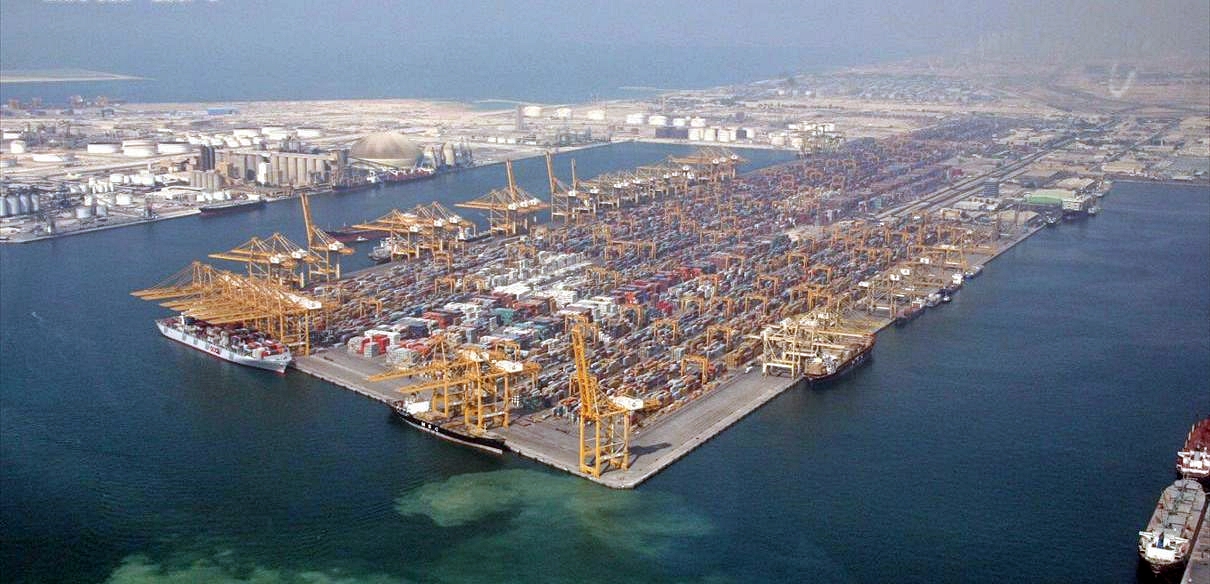
The numbers that would decide a second round are therefore not only Iran’s missile count. They are the interceptor magazines of the US, Israel and the Gulf states, which all sides agree are thinner than they were in February; the bypass capacity that lets Gulf oil move without Hormuz — Saudi Arabia’s East–West pipeline system alone is rated at some 7 million barrels a day to the Red Sea port of Yanbu, which is precisely why pipelines now appear on Tehran’s list; and the concentration of the Gulf’s aviation and data economies in a handful of coastal cities, all within range of Iranian missiles and drones.
Both sides, stated plainly
Iran’s case, as its officials present it, is that the threat is conditional and defensive: it fires only if the US and Israel resume attacks first; a country whose economic lifelines are bombed cannot be expected to leave the economic infrastructure enabling those attacks untouched; and alongside the threats, Tehran says it remains open to diplomacy — Araghchi’s Financial Times article restated Iran’s seven-day proposal, conveyed through mediators, to end the war, reopen the Strait of Hormuz and resume negotiations toward a final agreement. He also wrote that Washington attacked while talks were under way, asking how Tehran could trust a US president again, and that Iran wants a fair and dignified agreement.
The American position, on the public record, is that no new attack is scheduled: Trump’s October 8 statement pledged no attack before the midterms and pointed to productive discussions, and neither Washington nor Israel has announced a post-election campaign. US officials have also argued throughout the war that it is Iran’s attacks on shipping, energy and neighbours that endanger civilians and the global economy, and that American strikes have been directed at military and nuclear targets. No Gulf government had publicly responded to the new threats in the reporting available on Friday morning — a silence that is itself part of the pressure Tehran is applying, since every Gulf capital must now weigh its air defences, its airports and its data-centre investments against a war it did not choose. Readers should also note what the core reporting is: the private warnings rest on people familiar with the communications, speaking to the Journal, and the target-list claim rests on Iranian officials’ reading of US media reports. The public statements by Rezaei, Javani and Araghchi are on the record; the private channel is attributed, not documented.
What happens next
The first test comes today, and it is diplomatic, not military. Foreign ministers from three European countries, as well as Turkey, Saudi Arabia, Pakistan and Egypt, meet in Istanbul on Friday to establish agreed policies on the linked Iranian, Yemeni and Palestinian crises, with what the Guardian’s reporting calls alarm that a further war is now the working assumption in both Tehran and Washington. If that meeting produces a joint call for restraint with Gulf signatures on it, Tehran’s attempt to split the Gulf from Washington will have met its first answer.
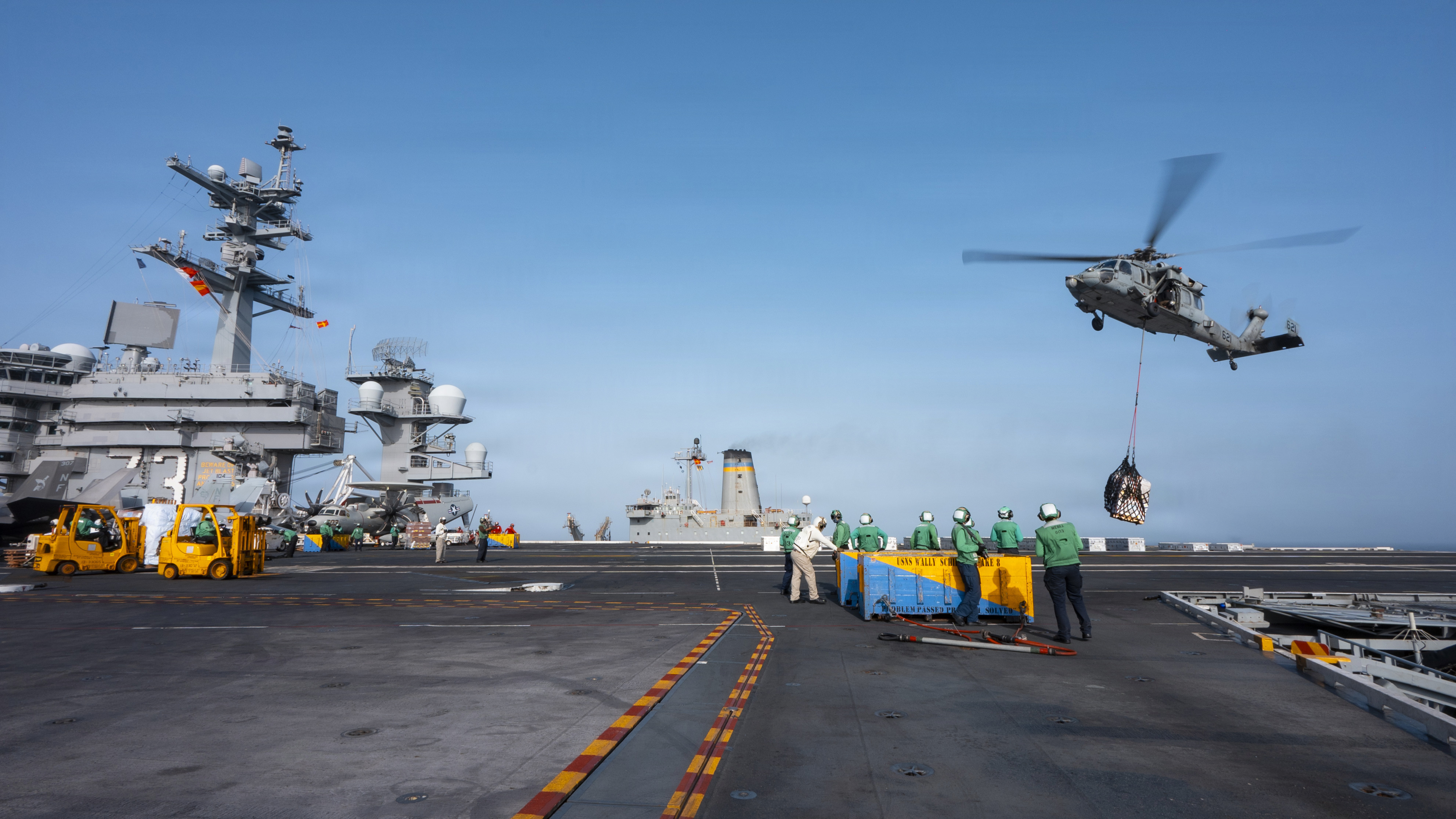
The second test is November 3. Trump’s no-attack pledge expires, by its own terms, with the midterms. Washington is already reducing its exposure — the US is trying to move more servicemembers and diplomatic staff out of harm’s way across the region, and aboard the aircraft carrier USS George Washington, American forces are loading munitions and readying aircraft for possible fresh action, the Journal reported. Those moves are consistent with preparation, with precaution, and with signalling; all three readings are available, and Tehran will choose the worst one.
Three scenarios follow. In the first, the threats work as intended: the price of a renewed campaign — Gulf airports closed, pipelines burning, cables cut, oil and insurance markets in shock — is judged in Washington and Jerusalem to exceed any gain, and the seven-day diplomatic track Araghchi describes gets its chance. In the second, a limited US-Israeli strike is answered by a limited version of the threatened retaliation, and both sides climb back down, poorer and with thinner interceptor stocks. In the third, the doctrine of no red lines meets a major strike and the war becomes what it has so far only threatened to be: a war on the Gulf’s entire economic geography, from its runways to its server farms. Iran has now said, in public and in private, that the third scenario is its choice if it is attacked. The next move belongs to the two governments it named.
Related coverage: Trump says the US will not attack Iran before the midterm elections · US military prepares to resume Iran strikes, per CENTCOM reporting · Iran’s seven-day Hormuz plan and Araghchi’s offer to reopen the strait
Sources
The Wall Street Journal, “Iran Threatens Wider Strikes on Economic and Civilian Targets if U.S. Attacks,” October 2026 — wsj.com. The Guardian reporting on Mohsen Rezaei’s and Mehdi Mohammadi’s statements, as compared across seven outlets by NewsCord, October 23, 2026 — newscord.org. Clash Report, “Iran Threatens Gulf Airports, Pipelines If US and Israel Resume Strikes,” October 2026 — clashreport.com. WANA, “Araghchi Warns of Further Escalation Around Strait of Hormuz” (on the Financial Times article), October 21, 2026 — wanaen.com. Reuters, “Trump says US will not attack Iran before midterm elections in November,” October 8, 2026 — via syndication at northlandnewsradio.com.