Iraq suspends Iranian flights
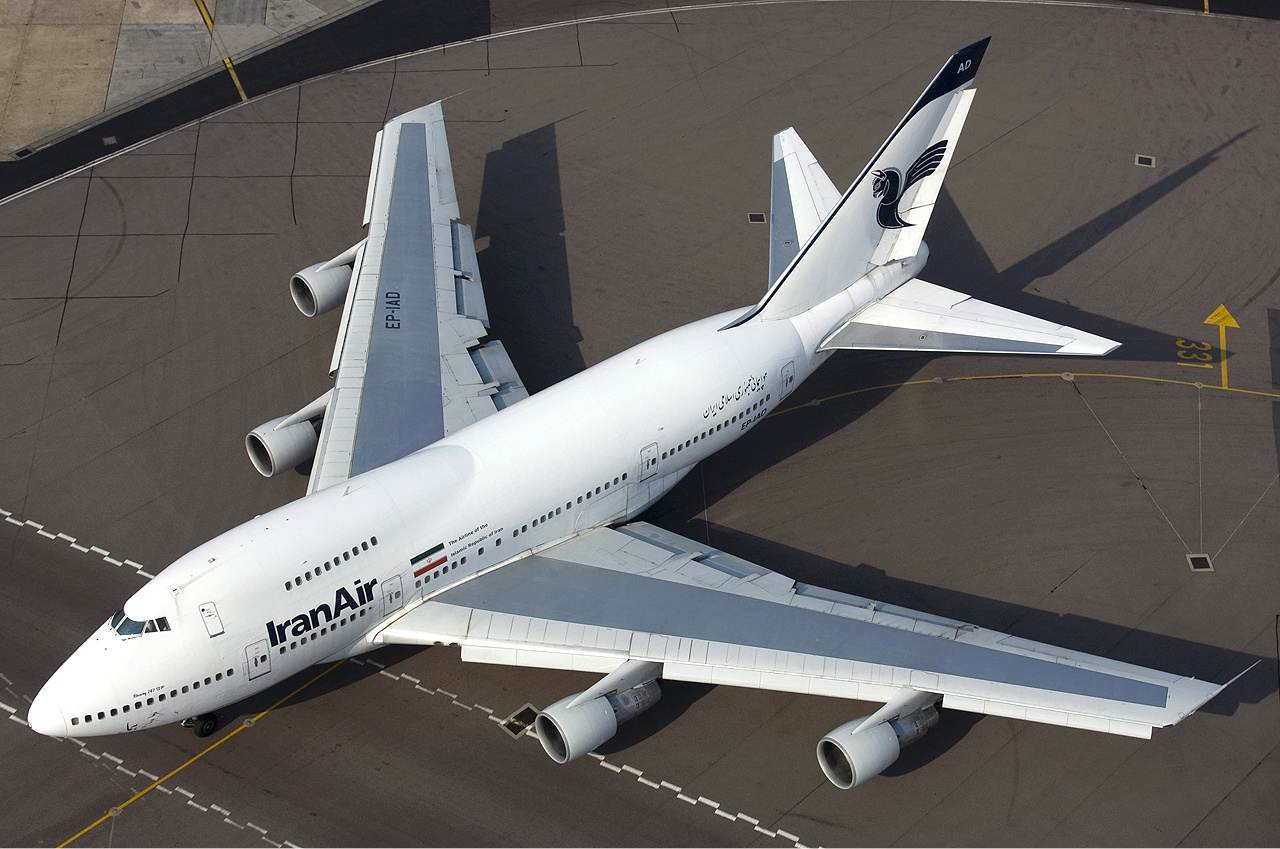
Iraq suspends Iranian flights across every Iraqi airport that had been carrying routes to Iran: Baghdad, Najaf, Erbil and Sulaimaniya. Baghdad stopped the service from Wednesday, while authorities in the Kurdistan Region said Erbil and Sulaimaniya would halt it on Friday. Najaf Airport said its own suspension took effect at 02:00 local time on Friday, September 25, and would remain in force until further notice. The result is a complete closure of Iraq's functioning air corridor with Iran just as Tehran had planned to reroute Baghdad-bound travelers through Najaf.
The shutdown did not occur in isolation. The United Arab Emirates suspended Iranian-airline flights on Thursday, and Washington had warned foreign airports, ticket sellers and service companies that helping sanctioned Iranian carriers could cost them access to the dollar system. The immediate story is about four Iraqi airports. The larger story is how a U.S. secondary-sanctions threat can ground civilian routes without Washington closing a single runway itself.
Why this matters
The Iraqi decision severs one of Iran's most important nearby passenger corridors. Najaf is not merely an alternative landing point to Baghdad: it is the gateway to the Imam Ali shrine and to the wider pilgrimage circuit that includes Karbala. The stoppage therefore reaches far beyond airlines and sanctions compliance. It affects Shia pilgrims, Iranian visitors, Iraqi students studying in Iran, medical travelers and families whose journeys depend on short regional flights.
It also demonstrates the practical reach of Iran aviation secondary sanctions. Airports may control runways, but commercial flights require much more than permission to land. They need fuel, ground handling, ticketing, baggage services, maintenance and payments. If private providers conclude that one contract could put their dollar access at risk, an airport can become unusable to an airline even before a government announces a formal ban.
The sequence extends the earlier Baghdad-only suspension into a nationwide Iraqi shutdown. Tehran's contemplated workaround—moving Baghdad passengers through Najaf—lasted only as a plan. By 02:00 Friday, the fallback airport had closed the same route.
How the shutdown unfolded
Baghdad moved first
Flights between Tehran and Baghdad stopped from Wednesday. Reuters reported that Iraq's state news agency, citing aviation authorities, said private ground-handling companies had declined to serve the Iranian carriers because of sanctions risk. The explanation matters: the immediate bottleneck was commercial service provision, not a publicly described Iraqi policy debate. Airports lease operating space to those companies and do not ordinarily intervene in their contracts.
The picture was briefly contradictory in Najaf
On September 24, Iran's Tasnim news agency said Najaf flights were continuing, and an airport official said no directive had been received. That was the accurate public picture at that stage. It changed hours later. Najaf airport director Hussein Muhanna told AFP that all Iran–Najaf flights stopped following a directive from the prime minister's office to the governor of Najaf, effective at 02:00 local time on Friday. The airport's own statement likewise said incoming and outgoing Iran flights were halted from 02:00 until further notice under official directives.
The distinction is important because it avoids inventing a hidden Iraqi decision process. Public reporting establishes that there was no operative directive on Thursday, followed by an order that took effect early Friday. It does not establish who argued for or against the measure inside the government, or exactly how the final instruction was negotiated.
Erbil and Sulaimaniya completed the closure
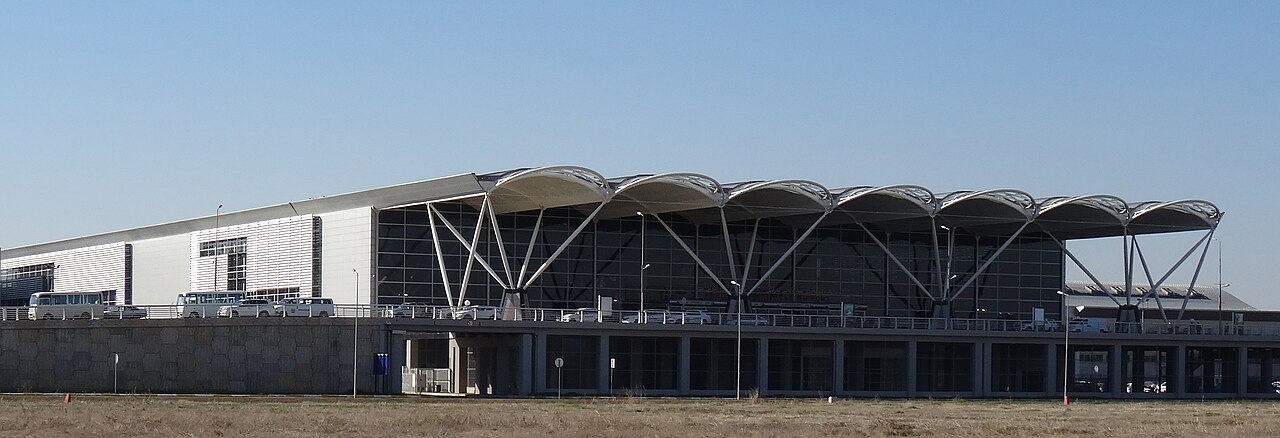
Reuters reported that Erbil and Sulaimaniya—the two principal airports in Iraq's Kurdistan Region—also stopped Iranian flights on Friday. Together with Baghdad and Najaf, these were the four Iraqi airports carrying Iran routes. When the northern airports joined the suspension, the issue stopped being a Baghdad rerouting problem and became an Iraqi airports Iranian airlines ban in operational effect.
Background: the campaign to ground Iran's fleet
The Iraqi moves follow a deadline set by U.S. Treasury Secretary Scott Bessent. His warning was blunt: all Iranian airlines would be “shut down around the world.” He told companies dealing with those carriers: “If they land, you cannot provide them with fuel, you cannot provide them with landing services, you cannot sell them tickets, or you will be knocked out of the dollar system.”
Washington's deadline was September 23. On September 8, the Treasury Department's Office of Foreign Assets Control announced action against 36 aviation-related targets, including 27 Iranian commercial airlines. The numbers describe the legal campaign's breadth, but not the precise number of aircraft suddenly immobilized; a designation of an airline or service company is not the same thing as a tail-by-tail grounding order.
The mechanism and regional reaction are examined in our analysis of the U.S. “economic D-Day” campaign against Iranian airlines. The UAE suspension on Thursday showed that compliance pressure was already spreading beyond Iraq. Iran, meanwhile, suspended Tehran–Baghdad and Tehran–Muscat flights from midnight Wednesday while discussions with Oman continued.
Who wins and who loses
Washington gains leverage without deploying aviation assets
The clearest short-term winner is the U.S. sanctions strategy. It converts access to the dollar system into leverage over third-country companies whose business may have little direct connection to the United States. The more airports and handlers comply, the more expensive and unreliable Iranian civil aviation becomes—and the stronger Washington's bargaining position appears.
Risk-averse service companies gain clarity
Ground handlers, fuel suppliers and ticketing intermediaries avoid the immediate danger of being accused of sanctions violations. Their choice may be economically costly, but the risk calculation is asymmetric: losing a carrier contract hurts; losing access to dollar clearing can threaten the business itself.
Travelers and pilgrimage economies lose first
The most immediate losers are civilians. Iran pilgrimage flights Najaf Karbala disrupted is not an abstract search phrase but a description of journeys abruptly made longer, more expensive or impossible. Travelers may face refunds, rebooking uncertainty and overland detours. Najaf and Karbala businesses that depend on religious visitors could lose bookings and spending. Iraqi students in Iran and people traveling for medical care face the same shrinking set of options.
Iran loses redundancy
Tehran's attempt to preserve access by redirecting Baghdad traffic to Najaf relied on spare capacity elsewhere in Iraq. The Friday order removed that redundancy. A network with four usable gateways had become a network with none, leaving land crossings or more complicated third-country connections as the remaining civilian alternatives.
What the numbers actually mean
Four airports is a complete count of the Iraqi airports then serving Iran routes, according to Reuters—not a count of every international airport in Iraq. 02:00 is the effective time in Najaf's statement, not the time the political decision was necessarily made. Thirty-six targets and 27 airlines are the scope of OFAC's September 8 action, not proof that 27 carriers had all operated to Iraq.
Local pro-Iran media said about 85% of Najaf airport's flights came from Iran. That figure has not been independently verified and should be treated as a claim by those outlets, not an audited share of airport movements. If broadly accurate, it would explain why Najaf faces a much larger operational and commercial shock than an airport where Iran routes are marginal. It should not be turned into a precise passenger-loss estimate without flight schedules, seat capacity and cancellation data that were not public at the reporting cutoff.
The sanctions numbers also measure pressure rather than outcome. An airline can be designated yet continue some domestic activity; a flight can be canceled for regulatory, commercial or operational reasons; and a country's suspension can later be narrowed or reversed. The evidence supports a regional squeeze on the Iran civilian fleet grounding campaign, not a claim that every Iranian civilian aircraft worldwide is physically grounded.
What happens next
Scenario one: broader international compliance
If more airports, handlers and ticket sellers adopt the same risk calculation as their Iraqi and Emirati counterparts, Iranian airlines could lose additional regional destinations quickly. The signal to watch is not only government announcements but service refusals: fuel, ground handling and ticket distribution are the pressure points Bessent identified.
Scenario two: more travelers move overland
With the air bridge closed, pilgrimage and family traffic may shift toward land borders, buses and private vehicles. That could raise pressure on border processing and extend journeys to Najaf and Karbala. It is a plausible substitution effect, not yet a measured outcome; traffic data will be needed to show whether it occurs and at what scale.
Scenario three: diplomacy changes the calculation
U.S.–Iran phased-deal talks could alter sanctions enforcement or create exemptions if they produce a negotiated sequence. Reports of those talks had helped pull Brent crude below $106, suggesting markets saw at least some chance of de-escalation. That price move does not prove a deal is close, and no public agreement had restored the suspended flights by the reporting cutoff.
Scenario four: Iraqi political pushback
Pro-Iran factions in Iraq may challenge the shutdown as an infringement on sovereignty or a blow to pilgrimage and commerce. The 85% claim about Najaf traffic is already part of that political argument. Pushback could produce parliamentary pressure, public protests or demands for exemptions, but those are scenarios—not reported events—and there is no public evidence yet that they will reverse the order.
The decisive question is whether Iraq's “until further notice” becomes a short compliance pause, a negotiated exemption or a durable break in regional aviation. For now, the operational fact is clear: Baghdad, Najaf, Erbil and Sulaimaniya are all closed to Iranian routes, and the rerouting options Tehran expected to use inside Iraq have disappeared.
Sources
- Reuters, September 25, 2026 — Erbil, Sulaimaniya and Najaf closures, Baghdad's earlier suspension and the four-airport total.
- News Central TV / AFP — Hussein Muhanna's account of the Najaf directive and its 02:00 effective time.
- The New Region — Najaf airport's statement, regional reaction and attributed 85% claim.
- Reuters, September 22, 2026 — the initial Baghdad suspension, private ground-handler concerns and the proposed Najaf diversion.
- Reuters, September 25, 2026 — Brent below $106 and the reported U.S.–Iran phased-deal talks.
- U.S. Treasury Department, September 8, 2026 — OFAC aviation-related designations.
Reporting cutoff: September 25, 2026. Reported facts are attributed above. Forward-looking outcomes are explicitly labeled as scenarios. The article does not infer Iraq's internal decision process beyond the directives publicly described.