Iran airlines Turkey sanctions
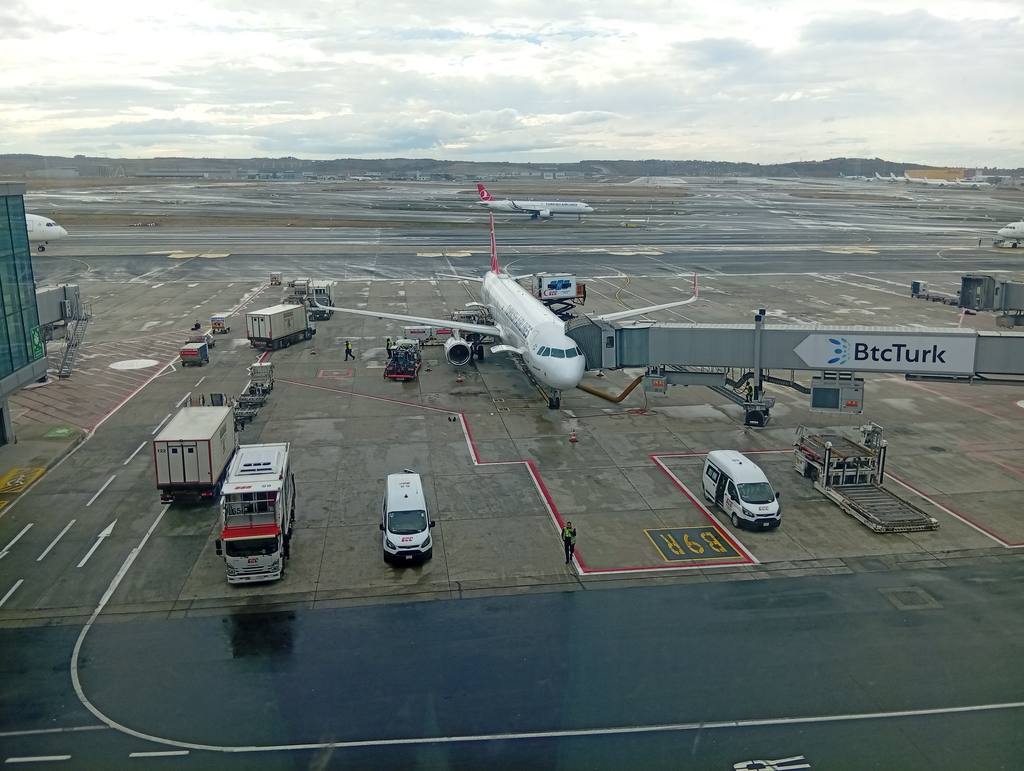
Iran airlines Turkey sanctions — Washington told the world's airports and fuel suppliers that the sky was closing for Iran's airlines. Five days after Treasury Secretary Scott Bessent's September 23 wind-down deadline, researchers at the Foundation for Defense of Democracies pulled the flight histories and found the opposite of a shutdown: at least 83 flights operated by U.S.-sanctioned Iranian carriers had landed in Turkey since the deadline passed. The arrivals touched down in Istanbul, Ankara and Izmir, according to the think tank's September 28 report, and they were operated by 12 sanctioned airlines — eight of them newly designated by the Treasury Department just two weeks earlier.
The finding, first reported by Fox News Digital on October 2, 2026, lands as one of the most awkward data points in Washington's seven-month economic war against Iran. The campaign is working in much of the region: FDD says U.S. pressure has pushed Iranian airlines out of Iraq, the United Arab Emirates and Oman. Turkey, a NATO ally, remains what the report calls "a significant gap" — and the gap is arriving at precisely the moment President Donald Trump is publicly weighing whether to restore Ankara's access to America's F-35 fighter jet.
How the skies were supposed to close
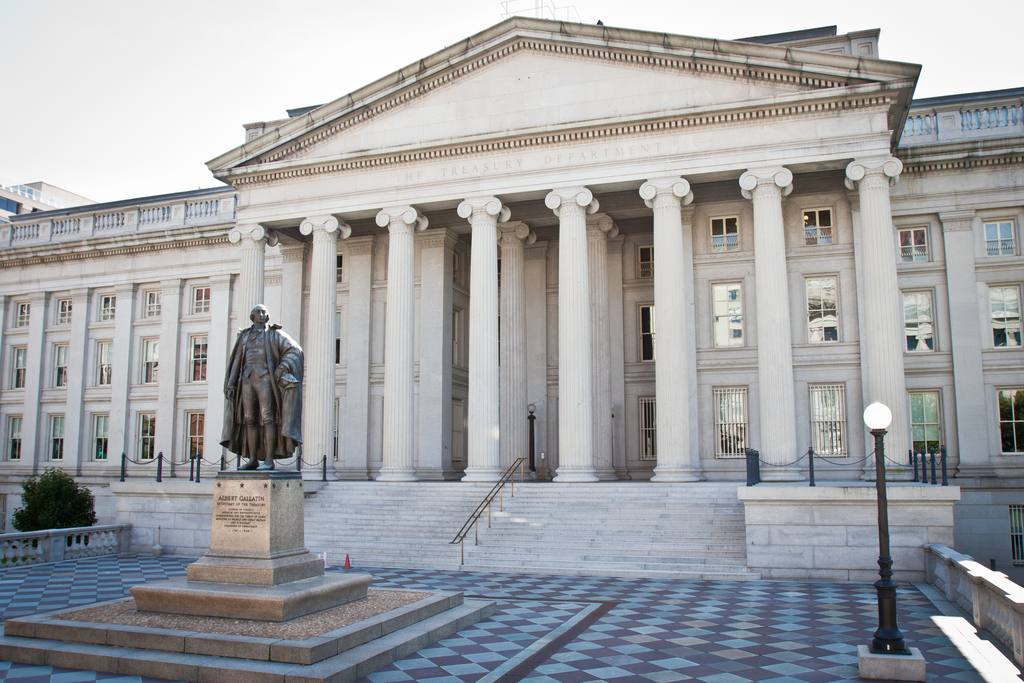
The crackdown on Iranian aviation did not begin with a threat; it began with a designation. On September 8, the Treasury Department designated all 27 remaining active Iranian airlines under Executive Order 13902, folding the country's commercial aviation into the broader "Operation Economic Outcast" campaign — the August 24 initiative aimed at cutting Tehran's funding for the war, missile construction, cyberattacks and the Islamic Revolutionary Guard Corps.
Treasury's rationale, stated in its announcement, was blunt: Iran's aviation sector has been used to transport weapons, personnel and illicit cargo. The department warned foreign businesses about the risks of continuing to support sanctioned carriers. Then, ahead of the September 23 wind-down deadline, Bessent raised the stakes publicly: companies providing sanctioned Iranian airlines with fuel, landing rights or ground services risked losing access to the U.S. financial system. He said Iranian airlines would be "shut down around the world."
Some of that pressure has plainly worked. Turkish Airlines, AJet and Pegasus removed Iran flights from their schedules, while Iran's own Mahan Air — sanctioned by the United States since 2011 for what Treasury said was support to the IRGC's Quds Force — suspended service to Turkey beginning September 21, according to reporting by Turkish Minute and the Financial Times cited in the Fox report. Ankara also revoked the operating license of Iran's Bank Mellat branch in Istanbul, a financial lifeline for the carriers' Turkish operations.
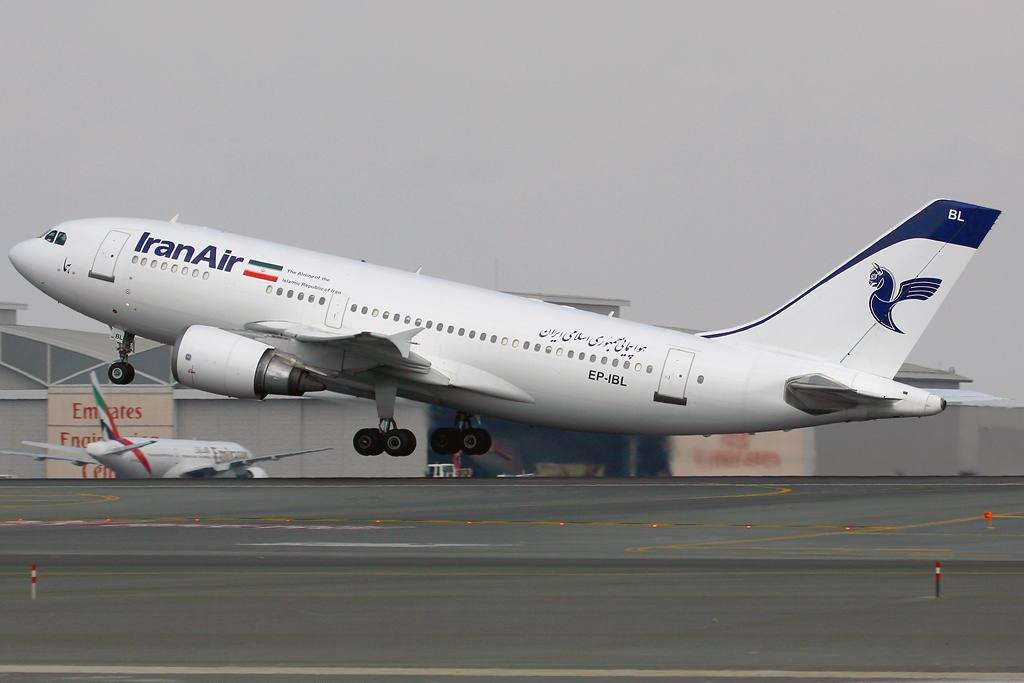
But the flight data tells the rest of the story. FDD researchers Ahmad Sharawi and Sinan Ciddi reviewed Flightradar24 histories and counted, for the five days after the deadline, 83 landings by sanctioned Iranian aircraft. Iran Airtour and Caspian Airlines each accounted for 12 landings, Iran Air for 10, and ATA Airlines and AVA Airlines for nine each. Eight of the 12 carriers identified in the data were among the airlines Treasury had newly designated on September 8 — in other words, airlines told explicitly that the world was closing to them kept landing anyway.
A separate review by the New York Post's opinion desk, also published October 2, put the figure even higher: more than 90 Iranian airline landings in Turkey after September 23. The two reviews use different methodologies and time windows, so the numbers are not directly comparable — but they agree on the direction of travel, and it is not the direction Bessent promised.
Why this matters
An airline route is easy to dismiss as commerce. For Iran, it is logistics. Treasury's own designations say these carriers move the physical stuff of the Iranian state: Caspian Airlines, designated a Specially Designated Global Terrorist in August 2014 alongside Meraj Air, is accused by Treasury of transporting IRGC personnel and weapons to Syria; Meraj is accused of ferrying illicit cargo, including weapons, to the Syrian government; Mahan has been under sanctions since 2011 and, according to the European Union, transferred drones to Russia for use against Ukraine. Every route that stays open is a route the Revolutionary Guard can fly.
That is what makes the Turkey gap a strategic problem rather than a bookkeeping one. Washington's economic campaign against Iran is, by the administration's own telling, working: the rial has fallen to record lows, Bessent says Iran loaded no crude oil onto tankers in September, and countries across the region have restricted Iranian access to finance and commercial aviation. A campaign is only as tight as its weakest enforcement point, and right now the data says the weakest point is a NATO ally's airports. If the precedent stands that sanctioned carriers can land in Istanbul with impunity, other countries facing their own balancing acts will notice.
Who wins, who loses, and who is complaining
The winners of the current arrangement are easy to name. The Iranian carriers keep revenue and, more importantly, routes — physical corridors through which Iran projects power across the region. Turkish airports, fuelers, ground handlers and the travel trade keep the landing fees and the business. And Ankara keeps optionality: able to tell Washington it is complying while keeping the sky open to a neighbor it shares deep trade ties with.
The loser, in FDD's telling, is the credibility of the enforcement campaign itself. Sharawi told Fox News Digital that the continued flights reflect "a gap between Ankara's public steps and its handling of sanctioned Iranian carriers," calling the Turkish measures symbolic. His prescription is escalation: target the Turkish companies that keep servicing the sanctioned airlines, and the economics will change. "If the United States targets the support system that keeps these sanctioned Iranian carriers operating, private Turkish companies will have much less incentive to continue doing business with them," he said. He added a pointed reminder: Washington has not hesitated in the past to sanction Turkish entities that support sanctioned Iranian actors.
The Treasury Department, for its part, disputes the framing that nothing is being done. A Treasury spokesperson told Fox News Digital that the department has continued raising the issue directly with senior Turkish officials and has warned Turkish companies and financial institutions about their sanctions exposure. The spokesperson pointed to the cancellation of Mahan Air flights and the revocation of Bank Mellat's license as "tangible results" of engagement with Ankara last month, and described "Operation Economic Outcast" as "delivering results" — citing the rial's collapse, the zero-crude September, and regional restrictions on Iran's aviation and finance. "We will continue applying pressure and holding accountable those who provide the regime with the financial and commercial lifelines it needs," the spokesperson said.
Turkey's government did not respond to Fox News Digital's requests for comment, so Ankara's own account of the 83 landings is, for now, absent from the public record. What is on the record are the steps Turkey has taken: the domestic carriers' withdrawal from Iran routes, Mahan's suspension, and the Bank Mellat license revocation. The honest reading is that both things are true at once — Ankara has moved, and the runways are still busy.
The F-35 in the room
The timing of the exposure is what turns a compliance dispute into a diplomatic collision. Turkey is a NATO ally, and Trump has publicly emphasized his close relationship with President Recep Tayyip Erdogan. During a July 2026 visit to Turkey, Trump said his administration would lift sanctions on Ankara — imposed after Turkey's purchase of Russia's S-400 air-defense system, which also got Turkey expelled from the F-35 program — and was considering restoring Turkey's access to the fighter jet. Congressional restrictions tied to the S-400 remain an obstacle, but as recently as September 24, Erdogan said he expects Washington to take "concrete steps" toward Turkey's return to the program.
That makes the aviation gap a leverage question running in both directions. Washington can link the two: full cooperation on the airlines as an unspoken condition for F-35 progress. But linkage cuts the other way too — Ankara knows the F-35 is something Trump wants to sell, and the more the United States wants the transaction, the less appetite it may have for sanctioning Turkish companies in the meantime. Neither side has said publicly that the issues are linked. But in diplomacy, the issues that are never mentioned are often the ones being weighed most carefully.
What the numbers actually imply
Put the figures side by side and the shape of the campaign comes into focus. Twenty-seven airlines designated in one stroke on September 8 — the entire active commercial fleet. Eighty-three landings in five days by 12 of them, averaging roughly 17 landings a day, almost all at three airports. Zero: the number of Iranian airline flights landing in Iraq, the UAE or Oman, where U.S. pressure has worked. The campaign is not failing globally; it is failing at one airport system.
There is a historical echo worth noting. Caspian and Meraj were designated in August 2014 — twelve years ago — and Caspian still accounted for 12 landings in the five-day window. Mahan has been sanctioned since 2011 and only suspended its Turkey service in September 2026. Designations, on their own, have a long record of being absorbed and worked around. What changes airline behavior is enforcement against the ecosystem — the fuelers, handlers, lessors and insurers — which is exactly what Bessent's September 23 warning was supposed to deliver, and exactly what FDD's data suggests has not yet happened in Turkey.
What happens next
Three paths lie ahead, and they are not mutually exclusive. The first is the engagement path: Treasury keeps the pressure at the senior-official level, Ankara quietly tightens airport oversight, and the landing counts fall without any public confrontation. This is the path Treasury's spokesperson was describing, and it has the virtue of preserving the F-35 conversation.
The second is the enforcement path: the United States designates Turkish fuel suppliers, ground handlers or financial institutions that service the sanctioned carriers, on the theory that private companies will cut ties faster than governments change policy. FDD is explicitly advocating this, and Sharawi's reminder about past sanctions on Turkish entities is meant to signal that the threat is credible. This path carries real escalation risk — sanctioning companies in a NATO ally's territory is a diplomatic event, not just a financial one.
The third is drift: the status quo continues, the loophole persists, and the F-35 talks proceed on a separate track while the runways stay busy. The cost of drift is that every other country being asked to enforce the campaign — and the Treasury is simultaneously chasing a "floating city" of Iranian ghost tankers near Malaysia, per a September 25 report by United Against Nuclear Iran — learns that compliance is negotiable.
The test will be in the data. If the next five-day window shows the landing count falling toward zero, engagement is working. If it holds at 80-plus, expect the enforcement conversation to get louder — and the F-35 conversation to get quieter.
Sources
- Fox News Digital: Trump's Iran crackdown collides with NATO ally seeking access to America's prized fighter jet — the September 28 FDD report (researchers Ahmad Sharawi and Sinan Ciddi, Flightradar24 data) finding at least 83 flights by sanctioned Iranian airlines landed in Turkey September 23–27; the September 8 designations of 27 Iranian airlines; Bessent's September 23 deadline warning; the Treasury spokesperson's statement on engagement with senior Turkish officials, Mahan Air's flight cancellation, and Bank Mellat's license revocation.
- New York Post: Trump must close this Turkish loophole that allows Iran to skirt sanctions — the FDD report's findings; the review finding more than 90 Iranian airline landings in Turkey after September 23; Turkey's revocation of Bank Mellat's Istanbul license and Mahan Air's suspension of Turkey flights on September 21.
Flight-count figures in this article are from the Foundation for Defense of Democracies' September 28, 2026 report, as reported by Fox News Digital, and from the New York Post's own review of flight histories; they have not been independently verified by Signal Post News. The two reviews use different methodologies and are not directly comparable. The Treasury Department's statements are as reported by Fox News Digital. Turkey's government did not respond to Fox News Digital's requests for comment. Designation histories (Mahan Air since 2011, Caspian Airlines and Meraj Air since 2014) are from U.S. Treasury announcements.