Cancer prevention
A worldwide IARC analysis attributes about 2.3 million new cancer diagnoses in 2024 to infections. The startling number also points to something unusually practical: many of these cancers can be prevented before a tumor forms.
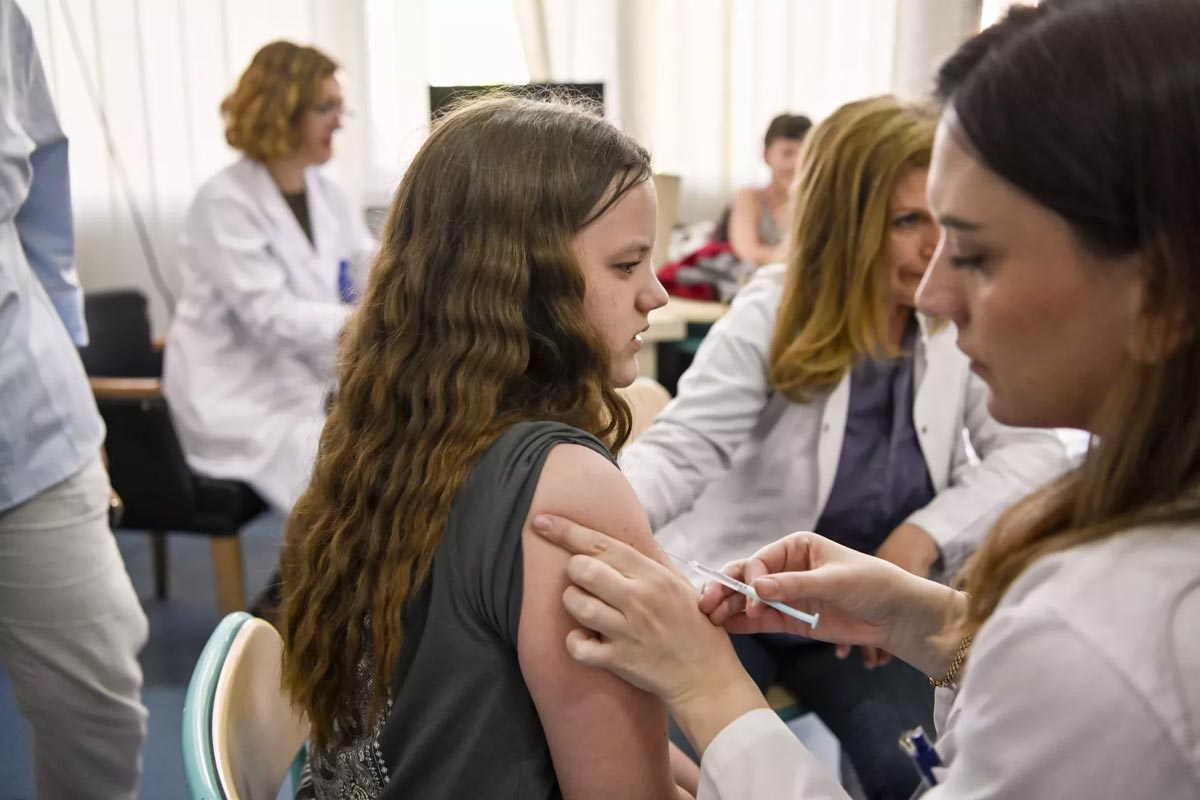
Can infections cause cancer? Yes—but the answer needs both urgency and restraint. A new analysis led by the International Agency for Research on Cancer, the World Health Organization's cancer agency, estimates that 12 carcinogenic infectious agents caused about 2.3 million new cancer cases in 2024. That is roughly 12% of diagnoses worldwide, or nearly one case in every eight.
The findings, published in The Lancet Oncology, do not mean that every infection will become cancer. Most do not. They do mean that part of the cancer burden belongs in the same policy conversation as vaccination, antibiotic treatment, viral suppression and routine screening—not only chemotherapy, radiation and surgery after disease appears.
Harriet Rumgay, PhD, of IARC's Cancer Surveillance Branch in Lyon, led the work. Her team combined 2024 GLOBOCAN estimates with evidence on 36 cancer types and 12 infectious agents classified as carcinogenic to humans. Five pathogens account for nearly all of the estimated burden: Helicobacter pylori, human papillomavirus, hepatitis B virus, Epstein-Barr virus and hepatitis C virus.
Why this matters: cancer prevention can start years earlier
The conventional image of cancer prevention focuses on smoking, alcohol, diet, sunlight and inherited risk. The IARC estimate adds a different pathway: a bacterium or virus can persist for years, drive chronic inflammation, weaken immune surveillance or interfere with a cell's growth controls. Over time, a small share of infected people may develop malignant disease.
That mechanism gives public health more than one point of attack. It can prevent the infection, find and treat it, monitor people at higher risk or detect precancerous change. In oncology, where treatment often begins after a tumor has accumulated years of biological momentum, this is an unusually long runway.
The immediate lesson is not that cancer is contagious. Cancer itself generally is not passed from person to person. Rather, certain transmissible infections can establish the biological conditions in which a cancer later develops. The interval may be measured in years or decades, which is why today's vaccine or screening gap can become a future cancer ward.
The infection-related cancer statistics in context
Five infections that cause cancer dominate the estimate
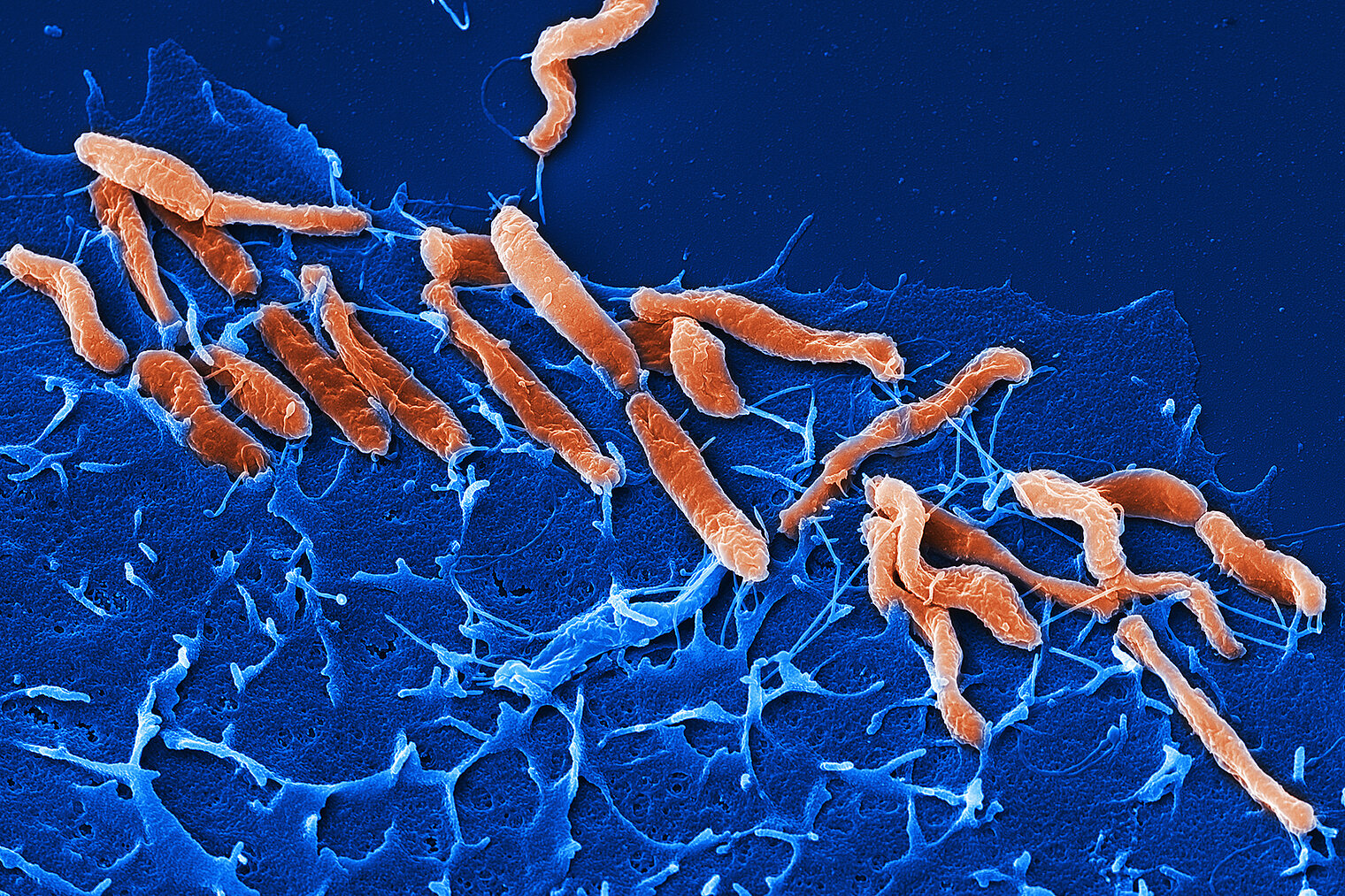
H. pylori is the largest single contributor, tied to about 760,000 cases, chiefly gastric cancer. HPV follows at roughly 750,000 cases, including virtually all cervical cancers and substantial shares of anal, penile, vulvar, vaginal and oropharyngeal cancers. Hepatitis B accounts for about 360,000 cases, mainly liver cancer; Epstein-Barr virus for about 260,000; and hepatitis C for about 160,000, also concentrated in the liver.
Together, H. pylori and HPV contribute about 1.51 million cases—roughly two-thirds of the 2.3 million infection-attributable total. The top five sum to about 2.29 million. In other words, an apparently sprawling global problem is concentrated enough to suggest priorities, even though the interventions are different for each pathogen.
Global cancer burden 2024: the denominator matters
IARC's broader GLOBOCAN release estimates 20.6 million new cancer diagnoses in 2024 across 34 major cancer groups. The infection analysis, using its own eligible-site framework across 36 cancer types, reports that about 12% were attributable to infections. The numbers are population estimates, not a count of individual medical records tagged with a cause.
That distinction matters. Researchers apply population-attributable fractions: estimates of infection prevalence and the excess cancer risk associated with each infection, combined with cancer incidence. The method is the standard way to answer a policy question—how much disease might be avoided if a cause disappeared—but it depends on the strength and completeness of national cancer and infection data.
The geography is as important as the global total. About 77% of infection-related cancers occurred in low- and middle-income countries. Eastern Asia alone represented an estimated 42%, driven heavily by H. pylori-related stomach cancer and hepatitis B liver cancer. Sub-Saharan Africa faced a different mix, with a larger contribution from HPV and Kaposi sarcoma-associated herpesvirus, compounded by HIV. India accounted for about 190,000 cases. North America and Europe had lower infection-attributable shares, with HPV and H. pylori still leading.
From ulcers to tumors: how the evidence changed
The long road to H. pylori stomach cancer
The infection-cancer story did not arrive all at once. In the late 20th century, researchers overturned the assumption that most peptic ulcers were simply the product of stress or acid when they demonstrated the role of H. pylori. The bacterium's link to chronic gastric inflammation and then to stomach cancer transformed both gastroenterology and cancer prevention. A course of antibiotics could now interrupt one route to malignancy.
Other links matured along different paths. Persistent high-risk HPV infection became established as the necessary cause of nearly all cervical cancers, leading to prophylactic vaccines and HPV-based screening. Chronic hepatitis B and C were tied to cirrhosis and hepatocellular carcinoma, making birth-dose vaccination, antiviral treatment and blood-safety programs part of liver-cancer control.
What changed since IARC's 2018 estimate
The new work is an update, not a like-for-like rerun of the 2018 analysis. It adds 16 infection-cancer associations, including cancers linked to HIV and Merkel cell polyomavirus, broader sets of cancer sites attributed to hepatitis B and C and Kaposi sarcoma-associated herpesvirus, and expanded evidence for Epstein-Barr virus.
That broader evidence base is why the new 2.3 million figure should not be read as a simple rise or fall from the earlier estimate. Part of the difference reflects 2024 cancer incidence; part reflects population change; and part reflects the fact that science now counts more causal pathways. The before-and-after comparison is therefore methodological as well as epidemiological.
Epstein-Barr virus cancer is the notable revision
EBV is familiar as the virus behind infectious mononucleosis, but its cancer footprint is wider: certain lymphomas, nasopharyngeal cancer and, under the expanded analysis, a meaningful share of gastric cancers. That addition helped push EBV to fourth place among infectious causes of cancer, ahead of hepatitis C.
This is a useful reminder of how attributable-burden estimates evolve. The pathogen did not suddenly become carcinogenic in 2024; the causal evidence and the set of counted cancer sites changed. Better science can make a burden appear larger because it sees more of what was already there.
Who benefits, who loses—and what skeptics are right to ask
HPV cancer risk and hepatitis B liver cancer already have vaccines
The clearest winners from acting on these findings are adolescents reached before HPV exposure, newborns who receive hepatitis B vaccination on time, adults whose chronic viral hepatitis is diagnosed and treated, and patients whose H. pylori infection is eradicated before severe gastric damage develops. Health systems benefit too: preventing a persistent infection is usually simpler and less expensive than treating metastatic cancer years later.
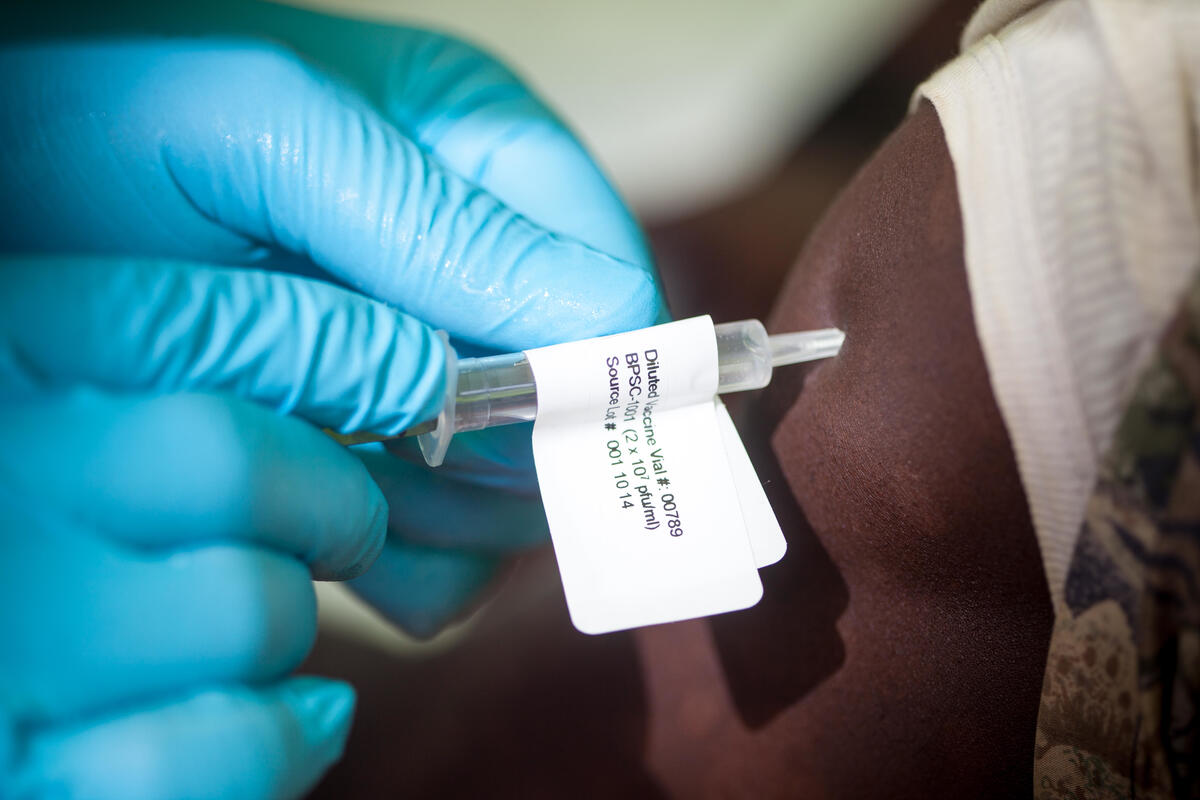
The losers are populations for whom those tools exist in principle but not in practice. A vaccine can be licensed and still fail to reach a rural clinic. Cervical screening can be recommended and still remain unaffordable, culturally inaccessible or disconnected from follow-up care. An antibiotic can cure H. pylori and still be undermined by weak testing capacity, treatment cost or antimicrobial resistance.
The 77% share borne by low- and middle-income countries is therefore not simply a map of pathogen prevalence. It is also a map of unequal access to prevention, diagnosis and treatment. High-income countries have not eliminated infection-related cancer, but they are more likely to have routine immunization, organized screening, safer blood supplies, laboratory capacity and a treatment pathway after a positive test.
Most infections do not become cancer
Skeptics are right to resist a headline that turns common infections into a personal cancer forecast. Risk depends on persistence, pathogen strain, age at infection, immune response, genetics, smoking and other exposures. Most people infected with HPV clear it. Many people carry EBV for life without developing cancer. Most H. pylori infections do not end in gastric malignancy.
Joshua Cohen, MD, of City of Hope Orange County, has emphasized the other side of the statistic: most cancers are not caused by infection. Nina R. Salama, PhD, an H. pylori researcher at Fred Hutchinson Cancer Center who was not involved in the study, framed the result as a reminder that physicians have tools to address some infection-related cancers, though not all.
There are also limitations inside the estimate. Cancer-registration quality varies sharply between countries. Infection prevalence can be dated or incomplete. Population-attributable fractions describe expected cases across groups; they cannot prove the cause of one patient's tumor. And the analysis excludes infections not yet established as carcinogenic, so uncertainty runs in both directions.
What happens next: three prevention scenarios
1. Scale what works now
The fastest scenario is not a laboratory breakthrough. It is broader HPV and hepatitis B vaccination, including timely hepatitis B birth doses; HPV-based cervical screening with reliable follow-up; hepatitis B and C testing and antiviral therapy; and targeted testing and antibiotic treatment for H. pylori. These interventions work on different timelines, but together they could turn a substantial share of preventable cancer cases into avoided diagnoses.
Success requires implementation, not merely recommendations. Programs must measure who is missed, secure supply, train health workers, reduce out-of-pocket costs and connect a positive screen to treatment. Without that final link, screening can document inequality rather than reduce it.
2. Build the next generation of cancer prevention vaccines
There is no approved vaccine for EBV or H. pylori. Candidates are under study, and the new burden estimate strengthens the case for investment because it quantifies the possible payoff. An effective EBV vaccine could influence not one cancer but a family of cancers across several organs; an H. pylori vaccine could complement antibiotics in settings where reinfection and resistance make treatment difficult.
But vaccine pipelines are uncertain. A plausible candidate must still demonstrate safety, durable protection, feasible manufacturing and delivery at a price countries can sustain. In the meantime, research cannot become an excuse to underfund the tools already available.
3. Improve surveillance so the next estimate is more than a headline
By 2050, IARC projects overall annual cancer incidence could reach 34.4 million if current demographic trends continue. If infection control merely holds steady, the absolute number of infection-related cancers could remain high or rise as populations grow and age. If vaccination, screening and treatment expand quickly, infection-attributable cancer could become one of the few large categories of global cancer burden that public health pushes decisively downward.
The decisive indicators will be practical: HPV vaccine coverage, hepatitis B birth-dose coverage, cervical-screening completion, hepatitis diagnosis and viral suppression, H. pylori testing and eradication, and the completeness of cancer registries. Those measures will tell us whether the phrase “one in eight” becomes a baseline for action or a recurring statistic.
The bottom line
The Lancet Oncology cancer infections study changes the frame without changing the basic truth: cancer is not one disease, and prevention is not one behavior. About 2.3 million 2024 diagnoses were attributed to infections, but the burden is concentrated in a small group of pathogens and falls most heavily where preventive care is thinnest.
The most useful response is neither panic nor complacency. It is to treat vaccination, infection testing, antiviral access, antibiotic stewardship and screening as cancer policy. That is the concrete payoff inside a global estimate: in many cases, the road to fewer tumors begins long before an oncology appointment.
Sources
- Rumgay H, Georges D, Huang Y, et al. “Global burden of cancer attributable to infections in 2024: a worldwide incidence analysis.” The Lancet Oncology (2026), DOI 10.1016/S1470-2045(26)00307-4.
- Medscape: Nearly 1 in 8 Cancers Worldwide Caused by Infections
- Particle: IARC analysis finds one in eight new cancers linked to infections
- Medical Dialogues: Can infections cause cancer?
- IARC: Global cancer statistics 2024 and GLOBOCAN estimates
- IARC/WHO: Cancer-causing infections fact sheet