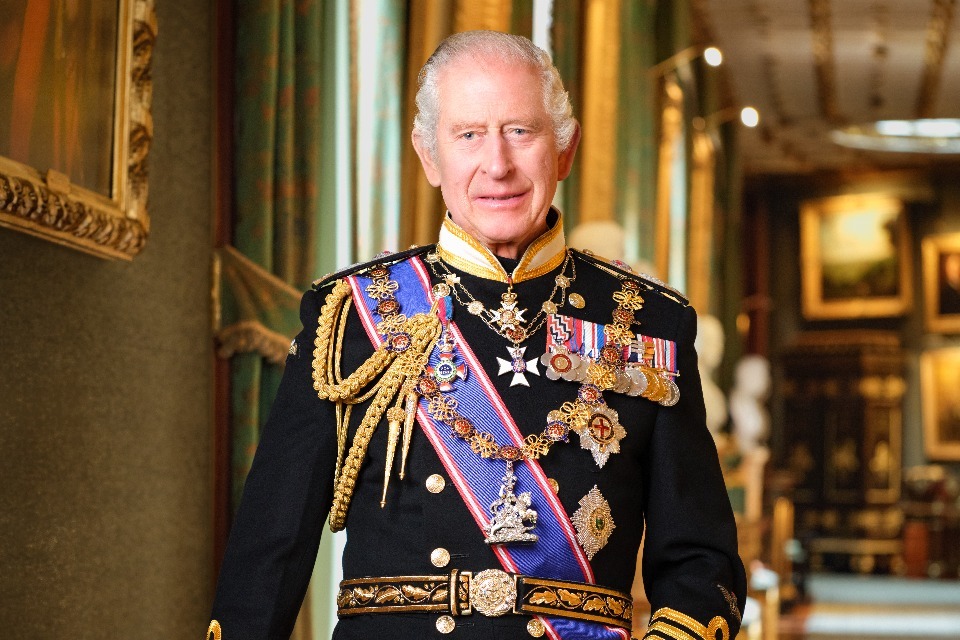
In early February 2024, Buckingham Palace announced that King Charles III had been diagnosed with a form of cancer and had begun treatment. The diagnosis followed a hospital procedure for benign prostate enlargement, but the Palace said the cancer itself was not prostate cancer. It did not disclose the cancer type, stage or detailed treatment plan.
Those limits remain central to accurate reporting. “Cancer” describes many diseases with different treatments and outlooks. Without a named diagnosis or medical statement, outside claims about severity, remission, recurrence or life expectancy are speculation. Repetition does not turn an anonymous or unsourced claim into a medical fact.
What changed in the public diary
The King temporarily stepped back from public-facing engagements while receiving treatment. He continued constitutional state business and official paperwork. This distinction matters because the sovereign’s work includes both visible visits and less visible duties, such as receiving government documents and holding necessary meetings.
In April 2024, Buckingham Palace said he would shortly return to public-facing duties after treatment and recuperation. His first announced engagement in that return was a visit to a cancer treatment center. The Palace described the return as a milestone, not as a declaration that treatment had ended or that he had been cured.
A return to engagements is evidence of resumed work, not a substitute for a medical statement.
What the Palace did not say
The Palace did not identify the organ affected, the stage, the drugs or procedures used, or a prognosis. It also did not say in the April 2024 announcement that treatment was complete. These absences are not clues to decode. They are privacy boundaries.
Headlines that use words such as “battle,” “all clear” or “cured” can imply information that has not been released. A more accurate formulation is dated and attributed: the Palace announced a diagnosis; the King received treatment; public-facing duties resumed; later official engagements show continued activity.
Public work after the diagnosis
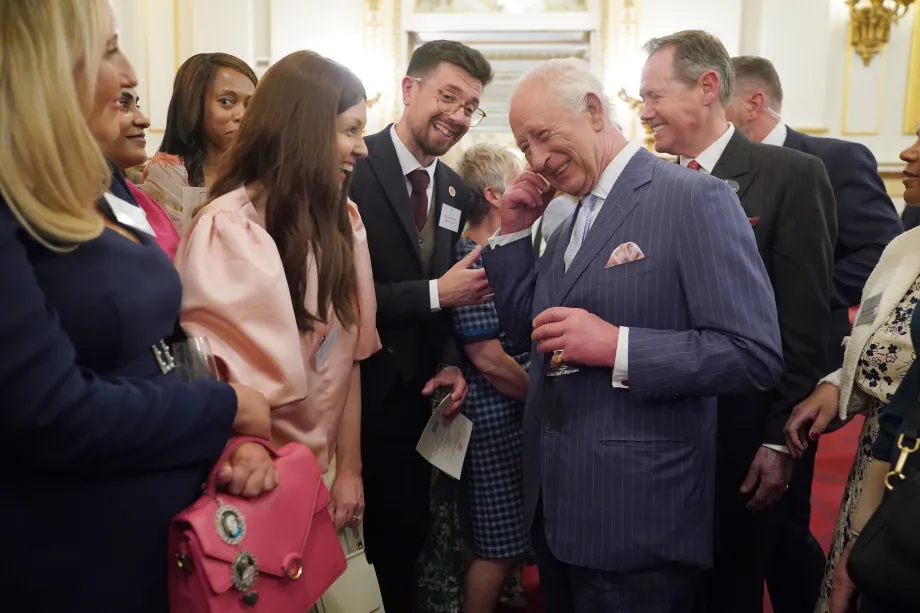
Official records document the King carrying out public engagements after his return. On May 1, 2025, he and Queen Camilla hosted a Buckingham Palace reception recognizing community-based cancer projects. The King described himself as one among those who had received a diagnosis and spoke about the compassion shown by care organizations and supporters.
The event brought together cancer patients, advocates and organizations including Macmillan Cancer Support, Breast Cancer Now, Maggie’s and Children’s Hospice South West. It connected the King’s personal experience to longstanding royal patronage without revealing additional clinical details.
How constitutional continuity works
A monarch’s illness does not automatically transfer the Crown. Routine arrangements can be adjusted, public engagements can be delegated and Counsellors of State can be authorized to perform specified functions when necessary. A regency is a separate legal mechanism with a higher threshold and formal process.
During the 2024 reduction in engagements, the public evidence was that Charles remained King and continued core state business. Claims about abdication or immediate succession were not supported by the Palace announcement. The constitutional system is designed to distinguish temporary limits from a permanent change of sovereign.
Privacy and the public interest
The health of a head of state has a legitimate public dimension because it can affect the performance of constitutional duties. That does not remove all medical privacy. The responsible balance is to report functional consequences — which duties changed, what was delegated and what official statements said — without inventing a diagnosis from appearances or schedules.
Photographs are especially poor medical evidence. A single image can reflect lighting, timing and an ordinary fluctuation in energy. Experts who have not examined the King cannot responsibly determine a diagnosis or prognosis from pictures. Sourced updates should come from the Palace, named medical information released with consent or reputable reporting that clearly identifies its evidence.
How to read a King Charles health update
- Check the date. A 2024 statement may be recirculated as if it were new.
- Identify the source. “Royal sources” is not the same as an on-record Palace statement.
- Separate duties from diagnosis. A canceled visit does not establish a medical change.
- Look for exact language. “Continuing treatment,” “returning to duties” and “in remission” are not interchangeable.
- Reject predictions. Succession speculation is not a health report.
The confirmed picture
The established timeline is limited but clear: a cancer diagnosis was disclosed in February 2024; the Palace withheld the type and stage; the King temporarily reduced public-facing work while continuing state duties; and he returned to public engagements in April 2024. Official activity in 2025 included a reception focused on community cancer care.
Anything more specific requires a later attributable statement. Until then, accuracy means respecting the distinction between what is known, what has not been shared and what may never be public.
Why this matters
A monarch’s health is personal information with constitutional consequences. The public needs enough clarity to understand continuity of duties, but illness does not erase the individual’s right to medical privacy. Responsible reporting separates confirmed capacity from speculation about diagnosis, treatment and succession.
How we got here
Royal health was historically concealed to preserve authority, while modern institutions face stronger expectations of transparency. The current approach sits between those eras: the palace confirms selected facts and adjusts duties without releasing a complete clinical record. That compromise can build trust only if updates are consistent and avoid strategic ambiguity.
Who benefits, who loses and what critics say
Clear updates benefit the public, government and organizations planning engagements. Intrusive speculation benefits publishers more than readers and can harm the family. Critics of limited disclosure argue that a head of state is not fully private; defenders note that constitutional contingency plans exist precisely so every medical detail need not become public property.
What the comparison implies
Public appearances before and after treatment can demonstrate activity but not prognosis. The relevant measure is whether constitutional duties are performed and whether counsellors of state or regency mechanisms are invoked. Comparing calendar volume across years may mislead because age, priorities and treatment all affect scheduling.
What happens next
Expect periodic official updates and a calibrated program rather than a single declaration of complete normality. If capacity changes materially, constitutional mechanisms provide continuity; if duties remain stable, speculation should not outrun evidence. The standard is simple: report what the palace and responsible medical statements confirm, and leave the rest unknown.
Sources: The April 2024 return and the Palace’s decision not to disclose type, stage or completion of treatment were reported by NPR via North Country Public Radio. The May 2025 engagement is documented by The Royal Family’s official event record. This article reports public information and does not offer medical advice.