World / India — The Adani Modi documentary takedown reached a Kolkata courtroom on Monday: the Calcutta High Court ordered YouTube, X and Instagram to remove Sabeer Bhatia’s 36-minute film ‘The Friendship Files’ and barred its circulation until January 31, 2027 — an interim order, passed before the film-maker’s side has been heard, that expressly does not bar criticism of Adani or of government policy.
Track it live: Live market tracker — Adani Enterprises is a listed company and the suit prompted investor inquiries.
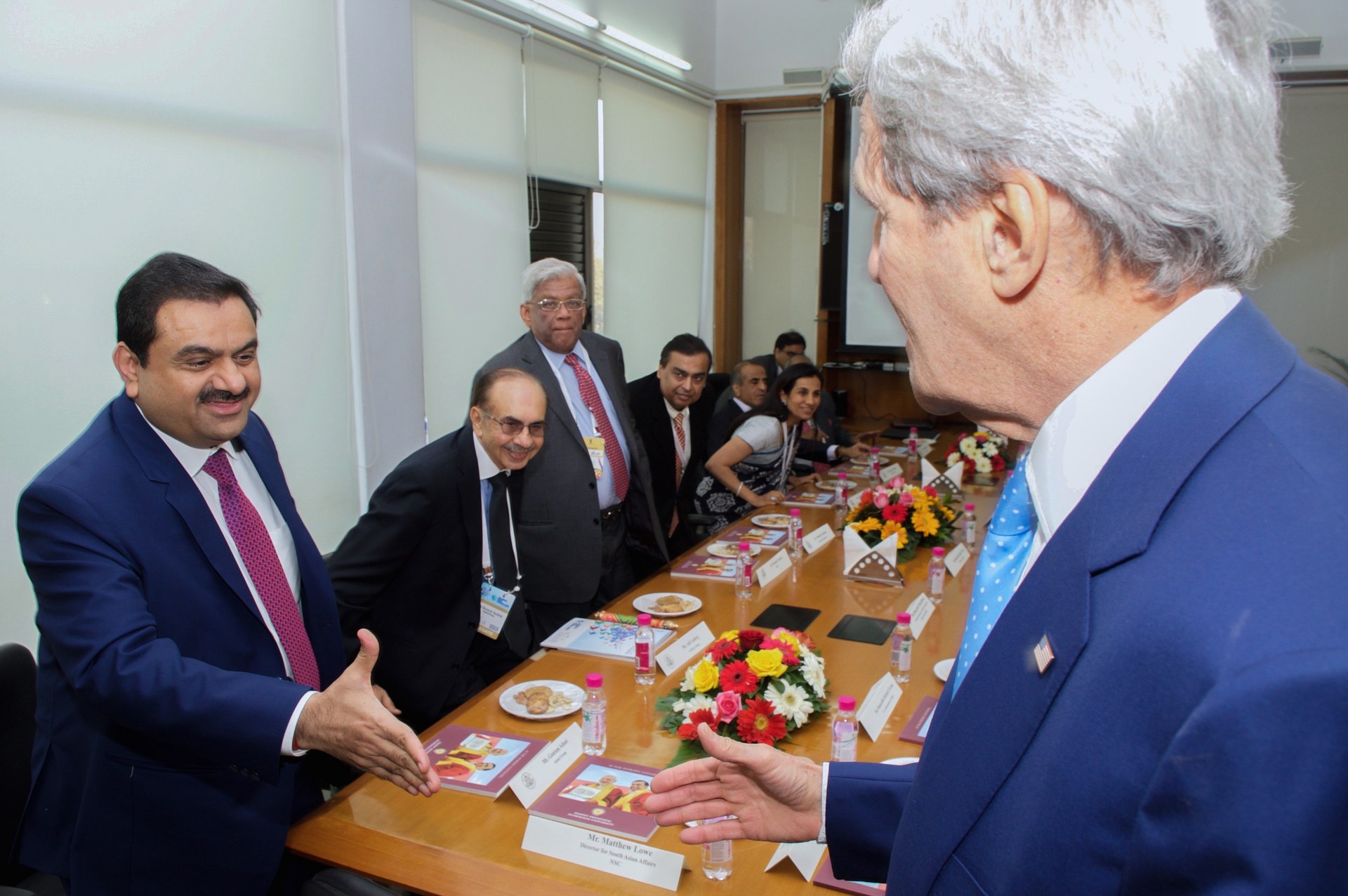
The Adani Modi documentary takedown is now a court order. In an interim order passed on Monday, October 26, 2026, Justice Aryak Dutt of the Calcutta High Court directed YouTube, X and Meta’s Instagram to remove specified posts of ‘The Friendship Files’ — the 36-minute film circulated in full as ‘How Modi and Adani Stole India: The Friendship Files’ — restrained its maker, Hotmail co-founder Sabeer Bhatia, from disseminating it, and barred the circulation of copies and reposts. The order, in Adani Enterprises Limited v. Sabeer Bhatia and Others (CS No. 75 of 2026, Original Side), remains in force until January 31, 2027, with further hearings expected in January.
Two limits matter as much as the order itself. It is interim and prima facie: it decides what may circulate while the case is argued, not whether anything the film alleges is true — and not whether Adani Enterprises’ claim that the film is false is true either. Neither question has been tested in court, and the order records no arguments by Bhatia. And it is narrower than a ban on a subject: the court expressly clarified that constructive criticism or truthful, fair reporting on Adani or on government policy, backed by evidence, is not barred. What has been restrained is one identified film, its copies and its clips.
What the court ordered
Adani documentary removed YouTube X Instagram: the takedown directions
The directions run against both the man and the machines. Bhatia is restrained from disseminating the film. YouTube, X and Instagram were ordered to remove the specified posts carrying it, and circulation of copies and reposts was barred, so the restraint follows the content rather than only the original uploads. According to LawTrend and LawChakra’s reporting of the order, the platforms were also directed to preserve account and IP records for the accounts that circulated the film — a direction that keeps open the possibility of proceedings against unidentified uploaders. In form, the Adani Enterprises documentary court order is an ad-interim injunction in a defamation suit: the company seeks damages and permanent restraint, temporary relief has been granted first, and it holds until January 31, 2027 or further orders, with the case expected back before the court in January.

The court’s reasoning — and its limits
Calcutta High Court Adani documentary: a ‘dramatised narrative’, judged prima facie
The court called the film a “dramatised narrative”, not a news report or an account of proceedings — a work whose title expressly imputes theft and whose narration and visuals are represented as factual. On Bar and Bench’s reading of the order, the court said that imputations linking the Adani Group to narcotics smuggling linked to terror funding, or to police violence against a farmer, were not substantiated by any authority. It also prima facie saw a lack of good faith in the film’s re-upload after an earlier disablement of the original video in India. On urgency, its reasoning was the reasoning of the internet itself: online content spreads through reposts and re-uploads, reputational injury from continued republication cannot adequately be repaired in money, and without an order now, its purpose would be defeated before the respondents can be heard. The counterweight sits in the same order — the carve-out confirming that constructive criticism or truthful reporting on the petitioner or on government policy, backed by evidence, is not barred.
Adani Enterprises’ case
Adani defamation suit Bhatia: false content, suppressed facts, investor inquiries
Adani Enterprises’ case, as recorded in the order and in Reuters’ account, is that the film is riddled with false content and suppressed material facts, and that it had prompted inquiries from some investors — investors the court order did not name. The company told the court the suit does not seek to restrain constructive criticism of government policy or of business concentration: its target, on its own framing, is this film and the specific imputations in it. It invoked reputation as part of the Article 21 right to life. Senior Advocate Anirban Ray appeared for Adani Enterprises, instructed by the AQUILAW team; Advocate Pragya Jain appeared for Google/YouTube; the order does not record arguments by Bhatia. Each element of the company’s case is, at this stage, an assertion awaiting proof — and its narrow framing cuts both ways: the narrower the suit, the stronger the argument for interim relief against this one film, and the weaker any claim that the case is about silencing scrutiny of the group generally.
Bhatia’s position
Sabeer Bhatia Adani video: ‘Truth is on my side’
Bhatia is a U.S.-based technology entrepreneur who co-founded Hotmail, the webmail service he sold to Microsoft in 1997. He made the film with the Shadow Citizens channel and released it on his ‘Bcubed’ YouTube channel, first uploaded on October 9, 2026, and posted on X. His response to the suit has been made on X rather than, so far, in the courtroom: he posted that the suit seeks 500 million rupees — $5.25 million — in damages, wrote “Truth is on my side”, and said he believes the documentary “has rattled Adani Enterprises Limited and struck a nerve at the highest levels”. Those posts assert confidence; they are not yet a legal defence, and whether Bhatia now contests the interim order is the largest open procedural question in the case — an injunction obtained without a fight can look very different once the other side is in the room.
How far the film had already travelled
Raj Thackeray Friendship Files 4.8 million views — and the other number
Two view counts anchor the reporting, and they measure different things, so they should not be merged. Reuters reports the film garnered millions of views on social media in recent days. A share by Raj Thackeray, the regional opposition leader, on X garnered 4.8 million views before he took it down, saying he did so at the request of the Mumbai police commissioner. Opposition lawmaker Mahua Moitra posted the film on October 11 and wrote on Monday night that it was still on her timeline. Bar and Bench, by contrast, puts the original YouTube and X upload at over 80,000 views. Both figures can be true at once — the original upload’s count is one number, the circulation through shares by political figures is another, much larger one. The gap between them is, in a sense, the case: the order is built to stop the circulation, not the upload. Modi’s opponents have repeatedly shared the film, saying it reflects allegations they have long made, which made the takedown fight an opposition-politics story as well as a legal one.
The road to the courtroom
October 9 upload, October 19 police notice, October 26 order
Monday’s order was the third intervention against the film, not the first. The film was uploaded on October 9, 2026. On October 19, Maharashtra police sent Bhatia a takedown notice saying the content “made serious unsubstantiated allegations”. MediaNama reported that YouTube had earlier blocked the video in India after a legal complaint from a government entity — the disablement after which, the court prima facie found, the film was uploaded again. On October 26 came the civil suit and the interim order in Kolkata. The three steps describe a ladder of widening reach: a platform-level block in one country, a police notice to the creator, then a court order binding platforms, creator and circulators alike, extended to copies and clips and backed by a records-preservation direction.
What the film alleges — and what is denied
Modi Adani cronyism allegations: the Gujarat years and the six airports
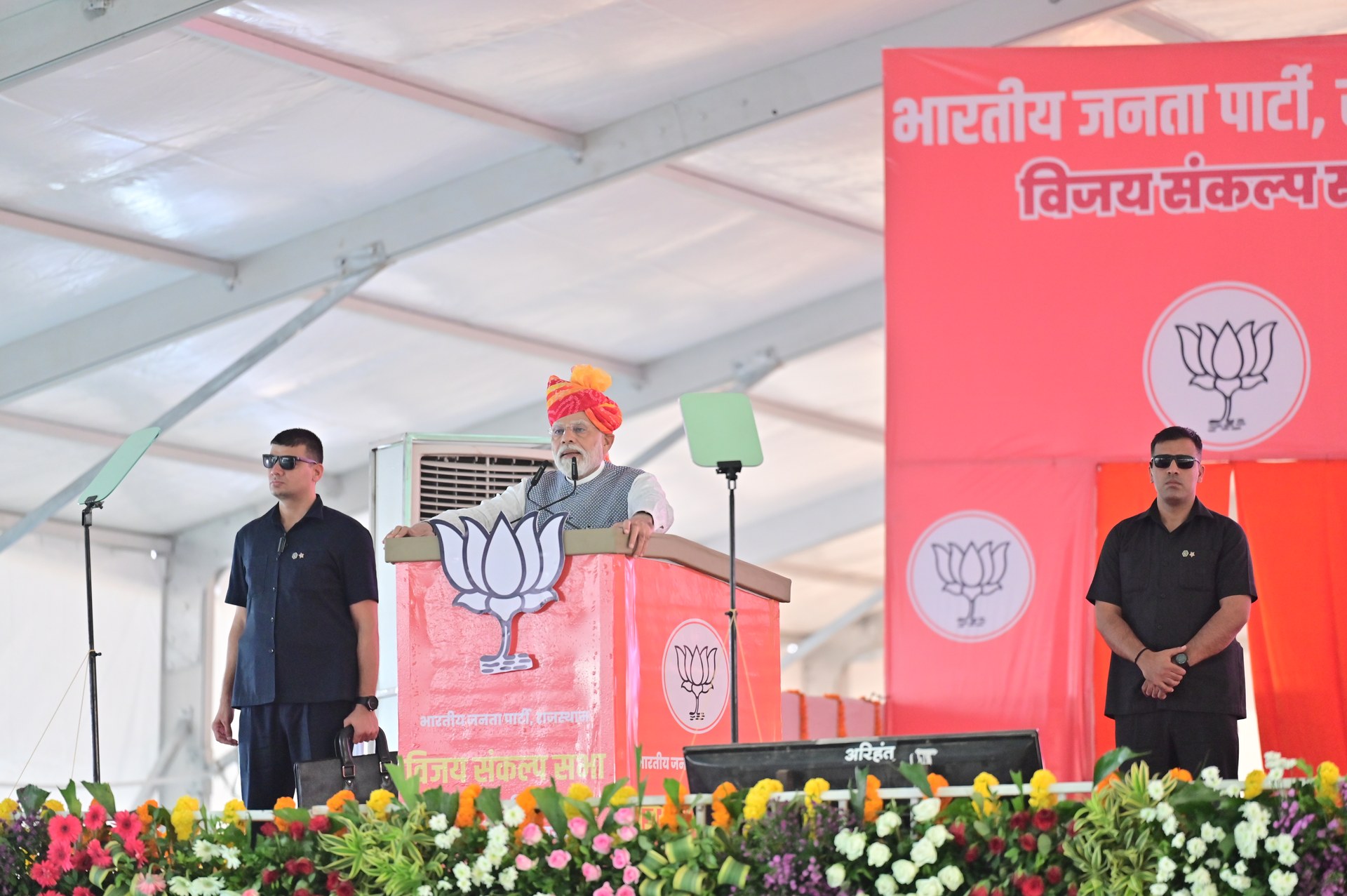
The film’s subject, stated here as allegation and nothing more, is the relationship between Narendra Modi and Gautam Adani. Using archival footage, it traces that relationship from Gujarat, the western state both men come from, and raises questions about Adani’s winning bid for six airports in 2019 after a government rule change that critics say favoured his enterprise — allegations similar to those long levelled by the opposition Congress party. The Adani Group has denied such allegations, and the government says all regulations were complied with and there is no favouritism. Both denials are longstanding and were restated in coverage of this case. For the record, and plainly: Modi’s office did not respond to Reuters’ request for comment, and Adani Enterprises, Bhatia and the platforms did not respond to Reuters either. The positions in this article come from the court order, the company’s case as the order records it, and Bhatia’s posts on X.
Why this matters
Free expression against reputation
The case sits on the oldest fault line in Indian media law: free expression against reputation. On one side is Adani’s Article 21 argument — reputation as an aspect of the right to life — reinforced by a concrete commercial claim, that the film was already moving investors to ask questions. On the other, yet to be argued in court, is the proposition that a film about the relationship between a prime minister and the country’s most prominent industrialist is core political speech. The interim order does not resolve that contest; it holds the ring in one direction until January — and interim orders in defamation cases are where Indian courts effectively decide how much speech happens while the law takes its time.
An injunction before a defence is heard
The order was passed without Bhatia’s arguments being recorded. That is lawful and common for urgent interim relief, and the court’s urgency logic is stated on its face. But it means a 36-minute work of political argument has been removed from India’s three largest platforms, and its circulation barred, on a prima facie assessment of a case only one side had argued. Supporters of the order answer with its own limits: the imputations singled out were, the court said, supported by no authority at all, and the re-upload after a disablement suggested the ordinary takedown process had already been tried and circumvented.
Platform power, exercised by direction
Neither the police notice nor the earlier India block ended the film’s circulation; a court direction to YouTube, X and Instagram, covering specified posts, copies and reposts and backed by a records-preservation requirement, is a different instrument. Platforms become the enforcement arm — removing not just listed uploads but the circulation around them, and keeping the account and IP records that could identify who spread the film. The machinery that makes this order effective is what makes its precedent matter beyond this film.
The listed-company stakes
Adani Enterprises is the group’s listed flagship, which is why the Adani Enterprises share price documentary question runs through the case: the company itself put investor inquiries before the court as part of its injury. For a listed conglomerate, a viral film alleging cronyism is simultaneously a reputational, political and market event, and a court order is the one response that addresses all three at once. The market side of the story can be followed on our live market tracker, alongside the wider India market coverage in our report on how the Sensex crashed 1,000 points and the Nifty hit a 52-week low earlier this month.
What the ‘criticism not barred’ carve-out actually protects
The order’s most consequential sentence may be its carve-out: constructive criticism or truthful and fair reporting on Adani or on government policy, backed by evidence, is not barred. In practice that protects the ordinary work of journalism and commentary about the group — reporting this case, analysing its businesses, criticising policy said to favour it — so long as the work is criticism or reporting rather than a recirculation of the film or its pleaded imputations. The boundary it draws is between one specific work, found prima facie indefensible, and the subject that work addressed. The subject remains open; the film, for now, is closed. How platforms apply that boundary to borderline posts — commentary quoting the film, news segments showing clips — is an untested question the order leaves to them.
Background: a long argument, and a parallel press-freedom fight
The cronyism argument is not new, and the film is its latest vehicle rather than its origin. Opposition parties, Congress foremost among them, have alleged for years that the Modi government favours Adani’s enterprises, with the 2019 award of six airports among their most cited examples; the group and the government have denied favouritism throughout, and the government says regulations were complied with in full. The film repackaged that long argument for a platform audience — which is why its circulation, rather than its novelty, brought it to court.
The case also lands in a month when Indian press freedom is being litigated on a second front. In the Supreme Court, 21 news publishers in the Digital News Publishers Association — including outlets owned by companies associated with Mukesh Ambani and Gautam Adani — have challenged the government’s digital privacy law in a suit filed on October 6, arguing it would trample investigative work and could let the state identify journalists’ sources; the government has given assurances on press freedom while the publishers seek written protection. That fight is context, not part of this case. But read together, the two describe the real terrain: the same corporate names can appear on the free-expression side of one case and the reputation side of another, depending on whether the speech at issue is their journalism or someone else’s film about them.
Who benefits, who loses — and what critics say
Adani Enterprises gains what it asked for: removal, restraint, and a judicial characterisation of the film as a dramatised narrative built on unsubstantiated imputations — language it can put before the investors who had been asking questions. Bhatia loses distribution on the three platforms that matter most in India and faces a damages claim of 500 million rupees, though a takedown of this kind also makes its target a story in itself. Viewers and researchers in India lose access, through ordinary channels and until January at least, to a work at the centre of a live political argument — before its merits have been tried.
Critics of interim takedowns argue, in general terms that map directly onto this case, that pre-trial restraint in defamation suppresses speech on an untested record, that a creator based abroad and unheard at the interim stage is poorly placed against a listed company’s legal resources, and that orders reaching reposts by non-parties convert a two-party dispute into a general prohibition enforced by platform machinery. Adani and the court have their answers on the record: the imputations were said to be supported by no authority; the film was re-uploaded after a disablement; the restraint is confined to one film and its copies; and criticism and fair reporting are expressly untouched. January is when those claims start being tested against each other.
The numbers in context
- 36 minutes: the running time of ‘The Friendship Files’ (full title as circulated: ‘How Modi and Adani Stole India: The Friendship Files’).
- 4.8 million views: the audience for Raj Thackeray’s share of the film on X, per Reuters, before he removed it saying the Mumbai police commissioner had asked him to.
- Over 80,000 views: Bar and Bench’s figure for the original YouTube and X upload — a different measure from the millions Reuters reports for the film’s circulation through shares.
- 500 million rupees ($5.25 million): the damages Bhatia posted on X that the suit seeks.
- October 9, 2026: the film’s first upload, on Bhatia’s ‘Bcubed’ channel with Shadow Citizens.
- October 19, 2026: Maharashtra police sent Bhatia a takedown notice citing “serious unsubstantiated allegations”; MediaNama reported YouTube had earlier blocked the video in India after a government entity’s legal complaint.
- October 26, 2026: Justice Aryak Dutt’s interim order in CS No. 75 of 2026 — in force until January 31, 2027, with further hearings expected in January.
Read together, the figures describe a dispute about distribution, not production. The film cost its makers a channel upload; one opposition share ran to 4.8 million views; and the legal response is scaled to the circulation — three platforms, copies and reposts restrained, records preserved, for just over three months ending with the January hearings.
What happens next
The case returns to court in January, with the interim order running to January 31, 2027. The first question is whether Bhatia contests it: an application to vacate or vary the injunction, a defence pleading truth or fair comment, or an appeal against the ad-interim order would each produce the argument Monday’s hearing did not have — his. The second is enforcement beyond the parties: whether reposts by people who are not respondents are removed at scale, how platforms treat clips and commentary quoting the film, and whether the records-preservation direction leads to identified uploaders being added to the suit. The third is the carve-out’s real-world width: whether evidence-backed criticism and reporting proceeds visibly unaffected, as the order promises, will be tested in public by newsrooms over the next three months. The order could be extended, narrowed or dissolved in January; the damages suit will run far longer either way. India’s business story continues on other fronts too, including the infrastructure build-out behind Tata Communications’ $450 million bet on fibre for India’s AI corridors and the mixed signals in India’s flash PMI, which hit a four-month high even as hiring stalled.
Related coverage: Sensex Crashes 1,000 Points, Nifty Hits 52-Week Low — What Broke the Market · Tata Communications Bets $450M on Fibre for India’s AI Corridors · India PMI Hits 56.7, a Four-Month High — but Hiring Has Stalled
Sources
- Reuters, October 27, 2026 — “Indian court orders takedown of documentary on Adani, Modi”: the interim order in force until January 31, 2027; the removal directions to YouTube, X and Instagram and the restraint on Bhatia; hearings likely to resume in January; the October 19 Maharashtra police notice; Thackeray’s 4.8-million-view share and its removal; Moitra’s October 11 post; the film’s Gujarat-to-airports allegations; the denials of favouritism; and the absence of responses from Modi’s office, Adani Enterprises, Bhatia and the platforms: reuters.com.
- Bar and Bench, October 26, 2026 — “Calcutta High Court blocks streaming of Sabeer Bhatia’s video on Modi-Adani ties”, including its reading of the order and the order PDF: the “dramatised narrative” characterisation, the unsubstantiated imputations, the re-upload and good-faith finding, the criticism carve-out, and the original upload at over 80,000 views: barandbench.com.
- LawTrend, October 27, 2026 — “Calcutta High Court Restrains Circulation of Modi-Adani Documentary Till January 31, 2027”: the injunction’s scope, the platform removal directions and the direction to preserve information relating to accounts involved in the film’s circulation: lawtrend.in.
- LawChakra, October 2026 — “Calcutta High Court Restrains Circulation Of Video On Modi-Adani Ties”: the ad-interim, prima facie character of the order in CS No. 75 of 2026; the parties and counsel recorded (Senior Advocate Anirban Ray; Advocate Pragya Jain for YouTube); and the Article 21 reputation argument: lawchakra.in.
- MediaNama, October 2026 — reporting that YouTube had earlier blocked the video in India after a legal complaint from a government entity: medianama.com.
- Reuters, October 26, 2026 — “Ambani, Adani outlets among Indian publishers contesting Modi’s privacy law”: the DNPA’s October 6 Supreme Court challenge to the digital privacy law, cited as context only: reuters.com.