Economy / India — India’s private sector expanded at its fastest pace in four months in October, the flash India PMI showed on Friday: the composite index rose to 56.7 as services accelerated and export orders grew at their fastest in six months. But the same survey contains the puzzle of India’s expansion — employment was completely flat, ending a nine-month hiring streak, because firms are clearing work at a near-record pace with the staff they already have.
Track it live: Stock markets and indexes, live — Signal Post News tracker
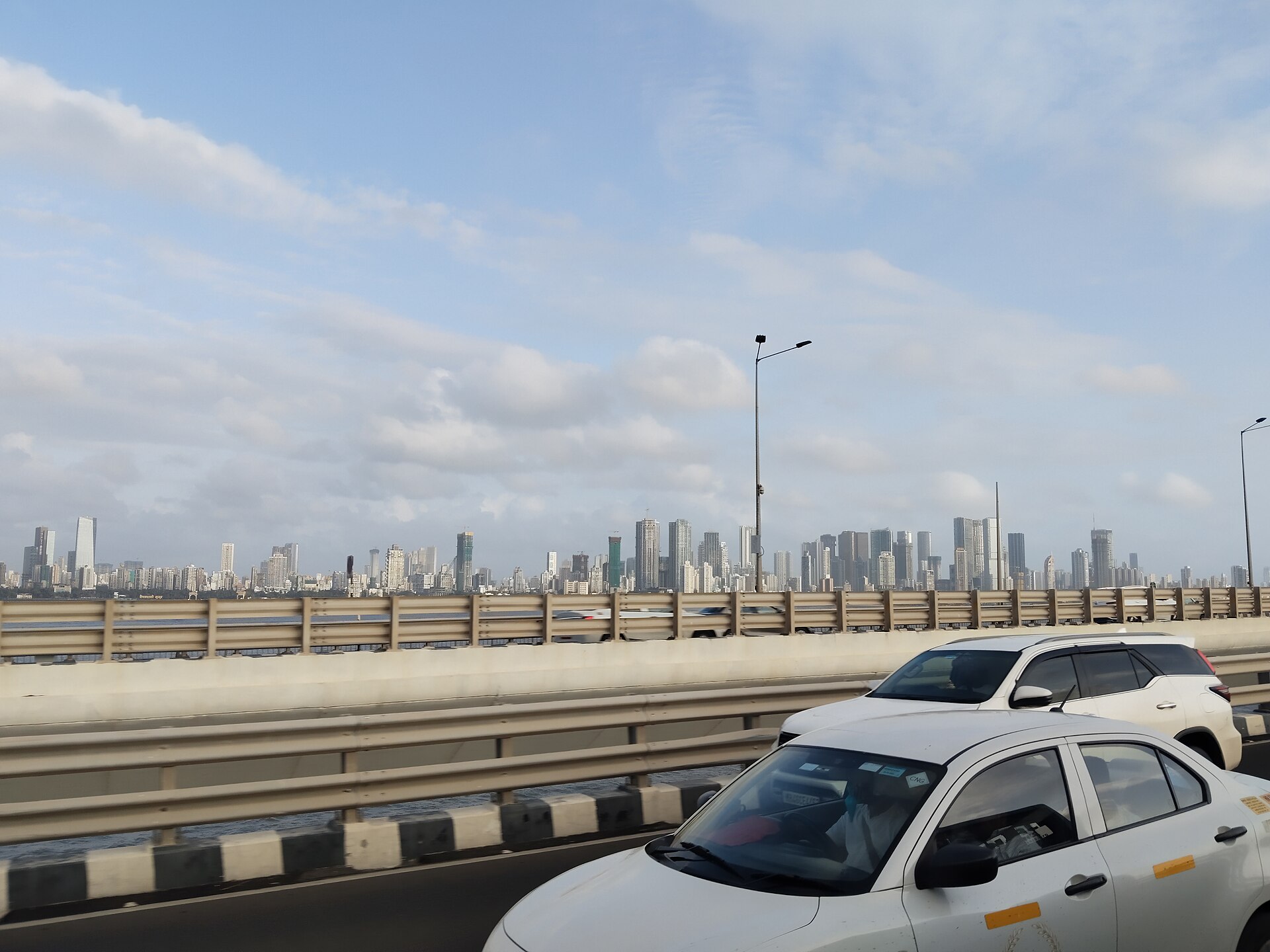
BENGALURU — The India PMI for October 2026 came in stronger than expected on Friday, and stranger than it first looks. HSBC’s flash India Composite Purchasing Managers’ Index, compiled by S&P Global, rose to 56.7 in October from September’s final 55.9, Reuters reported — above the 56.1 median forecast in a Reuters poll and the fastest expansion of private-sector activity since June. The engine was services, the sector that dominates India’s economy: the services PMI climbed to 56.2 from 55.2 as demand strengthened at home and abroad. Manufacturing told a more divided story. Factory output edged higher and new export orders for goods grew at their fastest pace since June 2025, HSBC’s chief India economist Pranjul Bhandari noted, yet the headline manufacturing PMI slipped to 54.9 from 55.1, dragged down by slower recruitment. And recruitment is where the release turns genuinely interesting: across the private sector, employment was unchanged in October. Services companies stopped adding staff altogether, ending a nine-month run of hiring, while manufacturers added workers only marginally — not because orders were weak, but because firms said their existing teams were enough.
The detail that explains the paradox sits one line further down the survey. Companies’ backlogs of unfinished work fell in October at the joint-fastest pace in nearly six and a half years — one of the sharpest clearances since the global financial crisis era. In other words, Indian firms are not failing to hire despite growing; they are growing, in part, by working through their order books faster than new work arrives at the margin, and a business that is burning down its backlog does not post job advertisements. International demand helped the top line: total export orders expanded at the fastest pace in six months, though the improvement was concentrated among goods producers, with foreign demand for Indian services actually weakening. The cost picture, meanwhile, gave the Reserve Bank of India room to breathe. Input-cost inflation eased to its lowest in almost a year, and the prices companies charged their customers rose at the weakest pace since March last year. Business confidence recovered to its highest level since May — though, as with the headline index itself, it remained below this year’s average.
A growth model that produces output faster than it produces jobs
Put October’s three numbers side by side and they describe the central tension in the Indian economy with unusual clarity. Output: expanding at a four-month high. Backlogs: shrinking at a near-record pace. Jobs: flat. That is the signature of a productivity-led expansion — firms meeting stronger demand by sweating existing capacity, clearing queues, stocking inventories and working smarter rather than by hiring. Bhandari’s commentary pointed the same way: manufacturers responded to stronger export demand by building inventories of both raw materials and finished goods, positioning for orders they expect rather than staff they have not yet taken on. For a country that needs to absorb millions of young entrants into its workforce every year, the distinction between growth that hires and growth that merely produces is not academic. September’s survey, reported by Reuters on October 6, showed services hiring already softening and the July–September quarter’s average activity at its weakest since early 2022; October’s rebound is real, but it arrived in the one form — jobless at the margin — that does least to relieve India’s employment pressure.
There is a more charitable reading, and the data supports part of it. A backlog falling at its fastest in six and a half years can also mean supply chains and shop floors finally running clean after years of disruption: orders placed months ago are being delivered, shelves restocked, and capacity freed for the next cycle. Export orders growing at a six-month high — with goods, not services, doing the work — hints at Indian factories winning share in supply chains that are still being rearranged around tariffs and geopolitics, the same churn that has whipsawed Indian markets this autumn, as the Nifty’s slide to a 52-week low showed earlier this month. If those export orders persist into November and December, the inventory build Bhandari described becomes tomorrow’s production — and factories that have stocked materials eventually have to staff the lines that turn them into goods. The hiring stall, on this reading, is a lag, not a verdict. Which reading is right depends entirely on whether the order books refill.

Why this matters: the RBI gets good news it can actually use
For policymakers, October’s PMI is close to the ideal combination — and that is rarer than it sounds. Growth accelerated while the inflation pipeline cooled: input costs rising at their slowest in almost a year, selling prices at their weakest since March of last year. Central banks dread the opposite mix, and much of the world is living it this month — Britain’s PMI beat came with cost inflation strong enough to make a Bank of England rate hike look near certain, and the eurozone is stagnating under the same energy shock. India, importing most of its oil into an energy shock centred on the Gulf, might have been expected to suffer the worst of both. Instead, the survey suggests the shock is passing through Indian supply chains as a cost problem firms are absorbing, not a price spiral they are passing on. That gives the Reserve Bank of India something its peers in London and Frankfurt do not have: time. With the next RBI policy meeting on the horizon, the PMI’s softening inflation gauges will be watched closely for signals on whether rate cuts remain in play before the end of the financial year — and a central bank that can contemplate easing into a four-month growth high is in an enviable position.
The composition of demand matters for what happens next, too. October’s export strength was a goods story: foreign orders for Indian products rose at their fastest since June 2025, while new business from abroad for services — the traditional backbone of India’s external earnings, from software to back-office work — weakened. That inversion lands in the middle of New Delhi’s trade diplomacy, with India and the United States still working through the interim trade framework discussed by Prime Minister Narendra Modi and President Donald Trump, covered by this site in September. If goods exporters are carrying the expansion while services exports cool, the stakes of tariff terms rise further: factories can build inventory for a quarter, but they cannot build it forever against uncertain market access.
Who gains, who waits: an expansion with an uneven spread
The winners from October’s pattern are easy to name. Exporters of goods gain twice — from the fastest growth in overseas orders in six months and from input costs rising at their slowest in nearly a year, a margin-friendly pairing. Consumers gain from the softest selling-price increases since March last year. The government gains a headline it can campaign on: the fastest activity growth since June, achieved while much of the world economy is being squeezed by $114 oil. And the RBI gains optionality, the most valuable currency a central bank can hold in a shock.
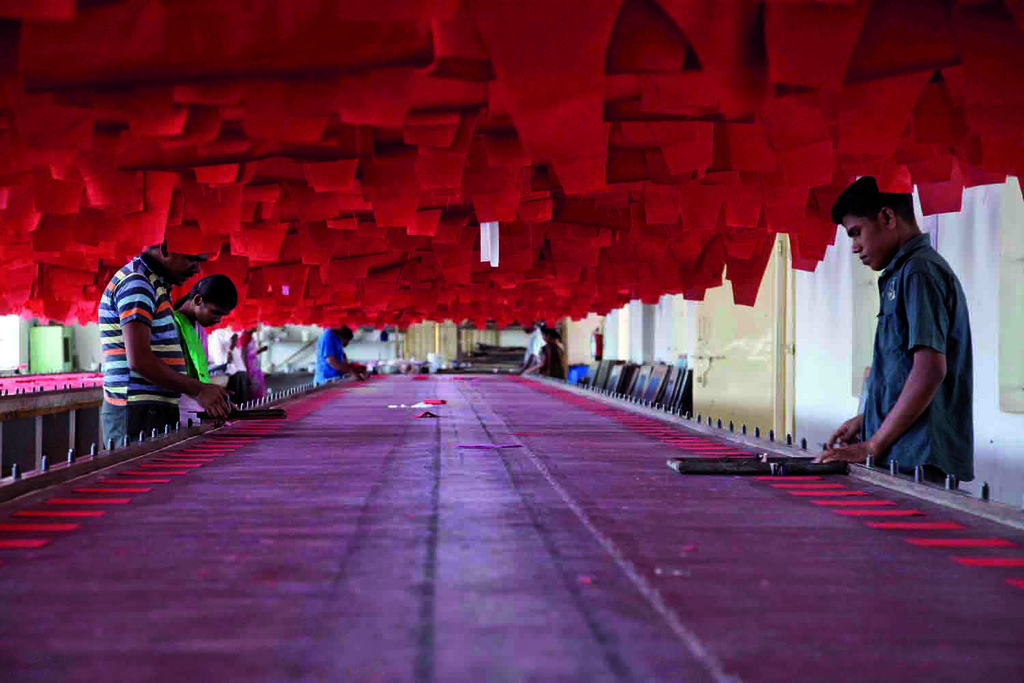
The people still waiting are the ones the headline misses. Jobseekers — above all the young graduates who queue for services-sector roles in Bengaluru, Hyderabad and Pune — got a flat employment index for their trouble: nine months of steady services hiring ended in the very month activity accelerated. Small firms deep in supply chains may also feel the squeeze hidden inside the good news: when large companies clear backlogs at a near-record pace and rebuild inventories, cash and orders move at the speed of the biggest balance sheets. And the expansion’s own foundations carry two warnings. The composite index, for all its strength, remains below this year’s average; so does business confidence, even after recovering to a five-month high. A rebound that is still running below the year’s trend is a rebound with something to prove — starting with whether firms that stopped hiring in October start again when the backlogs are gone and only new orders remain.
What happens next: orders must refill, or the stall becomes the story
Three tests will decide whether October was the start of a fuller recovery or a one-month clearance sale. First, the final PMI readings, due in early November, will confirm or revise the flash numbers and show whether the employment index truly flatlined across the full panel. Second, the order books: with backlogs now substantially cleared, November’s new-orders and hiring figures become a clean test of underlying demand — if export orders hold at October’s pace and domestic services demand keeps rising, the case for renewed hiring strengthens quickly, because there will be no backlog left to hide behind. Third, the RBI: another month of easing input costs alongside PMI readings in the mid-50s would strengthen the argument that India can support growth with lower rates; a renewed spike in energy prices — Brent crude is already at a five-month high above $114 — would close that window as fast as it opened. October gave India the growth. November has to give it the jobs.
Sources: Reuters (October 23, 2026 — “India October business growth hits 4-month high; hiring stalls, PMI shows”: HSBC flash India Composite PMI 56.7 in October from September’s final 55.9, above the Reuters poll median forecast of 56.1, below this year’s average; services PMI 56.2 from 55.2 driving the acceleration; employment unchanged, ending a nine-month hiring streak; manufacturing PMI 54.9 from 55.1 on slower recruitment despite higher output; backlogs fell at the joint-fastest pace in nearly six and a half years; export orders expanded fastest in six months, concentrated among goods producers as foreign demand for services weakened; input-cost inflation lowest in almost a year; selling-price increases weakest since March last year); IANS and PTI reporting of the HSBC release (October 23, 2026 — strongest activity growth since June; chief India economist Pranjul Bhandari on manufacturing new export orders growing fastest since June 2025, manufacturers increasing inventories of raw materials and finished goods, and easing input-cost and selling-price pressures; services firms halting net job additions after nine consecutive months while manufacturers added workers marginally); The Hindu BusinessLine (October 23, 2026 — business confidence recovered to its highest since May but remained below this year’s average); Reuters (October 6, 2026 — September context: services PMI final 55.2, composite 55.9, July–September the weakest quarter since the three months to March 2022, hiring already softening).