World / Europe — The ICC Sakharov Prize 2026 award makes the International Criminal Court the second institution in a month to be honoured while under American sanctions, and it turns a human rights ceremony in Strasbourg into the clearest European answer yet to Washington's campaign against the court.
The International Criminal Court and its officials have won the 2026 Sakharov Prize for Freedom of Thought, the European Union's highest honour for human rights work, European Parliament President Roberta Metsola announced in Strasbourg on Thursday, October 22. The ICC Sakharov Prize 2026 decision, taken by the Parliament's Conference of Presidents on Thursday morning, was received with a standing ovation in the hemicycle. It comes less than two weeks after the United States sanctioned the court itself as an institution, and less than two weeks after the Nobel Peace Prize went to Navi Pillay, a former ICC judge — two international honours in a single month for a tribunal that Washington is actively trying to squeeze.
Track it live: Wars and conflicts — live global tracker
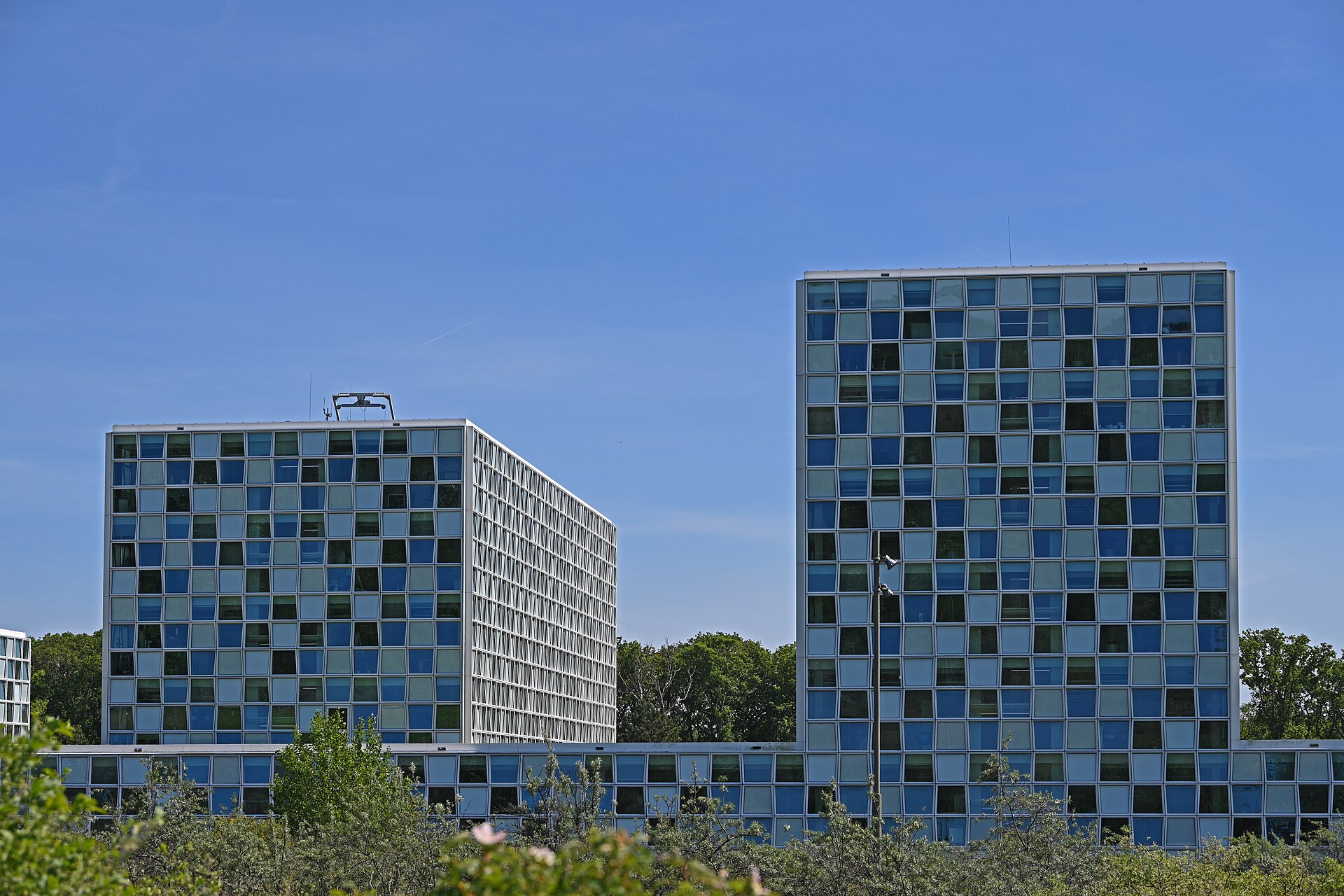
What was announced in Strasbourg
Announcing the laureate in the hemicycle, Metsola framed the award as a statement about what the EU is for. "The European Union is built on respect for multilateralism and international institutions. With the award of the Sakharov prize to the International Criminal Court and its officials, the European Parliament recognises the Court's important work in upholding international law and justice," she said, according to the Parliament's own announcement and Reuters reporting of the session. The Parliament's statement noted that the award highlights the court's investigations, prosecutions, trials and arrest warrants, and recalled that MEPs had already expressed deep concern in their 2025 annual reports at the waves of sanctions imposed on the ICC since 2025 — notably by the USA — against its prosecutors, judges, staff and partners, which they considered serious attacks on the international justice system.
The court's president, Judge Tomoko Akane, said the "unprecedented challenges" the ICC faces made the prize all the more significant. "It underscores the importance of continued international cooperation and support to enable the court to carry out its mandate independently and impartially, in the service of justice and the victims of the gravest crimes," Akane said, in remarks reported by Reuters. "There is no peace without justice and no security without law." The prize, named after the late Soviet dissident and physicist Andrei Sakharov, has been awarded annually since 1988 to individuals and organisations defending human rights and freedoms. It carries €50,000, and the court and its officials are due to collect it in Strasbourg on December 16, at the Parliament's last plenary session of the year.
How the vote actually broke — and why it was close
The result was not a coronation. Reporting by Rapporteur, which first reported the outcome, and Brussels Signal describes a genuinely contested two-round decision behind closed doors on Thursday morning. The ICC was nominated by the Socialists and Democrats (S&D) group, in a nomination initiated by French S&D member Chloé Ridel, and was backed by a left-and-centre coalition of S&D, Renew Europe, the Greens and The Left. Three right-wing groups — the European People's Party, the European Conservatives and Reformists, and Europe of Sovereign Nations — backed Tanzanian opposition leader Tundu Lissu in an inconclusive first round, while Patriots for Europe held to its own candidates, the Iranian sisters Taraneh and Romina Rahimi. The Patriots' nominees were then eliminated, and in the second-round showdown between Lissu and the court, the ICC had the largest number of votes.
Ridel called the win "historic" and did not pretend it was only about the court. "This is a message of hope and resistance sent to Donald Trump. We will stand with the ICC for as long as it takes," she told Rapporteur. S&D president Iratxe García Pérez called it "a victory for international justice, a defeat for autocrats, and a powerful reminder that accountability matters," and immediately pushed the argument one step further: "The next step is clear: activate the Blocking Statute" — the EU law that can shield European persons and entities from the effects of certain foreign sanctions. That demand matters, because it converts a symbolic prize into a live policy fight inside the EU about whether Europe will merely applaud the court or also protect Europeans who work with it.
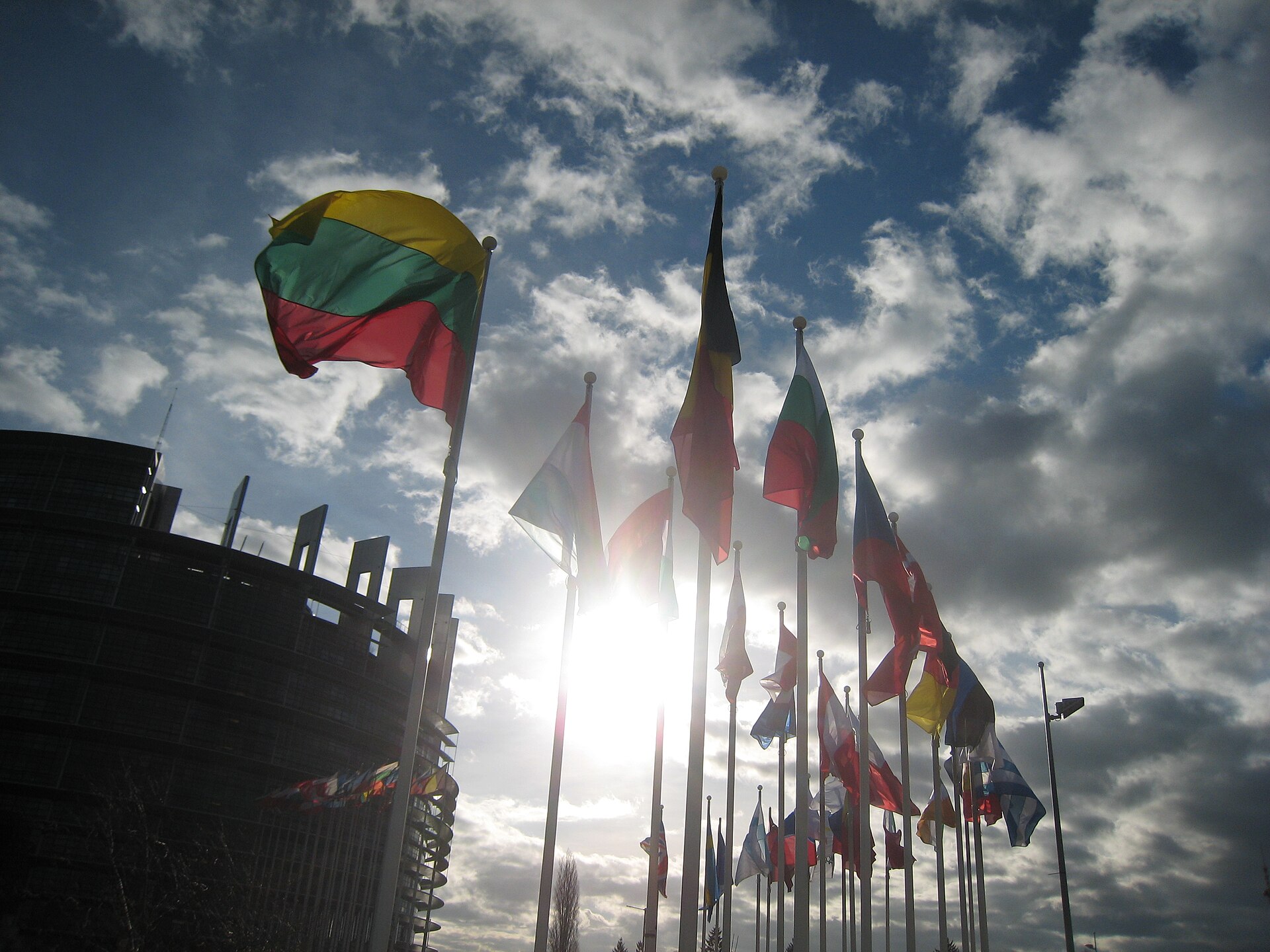
The sanctions backdrop: two honours in the month Washington moved against the institution
The timing is the story. On October 9, Washington announced sanctions against the ICC as an institution — hours after the Nobel Peace Prize was awarded to Navi Pillay, who served as an ICC judge from 2003 to 2008 and later chaired the UN commission of inquiry whose report concluded Israel had committed genocide in Gaza. Secretary of State Marco Rubio said transactions with the court would be banned after a grace period of six months. Our coverage of that escalation, and of the Nobel award that preceded it by hours, is at the US sanctions on the ICC and the Pillay Nobel, and the political fallout — including the denunciation of Pillay and Israel's reaction — is followed in the Nobel fallout reporting.
The longer arc runs through the court's 2024 arrest warrants against Israeli Prime Minister Benjamin Netanyahu and his former defence minister, which sharply escalated the Trump administration's campaign against the tribunal, and through earlier sanctions waves against individual judges and prosecutors since 2025. The American position, as stated by Washington, is that the court has overreached — investigating Israeli and American officials without the consent of their states — and threatens US and allied sovereignty. The European position, as stated in Strasbourg on Thursday, is the mirror image: that sanctioning judges for doing their jobs is itself an attack on the rules-based order. Both claims were on the record long before Thursday; what changed is that Europe's parliament has now attached its most prestigious human rights honour to its side of the argument.
Why this matters
A prize does not pay a court's electricity bill, and the Sakharov award will not by itself lift a single sanction. Its significance is different, and it operates on three levels. First, legitimacy: the ICC is a court of last resort created by the Rome Statute — the world's first permanent international criminal court, prosecuting genocide, war crimes, crimes against humanity and aggression where national courts cannot or will not. A court like that runs on perceived legitimacy as much as on law, and October has now delivered it the Nobel halo (through Pillay) and the EU's top rights honour in the same month that its most powerful critic moved from sanctioning its people to sanctioning the institution. Second, coalition politics: the vote showed the pro-court coalition in Strasbourg is broader than the left — it held through a split on the right — which is the same arithmetic the Commission would need if the blocking-statute demand ever becomes a real legislative fight. Third, precedent: the 2025 prize went to two imprisoned journalists, the Belarusian Andrzej Poczobut and the Georgian Mzia Amaglobeli. Giving the 2026 prize to an institution — and a court under active sanctions — stretches the Sakharov tradition from honouring individuals who suffer for free thought to honouring a piece of international architecture that a superpower is trying to defund.
There is also a harder-headed reading, and honesty requires it. Symbolic solidarity is cheap in the precise weeks when it costs nothing: the six-month grace period before the US institutional sanctions bite means no European bank, supplier or staff member has yet had to choose between the court and the American financial system. The blocking-statute demand exists because S&D knows the applause ends there. If the Commission declines to activate it, Thursday's standing ovation will be remembered as the high-water mark of European support rather than its foundation. The court's own docket, meanwhile, grinds on independently of prizes — including the evidentiary fight in the Duterte case covered in our reporting on the ICC's P1100 testimony ruling.
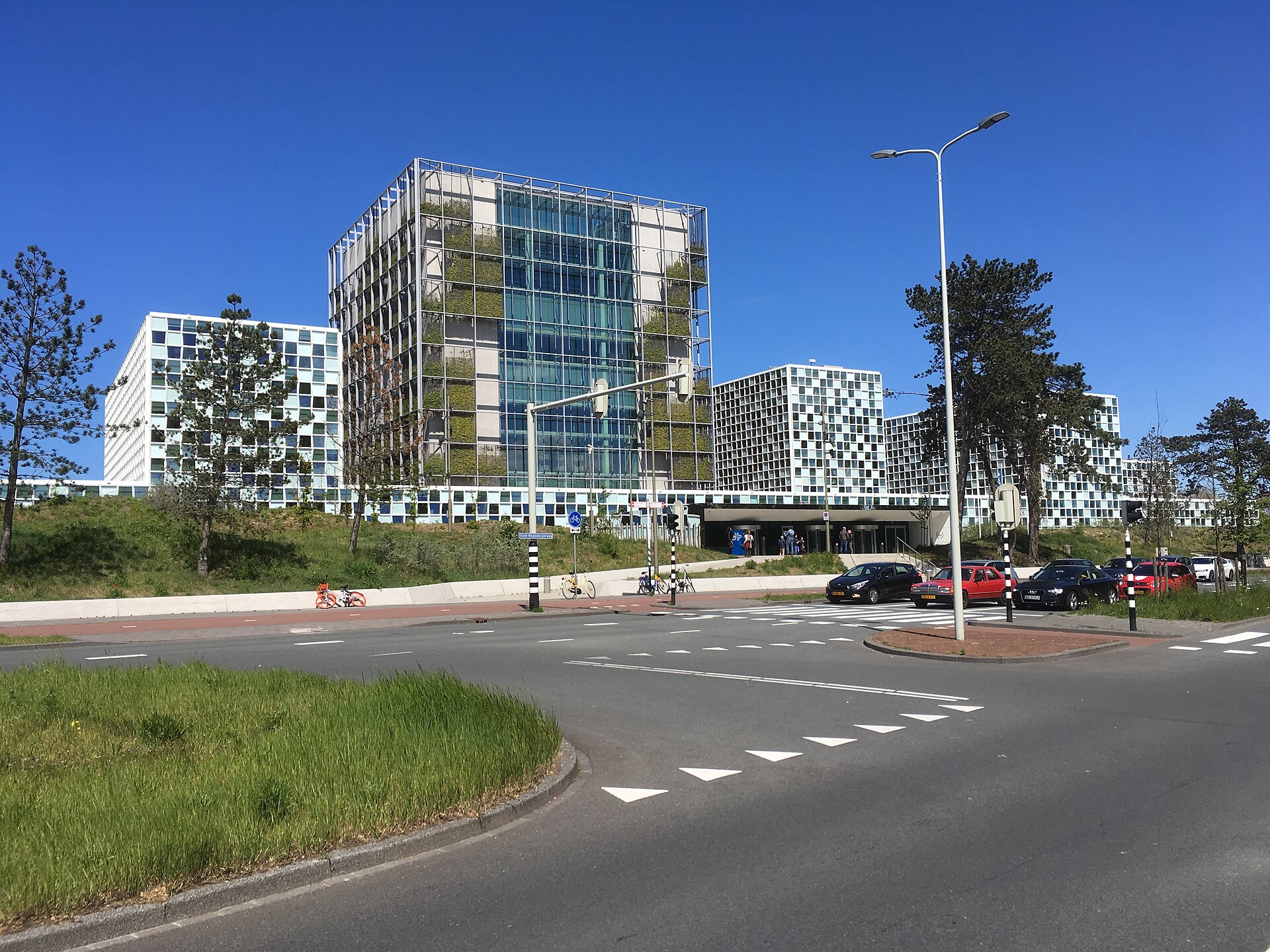
What happens next
Three dates now structure this story. December 16 brings the award ceremony in Strasbourg, which the court will use as a global platform and which Washington will have to decide whether to acknowledge or ignore. The expiry of the six-month grace period on the US institutional sanctions — falling in the spring — is when the abstract argument becomes a concrete one for every European entity that banks, contracts or cooperates with the court. And in between sits the European Commission's choice on the blocking statute: activate it, and Thursday becomes policy; decline, and Thursday remains a speech. Watch also for the reaction in The Hague itself, where Akane's "no peace without justice" line was written to travel, and for whether other institutions follow the Nobel and Sakharov committees' lead. Courts cannot campaign for themselves. In October 2026, two of the world's most visible honours committees decided to campaign for this one.
Sources
European Parliament (official announcement, October 22, 2026): europarl.europa.eu. Reuters (October 22, 2026, reporting by Bart Meijer): International Criminal Court wins EU's 2026 Sakharov prize. Rapporteur (October 22, 2026): EXCLUSIVE: ICC wins EU's Sakharov Prize. Brussels Signal (October 22, 2026): EP awards Sakharov Prize to International Criminal Court. EU Reporter (October 22, 2026): European Parliament awards Sakharov Prize to International Criminal Court amid US sanctions.