Duterte ICC trial witness testimony
World / International Law / PhilippinesA 15-page ruling gives prosecutors their first consequential pretrial evidentiary victory, but preserves the defense's right to test the protected witness in open questioning.
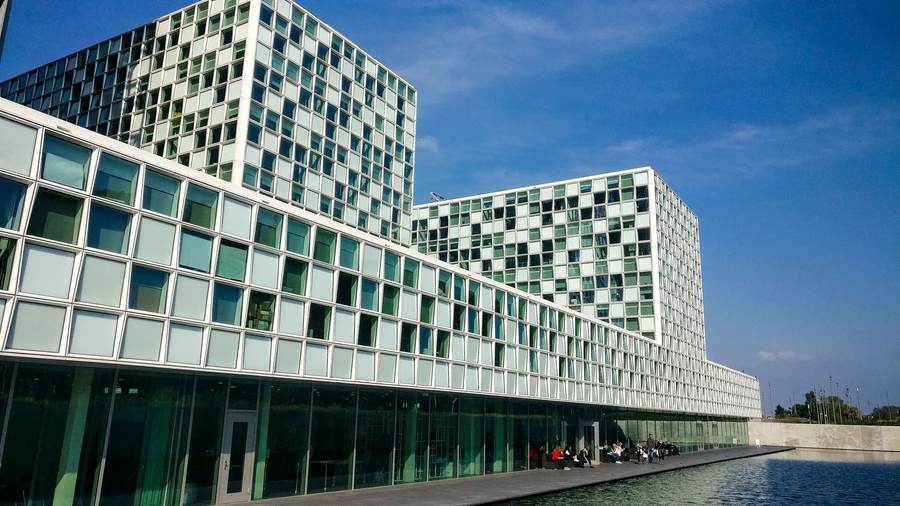
THE HAGUE — The Duterte ICC trial witness testimony dispute has produced the prosecution's first major evidentiary win before the November 30 trial. In a 15-page public redacted decision dated October 2, 2026, ICC Trial Chamber III allowed prosecutors to introduce the prior recorded written testimony of protected witness P-1100 under Rule 68(3), along with five reports tied to that account.
The ruling is important precisely because it is narrow. Presiding Judge Joanna Korner and Judges Keebong Paek and Nicolas Guillou did not decide whether P-1100 is ultimately credible, nor did they convert the written statement into untouchable proof. They decided that the material may enter the record if the witness appears and consents, while the defense retains the opportunity to cross-examine the witness and challenge the basis of the claimed knowledge.
Why this matters for the Rodrigo Duterte ICC case
This is the first substantial pretrial evidentiary victory for prosecutors in the Rodrigo Duterte ICC case, and it offers a preview of how Trial Chamber III intends to manage a large, sensitive record. The judges are signaling that efficiency tools under Rule 68(3) are available, but only when the witness still appears and the defense can question the evidence.
That balance will shape more than one witness. Protected witnesses in a crimes-against-humanity trial may carry long statements, security restrictions and documentary annexes. If prior testimony can be admitted with focused live examination, hearings can move faster. If cross-examination exposes major gaps, the apparent efficiency gain could give way to longer disputes about weight, context and authenticity.
What ICC Trial Chamber III admitted — and what it refused
The chamber admitted five reports identified as PHL-OTP-0025-0267, PHL-OTP-0005-0737, PHL-OTP-0003-2952, PHL-OTP-0000-1797 and PHL-OTP-0000-1798. The judges treated those materials as sufficiently connected to the P-1100 witness account to help the chamber understand it.
Four other documents were rejected because the witness had not described or referenced them in enough detail. That distinction is easy to miss, but it is central to the ruling's discipline: Rule 68(3) is not an open door through which every paper associated with a witness automatically enters evidence. The prosecution still has to show why each document belongs with the recorded account.
The numbers tell the procedural story. Prosecutors said a full examination would take about seven hours and requested two hours of supplementary questioning. The chamber called two hours excessive for the nature and content of the evidence and imposed a one-hour cap. Five reports came in; four did not. The ruling rewards preparation and punishes bulk.
The P-1100 witness and the prosecution's theory
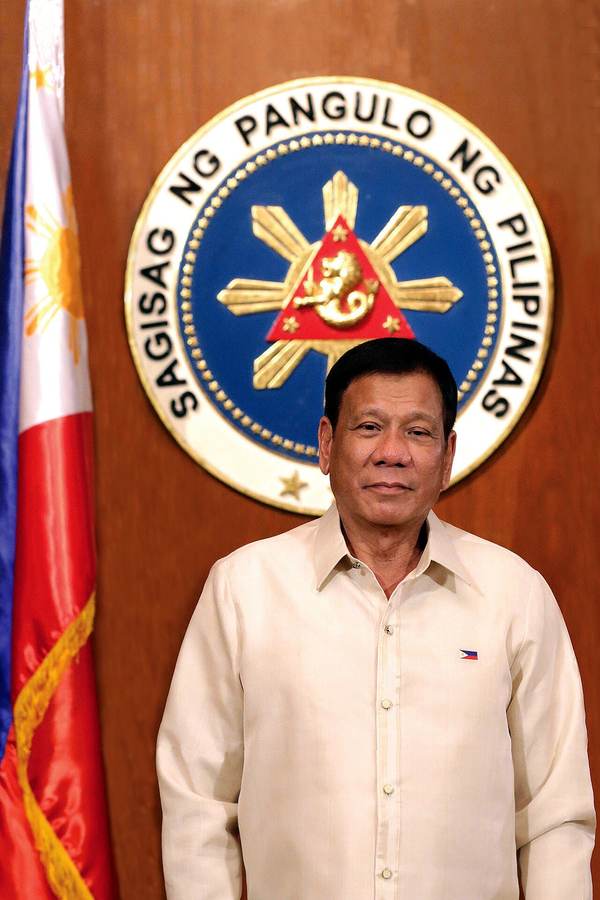
According to the prosecution, the P-1100 witness can speak to an alleged policy to “neutralise” suspected criminals through violent crimes including murder, the alleged modus operandi of the Davao Death Squad, and Duterte's alleged individual criminal responsibility, knowledge and intent. Prosecutors also expect the evidence to corroborate other witnesses who will testify in person.
Those are prosecution allegations, not findings of guilt. Duterte has not been convicted, and the chamber's admission decision does not establish that the alleged policy existed or that he bears criminal responsibility for it. The evidentiary question is whether the account is relevant and sufficiently probative to be heard; the trial question is what weight it deserves after challenge.
Defense fair-trial concerns remain live
Lead defense lawyer Peter Haynes objected that P-1100's evidence was neither sufficiently relevant nor probative and argued that the witness lacked personal knowledge of important propositions. The chamber rejected exclusion at this stage, reasoning that contextual evidence can be relevant and that the defense will have a full opportunity to probe how the witness knows what the written statement asserts.
The defense concern is not trivial. A compressed prosecution examination may save time, but it can also place more pressure on defense counsel to unpack years of events, documentary references and secondhand knowledge in cross-examination. The court's answer is procedural rather than rhetorical: admit the account provisionally, require the witness to appear and consent, and let adversarial questioning expose limits.
That is the right place for the dispute. Excluding contextual evidence before it is tested could produce an incomplete record. Treating a recorded statement as self-proving would be equally dangerous. The chamber has chosen a middle course whose fairness will depend on how much room the defense receives in practice.
Background: Duterte in The Hague and the drug-war killings case
The former Philippine president is detained in The Hague as the court prepares a Duterte crimes against humanity trial centered on alleged killings during his anti-drug campaign and earlier operations in Davao. Prosecutors seek to connect specific violent acts to a broader policy and to Duterte's alleged role, knowledge and intent. The defense contests the evidence and the prosecution's theory.
The Duterte drug war killings ICC case is therefore being built on several layers: direct testimony about incidents, contextual testimony about how alleged units operated, documents that may corroborate those accounts and proof aimed at linking conduct to leadership. P-1100 appears designed to bridge the contextual and individual-responsibility layers rather than replace witnesses who describe particular killings.
The court is also operating under pressure from outside the courtroom. Our earlier coverage examined international efforts to push countries away from the ICC and how institution-wide sanctions could disrupt the court's operations. Neither political fight decides the evidence in Duterte's case, but both affect the institution conducting the trial.
What the one-hour cap says about the Duterte trial November 2026
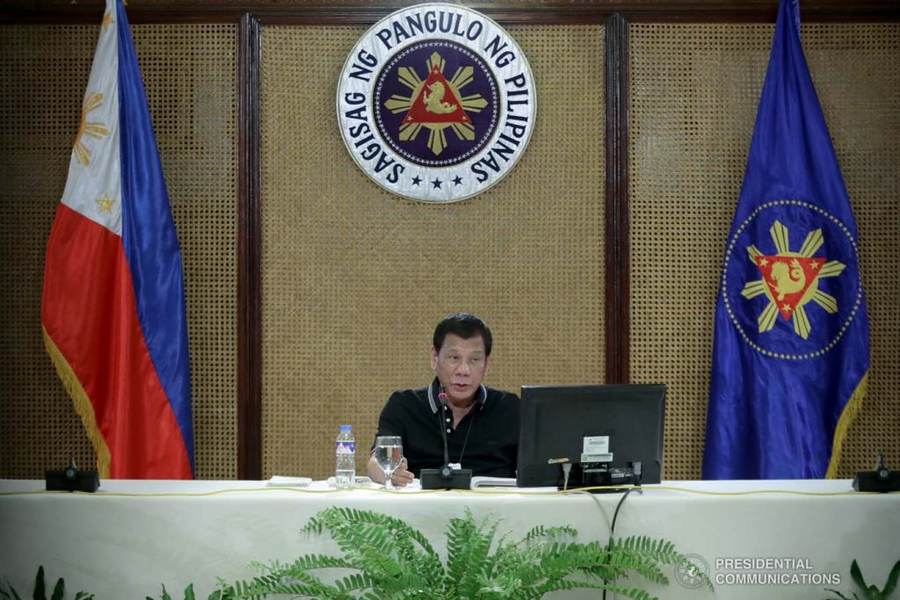
The Duterte Hague trial date of November 30 now has a clearer operating model. The chamber appears willing to shorten direct examination where a recorded statement already covers the substance, while preserving live questioning for clarification and challenge. That can keep a complex trial from becoming a recital of documents already before the judges.
But speed is not the same as simplicity. A one-hour cap on the prosecution does not necessarily cap cross-examination, judicial questions or later disputes about admissibility and weight. If P-1100 becomes a template, prosecutors will be pushed to select documents tightly, explain their connection to each witness and reserve live time for the most contested points.
What happens next for P-1100 and other protected witnesses
The October 2 decision is preliminary. Admission remains subject to P-1100 appearing before the chamber and consenting to the introduction of the prior recorded written testimony. If either condition fails, the prosecution cannot simply treat the ruling as a final substitute for the witness.
If the witness appears, the hearing will test three things: whether the one-hour prosecution examination can identify the foundation of the reports; whether the defense can expose gaps in personal knowledge; and whether the judges view the account as corroborative context or as a stronger link in the chain of individual responsibility.
For other protected witnesses, the message is equally clear. Rule 68(3) can accelerate the case, but only where testimony is properly anchored, supporting documents are specifically explained and adversarial testing remains real. The prosecution has won permission to use the tool. The defense still gets to test every important edge of it.
Sources: International Criminal Court case records; Balita / Philstar reporting on the decision; Malaya Business Insight; MediaBytes PH.