War / Ukraine
The UN nuclear watchdog says it has been informed that an employee of Europe's largest nuclear plant was killed by a drone. The victim was reportedly a welder in the plant's repair workshop. The agency named no attacker, released no name, and gave no further details.
Track it live: Ukraine war map — live tracker
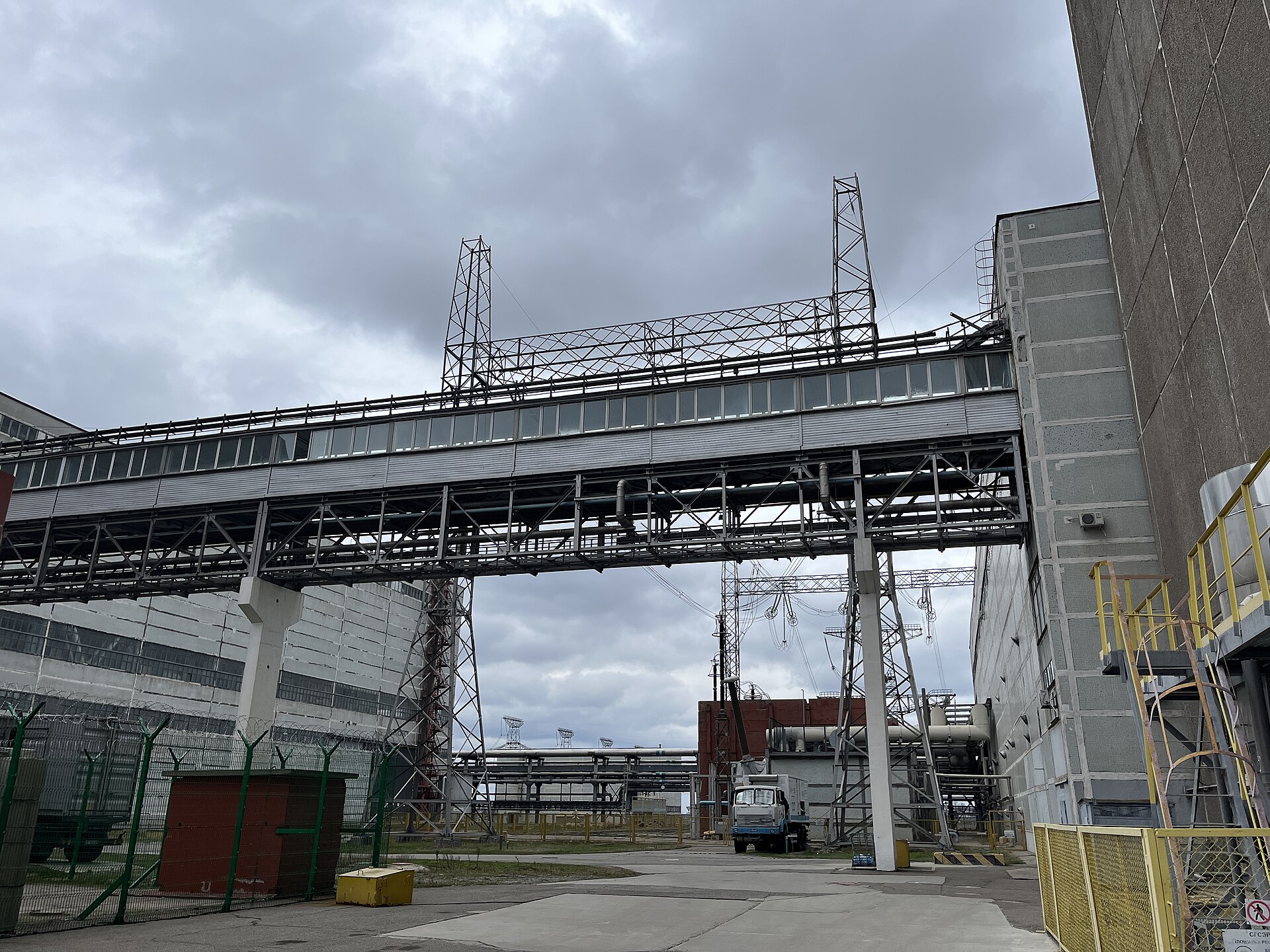
A drone attack reportedly killed an employee of the Zaporizhzhia Nuclear Power Plant, the International Atomic Energy Agency said, in the latest reported death of a worker at Europe's largest nuclear facility — a plant that has sat on the front line of the Ukraine war, under Russian occupation, since 2022. The victim was reportedly a welder at the plant's centralized repair workshop, according to the agency. Kyiv Independent, reporting the agency's statement, dated the attack to Thursday, October 29; the IAEA announced early on Friday, October 30, that it had been informed an employee "was killed by a drone attack today."
What the IAEA said
"The IAEA has been informed that an employee of the Zaporizhzhia Nuclear Power Plant (ZNPP) was killed by a drone attack today," the agency said in a post on X, as reported by Anadolu. Director General Rafael Grossi said that "any attack on nuclear plant staff is completely unacceptable and violates the Seven Indispensable Pillars for Nuclear Safety and Security during an armed conflict," and renewed his call for "maximum military restraint to help prevent the risk of a nuclear accident during the conflict" (Anadolu; Kyiv Independent carries the same statement).
The agency did not specify whether the attack was carried out by Russian or Ukrainian forces, and it provided no further details (Kyiv Independent).
What is known — and what is not
Confirmed (by the IAEA's own statement, via Kyiv Independent, Anadolu and CNN)
- The IAEA says it has been informed that a ZNPP employee was killed in a drone attack; CNN carried the same report on Thursday, October 29.
- The victim was reportedly a welder at the plant's centralized repair workshop.
- Grossi condemned attacks on nuclear plant staff and invoked the Seven Indispensable Pillars.
Not known
- Who launched the drone. The IAEA attributed the attack to neither side.
- The worker's name. The agency released none.
- Exactly where and when the fatal strike hit, whether the workshop itself was struck, and whether anyone else was hurt. The IAEA gave no further details.
- Any effect on the plant itself. No report from the IAEA, Kyiv Independent, Anadolu or CNN described damage to the facility or any radiation release in connection with this incident.
Not the earlier deaths at the plant
The Zaporizhzhia plant has seen a series of reported killings of staff since 2022, and this report is separate from each of them. In July 2026, Russia's Rosatom said the plant's chief engineer, Alexander Yakovlev, and his driver were killed when a Ukrainian drone struck their service car between the plant site and Enerhodar — an attribution by the Russian side that the IAEA condemned at the time without naming a perpetrator (Reuters, July 15, 2026). In April 2026, the plant's Russian-installed management said a driver was killed in a drone strike on its transport department (Reuters, April 27, 2026). And in August 2026, a drone explosion at a bus stop used by plant personnel killed one person and injured 15, according to the IAEA (Kyiv Independent). Thursday's reported victim was a welder in the repair workshop — a different person, role and set of circumstances from all three.
The same day, a different Zaporizhzhia
The reported death came on a day when the war hit the plant's namesake city hard. Russian forces launched multiple missile and drone attacks against the Ukrainian-controlled city of Zaporizhzhia on October 29, injuring at least 14 people, including a child, according to Ukraine's National Police (Kyiv Independent). The city of Zaporizhzhia and the nuclear plant, some distance away at Enerhodar on the Dnipro river, are different places: the city is held by Ukraine; the plant has been occupied by Russian forces since the first weeks of the full-scale invasion. The same distinction matters for the plant's power supply: on October 3, the IAEA reported drone attacks that damaged transformers at the nearby Zaporizhzhia Thermal Power Plant, threatening the nuclear facility's external electricity supply (Kyiv Independent).
Why this matters
A nuclear plant in cold shutdown still depends on people. Zaporizhzhia's six reactors have been shut down for an extended period, but spent fuel must keep cooling, safety systems must be maintained, and the site must be staffed around the clock — by the welders, drivers, engineers and operators who keep a dormant plant from becoming a dangerous one. That is the logic behind the IAEA's Seven Indispensable Pillars, the first of which is the physical integrity of the facility and the safety of the staff who run it, and it is why Grossi frames an attack on personnel as a nuclear-safety event rather than only a casualty report.
There is also a compounding effect the headline figures never show. Every reported death or injury among plant staff lands on a workforce already working inside an occupied facility on an active front line, under an IAEA monitoring mission that has been present continuously since September 2022 precisely because the agency judges the accident risk to be real. The agency cannot compel either army to stay away; its tools are presence, reporting and public pressure. A death it can report only in the passive voice — "has been informed," with no attacker named — shows both the value and the limit of that model: the world learns that a welder died, and learns nothing about who killed him.

For Ukraine, which says the plant is its sovereign facility under occupation, each incident strengthens the case that the site cannot be safe while it is a military position. For Russia, which controls the plant and blames Kyiv for past attacks around it, staff deaths have previously been used to demand that the IAEA condemn Ukraine by name — something Grossi has consistently declined to do for either side. Neither government had issued a statement on this specific incident in the reports available when this article was published.
Track it live: Wars — live tracker
Background: a power plant on a front line
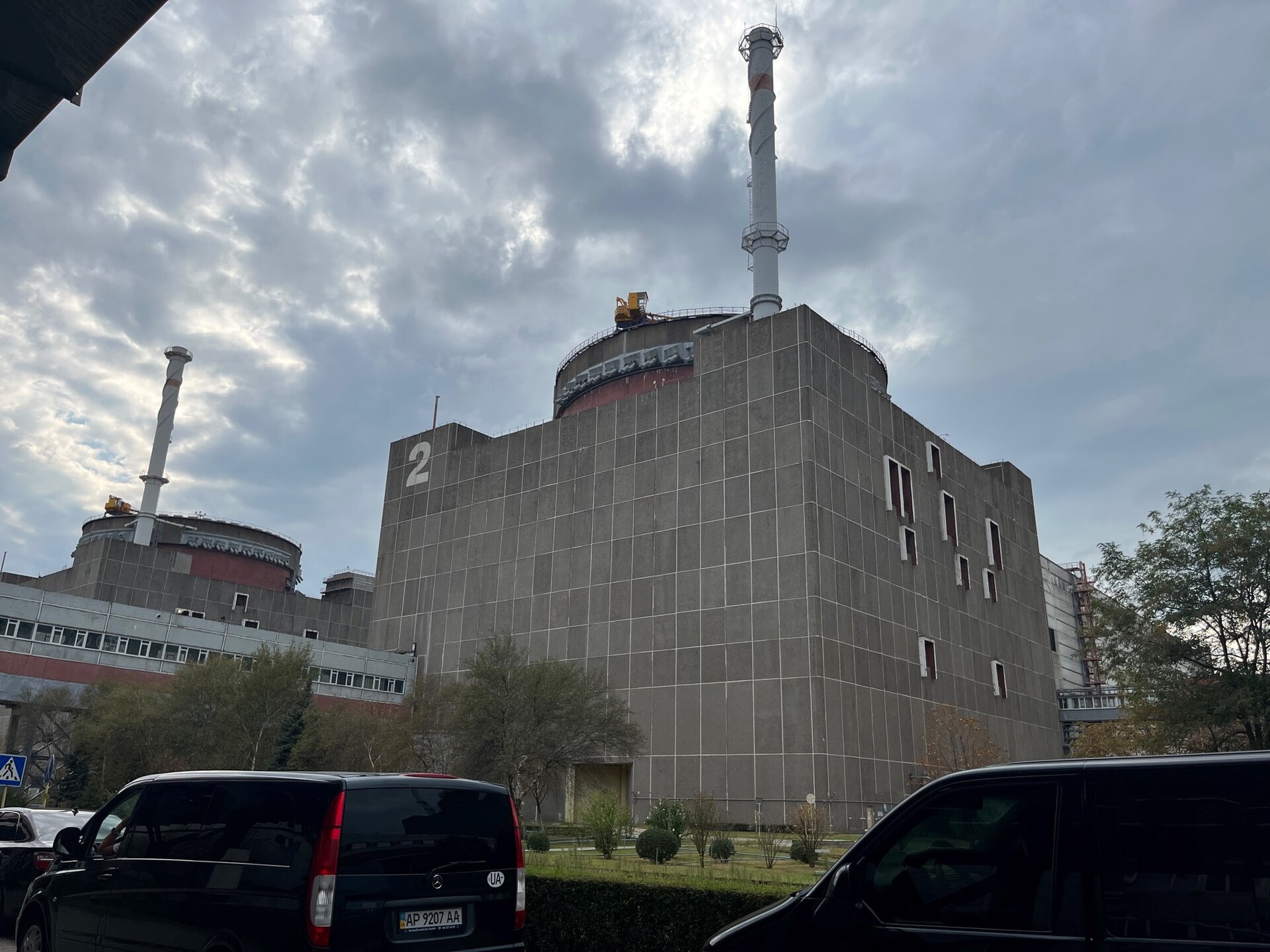
The Zaporizhzhia Nuclear Power Plant, near Enerhodar in southern Ukraine, is the largest nuclear power plant in Europe, with six Soviet-built VVER-1000 reactors and a nameplate capacity of about 5,700 megawatts — before the war it generated roughly a fifth of Ukraine's electricity. Russian forces seized it in March 2022, in the opening weeks of the full-scale invasion, and it has been under Russian control since. Its reactors have been progressively shut down, the site has repeatedly lost and regained external power, and drones, shelling and nearby fighting have been reported around it for more than four years. IAEA experts have been stationed at the plant since September 2022, monitoring nuclear safety under the agency's Seven Indispensable Pillars framework.
What happens next
Watch three things. First, whether the IAEA's on-site team or a follow-up agency statement adds the details Thursday's announcement lacked — where the strike hit, whether the workshop was damaged, and whether the agency's monitors heard or saw anything directly. Second, whether either Kyiv or Moscow comments on this specific death; in past incidents, each side's statement has arrived quickly when it saw advantage in one, and silence is itself a signal. Third, whether the killing changes anything operational — staff rotations, the IAEA mission's movements, or the recurring proposals for a protective zone around the plant, which have stalled repeatedly since 2022. Until the agency or either side says more, the established facts are narrow ones: a man who fixed things at Europe's largest nuclear plant is reported dead, killed by a drone, and the world's nuclear watchdog will not say whose.
Sources
- Kyiv Independent (October 30, 2026) — the IAEA statement on X; the Oct 29 date; the welder/centralized repair workshop detail; no attribution by the agency; the Oct 29 attacks on Zaporizhzhia city and the National Police toll of at least 14 injured including a child; the Oct 3 thermal-plant transformer attacks; the August bus-stop explosion
- Anadolu via Bytes Europe (October 30, 2026) — the IAEA's early-Friday announcement and its exact wording; Grossi's "completely unacceptable" quote and maximum-restraint call
- CNN (October 29, 2026) — an employee of the plant was killed by a drone on Thursday, according to the IAEA, which condemned the attack
- Reuters (July 15, 2026 and April 27, 2026) — the earlier Yakovlev and driver killings, used only to distinguish them from this incident