zaporizhzhia nuclear plant drone attacks

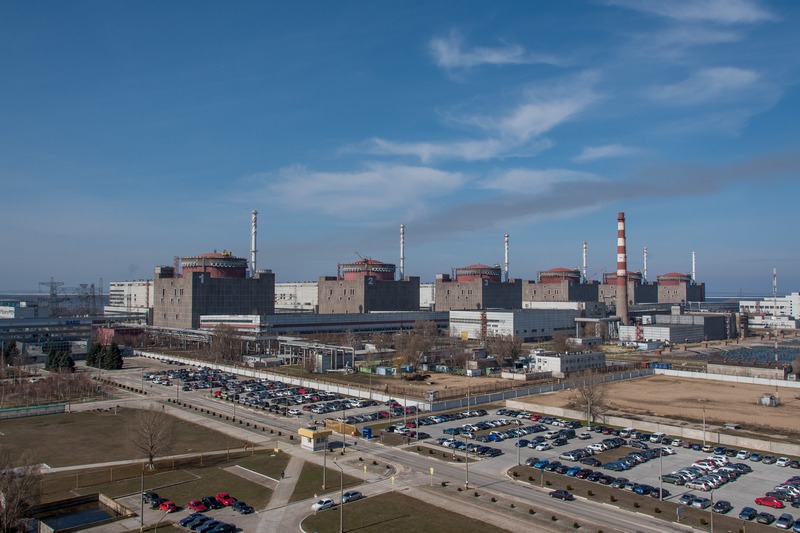
Zaporizhzhia nuclear plant drone attacks have moved the danger one step away from the six shuttered reactors and directly onto the electrical network that keeps the site safe. The International Atomic Energy Agency said Saturday it had been informed of attacks on September 19, 20 and 27 at the nearby Zaporizhzhia Thermal Power Plant, damaging transformers needed to strengthen the nuclear station's external supply.
The agency also said a September 22 attack disabled an external radiation-monitoring station about 13 kilometers from the plant and that buildings in Enerhodar, where many plant employees live, had been hit. The IAEA did not attribute any of the attacks. Russia and Ukraine accuse each other of endangering the site, but the agency's public account stops at what its teams can observe or what plant authorities report.
Why this matters: the IAEA has become a front-line power broker
The headline is not simply that another drone exploded near a nuclear facility. It is that IAEA Director General Rafael Mariano Grossi is negotiating simultaneously with Russia and Ukraine for a localized ceasefire so crews can repair power equipment. If agreed, it would be the eighth such arrangement brokered by the nuclear watchdog.
That is an extraordinary expansion of function. The IAEA was built to inspect nuclear programs, safeguard material and advise on plant safety. At Zaporizhzhia it has also become a practical front-line diplomat, negotiating windows in which technicians can approach damaged infrastructure without being targeted. Each repair truce solves a narrow problem. The need for an eighth shows that the surrounding security system keeps breaking again.

Cold shutdown reduces heat, not dependence on electricity
Why ZNPP off-site power supply still matters
All six reactors are in cold shutdown, which sharply lowers their heat output and makes a fast-moving reactor accident less likely than it would be during full operation. But cold shutdown is not a synonym for safe without electricity. Pumps, instrumentation, control rooms, ventilation, radiation monitors and spent-fuel management still require reliable power.
Off-site lines are the first layer. Emergency diesel generators are the fallback if those lines fail. A plant can run on backup power, but doing so converts a grid problem into a race involving fuel stocks, generator reliability, maintenance and access for workers. A blackout does not automatically produce a release; it erodes the redundancy intended to prevent one.
Historical parallels: Fukushima and wartime grid failure
The 2011 Fukushima disaster followed an earthquake and tsunami rather than warfare, but its enduring lesson is relevant: reactors can shut down successfully and still face severe danger when power and cooling are lost. Zaporizhzhia is different in design, condition and cause. The parallel is not a prediction of identical failure. It is a reminder that nuclear safety depends on functioning support systems long after a chain reaction stops.
Ukraine's own wartime history offers the closer parallel. Zaporizhzhia has repeatedly lost external power since Russia seized the site in 2022, forcing engineers to rely on backups while lines were repaired. Each recovery demonstrated resilience. Repetition also creates accumulated exposure: equipment ages, access is contested and every repair team works under a military threat.
Who benefits, who loses, and why non-attribution is contested
What both sides gain from a repair ceasefire
Ukraine gains a safer nuclear facility on its territory, lower accident risk for communities downwind and evidence that international institutions can still impose limited restraint. Russia, which controls the station, gains more reliable power and a reduced chance that an emergency at an occupied site becomes a political and operational disaster. Plant staff gain the most immediate benefit: permission and time to do dangerous work with fewer uncertainties.
Neither side gains a decisive battlefield advantage from a transformer repair. That narrow overlap makes a local ceasefire possible even when wider negotiations fail. The IAEA's refusal to publicly assign blame helps preserve access to both governments and may make agreement easier.
The critics' argument over who attacked Zaporizhzhia
Critics say non-attribution can make repeated attacks sound like weather: dangerous events with no responsible actor. Naming verified responsibility, they argue, would raise diplomatic costs and deter recurrence. The counterargument is operational. The agency is not a battlefield intelligence service, evidence is often incomplete, and a premature judgment could cost inspectors access precisely when independent eyes are most valuable.
The disciplined approach is to separate observation from accusation. The dates, damaged equipment and lost monitoring station are reported facts. Claims about who launched a particular drone should remain attributed unless independently established.
What the numbers show about the nuclear-risk cadence
Three recorded strikes at the thermal plant between September 19 and 27 amount to three hits in eight days. A fourth incident disabled a radiation station on September 22. That cadence is more important than any single impact because safety rests on layers: grid lines, transformers, monitors, staff access and backup generation. Repeated attacks can thin several layers at once.
The pattern extends beyond Zaporizhzhia. In IAEA Update 369, South Ukraine Nuclear Power Plant reported 27 drones in its monitoring area during the week, Chornobyl 83 and Khmelnytskyy two. Across monitored sites, teams recorded 157 air-raid alerts. Those are detections and alerts, not proof that every drone targeted a nuclear facility. They measure the density of military activity around places where mistakes carry unusual consequences.
For context, see our report on Russia's declared infrastructure escalation and the analysis of Germany's aid package during Merz's Kyiv visit.
What happens next
Scenario one: the eighth ceasefire holds
The best case is a tightly defined pause, safe access for repair crews, restored transformer capacity and an independently observed completion. That would improve redundancy but not remove the site's exposure to future attacks.
Scenario two: attacks continue around the repair window
A partial truce could permit one job while military activity continues nearby. Repairs would become slower, more expensive and harder to inspect. The risk would shift from acute blackout to chronic degradation.
Scenario three: off-site power and backups fail together
The worst case is a sustained loss of external power compounded by generator failure, inadequate fuel or blocked maintenance. Cold shutdown gives operators more time than an operating reactor would, but time is not immunity. The warning indicators are straightforward: another damaged line or transformer, declining diesel availability, lost monitoring coverage and any interruption to staff access.
Zaporizhzhia's danger is therefore not captured by the question, “Are the reactors on?” The more useful question is whether every safety layer around them remains available tomorrow. Grossi's eighth ceasefire effort is an attempt to keep the answer yes.
Sources and reporting notes
- IAEA Update 369 via ReliefWeb — power repairs, drone detections and air-raid alerts
- IAEA statement carried by Operativ Media — September attacks, transformer damage and ceasefire talks
- Europe Says live coverage, October 4 — contemporaneous Ukraine war reporting
The IAEA does not attribute the reported attacks. Claims by Russia or Ukraine about responsibility should not be read as independent findings.