France student protests timeline
A school-conditions campaign that began in the Paris suburbs became a national argument about education funding, protest policing and whether the movement is losing momentum or changing form.
The France student protests timeline begins on September 17 with school blockades in the Paris suburbs and reaches its largest national turnout on October 6. By October 8, the fourth day of national action had drawn 71,500 people, including 24,500 at Place de la Bastille, while the government pointed to fewer school closures as evidence that disruption was easing. Protesters pointed to the size of the Paris rally and called the government's still-unspecified funding pledge inadequate. Both readings rest on real numbers; neither, by itself, settles what happens next.
September 17: blockades begin in the Paris suburbs
What happened
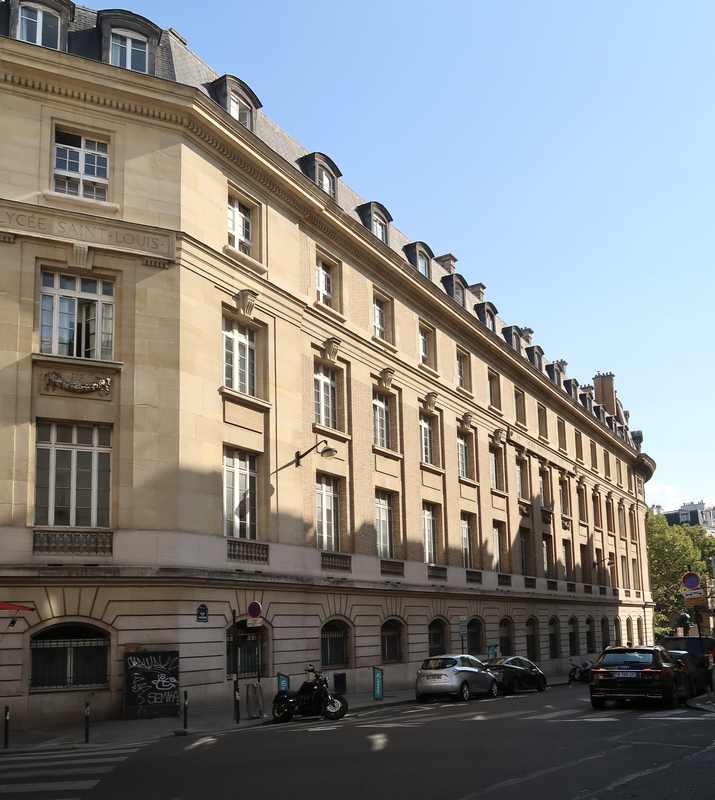
High-school students began blockading schools over conditions they said had become untenable: teacher shortages, dilapidated buildings and overcrowded classrooms. The actions began in the Paris suburbs and were initially centered on particular schools rather than a single national organization.
The numbers
No verified nationwide turnout was reported for the opening day. The clearest measure is duration: Reuters described the campaign as entering its third week by October 8, placing September 17 at the start of the France school blockades timeline that would later affect hundreds of schools.
Why it mattered
The opening demands were practical rather than constitutional: students wanted teachers in classrooms, safer buildings and smaller classes. That focus helped the movement travel beyond one political camp. For the government, however, fixing those shortages required money and staffing at a time when officials were also managing wider budget constraints. The disagreement began with shared recognition that schools faced pressure, but not with agreement on how fast or how fully the state could respond.
Late September: the movement spreads beyond high schools
What happened
Blockades spread to universities, teachers joined the campaign, and the first national days of action turned a local education dispute into a broader test for the government. Demonstrations and walkouts began to connect school conditions with questions about public spending and the police response.
The numbers
At the earlier peak of school disruption, about 900 schools were shut. Across the running crisis, reports recorded hundreds of arrests and dozens of injuries. Those totals combine different days and places, so they show the cumulative scale of the confrontation rather than the size of any one march.
Why it mattered
Teacher participation gave the students' complaints institutional backing. At the same time, arrests, injuries and the deployment of riot police against teenagers moved policing into the center of the story. Protesters argued that force was escalating a dispute about schools; authorities had to balance the right to demonstrate against blockades, property damage and public safety. That tension would shape every later day of action.
Tuesday, October 6: turnout reaches 266,000-plus
What happened
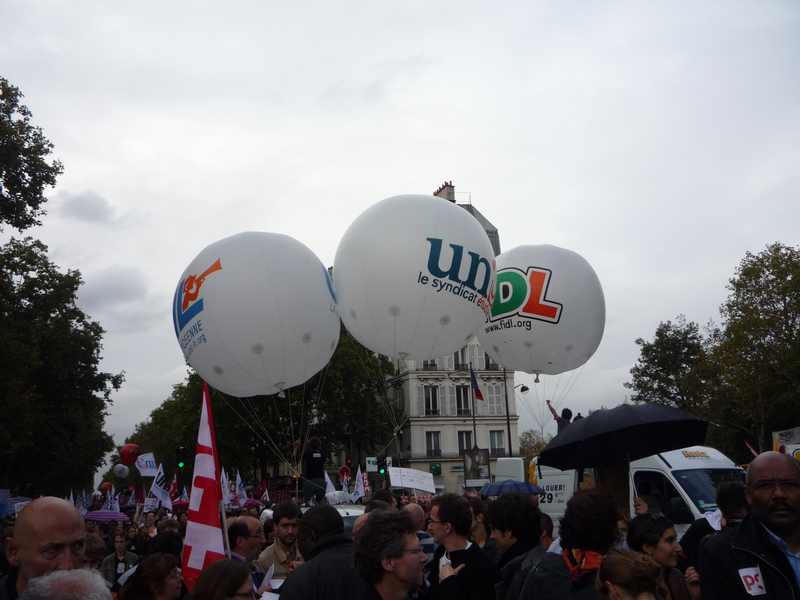
A national day of action brought students, teachers and supporters into the streets across France. The Interior Ministry counted more than 266,000 demonstrators nationwide, the largest verified turnout of the movement through October 8.
The numbers
The ministry's 266,000-plus count became the benchmark against which later rallies would be measured. School disruption also reached 891 schools on Tuesday, according to the comparison released the following day.
Why it mattered
The October 6 turnout established that the movement was no longer a cluster of local blockades. It had become a national political problem with enough participation to force an answer from the prime minister. For organizers, the number demonstrated breadth. For officials, it also created a clear test: whether the response could reduce school closures and separate peaceful demonstrators from those committing violence.
Wednesday, October 7: policing changes and the prime minister promises a response
What happened
The government suspended the use of stun grenades in policing the protests, Reuters reported, as debate intensified over the use of force against teenagers. Sciences Po was barricaded that day, showing that the movement had reached one of France's best-known universities.
That evening, Prime Minister Sébastien Lecornu addressed the nation and promised “concrete, quick and fully funded responses” by late October. He did not specify the measures or their cost. Protesters said an unspecified promise was “hot air,” while the government argued that a funded package required time to prepare.
The numbers
School disruptions fell to 459 full or partial suspensions, down from 891 the day before. The drop was significant, but it followed the movement's largest nationwide turnout and came before another national demonstration.
Why it mattered
The day produced two concessions of different kinds: an immediate change to a police tactic and a political commitment to an education package. The first addressed how the state managed the protests; the second addressed the causes protesters said put them in the streets. The absence of specifics left both sides room to claim the next phase would vindicate their position.
Thursday, October 8 — “Act IV”: the Bastille rally and the waning debate
What happened
Students and supporters gathered for “Act IV,” with organizers framing the Paris march as an effort to “take the Bastille.” The demonstration was mostly peaceful during the day. Jean-Luc Mélenchon said on X that the Bastille had been “retaken,” a political characterization of the rally rather than an official description.
By evening, clashes had broken out. Police used tear gas and water cannon. Arsonists attacked a police station in Bordeaux, a school in Saint-Étienne was ransacked, a demonstrator struck a teacher in Toulouse, and a teacher at Victor Hugo High School in Marseille was attacked. Those incidents were serious, but they occurred alongside a much larger peaceful turnout; reporting them together is necessary to avoid either minimizing the violence or treating it as the conduct of every marcher.
The numbers
The Interior Ministry counted 71,500 demonstrators nationwide and 24,500 at Place de la Bastille in Paris. The national figure was far below October 6's 266,000-plus peak. School closures also eased during the day: 224 high schools were closed Thursday morning, falling to 157 by lunchtime. The Education Ministry said 96% of schools were operating.
Education Minister Édouard Geffray met students and teachers in Reims and announced an emergency plan that included 3,000 substitute teachers. The number was the most concrete staffing commitment announced during the crisis, though the timetable and delivery would determine its effect.
Why it mattered
The Bastille rally on October 8 created the movement's central interpretive dispute. The ministry argued that the fall from 266,000-plus to 71,500, together with the decline in closures, showed the campaign was waning. Protesters answered that 24,500 people filling the Bastille remained a major demonstration and that the government's offer did not yet answer their broader demands.
Both claims can be true in part. National turnout fell sharply over two days, which supports the government's argument about momentum. Paris still produced a very large, symbolically potent rally, which supports the organizers' argument that the movement retained mobilizing power. A single comparison cannot show whether the decline reflects fatigue, the narrower student-led character of Thursday's action, or a lasting retreat.
Tuesday, October 13: the next called demonstration
What is planned
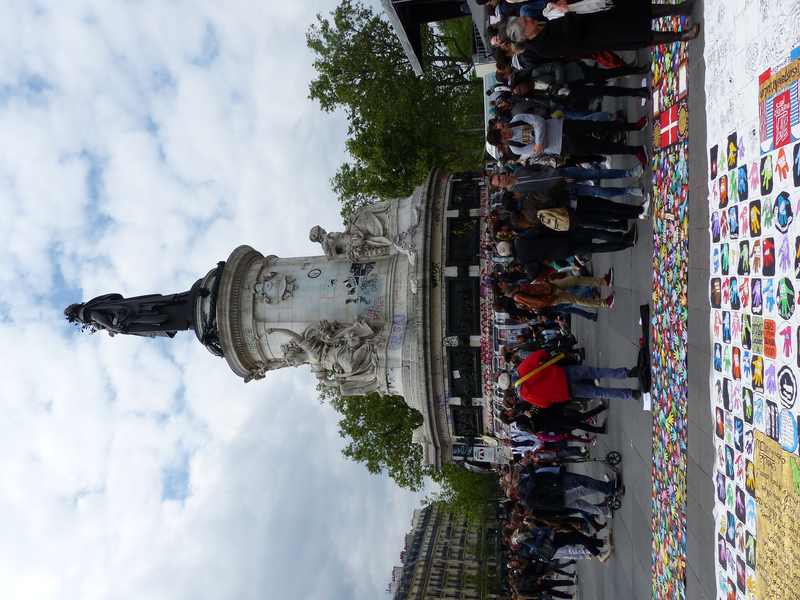
Youth organizations and worker unions have called the next demonstration for Tuesday, October 13. Reuters also reported that unions were planning a larger day of action for Saturday, October 17.
The numbers to watch
The clearest comparisons will be nationwide turnout, the Paris count, the number of schools fully or partly disrupted, and whether the 3,000 substitute-teacher plan begins to reach schools. Organizers will want to show that October 8's lower national figure was a pause rather than a collapse. The government will look for another decline in closures and turnout as evidence that its combination of restraint and policy commitments is working.
Why it matters
October 13 will test three separate questions. First, can students still mobilize outside the high point of October 6? Second, can unions broaden the movement without allowing the original school demands to disappear into a wider anti-government protest? Third, can the government turn its promise of quick, fully funded action into details credible enough to change behavior before October 17?
What October 13 will decide — and what it will not
The next march will not by itself resolve France's education shortages or the debate over riot-police tactics. It will, however, clarify the balance between two narratives. A rebound in turnout would strengthen the protesters' argument that the movement remains national and that the Bastille rally was a bridge to another phase. A further fall, especially if school operations continue to normalize, would strengthen the ministry's claim that the peak has passed.
The deeper question is whether the announced substitutes and late-October package address the specific conditions that launched the blockades on September 17. That is where the long history of protest in France meets the immediate test of policy: not whether either side can win the argument for a day, but whether staffing, buildings, class sizes and public order look different afterward.
Reporting basis: Reuters, Le Monde and New York Post reports reviewed October 8, 2026. Government figures are attributed to the Interior or Education Ministry; protest statements are identified as organizers' or participants' claims.