€360 billion, fuel bills and no budget deal: Brussels' hardest summit

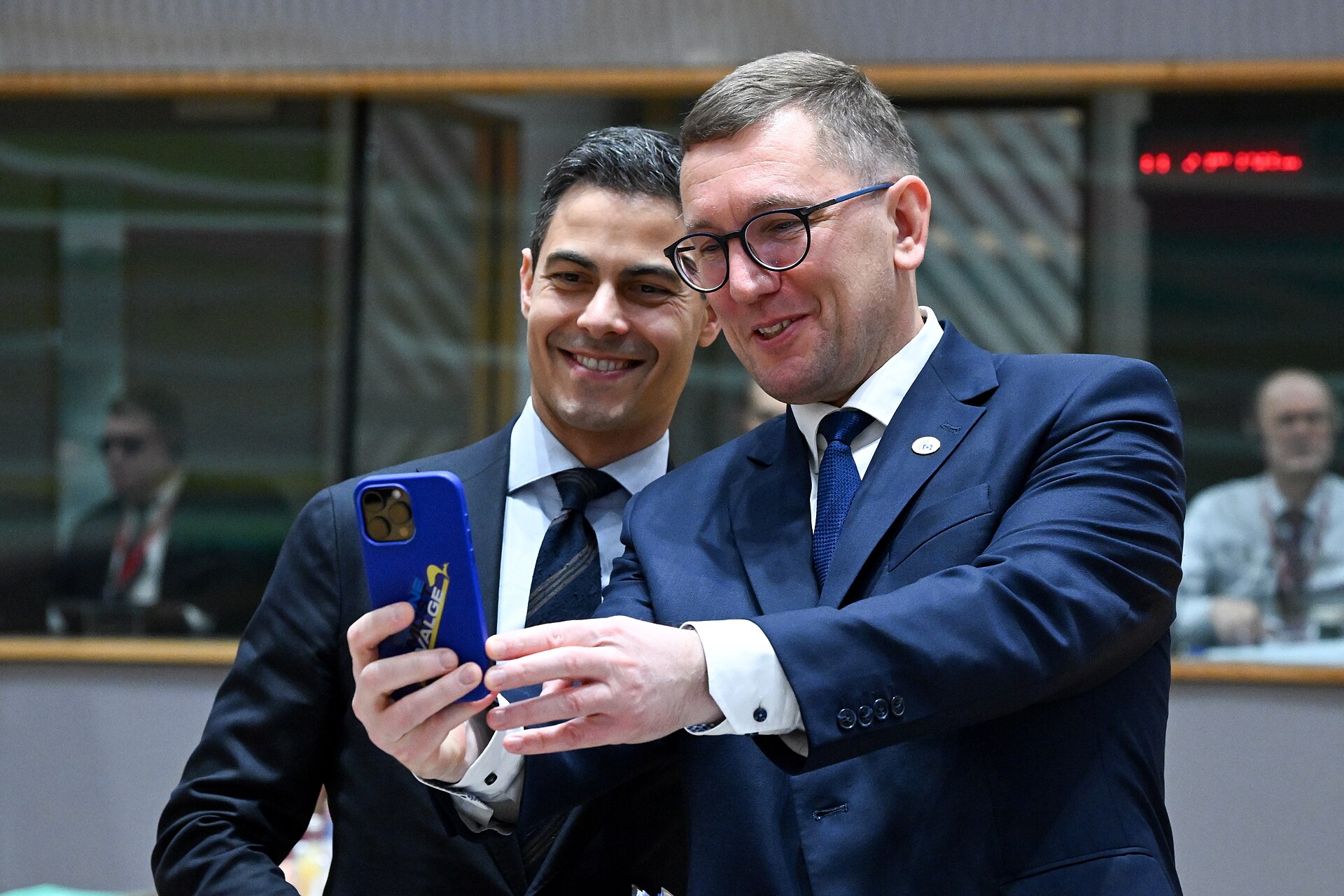
BRUSSELS, October 15, 2026 — Leaders of the European Union's 27 member states convened in Brussels on Thursday for a summit whose agenda reads like a diagnosis of the bloc's anxieties: surging Chinese exports undercutting European industry, high energy prices, and the next long-term budget, for 2028–34, on which member states remain fundamentally divided, Reuters reported.
Together they describe a union pressed simultaneously on its factories, its fuel bills and its finances — while a war in Ukraine continues and far-right parties gather strength where economic frustration runs deepest.A €360 billion deficit, and a first small deal
Start with the number that framed the day. The EU's goods trade deficit with China reached €360 billion — about $400.4 billion — in 2025, and is on course to surpass that this year. The annual gap is now comparable to the economy of a mid-sized member state, widening as Chinese exporters — backed by enormous domestic capacity and, European officials argue, state support — push into sectors Europe considers strategic. Less than a week before the summit, the European Commission secured an agreement with Beijing to limit imports of Chinese hybrid cars, described as a first step — though one vehicle category barely dents a €360 billion imbalance.
Draft summit conclusions indicated the direction leaders intended to set: ask the Commission to continue its dialogue with Beijing, but also to make full use of existing trade-defence measures and develop new instruments where the toolkit falls short. A senior EU diplomat warned that the imbalances are not confined to cars — they span chemicals, steel and machinery — and that thousands of European jobs are being lost each month. That framing matters: it moves the argument from consumer prices, where cheap imports are a benefit, to industrial survival, where they are a threat.
Germany's U-turn — and Beijing's answer
The summit's most consequential shift came from its largest economy. Germany — for decades the member state most committed to open trade with China, whose carmakers and chemical giants had the most to lose from confrontation — executed a U-turn. Franco-German proposals called for action on Chinese chemical and PET imports — PET being the packaging plastic — and for quick retaliation tools to replace the EU's traditionally glacial procedures. A PET investigation is expected soon. When Berlin changes its mind about China, the change is structural: German industry has discovered that the Chinese market it courted for thirty years now produces its most dangerous competitors.
Beijing's position, stated as the summit gathered, is that hyping trade imbalances is a pretext — a cover story for protectionism and political pressure on China. That charge has some force: European consumers genuinely benefit from cheap Chinese electric vehicles, solar panels and batteries, and every trade-defence measure raises prices for European buyers. But the deficit's sheer scale — €360 billion and rising, across chemicals, steel, machinery and vehicles — describes, in the European telling, not healthy specialisation but the hollowing of an industrial base Europe would need in a crisis. The summit, characteristically, chose dialogue and sharper tools simultaneously — Brussels' way of keeping both arguments available for the negotiations ahead.
Energy bills, and an emissions vote that failed
The second fight was about the price of staying warm and competitive. Fuel prices have spiked since the Iran war disrupted energy markets, squeezing governments that subsidise household bills and companies competing against rivals who pay less for power. Six member states proposed delaying the next phase of the EU's emissions-trading scheme — the flagship climate instrument, which raises revenue precisely by making carbon-intensive energy more expensive — arguing its costs now land on economies already absorbing a war-driven fuel shock. The proposal was rejected. The vote is a small fact with a large meaning: even at the peak of an energy-price crisis, a majority declined to slow the climate framework. The six dissenters will take the opposite calculation home, and the argument will return at every summit until the fuel shock passes.
A budget with, in Merz's words, positions far apart
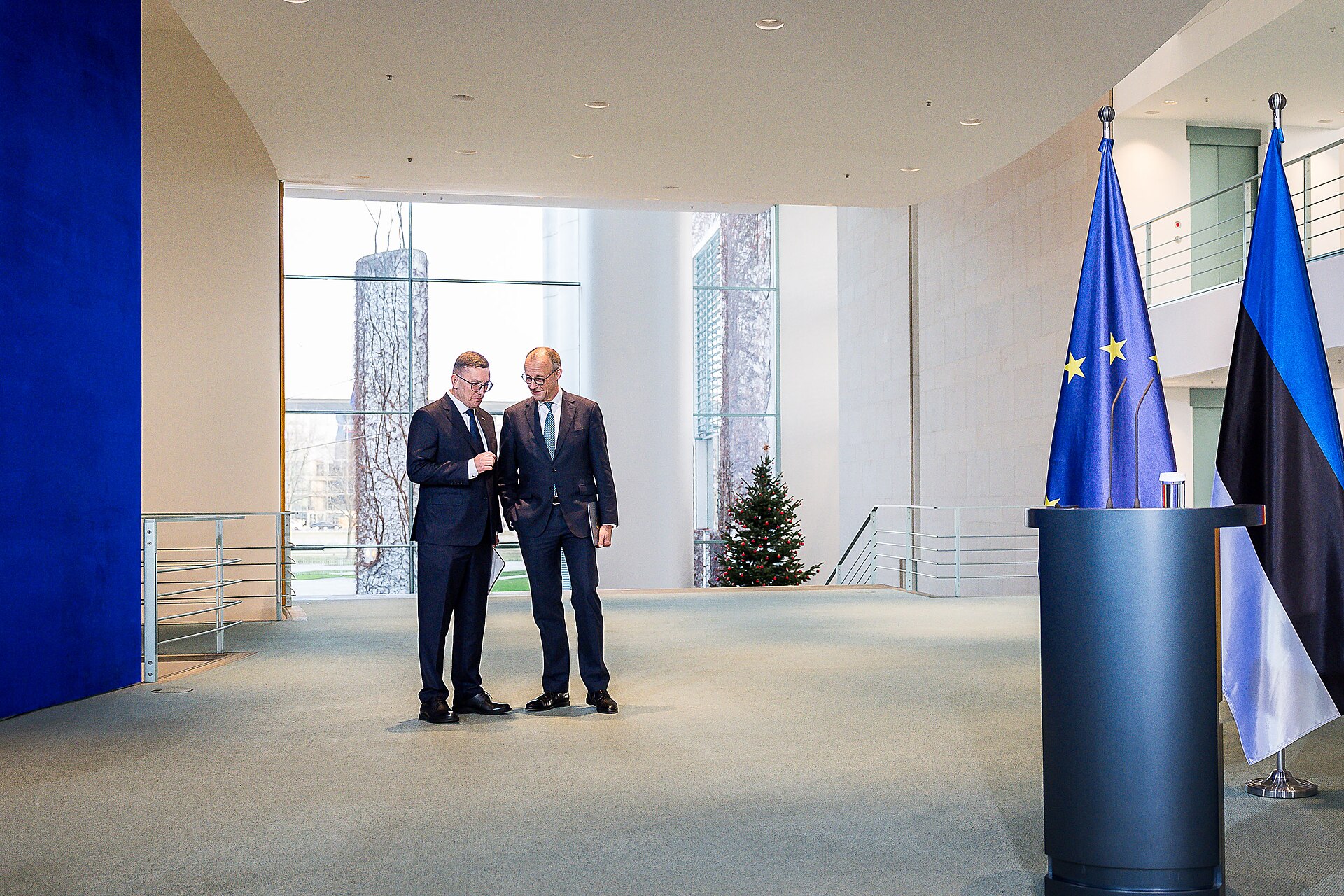
The third fight is the oldest in Brussels: money. The 2028–34 budget framework divides the union along its most durable line, between net contributors such as Germany, which pay in more than they receive, and net beneficiaries, which draw more than they pay. Chancellor Merz conceded on Thursday that positions remain far apart. The latest budget proposal safeguards the two sacred cows of EU spending — farm subsidies and regional funds — which critics argue diverts money from the competitiveness priorities, from defence to technology, that every recent summit has declared urgent. Both sides are honestly held: farm and regional spending is the visible glue holding poorer and rural Europe inside the project, while the competitiveness case asks what a budget is for if not the future. But a framework meant to begin in 2028 cannot be negotiated at the last minute — and Thursday produced candour about the gap, not any narrowing of it.
The Russian assets stay in Europe
One decision at the summit carried beyond economics. Merz rebuffed a United States proposal, reported by the Financial Times, under which some frozen Russian sovereign assets would be unfrozen into a Washington-overseen vehicle intended to revive peace talks. The frozen assets, the chancellor said, must stay in Europe. They sit overwhelmingly in European financial institutions and are among the few pieces of leverage the EU holds in any negotiation over Ukraine's future. The summit also expressed support for Ukraine's President Volodymyr Zelenskyy — connecting directly to the accession track we covered in the EU's opening of Ukraine accession clusters despite Hungary's objections, and to the daily reality tracked in our Ukraine War day-by-day briefing. On Ukraine, at least, the 27 spoke the same language.
Why this matters
Summits like Thursday's are easily dismissed as talk, and the caveats belong on the record: the budget was not agreed, the China tools are not yet built, and the energy argument was deferred, not settled. But the direction of travel is the story. A union that spent forty years as the world's champion of open markets is assembling a defensive trade arsenal — hybrid-car limits, a PET investigation, retaliation tools designed for speed — because a €360 billion deficit has made industrial decline a first-order political fact. The politics underneath are darker than the communiqués: economic anxiety of exactly this kind is being exploited by far-right parties ahead of elections including France's next April, and every leader in that room knows the China and energy files are also ballot-box files. Leaders had tasked the Commission in June with producing results on China trade by October; Thursday was the deadline arriving. The summit revealed a bloc that has finished debating whether it has an industrial problem, and is now arguing about the price of fixing it.
What happens next
Three threads run out of Brussels. The Commission will continue dialogue with Beijing while preparing the trade-defence work the conclusions demand — the expected PET investigation is the first concrete test of whether the new, faster instruments are real. The emissions-trading timetable survives, but the six governments that sought a delay will press their case again as winter fuel bills arrive. And the budget negotiation now moves into the grinding phase where net contributors and beneficiaries trade percentages behind closed doors; Merz's "far apart" is the opening position of that haggle, not its epitaph. The next summit will be judged against Thursday's unfinished business — a China deficit still growing past €360 billion, energy prices hostage to a war, and a budget that must be settled before the framework it replaces runs out. Europe has named its problems clearly. Naming them is the easy part.
Sources: Reuters, Oct. 15, 2026 (Blenkinsop & Abnett), reporting on the Brussels summit, China trade, energy and budget discussions; Financial Times reporting on the U.S. proposal regarding frozen Russian assets, as cited at the summit; Harava News summary, Oct. 15, 2026. Related on Signal Post News: EU opens Ukraine accession clusters despite Hungary and Ukraine War, Day 1694 briefing.