Three times the guards, a new deportation brief: Brussels wants Frontex to run Europe's returns — tripling the border force to 30,000, giving it a dedicated returns centre and a 24-hour reaction force, and letting it organise removals between countries outside the Union.
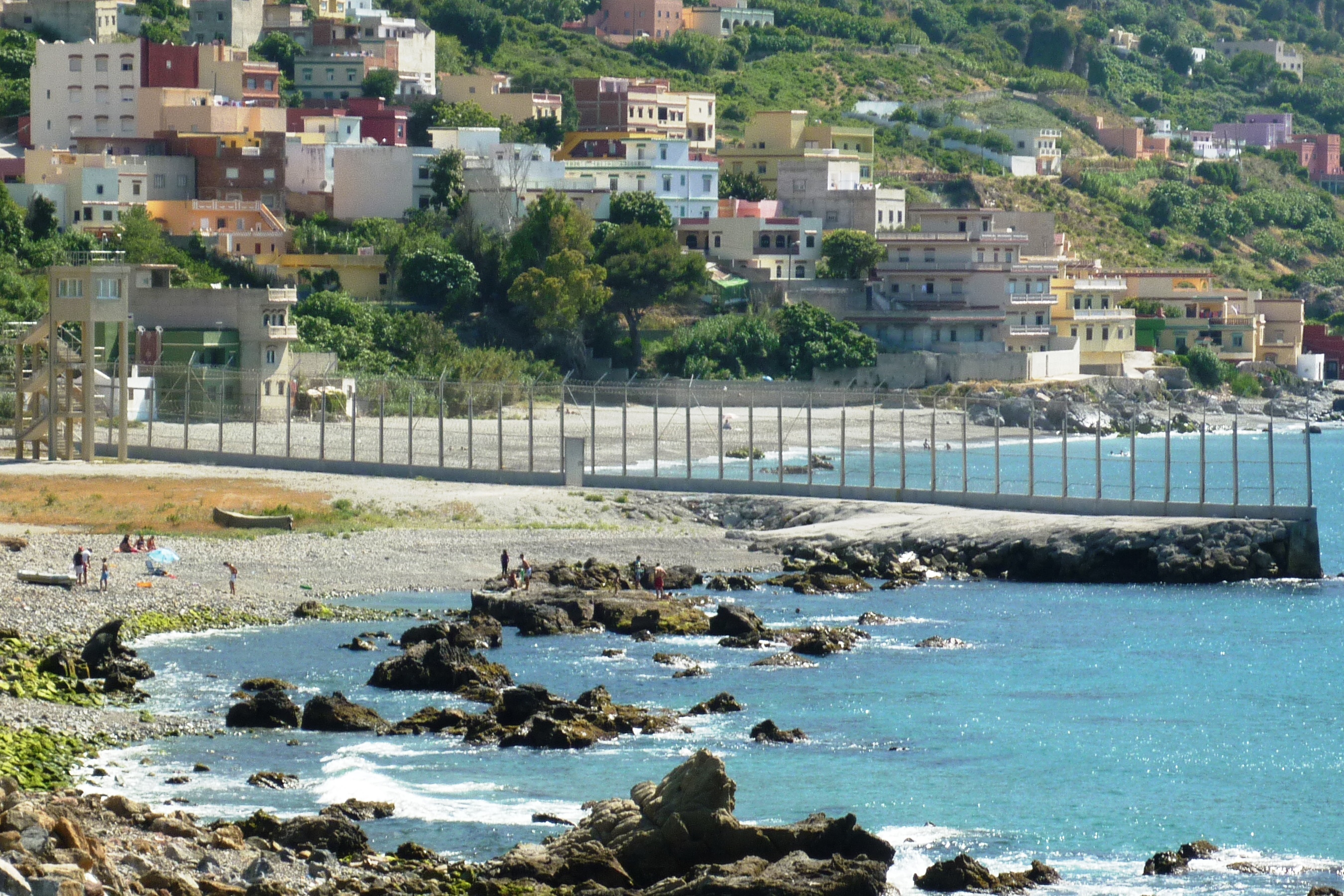
The European Commission proposed on Tuesday, October 27, 2026, the largest expansion in the history of Frontex, the European Union's border and coast guard agency: a standing corps of 30,000 officers, three times the size of the force the agency is currently building, and — in the most far-reaching part of the plan — new powers for Frontex itself to organise the return of migrants, including transfers between countries outside the EU. The proposal was presented in Brussels by Executive Vice-President Henna Virkkunen and Magnus Brunner, the Commissioner for Internal Affairs and Migration, according to Reuters reporting of the announcement.
The plan would recast what Frontex is. For two decades the Warsaw-based agency has principally supported national border guards: lending officers, aircraft, vessels and analysis to member states that remain legally responsible for their own frontiers. Under Tuesday's proposal it would become an operational actor in its own right on the most politically charged part of migration policy — returns — running a dedicated Return Coordination Centre, fielding a quick reaction force that can deploy within 24 hours, and, where agreements allow, organising the movement of people from one non-EU country to another. Commission President Ursula von der Leyen framed the purpose in a single sentence: "Europe decides who comes to our Union and how."
What is in the proposal
The headline number is built in two layers, according to the Commission's official proposal. Frontex's own standing corps — the agency's directly recruited, uniformed officers — would double. On top of that, member states would build a new European border and return reserve of 17,000 personnel, supplementing the roughly 7,000 officers that national governments already second to Frontex operations. Taken together, the structure is designed to put 30,000 people at the agency's disposal: a permanent core it commands itself, ringed by a much larger reserve it can call on.
Speed is the second pillar. The proposal creates a quick reaction capability intended to get Frontex teams to a border emergency within 24 hours, rather than through the slower process of requesting and assembling national contributions after a crisis has already formed. Brunner said the expanded agency should be able to deploy "within 24 hours and spot risks early" — a phrase that captures the plan's twin emphasis on reaction and anticipation. To support the second of those, the Commission proposes an online monitoring centre that would track border-related developments on social media, looking for the signals — a sudden route change, a smuggling network advertising a new crossing, a political rupture in a transit country — that have repeatedly caught European governments by surprise.
The third pillar is the one that changes the agency's character: returns. A new Frontex Return Coordination Centre would span the whole returns chain, from counselling people on voluntary return, through organising enforced returns, to reintegration support in the country of origin. And the mandate would not stop at the EU's own territory. Under the proposal, Frontex could organise returns from one non-EU country to another — for example, moving people who have reached a transit state back to their country of origin — where the countries concerned agree and fundamental rights are respected. "Today we propose that Frontex becomes the central EU actor on returns," Brunner said.
The supporting machinery matters too. The Commission proposes central purchasing of equipment for the agency, including artificial-intelligence tools, ending a patchwork in which capabilities vary sharply between member states.
Why now: the shadow of Ceuta
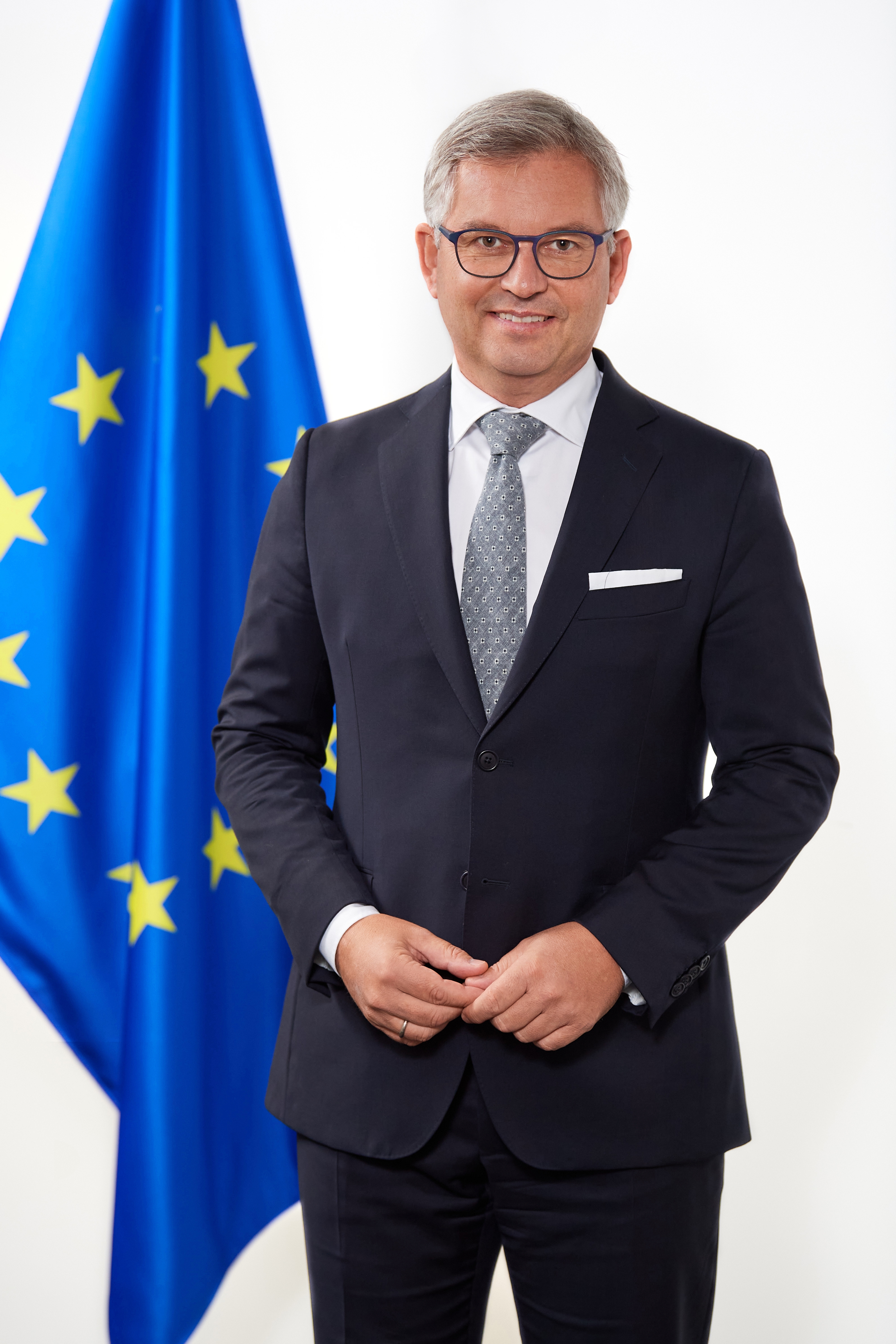
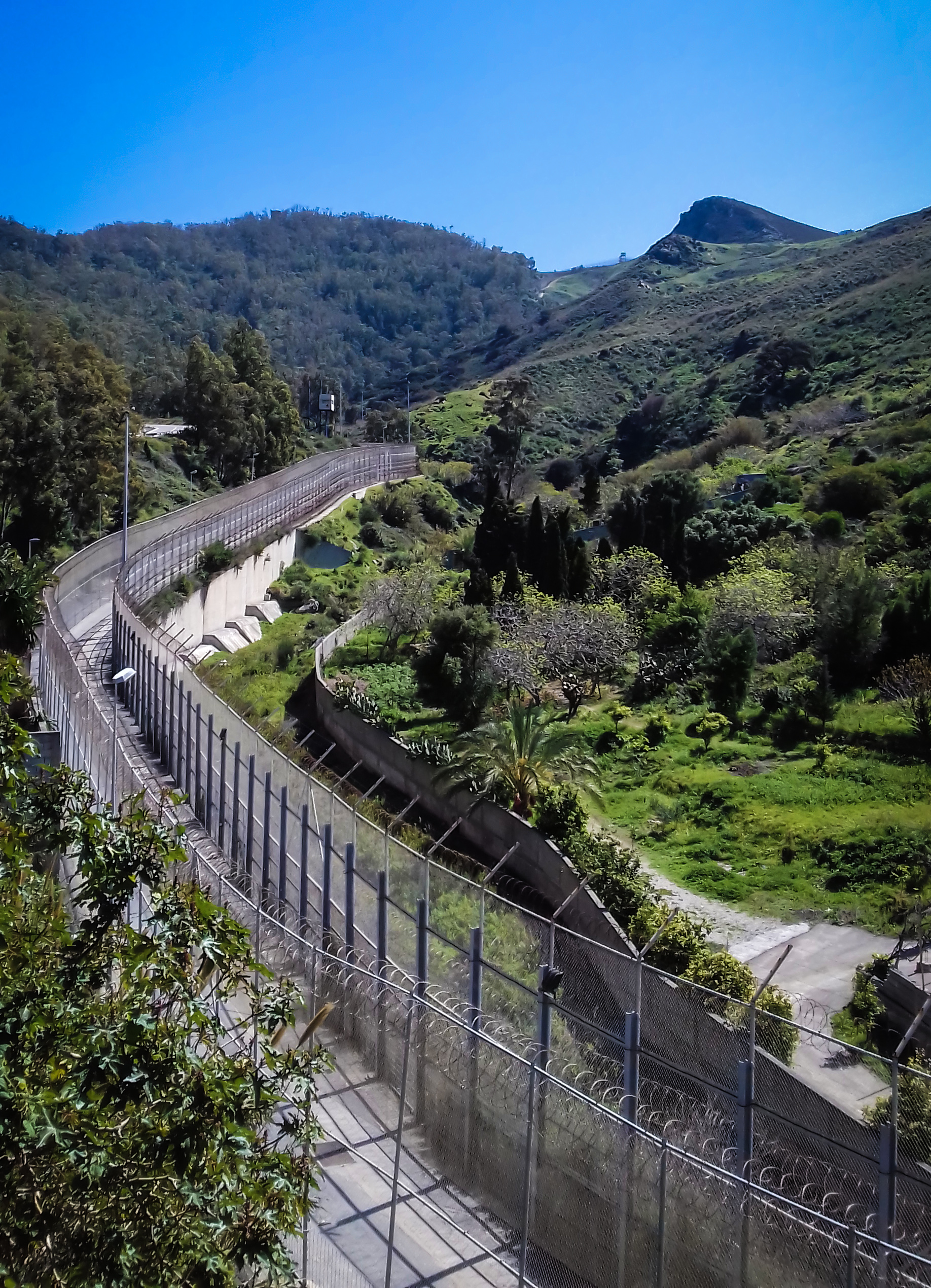
Proposals of this size rarely appear without a precipitating crisis, and this one's is Ceuta. In late July 2026, more than 72,000 people crossed from Morocco into the Spanish enclave within days, overwhelming its fences, reception system and local administration before most of those who had entered later left again. At least 140 people died in the episode, according to DPA reporting. The images — crowds scaling the parallel fences of one of Europe's two land borders with Africa — became the defining migration pictures of the European summer, and the political aftershock has run ever since, from Madrid's clearance of the migrant camp at Trampolín beach ahead of a royal visit, which we covered in our report on Spain clearing the Ceuta migrant camp, to Tuesday's proposal in Brussels.
The paradox the Commission is working within is that the Ceuta surge was an exception to the wider trend. Irregular arrivals to the EU overall have been falling. What has not fallen, member states argue, is the number of people who have been ordered to leave and remain — the gap between return decisions issued and returns actually carried out, which governments across the bloc describe as the point where public consent for the whole asylum system is lost. A person can be refused protection, issued with a return decision, and still be present years later because no single authority owns the process of getting them home: identification stalls, travel documents are not issued, flights are not organised, and responsibility dissolves between national administrations. The Return Coordination Centre is Brussels' answer to that specific, unglamorous failure.
Why this matters
The significance of the proposal is not primarily the number, large as it is. It is the direction of travel. Frontex was created as a coordination and support agency precisely because border control sits close to the core of national sovereignty, and member states guard it accordingly. Each expansion since — the 2016 transformation into the European Border and Coast Guard Agency, the 2019 decision to build a 10,000-strong standing corps by 2027, the first uniformed EU service that began deploying in 2021 — has shifted operational weight from national capitals toward the agency. Tuesday's plan accelerates that shift and extends it into new territory in both senses: returns are the part of migration policy where state power is most directly exercised over individuals, and organising them between third countries would put an EU agency to work on removals that begin and end outside EU territory altogether.
The arithmetic also exposes the scale of the bet. The existing plan — 10,000 standing corps officers by 2027 — has itself been a demanding recruitment exercise, competing with national police and border services for the same people. Tripling the ambition to 30,000, even with 17,000 of the total sitting in a member-state reserve rather than on Frontex's own payroll, means either a long build-up, a lowering of the practical bar, or sustained political commitment across several EU budget cycles. Money follows the same logic: a force of this size, with its own aircraft, vessels, vehicles and AI-supported monitoring, is a multi-billion-euro undertaking whose costs will be contested line by line. And command questions that sound technical — who orders a reserve unit to deploy, under whose rules of engagement, answerable to which parliament when something goes wrong — are, in this field, the substance of the politics.
Background: from coordination desk to uniformed service
Frontex was founded in 2004 as a small agency for coordinating the operational cooperation of national border guards. The migration crisis of 2015–16 broke that settlement: in 2016 the agency was re-founded as the European Border and Coast Guard Agency, with a stronger mandate, its own rapid-reaction pools and a supervisory role over national systems. The 2019 regulation went further, creating the standing corps — the EU's first uniformed service — which launched in 2021 and was legislated to reach 10,000 officers by 2027. Von der Leyen's 2024 political guidelines then promised to triple the corps to 30,000, a commitment Tuesday's proposal is designed to redeem. Each step, critics and supporters note, was taken in the aftermath of a crisis.
The criticism, and the case on the other side
Opposition arrived within hours, and its themes were oversight and politics as much as size. Tineke Strik, a Green/EFA member of the European Parliament and a long-standing parliamentary scrutineer of Frontex, accused the Commission of "pandering to populism and the far right" and warned of the risk of creating "a European version of ICE" — a comparison to the US immigration enforcement agency that critics of the plan are expected to repeat through the legislative process. Those characterisations are the critics' own and are contested by the Commission; they are reported here as part of the political argument, not as findings.
The oversight objection is more specific. According to Reuters reporting of the proposal's detail, the expanded mandate is paired with changes that narrow the role of Frontex's internal fundamental-rights watchdog, with complaints routed instead to national authorities. For the plan's critics, that combination — a broader operational role, including removals conducted outside the EU, alongside thinner internal rights machinery — is the heart of the problem: they argue the agency's accountability has not kept pace with its powers at 10,000 officers, let alone 30,000. Frontex's recent history gives that argument material to work with, including the 2022 resignation of its former executive director amid an EU anti-fraud investigation into the agency's handling of alleged pushbacks.
The case for the proposal, as the Commission and supportive member states make it, runs as follows. Crisis response is currently too slow: Ceuta showed a border emergency developing in days while support mechanisms measured in weeks ground into motion, and a standing 24-hour reaction force with pre-agreed deployment rules is the direct remedy. Standards are inconsistent: a returns process run through 27 national systems produces 27 different outcomes for people in materially identical situations, and a single coordinating centre can apply one standard of counselling, documentation and reintegration. And returns that are ordered but never happen corrode the credibility of every other part of the system — including, governments argue, public willingness to sustain protection for those who qualify for it. On the third-country element, the Commission stresses the conditions attached: transfers between non-EU countries would happen only with the agreement of the countries involved and subject to fundamental rights. Whether those safeguards are sufficient is precisely what Parliament and the Council will now argue over.
The numbers in context
Set the figures side by side and the shape of the proposal clarifies. The current legislated trajectory is 10,000 standing corps officers by 2027. The proposal's destination is 30,000 people in total: a doubled Frontex corps of its own, roughly 7,000 officers seconded from member states as today, and a new 17,000-strong European border and return reserve drawn from national services. The reserve is therefore not a detail — it is more than half the headline number, and it is the part member states must actually staff. Against that, the demand side of the ledger: more than 72,000 crossings into Ceuta in a matter of days in July, at least 140 deaths recorded around that episode by DPA's count, and an EU-wide returns gap that governments describe in the hundreds of thousands of unenforced return decisions accumulated over recent years. A 24-hour deployment pledge, an online monitoring centre and centralised purchasing including AI tools are the proposal's answers to the speed and fragmentation problems respectively — and each will be measurable, in time, against those baselines.
What happens next
Nothing in Tuesday's announcement changes the law by itself. The proposal now goes to the European Parliament and to the Council, where member states negotiate as governments; both must agree a text before anything is built, and both have strong incentives to amend — Parliament on rights safeguards and oversight, the Council on money, staffing contributions and command. Four watch points will decide what survives. The first is the budget: a tripling of the corps and a new reserve implies a step-change in the agency's funding in the EU's next multi-year budget, and finance ministries will test every line. The second is recruitment: whether Frontex and national services can actually find, vet and train personnel at the implied pace without poaching from each other. The third is third-country agreements: the returns centre's most novel power — organising returns between non-EU countries — exists only where origin and transit states sign up to it, and those negotiations are slow, transactional and politically exposed. The fourth is timing: the Commission's wider migration architecture, including return hubs expected from 2027, is sequenced around this file, so slippage here moves dates elsewhere too.
The scenarios branch accordingly. In the fastest plausible path, a deal keeps the 30,000 destination and the returns centre intact. In the middle path — the most common for Frontex files — the headline number survives while the reserve, the rights machinery and the third-country powers are bargained into narrower forms. What is not really in question, on the record of the past decade, is the direction: every previous Frontex negotiation has ended with a larger agency than the one before. Tuesday's proposal asks whether Europe now wants that agency to run its returns as well — and that question, not the arithmetic, is what the next year of argument in Brussels, Strasbourg and 27 capitals will actually be about.
Related coverage
Sources
Reuters, October 27, 2026 — EU Commission proposes expanding powers of border police force. European Commission, October 27, 2026 — Commission proposes a stronger Frontex: more resources, a greater role in returns and effective crisis response. DPA reporting on the July 2026 Ceuta crossings and death toll — via Ekkow.