Ethiopia Orthodox Christians killed in two attacks in the Arsi Zone of Oromia rose to 60 on Monday, after the Ethiopian Orthodox Tewahedo Church's Holy Synod confirmed the toll from its diocese on the ground — 14 people killed in Merti district on October 20 and 46 in Shirka district on October 24, with more than 20 others seriously injured and 20 homes burned down. The statement, issued on October 26 as the Synod met in plenary assembly, is the first authoritative combined toll for a week of violence that survivors described to BBC Amharic as an ambush: gunmen surrounding farming villages from all four directions at dawn, killing elderly residents, women and at least five children.
Track it live: follow armed conflicts and military operations worldwide on our live wars tracker.
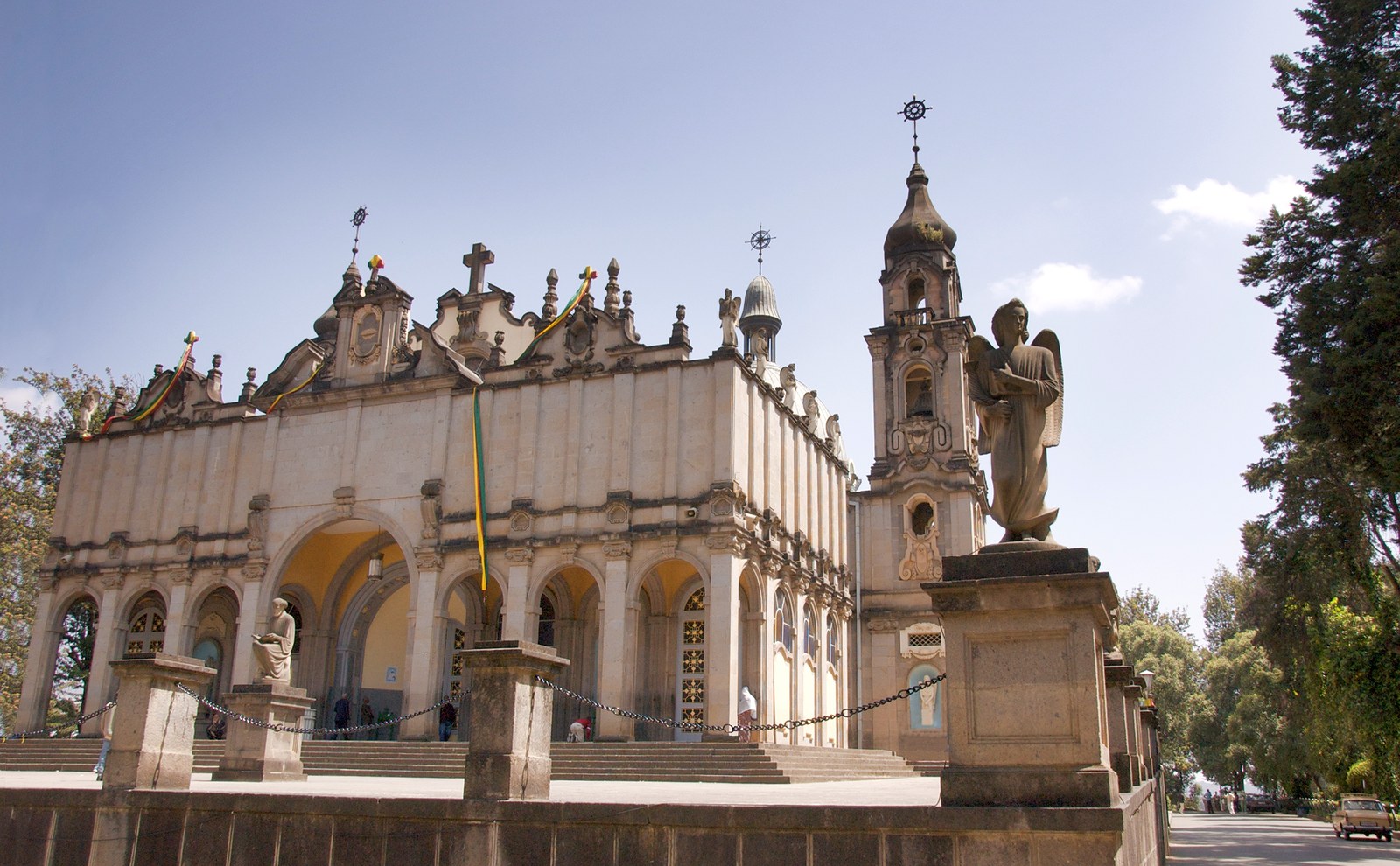
What happened in Shirka and Merti
The larger of the two attacks came before dawn on Saturday, October 24, in Shirka woreda, roughly 270 kilometres south of Addis Ababa. Residents told BBC Amharic that the attackers surrounded the kebeles of Chole and Birbo from all sides at the hour when the men who had patrolled through the night had come home to rest. "We were completely unprepared and had no prior knowledge. They surrounded us from all four directions," one resident, whose 75-year-old father was among the dead, told the BBC. A church official in the district described the assault on three areas of Shirka as a "massacre" and said security forces reached the scene but were unable to stop it. Residents said the dead were buried together in a single grave at St Raphael's church in Chole later that day, and local reports said a church in the Digelu area was hit with heavy weapons, looted and damaged.
Four days earlier, on October 20, 14 people were killed at Gora Silingo in Angada kebele, in neighbouring Merti woreda, according to the Synod's statement, which cited the report of its Arsi diocese office. The Shirka toll the Synod published — 46 — matches the figure three residents had already given over the weekend. AFP, citing residents and the conflict-monitoring project ACLED, reported at least 43 people killed and 18 wounded in Shirka alone, said the attack was believed to be religiously motivated and targeted Orthodox Christians, and reported that it set off clashes with local militias that continued through Saturday afternoon and evening. A resident told AFP that relatives had been taken hostage in Chole. The state-run Ethiopian Human Rights Commission said it was "following the situation" but gave no further details.
The church's response: condemnation, a committee, and a call for protection
The Holy Synod — the highest body of one of the world's oldest churches — did not mince its words. "We have heard with deep sorrow the report submitted by the Diocese Office," it said, describing the killings as "extremely tragic cruelty and suffering inflicted on our citizens" and an act that "deserves outright condemnation." The statement said the victims were innocent Orthodox faithful, warned that killings, displacement and destruction of property targeting Orthodox Christians in Arsi and other parts of Ethiopia had continued to escalate, and held that the attacks violated the constitutional rights to life and freedom of religion.
The Synod called on government institutions to publicly condemn the killings, protect civilians until the security situation is resolved, take preventive measures against further violence, and bring those responsible to justice. It said it would hold talks with senior government officials, and it set up a committee of clergy, church scholars and legal experts to work on a lasting solution. In a statement posted on Facebook, the church said it had repeatedly raised concerns about insecurity with authorities at different levels of government, but that "so far there has been no solution." The Synod also announced a prayer of absolution on Monday at the Menbere Patriarch Kidiste Kidusan Maryam Monastery in Addis Ababa, and directed that similar prayers be held in Ethiopian Orthodox churches and monasteries worldwide on Tuesday, October 27, after the Divine Liturgy.
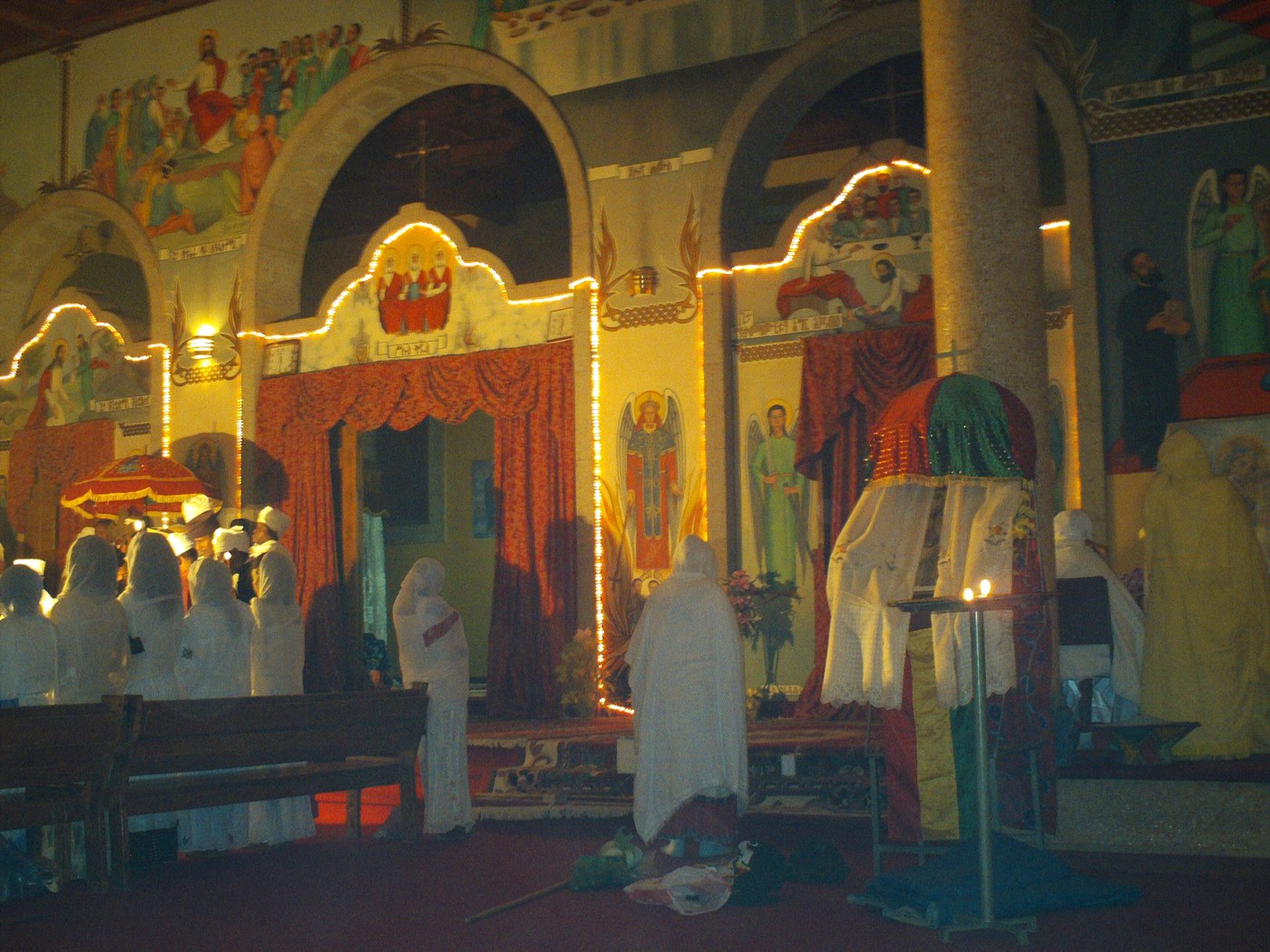
Why this matters
Sixty confirmed dead in four days would be a major story anywhere. In Arsi it is something more specific and more dangerous: the deadliest single episode in a documented, years-long pattern of attacks on one religious community in one zone — a pattern the church, rights monitors and survivors all say has been met, so far, with warnings rather than protection. The Ethiopian Human Rights Council, an independent rights group, reported in July 2026 that 458 people had been killed in attacks in that area over the previous four years, according to the BBC; Addis Standard, citing the same council's reporting, puts the figure at at least 432 civilians and four local militia members killed in targeted attacks across East Arsi since 2021/22. The two counts use different framings and do not perfectly agree, but they point the same way: Shirka and Merti are not an anomaly. They are the latest and worst entries in a ledger that has been growing for years.
That is why the argument now forming around the attacks matters as much as the attacks themselves. The church is no longer only mourning; it is formally accusing the state of failing in its most basic duty, on the record, in an institutional voice that reaches tens of millions of faithful. When a body that cautious uses words like "escalate" and sets up a committee of legal experts, it is signalling that it no longer expects the existing channels to protect its people. In a country where the Orthodox Church is woven into national identity — and where Oromia, Ethiopia's largest region with some 40 million people, is already fighting a long-running insurgency — a protection failure framed in religious terms is exactly the kind of grievance that widens conflicts rather than containing them.
How we got here: a pattern, not an incident
The October attacks did not begin on October 20. Between October 12 and 17, at least six people were killed and five abducted in attacks in Shirka and nearby Honkolo Wabe, the church said — a farmer killed in his field, livestock driven off, a priest seriously wounded. Rights reporting on the zone stretches back much further: the Ethiopian Human Rights Council's work documents killings, kidnappings for ransom, forced displacement and the destruction and looting of churches across East Arsi over a period of years, and church officials say the Arsi diocese has raised the deteriorating security situation repeatedly with officials up to the Ministry of Peace, without an effective solution.
The violence sits inside a wider Ethiopian security crisis. The federal government is contending with armed challenges on several fronts at once — a confrontation with Eritrea that Addis Ababa has taken to the UN Security Council, covered in our report on Ethiopia's accusation of an "all-out invasion", and contested claims around Tigray, examined in the reporting on Ethiopian forces and Aksum. Each front draws troops, attention and political capital away from places like Shirka, where the state's presence is a local security post that residents say arrived too late and could not stop a dawn assault. The pattern across the region is similar: in neighbouring Sudan, armed actors are striking civilian infrastructure with growing impunity, as the RSF drone campaign against power stations shows. Civilians at the periphery are absorbing the cost of every one of these conflicts.
Who is blamed — and what is not established
No group has claimed responsibility for the Merti or Shirka attacks, and no independent investigation has established who carried them out. What exists is a set of competing attributions, and they do not agree. A local official blamed the attacks on a newly formed rebel coalition, the Alliance for Survival, which includes the Oromo Liberation Army (OLA), the BBC reported; the OLA has not commented on these attacks, and it has denied carrying out previous attacks of this kind. Hailu Adugna, head of the Oromia Communication Service, blamed the force officials call "Tsimdo" — a label Ethiopian officials use for the Tigray People's Liberation Front (TPLF) and groups they accuse of aligning with it — and said the aim was to stir ethnic and religious conflict; he gave no toll. The Oromia regional government said it would take action against those responsible.
The honest summary is that responsibility is contested at exactly the moment when certainty would matter most. Each attribution points at a different enemy and implies a different response. What is not contested — by the church, by residents, by AFP's reporting or by the regional government's own promise of action — is the fact of the attacks themselves, the identity of the victims as overwhelmingly Orthodox Christian farming families, and the failure of the security presence on the ground to prevent them. One Monday eyewitness account, reported by Abay Times, put the toll in Birbo and Chole at about 55 civilians, among them 11 women and children and including seven Muslims — a reminder that even the counting is not finished, and that dawn attacks on villages do not check identities as carefully as the statements issued afterwards.
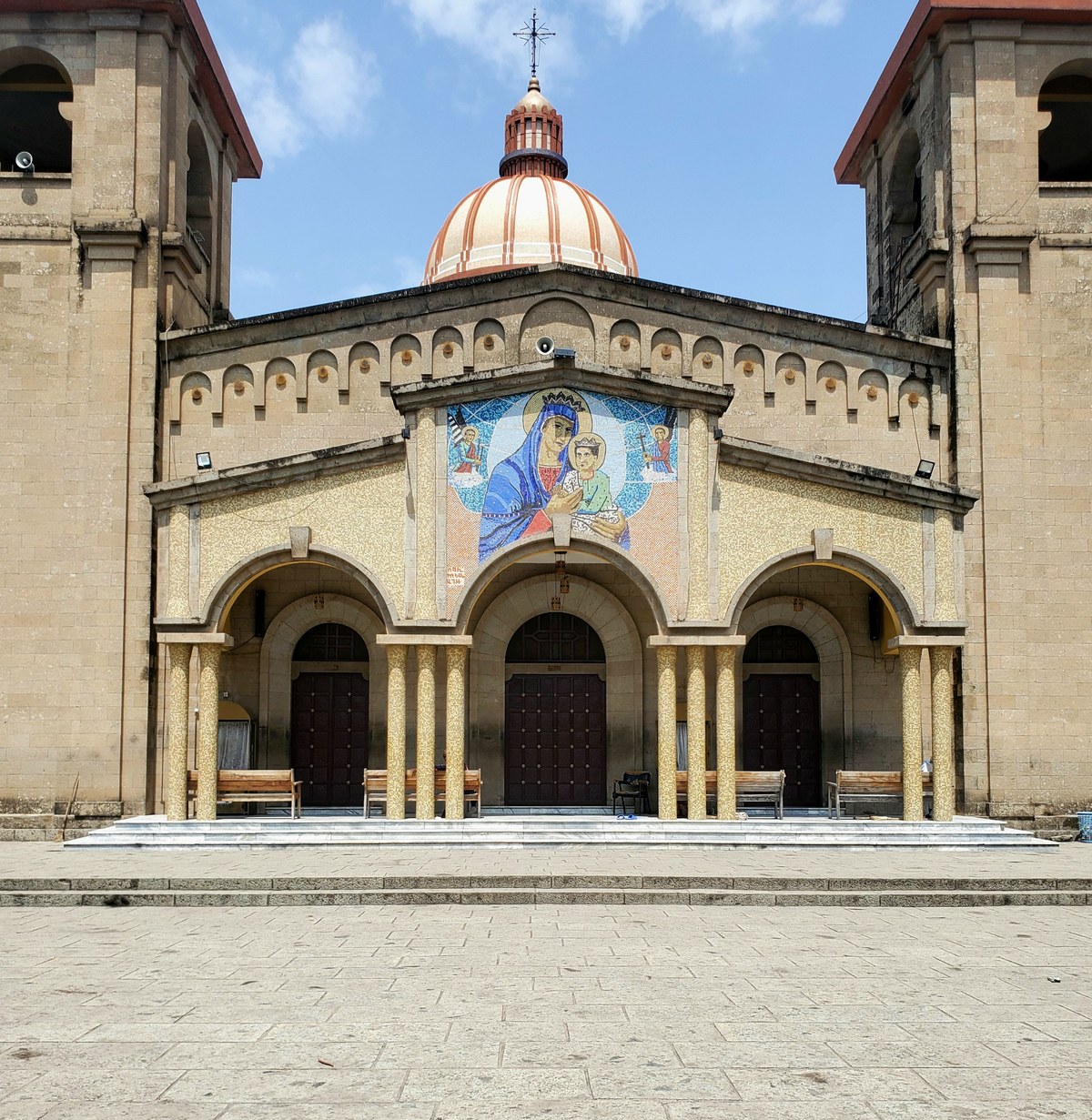
What happens next
The immediate test is whether Monday's statement changes anything on the ground. A Shirka church official said the dead had been buried and there had been no new attack, but that residents were afraid and many were staying in hiding — which is its own measure of how much protection people believe is coming. Watch three things in the coming days. First, whether federal or regional forces visibly reinforce the Arsi districts the church has named, and whether the regional government's promised action produces arrests that are publicly evidenced rather than announced. Second, whether the Synod's committee and its planned talks with senior officials produce a named mechanism — patrols, investigations, prosecutions — or another round of statements. Third, whether any of the accused groups responds: an OLA statement, in particular, would either narrow the argument or widen it.
The church has set its own deadline of sorts: prayers in every Ethiopian Orthodox church and monastery worldwide on Tuesday. After that, the question returns to Addis Ababa. Sixty people are dead in two districts in four days, in attacks the victims' church had been warning about, in writing, for years. The next attack in Arsi — if there is one — will not be a failure of warning. It will be a failure of response, and everyone involved now knows it.
Sources
BBC News, "More than 60 Christians killed in Ethiopia 'massacre', church official says" (survivor accounts via BBC Amharic; the local official's blame of the Alliance for Survival including the OLA; the Ethiopian Human Rights Council's July 2026 figure of 458 killed), bbc.com. Addis Standard, "Holy Synod confirms 60 Orthodox faithful killed in latest attacks in Oromia, calls for protection, justice" (the full Holy Synod statement of October 26: tolls for Merti and Shirka, the condemnation, the protection and justice demands, the prayer of absolution), addisstandard.com. Abay Times, "Orthodox Holy Synod says 60 killed in two Arsi attacks" (the committee of clergy, scholars and legal experts; Hailu Adugna's "Tsimdo" attribution; the differing Monday eyewitness account; residents in hiding), abaytimes.com. AFP reporting, via residents and ACLED (at least 43 killed and 18 wounded in Shirka; religiously motivated assessment; clashes with local militias; hostages taken in Chole; the Ethiopian Human Rights Commission "following the situation"), as carried at sentineldigest.com.