The EQT Range Resources merger, announced Monday, is the deal the American gas industry has been building toward for a decade. EQT Corporation will acquire Range Resources in an all-stock transaction that Reuters calculated at about $12.83 billion, creating the largest natural gas producer in the United States — a company pumping more than 9 billion cubic feet equivalent of gas a day from nearly 3 million acres in the Appalachian Basin, with a pro forma enterprise value above $50 billion.
Track it live: follow energy and market moves on the Signal Post News markets tracker.
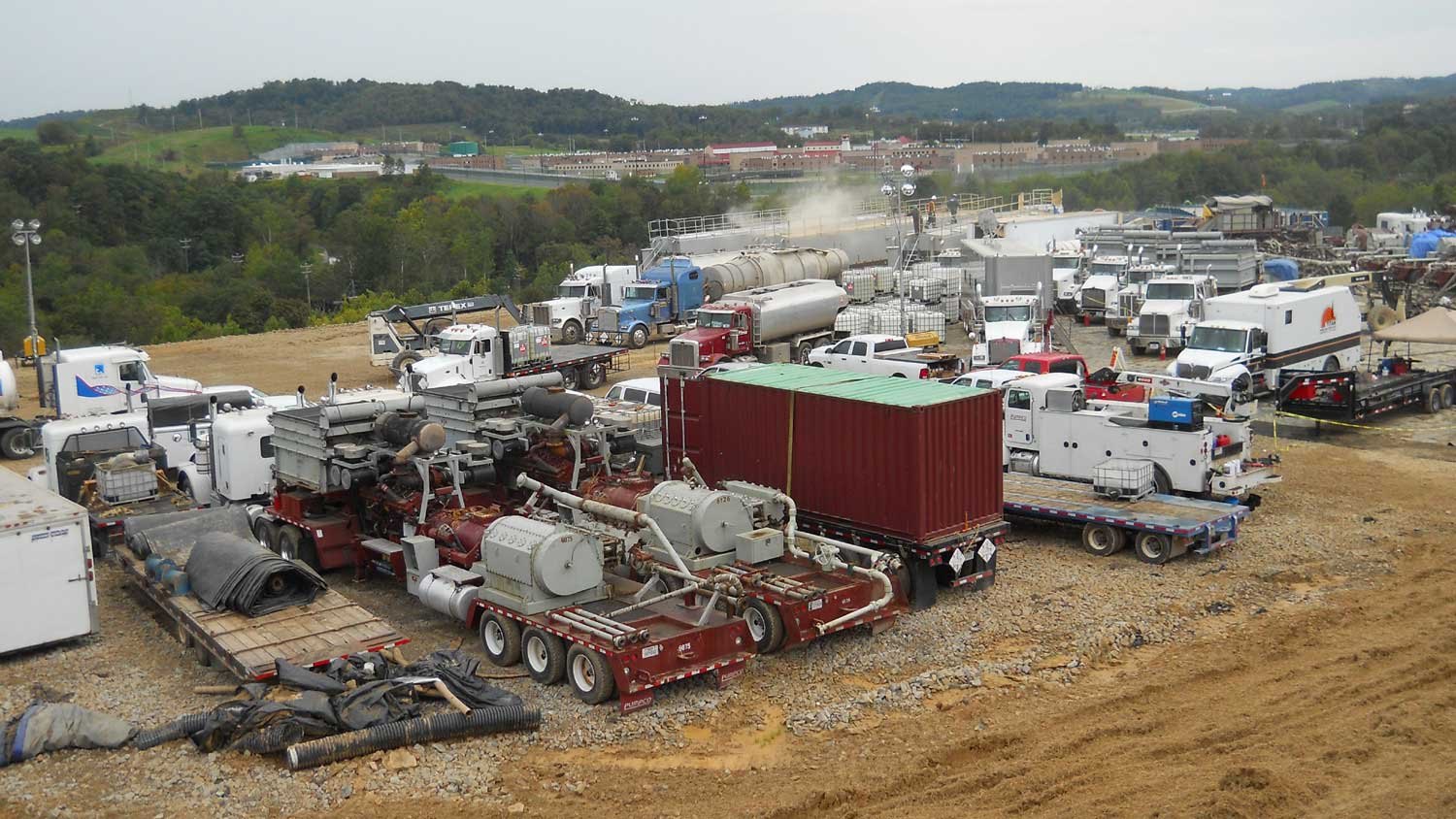
The logic, in one sentence, is demand. The U.S. Energy Information Administration expects American natural gas consumption to rise from 91.9 billion cubic feet a day in 2025 to 94.3 billion in 2027, driven by liquefied natural gas exports and by power generation — including, Reuters reported, the electricity appetite of AI data centers. EQT's chief executive, Toby Rice, told a conference call on Monday that the company now sees potential Appalachian gas demand reaching 25 billion cubic feet a day, up from its previous estimate of 20 billion. Two mid-sized Appalachian producers looked at that curve and decided one giant would serve it better than two rivals.
What was actually agreed
Under the definitive merger agreement, unanimously approved by both boards and announced jointly on October 26, each Range share will be exchanged for 0.987 shares of EQT. Based on EQT's closing price on Friday, October 23, Reuters calculated that ratio at $54.91 per Range share — a premium of about 20.6 percent to Range's last close — for an equity value of roughly $12.83 billion. The companies themselves did not publish a headline price for Range; the figure above $50 billion that leads their announcement is the combined company's enterprise value, including debt, not the purchase price.
When the deal closes, expected in the first quarter of 2027, existing EQT shareholders will own about 73 percent of the combined company and Range shareholders about 27 percent. EQT's management team will run it, headquarters stays in Canonsburg, Pennsylvania, and two Range representatives — including its chief executive, Dennis Degner — will join EQT's board. The companies cancelled their third-quarter earnings calls scheduled for October 28; both will still publish results after the market close on October 27.
The combined company's own projections, set out in the announcement, are striking: more than 9 billion cubic feet equivalent a day of net production — comfortably ahead of rival Expand Energy, which produced about 7.2 billion a day in 2025 on Reuters' figures — more than 30 years of drilling inventory, over 3,700 miles of midstream pipelines, expected savings of $325 million a year within two years with a pathway the companies put at more than $600 million long term, a free-cash-flow breakeven improved to below $2 per million British thermal units, and roughly $20 billion of cumulative free cash flow over five years at recent prices. Every one of those numbers is a company projection, and the announcement's own cautionary language lists the ways — commodity prices, regulation, integration problems, shareholder votes — it could prove wrong.
Why this matters
Natural gas is quietly becoming the load-bearing fuel of the American economy. It heats roughly half of U.S. homes, generates more electricity than any other source, feeds chemical plants, and — through LNG terminals on the Gulf Coast — increasingly heats and powers America's allies in Europe and Asia too. Who controls the cheapest, longest-life supply of that fuel is therefore not a niche industry question. It shapes household bills, industrial competitiveness and export diplomacy at the same time.
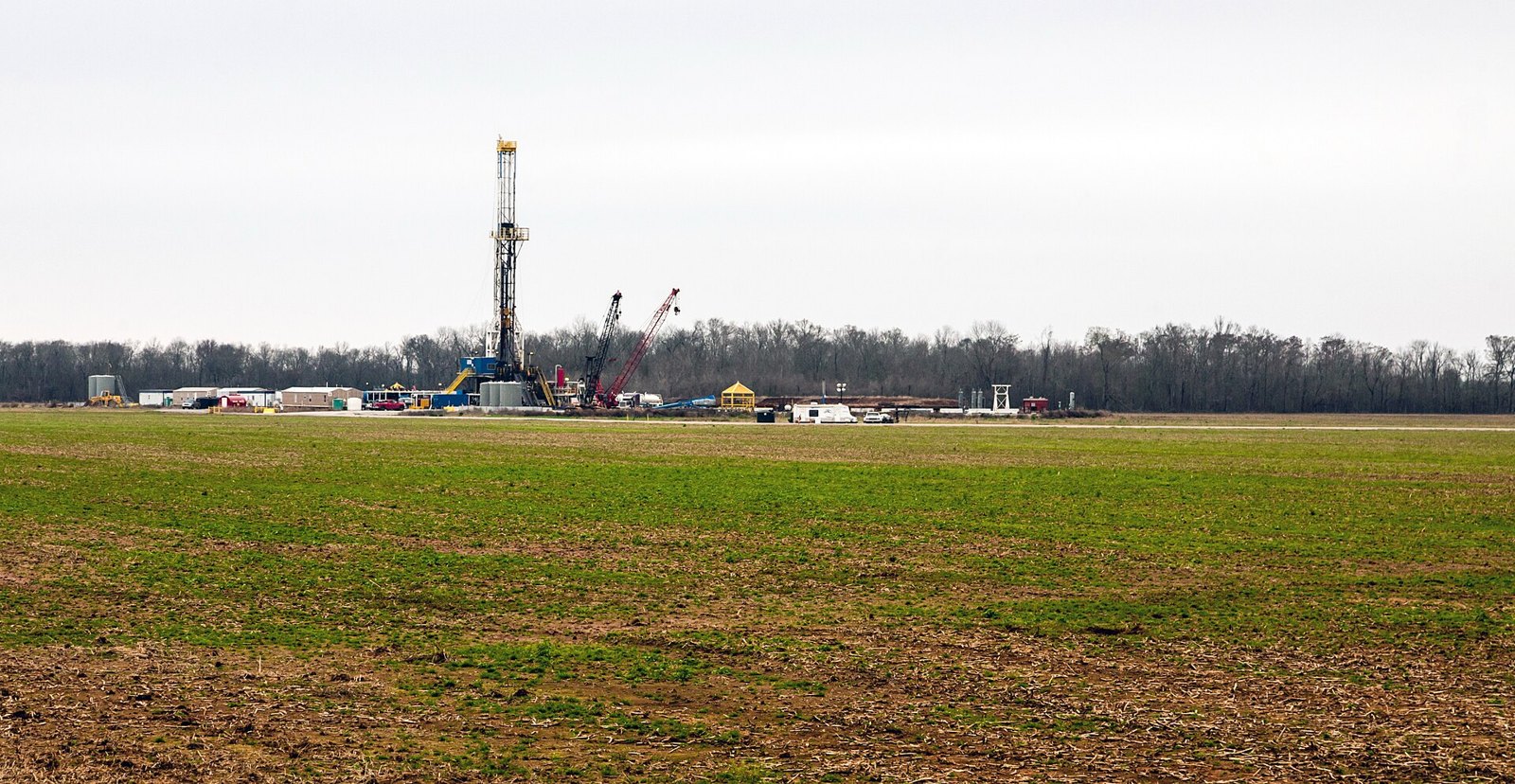
Appalachia is where that supply lives. The Marcellus and Utica shales beneath Pennsylvania, Ohio and West Virginia hold some of the lowest-cost gas on the planet, but the basin has a constraint the Permian does not: getting gas out requires pipelines through crowded, litigious country, and the producers who own both the wells and the pipes hold a structural advantage. That is why both companies stress the word "vertically integrated" — EQT already pairs its wells with a large midstream network, and adding Range's acreage and liquids-rich gas deepens the inventory that network can monetise for, on the companies' count, more than three decades.
There is also a timing argument hiding inside the deal. Gas prices have swung violently in recent years — spiking when pipelines and wars tightened supply, collapsing when winters turned mild. A producer whose breakeven sits below $2 can survive the collapses and print money in the spikes; a smaller rival cannot always do both. Scale, in this industry, is not vanity. It is insurance. Readers tracking the latest spike can see the other side of that market in our coverage of oil prices at their highest since May and of why the Iran war is showing up in American fuel bills.
Who wins, who loses, and what critics will say
Range shareholders won the day: the stock closed up 17.7 percent at $53.56 on Monday, building on the intraday gains Reuters captured as it rose 16.7 percent to $53.14, because a fifth of the company's value was added by the premium before a single vote was cast. EQT shareholders, as is typical for the buyer in an all-stock deal, paid for it: EQT shares closed down 1.4 percent at $54.85, recovering from an early low, as investors weighed dilution against the promised synergies. Their verdict over the coming weeks will turn on whether they believe the $325 million savings figure and the below-$2 breakeven are conservative or optimistic.
Communities across the Appalachian Basin sit on both sides of the ledger. A stronger combined company means steadier drilling programmes, royalties and midstream construction in counties that depend on them; it also means one dominant employer and landowner negotiator where two competed, and environmental critics will argue — as they have after every shale consolidation — that a bigger producer locks in decades of fossil-fuel production and the local air, water and truck-traffic burdens that come with it, whatever the companies' efficiency claims. Regulators will have their own version of that argument: the deal needs antitrust and other regulatory clearances, plus approval from both sets of shareholders, before the first-quarter 2027 close, and gas-market concentration in a single basin is exactly the kind of fact pattern competition officials examine. Shareholder lawyers moved the same day: Brodsky & Smith, a shareholder law firm, announced an investigation into whether Range's board breached its fiduciary duties to shareholders by failing to conduct a fair process, including whether the transaction pays fair value.
The demand bet underneath it all
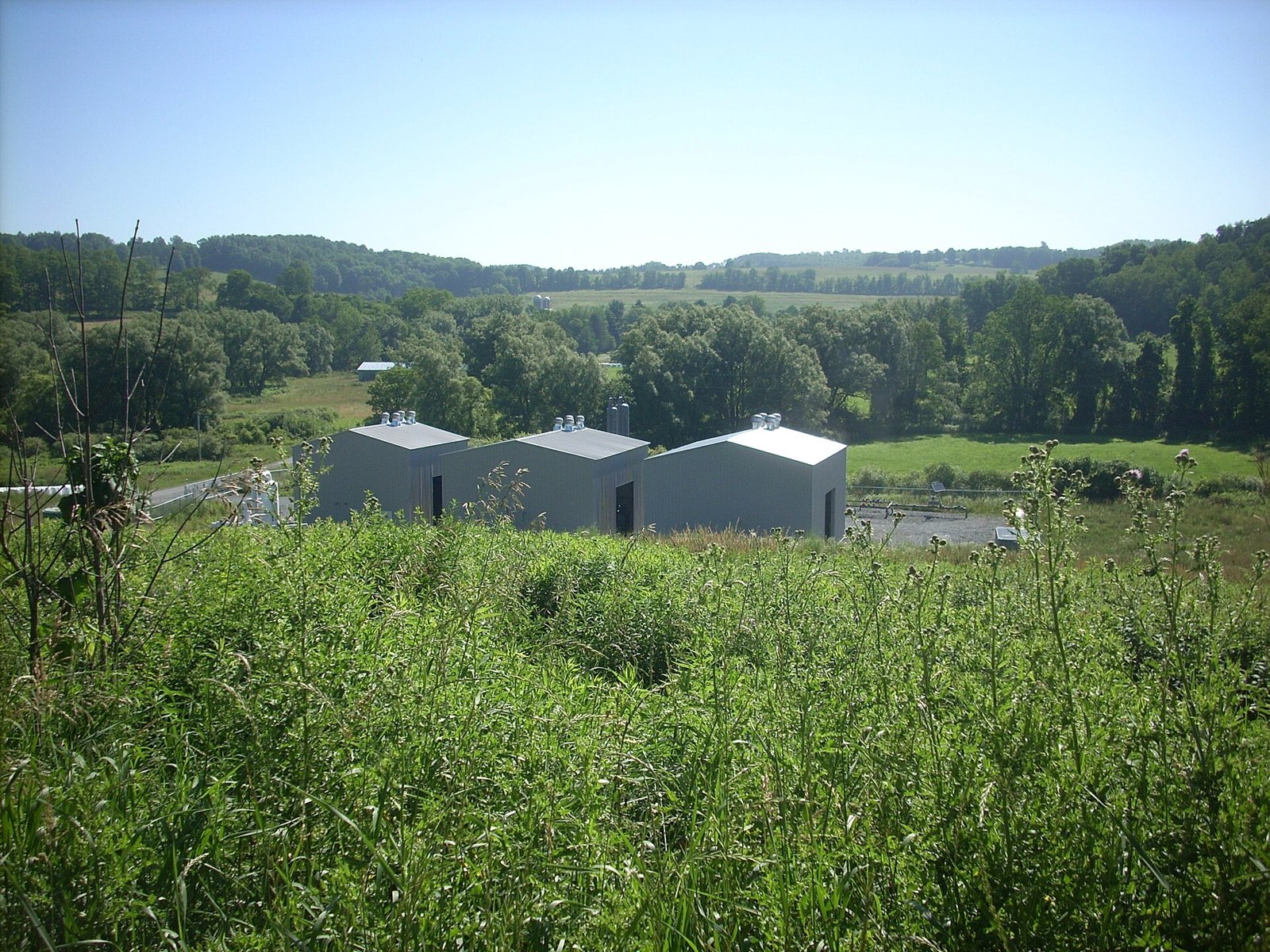
The boldest number in Monday's announcement is not the price. It is EQT's revised view that Appalachian demand could reach 25 billion cubic feet a day — a quarter more than it previously expected. Part of that is LNG: export terminals keep multiplying, and disputes over projects such as the Alaska LNG pipeline, which we covered when South Korea disputed a Trump claim about it, show how political the export buildout has become. Part of it, on Reuters' reporting of the EIA outlook, is the power sector — utilities and data-center developers signing for gas because it is the fastest firm power they can build.
One precision matters here, because it will be lost in most summaries: the companies' own announcement never mentions artificial intelligence or data centers. Its language is "demand-led growth," Appalachian demand and long-term supply arrangements. The data-center connection comes from the EIA forecasts Reuters cited and from EQT's investor materials mapping announced data-center capacity against future Appalachian demand. That distinction is not pedantry. If the AI power boom delivers even half its projected load, this merger looks prescient; if it stalls, EQT will have bought 30 years of inventory into a market growing at the EIA's steadier pace — still growing, but with far less urgency, and with a share count 27 percent larger than before.
What happens next
The calendar is already set. Both companies report third-quarter earnings on October 27, without the usual calls. Proxy materials and shareholder votes follow, regulators review the combination, and — on the terms reported from EQT's regulatory filing — walking away is expensive: a termination fee of $423 million payable by Range in specified circumstances, and $1.148 billion payable by EQT in others, figures that signal how determined both boards are to finish. If the deal closes as planned in the first quarter of 2027, America's gas map will have a single clear centre of gravity in Canonsburg, Pennsylvania.
The scenario to watch is the middle one. Gas demand rising, prices firm but not spiking, synergies arriving on schedule: that is the world in which a below-$2 breakeven giant compounds cash quietly for years, and in which Monday's deal is remembered as the moment Appalachian gas grew up. The bear case is just as easy to write — a warm winter, a price slump, an integration stumble — and it is the case EQT's falling share price was pricing, however mildly, on day one. Either way, the bet has been placed, in public, at $13 billion. The basin will grade it.
Sources
EQT Corporation and Range Resources Corporation, joint announcement via PR Newswire, October 26, 2026: prnewswire.com. Reuters, "EQT to buy Range Resources in $13 billion deal to create top US gas producer," October 26, 2026 (syndicated copy read in full): srnnews.com. Reuters Breakingviews, "AI powers up $13 bln natural gas deal," October 26, 2026: reuters.com. Seeking Alpha via TradingView, market account of the deal and share moves, October 26, 2026: tradingview.com. U.S. Energy Information Administration consumption forecasts as reported by Reuters.