El Fasher hospital attack
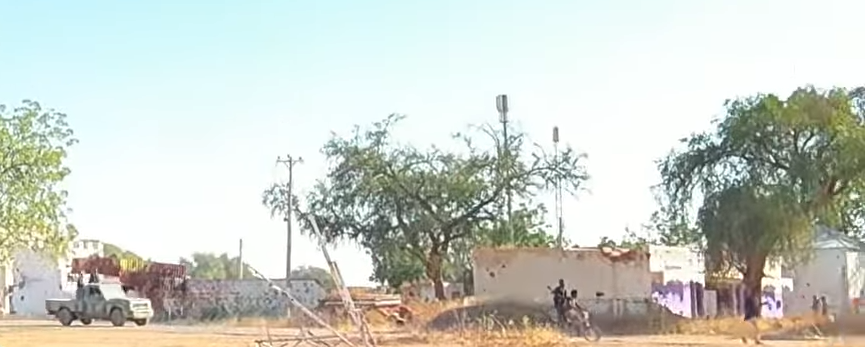
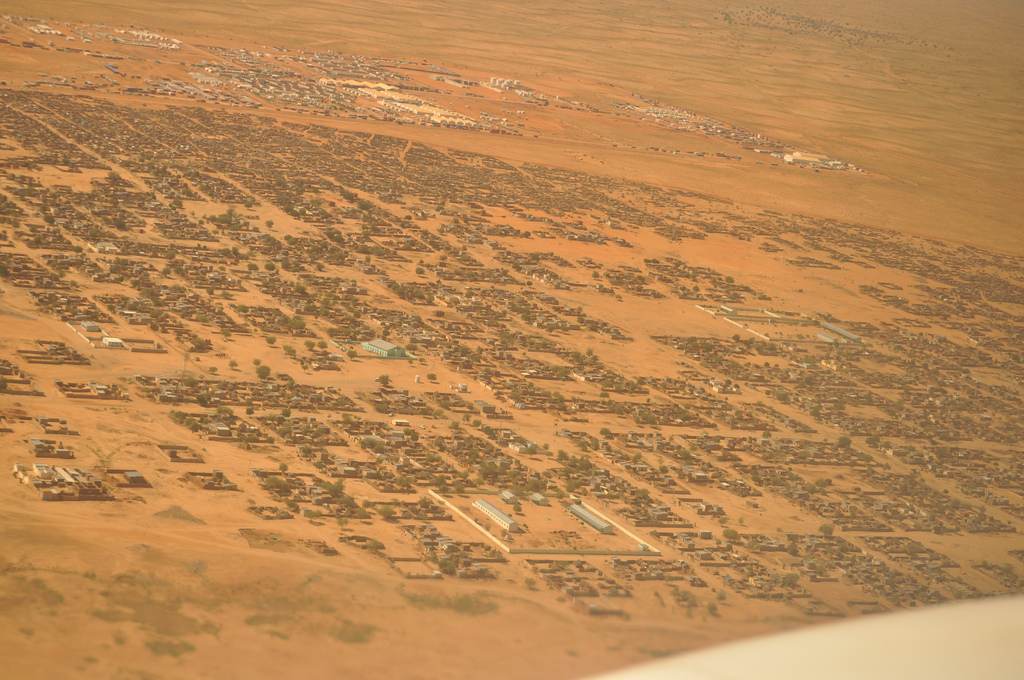
Artillery shells struck the Saudi Hospital for Women and Maternity in El Fasher, North Darfur, on the evening of Tuesday, September 22, according to medical groups and United Nations agencies. The facility was the city's last functioning hospital. The Sudan Doctors Network said 12 people were killed and 17 wounded, including patients and staff. The U.N. Population Fund confirmed that the maternity ward was hit, killing 12 people and wounding many others, including patients and health workers. U.N. officials said it was the third attack on the hospital in a single week.
On Wednesday, September 23, medical groups reported that RSF artillery hit a crowded displacement shelter inside a mosque in El Fasher's Abushouk al-Hilla area, leaving at least 35 people dead or wounded and forcing residents to flee. The Sudan Doctors Network separately said rocket and drone strikes on El Fasher neighborhoods killed 16 civilians, including three women, and wounded 21 others, five of them children. The El Fasher Resistance Committees reported that an RSF drone strike on a civilian gathering in the Al-Daraja neighborhood killed at least eight people. Taken together, medical groups reported more than 60 people killed or wounded across civilian sites over two days.
Independent verification of the individual casualty accounts is limited by El Fasher's communications blackout and severe restrictions on access. The RSF has not commented on these specific strikes and has previously denied targeting civilians. The U.N. Office for the Coordination of Humanitarian Affairs condemned the hospital and mosque attacks. “These attacks are unacceptable. Civilians must never be targeted,” OCHA said, echoing Secretary-General António Guterres's call for an immediate cessation of hostilities. U.N. spokesperson Stéphane Dujarric told reporters in New York: “The targeting of hospitals is to be condemned and never acceptable.”
A hospital with nowhere left to fall back to
The Saudi Hospital was the last functioning medical facility serving thousands of war-affected people in a city under siege since May 2024, according to medical groups and U.N. agencies. A third strike in one week is therefore not simply another damaged building. It threatens the final point in a chain of care that has already lost clinics, staff, supplies, power and safe roads.
A maternity ward is especially difficult to replace. Labor does not pause for a ceasefire or wait for a safe corridor. When the only operating ward is hit, pregnant patients face longer journeys through contested areas, medical workers must treat trauma alongside obstetric emergencies, and complications that are manageable in a functioning hospital can become fatal. Those risks sit inside a national emergency in which U.N. figures indicate that more than 30 million people need assistance and around 12 million have been displaced.
The World Health Organization has previously verified scores of attacks on health facilities in Sudan. That documented pattern does not by itself establish who fired every shell in El Fasher, but it shows why each new incident compounds a system-wide collapse. Health workers are not merely responding to the war; the places where they work have repeatedly become part of the battlefield.
Why this matters
Hospitals and houses of worship receive protection under international humanitarian law, although that protection can be lost in limited circumstances if a site is used for harmful military acts and the legal requirements for warning and proportionality are met. No public evidence cited in the reports reviewed for this article establishes such a justification for either strike. Repeated hits on protected sites point to two possible failures: deliberate use of fear against civilians, or an operational collapse in the duty to distinguish military objectives from civilian people and places. Both demand an independent investigation.
The timing raises the political cost. Sudan's crisis is on the agenda during U.N. General Assembly week, and Guterres has described the war as a systematic assault on civilians. That makes the attacks a test of whether international attention can produce leverage rather than another statement of alarm. OCHA, UNFPA and the Secretary-General's spokesperson can document and condemn. They cannot create an enforced no-strike list, put a protection force around the hospital or compel access on the ground.
El Fasher is the hinge of Darfur. After the Sudanese army's withdrawal, covered in our September 21 analysis of El Fasher's fall, the RSF consolidated control over the last army-held state capital in the region. Continued shelling of the remaining hospital and displacement sites suggests that control of the city is still being enforced through pressure on civilian life. The military objective may be to hold territory; the civilian effect is to make that territory progressively harder to inhabit.
How El Fasher got here
Sudan's civil war began in April 2023 between the armed forces led by General Abdel Fattah al-Burhan and the paramilitary RSF led by Mohamed Hamdan Dagalo, widely known as Hemedti. The commanders had been allies in the 2021 coup, but they split over power, command and the terms of a transition to civilian rule. The RSF began besieging El Fasher in May 2024, when it was the last Darfur state capital still held by the army and allied groups.
The RSF's October 2025 assault was followed by documented reports of mass killing. Yale University's Humanitarian Research Lab identified satellite evidence it assessed as consistent with mass executions. The World Health Organization reported hundreds killed at the Saudi Hospital, while a U.N. fact-finding mission said the assault bore hallmarks consistent with genocide. Those are the findings of the cited institutions; the RSF denies that its operations are ethnically targeted. The U.N. Security Council sanctioned senior RSF leaders in February 2026. The measures built an accountability record, but they did not establish civilian protection inside the city.
When the army later confirmed its withdrawal, the battlefield shifted east without ending El Fasher's violence. Our reporting on the army's North Kordofan offensive shows the new geography: army pressure from El Obeid and continuing RSF reach from Darfur. El Fasher, meanwhile, remains exposed to bombardment even after the contest for formal control was decided.
Who gains, who pays, what the critics say
For the RSF, degrading the last hospital and pushing people out of shelters can tighten control without the costs of a new ground assault. It deters civilians from remaining in, or returning to, contested districts. That is an assessment of the military effect, not proof of intent. For civilians, the distinction is narrower: every damaged protected site removes both a reason to stay and a place to flee.
For the Sudanese army, which has been unable to relieve the city, the strikes underline its loss of Darfur and the limits of operations farther east. Aid agencies face a worsening corridor problem. U.N. figures cited in reporting indicate that Zamzam camp's population fell by about 70 percent in six months, while Tawila now hosts roughly 600,000 displaced people. As populations move, food, water, shelter and medical needs shift faster than agencies can safely reposition supplies.
Critics of the international response point out that sanctions on four RSF commanders and repeated condemnations have not visibly changed battlefield behavior. Defenders of continued engagement argue that the U.S.-backed diplomacy described in our analysis of the Sudan peace plan remains the only process with direct access to the RSF's external backers. Activists and U.N.-documented evidence have repeatedly alleged support from the United Arab Emirates; the UAE denies supporting the RSF.
What the numbers actually imply
More than 60 people killed or wounded in two days is a sharp spike even within a war whose cumulative death toll some researchers place in the hundreds of thousands. That larger estimate varies widely by method and access, so it should not be mistaken for a settled count. The tighter conclusion is about direction: set beside monitors' reports of thousands killed in the first days after the October 2025 assault, the new casualties show that violence did not end when El Fasher fell. It changed form, from the concentrated violence of a city being stormed to recurring bombardment under consolidated control.
The displacement figures tell the same story spatially. A 70 percent decline at Zamzam and roughly 600,000 displaced people in Tawila suggest a population being pushed from one fragile refuge to another. The reported third attack in a week on the last hospital further suggests that protected sites can no longer be treated as safely outside the battlefield. Whether that results from intent or indifference matters greatly in law and accountability; for patients who lose access to care, the immediate outcome is the same.
What happens next
Siege asphyxiation: If the last hospital cannot operate reliably and shelters remain exposed, hunger and disease can do what artillery alone cannot. The coming months will show whether El Fasher retains enough medical capacity, water and food access to remain habitable.
U.N. General Assembly leverage: With Sudan formally on the agenda this week, the measure of diplomatic attention will be whether condemnation is paired with enforceable steps. Those could include expanded targeted sanctions, stronger enforcement of the arms embargo and negotiated humanitarian corridors. Each option depends on member states willing to apply costs and sustain access.
The diplomacy track: The credibility of the U.S.-backed framework now rests partly on whether it can secure verifiable civilian-protection commitments from the RSF and the army. A pledge without monitoring would leave the same gap that followed earlier ceasefire announcements.
Accountability's slow clock: The International Criminal Court's Darfur investigation and the February 2026 U.N. sanctions add to the paper trail. Deterrence, however, requires evidence to produce enforcement. The maternity ward offers a stark measure of the distance between the two: the war's meaning is no longer only which force holds El Fasher, but whether the city can keep even one hospital standing.
Sources
- Channel Africa (SABC): “UN condemns deadly attacks on hospital, mosque in Sudan's El Fasher”
- The Eastleigh Voice: “Over 60 killed or wounded in two days of Sudan's RSF shelling on civilians in El Fasher, North Darfur”
- The Eastleigh Voice: “Sudan: RSF drone strikes leave dozens dead, injured in El Fasher”