Sudan RSF drone attacks 2026
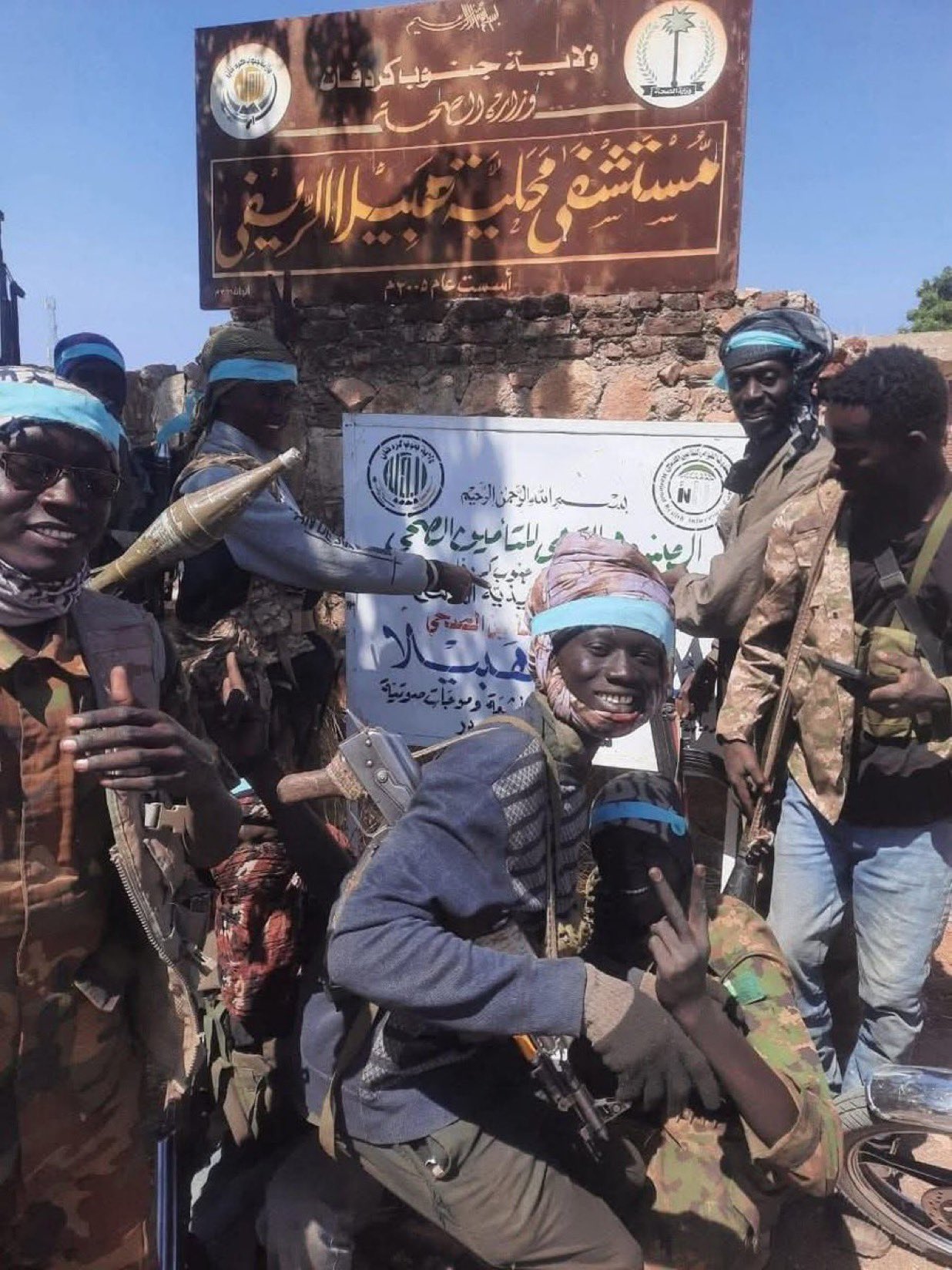
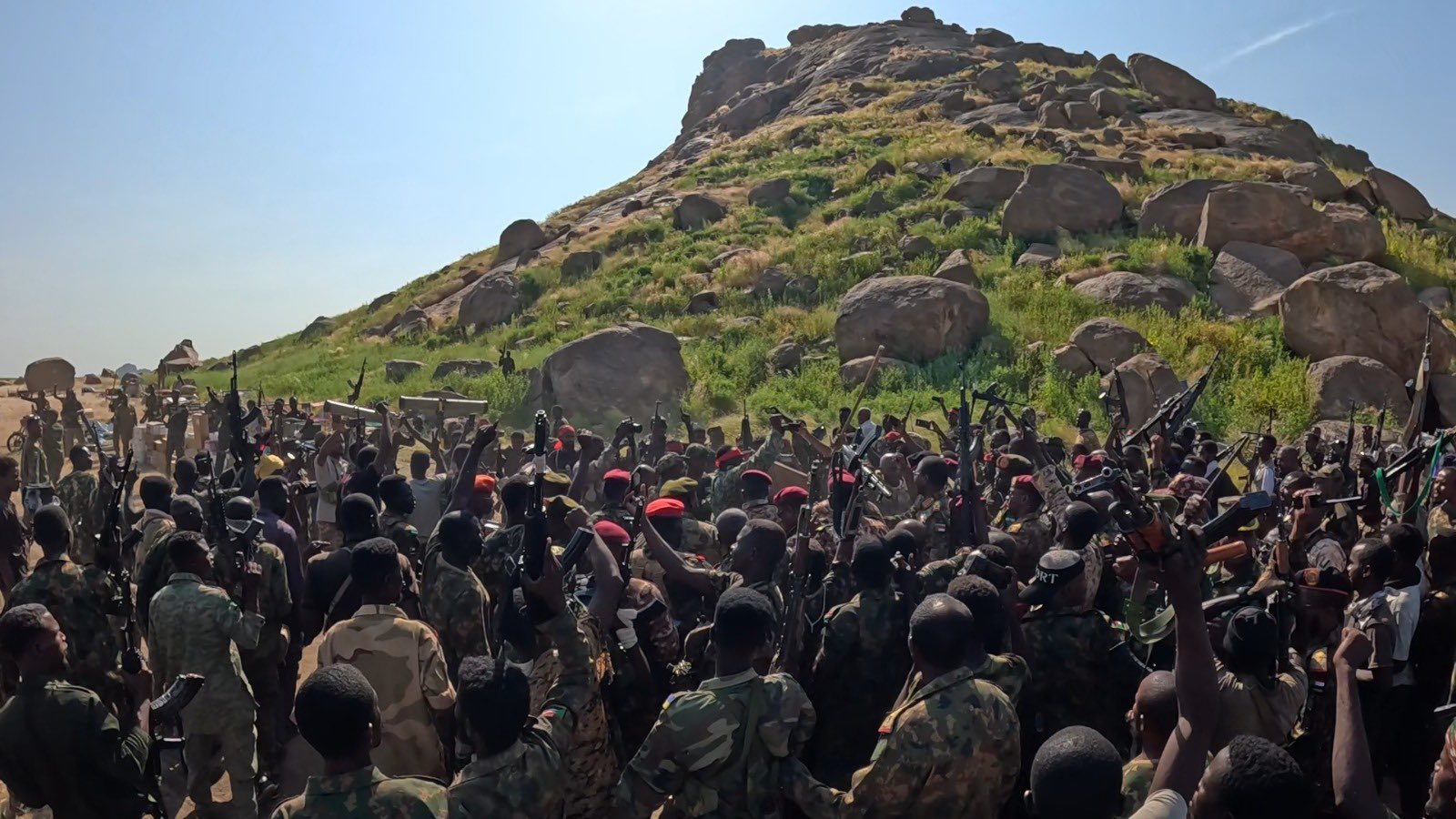
Sudan RSF drone attacks 2026 have intensified across government-held towns in North Kordofan, according to residents and reports compiled by Reuters, extending a war once defined by ground sieges into a campaign in which civilian institutions can be reached from far beyond the front line. In a little more than two weeks, reported targets have included a courtroom in Um Ruwaba, a college in El Obeid and, according to the Sudanese army, a hospital and other service facilities.
Residents called the activity an “apparent new campaign” after weeks in which strikes had fallen under international pressure. The Rapid Support Forces did not answer Reuters's request for comment on the latest attacks. The force has previously said it does not intentionally target civilians. That denial must be recorded alongside the pattern now being reported: repeated blasts at places where judges, students, patients and residents—not only soldiers—gather.
What happened: a strike chronology
On September 8, a drone hit a courtroom in Um Ruwaba. Emergency Lawyers, a Sudanese legal group monitoring the war, reported that about 10 people were killed and dozens injured. Separate medical sources put the death toll at 12. Access and communications make independent verification difficult, so the competing figures should not be collapsed into a single definitive count.
A day later, a strike destroyed the roof of a college in El Obeid. Dean Abdel Aziz al-Sheikh said one security guard was killed and eight classrooms were damaged. Student Omnia Aboul Gassim described the destruction not only as damage to a building but as the destruction of students' dreams. Her account captures what casualty tables cannot: a school can survive structurally and still lose the security on which education depends.
During the September 19–20 weekend, the Sudan Doctors Network said guided RSF drones struck residential areas of El Obeid from dawn until midday Sunday, killing two people and injuring 20. The RSF had no immediate response to that report. The duration matters because a series of attacks over several hours can constrain ambulances, keep residents indoors and force medical teams to work under the prospect of another strike.
The Sudanese army separately accused the RSF of sending suicide drones on Saturday evening against Al-Dhaman Hospital, residential areas and service facilities. It said those attacks caused damage and that its forces downed at least 10 drones. The army also alleged that similar drones targeted the headquarters of the 18th Infantry Division in Kosti. These are claims by a belligerent and have not been independently verified; they should not be treated as established operational facts.
Why this matters: drones are converting a ground war into remote attack
Drones change the distance between a front line and a civilian. A ground force needs to seize roads, occupy positions and sustain personnel before it can threaten a city. A drone can cross those lines, test defenses and hit an urban site without the attacking side holding the surrounding territory. That makes sanctuary harder to define and gives civilians less reliable warning about where the war can arrive next.
United Nations data cited by Reuters says drone attacks by both sides killed more than 1,000 civilians in the first half of 2026. The attribution to both belligerents is essential: this is not evidence of harm caused by only one force. It is evidence that drone warfare has become a central civilian-protection problem in Sudan, increasingly the weapon of choice in a conflict where accountability is already weak.
The systems use technology also seen in Ukraine, but the comparison has limits. Ukraine demonstrates how inexpensive or adapted unmanned systems can extend surveillance and strike range; it does not establish any particular technology-transfer route into Sudan, and available reporting does not prove one. Yemen offers another analytical parallel in the way drones can pressure cities and infrastructure from a distance, but Sudan's actors, geography and command structures are different. Similar tools do not make the wars equivalent.
North Kordofan is the corridor between the center and Darfur
North Kordofan matters because it links central Sudan to the western region of Darfur. El Obeid is the state's capital, a logistics center and a gateway through which military supplies, commercial goods and humanitarian assistance must move. Pressure on the city can therefore have effects well beyond its municipal limits.
Earlier in September, the RSF claimed full control of El Fasher and the army confirmed that it had withdrawn. That turning point ended the army's hold on its last major Darfur stronghold and shifted attention eastward. Signal Post News's separate report on the fall of El Fasher details that development; the event is context for the Kordofan campaign, not a story to be merged with it.
The army has also mounted a ground offensive in North Kordofan, making the region the meeting point of westward army pressure and eastward RSF reach. Drone strikes offer the RSF a way to impose costs on army-held cities even when control of roads and towns remains contested.
Who gains, who loses
The RSF gains range and a measure of deniability. Unmanned attacks can force the army to disperse air defenses, guard infrastructure and react to threats across a wide area. When wreckage, launch locations and command chains cannot be independently examined, attribution may remain contested even when residents and monitoring groups identify the suspected attacker.
Army-held cities come under pressure. A city does not have to fall for its administration to be weakened. Damage to courts interrupts legal work. Damage to colleges suspends education. Damage to hospitals, if confirmed, reduces treatment capacity just as casualties rise. The army's claim that it downed at least 10 drones, even if taken at face value, would also show the resource imbalance created by a swarm: defenders must detect and defeat each incoming system.
Civilians lose most. The courtroom, college and reported hospital strikes map a pattern of institutional harm. Displaced families lose places that might otherwise offer services; patients lose access; students lose time they cannot easily recover. More than 14 million people have already been displaced since the war began, so every newly insecure corridor places pressure on communities that are already absorbing people who fled elsewhere.
The evidentiary boundary remains important. Monitor reports from Emergency Lawyers and the Sudan Doctors Network are not the same as independently verified investigations. Army accusations are statements by one side to the conflict. Responsible reporting can describe the convergence of those accounts without pretending that access constraints have disappeared.
The data: more than 1,000 civilian drone deaths in six months
The U.N.'s figure—more than 1,000 civilians reportedly killed by drone attacks in the first six months of 2026—turns a series of local incidents into a national pattern. It averages more than five reported civilian deaths per day across that period, though the violence did not occur evenly and the total should not be used to assign responsibility for any individual strike.
The court-college-hospital sequence is also significant because each site performs a function required for civilian life to continue during war: adjudication, education and healthcare. A strike does not need to destroy an entire facility to change behavior. Fear alone can empty classrooms, delay hearings and push patients away from care.
Comparisons with Ukraine or Gaza can illuminate the broader effect of persistent aerial threat—uncertainty, interrupted services and pressure on medical systems—but they must remain analytical and non-equivalent. Sudan's reported casualty data, displacement scale and access constraints have to be understood on their own terms.
Background: a 3.5-year civil war with a moving front
Sudan's war began in April 2023 after a power struggle between the Sudanese Armed Forces and the RSF erupted into open conflict. The fighting spread from Khartoum into Darfur, Kordofan and other regions, fragmenting state authority and producing one of the world's largest displacement crises. Neither side has secured a decisive national victory.
The fall of El Fasher altered the map but did not end the war. It increased the strategic importance of routes through Kordofan and raised the risk that communities there would experience the same combination of siege pressure, displacement and damaged medical services seen farther west. Our reporting on the separate drone attack reported at Merowe shows that long-range pressure is not confined to one corridor.
Diplomacy is stalled as humanitarian access narrows
U.S. Secretary of State Marco Rubio has described mediation as “frustrating.” The State Department said neither belligerent represents legitimate constitutional governance, a statement Sudan's government rejected. That dispute reveals a basic diplomatic problem: outside powers are trying to secure commitments from armed actors while denying that either has a durable political mandate to rule.
UNHCR and OCHA have warned about the risk of mass atrocities in Kordofan and the closure of medical facilities. Those warnings make humanitarian access more than a logistical question. A corridor that cannot safely move aid workers, medicine and displaced families can become part of the conflict's coercive architecture, regardless of which side controls the next town.
What happens next
A negotiated pause appears difficult after repeated mediation failures and the widening use of drones. Even a limited agreement would need monitoring provisions that address launches, target selection and access for investigators—not merely a promise to halt ground offensives. Without verification, each side has an incentive to deny responsibility and accuse the other.
The immediate risk is that Kordofan becomes another prolonged civilian-protection crisis rather than a short transition between fronts. El Obeid's position makes it central to both military logistics and humanitarian access. Continued attacks could isolate communities, close more clinics and schools, and make the route toward Darfur more dangerous for aid convoys.
The forward-looking bottom line is stark: the side that gains drone range may obtain tactical leverage, but Sudan as a whole loses when courts, colleges, residential areas and hospitals become part of the target environment. Protecting civilians will require more than intercepting individual aircraft. It will require credible investigations, enforceable limits on attacks and access that keeps essential institutions open.
Sources
- Reuters: RSF steps up deadly drone attacks on frontline cities
- Business Day: drone strikes hit a Sudan court and college
- Eastleigh Voice: Sudan army allegations over North Kordofan strikes
- Syria News Gazette: Sudan Doctors Network report from El Obeid
- Voice of Emirates: medical sources report 12 killed at Um Ruwaba
Reporting basis: Fixed September 24, 2026 snapshot. Casualty figures, operational claims and attribution are identified by source; independent verification remains difficult. Analysis is Signal Post News's.