20,000 ballots in limbo / Washington sues California 19 days before the midterms
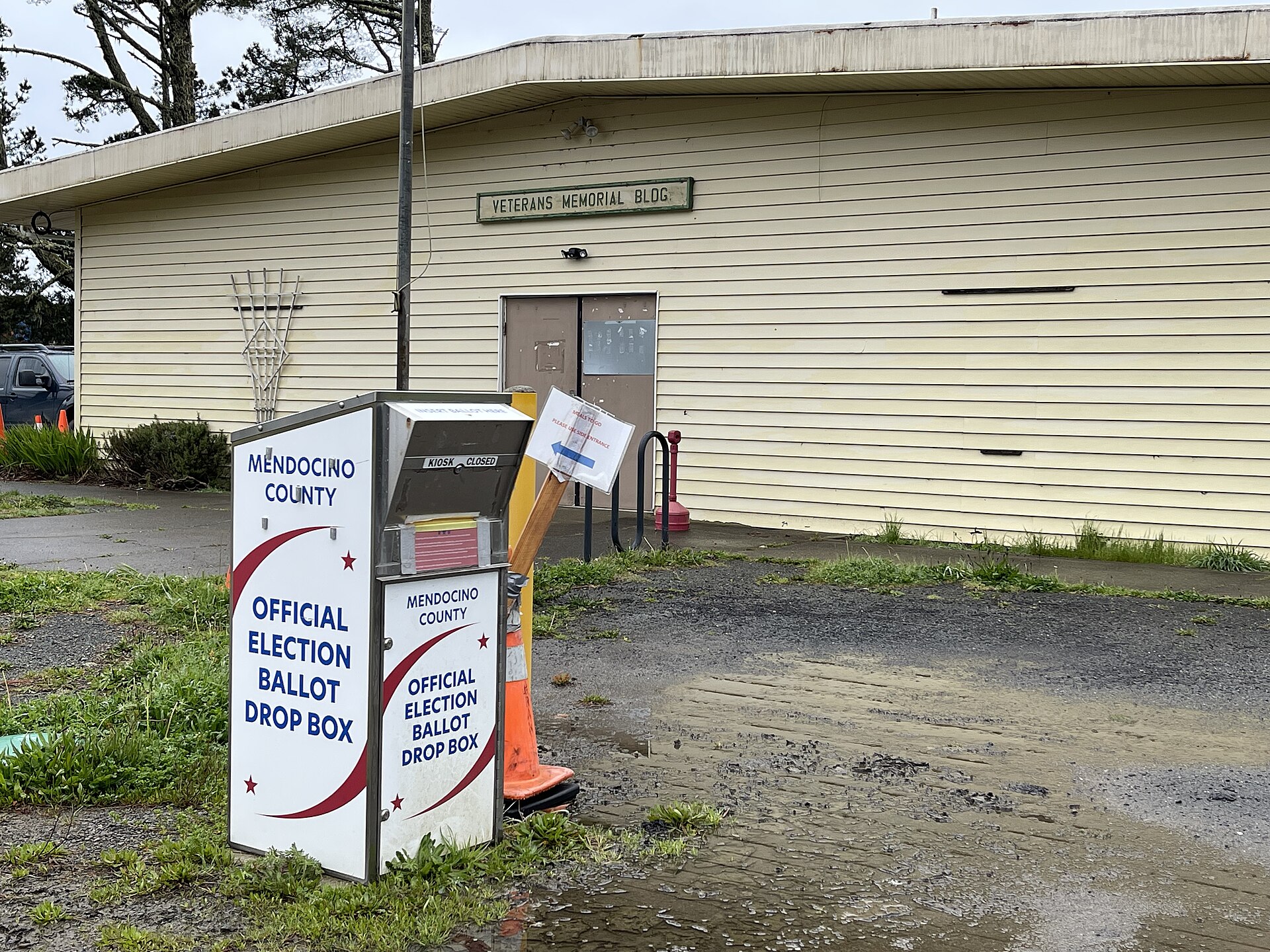
The scale deserves stating before the argument. California's most recent official report, dated September 4, 2026, lists 23,164,977 registered voters. The 20,000-plus names at issue are therefore roughly one voter in every 1,150 on the rolls — a small fraction of the electorate, but a large absolute number of people, any of whose ballots could matter in a close congressional race, and every one of whom is, under current California law, a registered voter entitled to have a timely ballot counted. Counties began mailing ballots on October 5. Some of the voters now named in a federal lawsuit have, in all likelihood, already voted.
48 hours, a thumb drive, and a deadline at noon
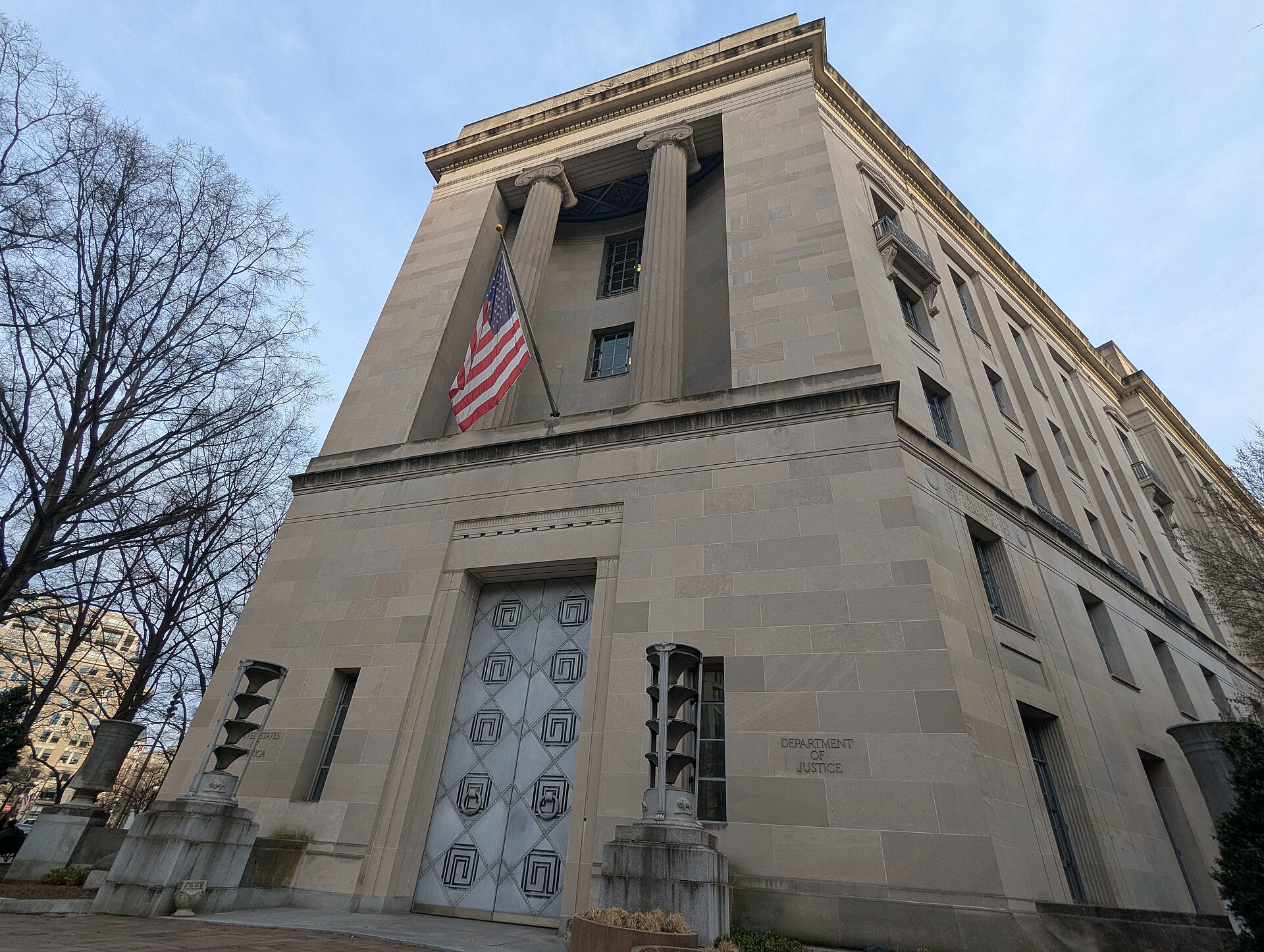
The road to court was short and confrontational. On October 13, Acting Deputy Attorney General Trent McCotter sent letters to California Secretary of State Shirley Weber and to Los Angeles County Registrar Dean Logan, accompanied by a password-protected thumb drive said to contain the names of voters the department believes are likely noncitizens. The letters gave the officials 48 hours — until noon on October 15 — to act. What happened next is itself disputed territory. Los Angeles County said it had not accessed the drive, citing its data privacy and security protocols: an unsolicited encrypted device from an outside party is, under ordinary government IT practice, something you do not simply plug in. Weber's office said the department never provided her with a list of names at all. The department's position, implicit in the speed of its filing, is that the state was given its chance and declined to take it. By the afternoon of the deadline day, the dispute was no longer a correspondence; it was a case.
What the department argues — and what California answers
Attorney General Todd Blanche framed the case as a straightforward question of eligibility: only citizens may vote in federal elections, and a state that counts ballots from people who are likely ineligible is, in the department's telling, failing a basic duty of election administration. First Assistant U.S. Attorney Bill Essayli publicly backed the suit in supportive terms. The remedy requested is specific and consequential: hold the identified voters' mail ballots out of the count until their citizenship is verified.
California's answer was equally blunt. Governor Gavin Newsom's office called the lawsuit "unfounded" and characterised it as an attempt to suppress voters in the middle of an election. Attorney General Rob Bonta and Senator Adam Schiff added their own criticism, arguing that the department had produced no public evidence that the named voters are noncitizens and that the burden of a federal data-matching exercise was being shifted onto voters weeks before Election Day. Between those two positions sits the question the court will actually have to answer — not whether noncitizens may vote (they may not, and no party here argues otherwise), but how certain the government must be, and by what process, before a registered voter's ballot can be set aside.
The legal ground: Elections Clause, state control, and a 90-day problem
Three bodies of law collide in this case. The first is the Constitution's Elections Clause, which gives states the primary role in setting the times, places and manner of federal elections, while reserving Congress — not the executive branch acting alone — the power to override state rules. California will argue that voter registration and list maintenance are core state functions, and that a federal court order freezing 20,000 ballots at the Justice Department's request would invert that structure. The department will point to federal statutes that make noncitizen voting unlawful and to its authority to enforce them.
The second is the National Voter Registration Act, and specifically its timing. The NVRA restricts systematic programmes to remove voters from the rolls in the period close to a federal election — the so-called 90-day quiet period. October 15 is 19 days before November 3, far inside any 90-day window. The department's likely response is that it is not asking California to purge anyone from the rolls, only to segregate and verify a defined set of ballots. Whether a court treats that distinction as real, or as a purge by another name, may decide the case's first round. Notre Dame law professor Derek Muller, assessing the suit, called it at best a "long shot" — a judgement that reflects both the timing problem and the courts' longstanding reluctance to change election rules while voting is under way.
The third issue is evidence. Federal and state data-matching — comparing voter rolls against immigration, motor-vehicle or other databases — is known to generate false positives: naturalised citizens whose records were never updated, data-entry errors, name mismatches. California officials note that reviews elsewhere have repeatedly shrunk alarming headline numbers on inspection; a review in Nevada, for example, found no confirmed noncitizens among voters flagged by matching, a result voting experts cite when warning that "likely" is doing heavy work in claims of this kind. The department has not publicly released its methodology for the California names, and the list itself arrived — where it arrived at all — on an encrypted drive the county says it never opened. A judge asked to hold ballots on that record will have to decide how much proof is enough, and how fast.
Why this matters
This case matters beyond its 20,000 names for three reasons. First, precedent: if a federal court agrees that the executive branch can, on its own matching and on 48 hours' notice, require a state to segregate ballots mid-election, that power will exist for every future election and every future administration, of either party. Second, error costs are asymmetric. A noncitizen ballot wrongly counted is one unlawful vote among 23 million; a citizen's ballot wrongly discarded is a complete disenfranchisement of an identifiable person who did everything the law asked — and California's flagged voters, on the public record so far, have had no individualised notice or hearing at all. Third, trust: the suit arrives in a state whose long, careful count has repeatedly been misread as suspicious, and each side's rhetoric — suppression on one side, illegality on the other — will outlast the ruling. The honest summary is narrower than either camp's: noncitizen voting is unlawful and, on the available audited evidence, rare; proving any individual case requires records the public has not seen; and the calendar is now the strongest fact in the courtroom.
What happens next
Expect speed. California will move to dismiss or to block any emergency relief, and the district court will have to decide, probably within days, whether ballots from the named voters are segregated while the case proceeds or counted under the rules in force when they were cast. An appeal — by whichever side loses — to the Ninth Circuit is close to certain, and the Supreme Court's emergency docket is a realistic final stop, all before or even after November 3. Practically, county registrars must plan for both worlds: counting under existing law while preparing to isolate a defined set of envelopes if ordered. For the named voters themselves, the immediate question is whether any verification process will reach them in time to matter — and that, more than the press statements, is what the judge's first order will reveal. For the wider midterm landscape, see our recent polling report, the Reuters/Ipsos enthusiasm gap, and our coverage of the administration's other court fight heading into November, the Trump–Lisa Cook Fed hearing.
Sources: USA Today, Oct. 15, 2026, and CNN, Oct. 15, 2026 (lawsuit filing, October 13 McCotter letters and thumb drive, county and secretary of state responses, statements by Blanche, Essayli, Newsom's office, Bonta and Schiff, and Prof. Derek Muller); U.S. Department of Justice complaint as reported, U.S. District Court for the Central District of California, filed Oct. 15, 2026; California Secretary of State registration report, Sep. 4, 2026 (23,164,977 registered voters). Related on Signal Post News: Reuters/Ipsos poll: Trump voter enthusiasm gap · Trump–Lisa Cook Fed hearing set for November 5.