World · Chile · Fuel
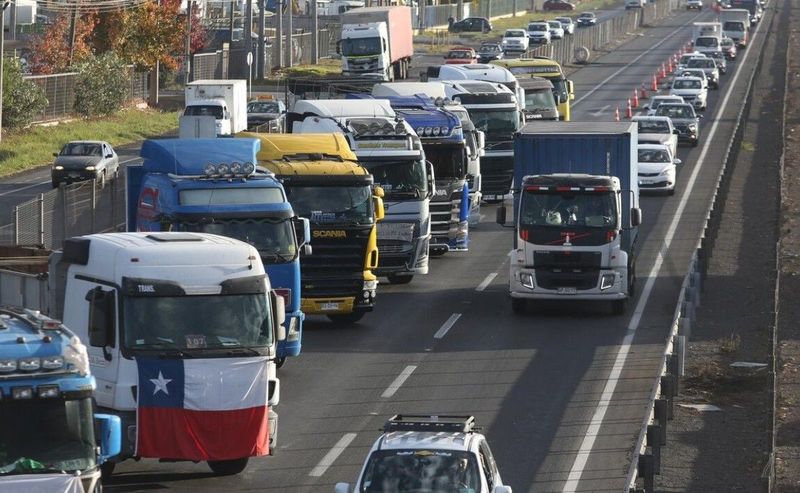
The Chile truckers strike fuel prices standoff took three days to break a presidency’s economic doctrine. On Tuesday, Chile’s truckers began an indefinite strike and blocked highways over fuel costs. By late Thursday, at La Moneda, President José Antonio Kast’s government had agreed to reverse the week’s fuel price rises, cut diesel by a further 100 pesos a litre and freeze prices until March 31, 2027 — a package the government itself prices at about $500 million. Kast is eight months into his presidency, and polling reported this week puts his approval at just 24%.
Track it live: Oil price forecast tracker
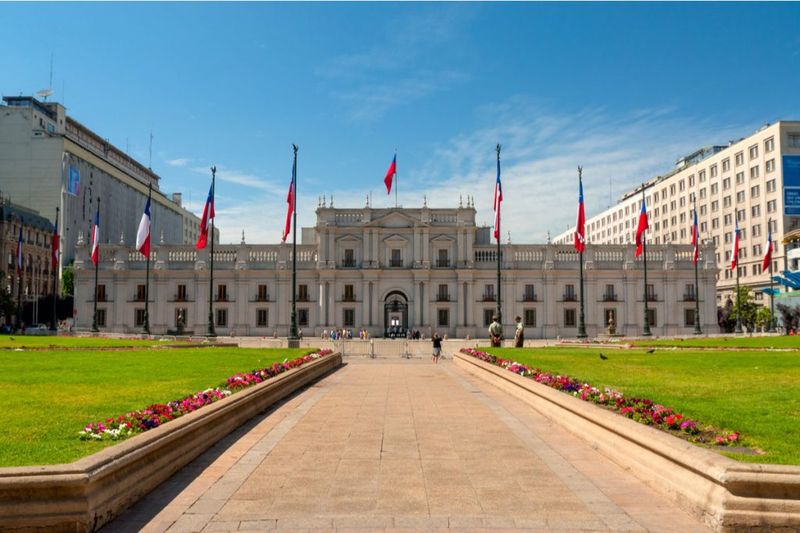
SANTIAGO, November 16, 2026 — There is a particular kind of defeat that only governments with strong doctrines can suffer, and the Kast government suffered it on Thursday night. Interior Minister Claudio Alvarado announced the agreement at La Moneda after lengthy talks with the country’s main freight organisations — the Confederación de Transportistas Fuerza Norte, led by Cristián Sandoval, and the Confederación de Camioneros Centro-Sur, led by Freddy Martínez — with Finance Minister Jorge Quiroz at the table after the unions demanded his presence. The terms, as reported by El País’s Chilean edition via DataMar and confirmed across Chilean and international coverage, reverse the increases that had taken effect that Thursday — 39 Chilean pesos a litre on gasoline and 42 pesos a litre on diesel — and then go further: an additional cut of 100 pesos a litre on diesel, for a total diesel reduction of 142 pesos a litre, and a freeze capping fuel price increases through March 31, 2027, with falls in international prices still passed through to drivers. The measures require legislation in the Chamber of Deputies, and the government sent a bill to Congress that NPR reported is expected to be approved this month. Quiroz put the fiscal cost at about $500 million and defended it in the language of a man who knows what his own side will say: “It is a cost we can afford, entirely within our fiscal consolidation objectives.” Outside estimates run higher — about $547–550 million in UPI and Latin Times reporting, and up to about $900 million in one analysis by 24econews — and they are outside estimates, attributed as such; the government’s $500 million is the figure the government will be held to.
To understand why a president elected on discipline chose the freeze, start with the number that frames everything else in this story: 24%. That is Kast’s approval rating in the polling NPR cited this week, eight months after he won the presidency in December 2025 on a campaign centred on illegal immigration and public security, carefully avoiding his hardline social stances. A president at 24% does not have the political capital to wait out a truckers’ strike, and truckers, of all the groups in a long, thin country that moves its food, fuel and exports by road, are the one constituency that can convert discontent into a national fact within days. Chile is 4,300 kilometres of geography held together by highways. When the trucks stop, the country notices before the week is out.
What happened, November 10–13
The trigger was set months before the first truck parked across a lane. In July, NPR reported, the government chose not to apply an available price-stabilisation tool to cushion fuel rises driven upward by the U.S.–Israeli war with Iran. Prices shot up overnight; protests exploded; motorists queued at petrol stations. The decision was, on its own terms, a doctrinal one: Chile’s fuel-price mechanism exists precisely to smooth exactly this kind of shock, and declining to use it was a statement that the market would be allowed to speak. The market spoke, and the country answered in the street. By the time this week’s scheduled rises landed — the 39 pesos on gasoline and 42 on diesel that took effect Thursday — the truckers had already moved. Their indefinite strike began on Tuesday, November 10, with partial blockades that NPR described as closing two major highways; within three days the stoppage had become the defining test of a young presidency, and the government’s room to manoeuvre had narrowed to the width of a negotiating table at La Moneda.
The deal that emerged late Thursday is best read as two concessions wearing one coat. The first is restorative: the week’s rises are reversed, peso for peso. The second is new policy: the extra 100 pesos off diesel — the fuel that moves freight, buses and much of rural Chile — and the freeze to March 31, 2027, which converts a one-off cut into a five-month promise. Not everyone accepted it. The Fifth Region Truck Owners Federation, Fedequinta, ended its participation late Thursday, but independent truckers, groups around Temuco in La Araucanía and the No+TAG toll movement kept protesting and mounted intermittent roadblocks on Friday. The accurate sentence, and the one this article will stand on, is that the main confederations suspended the strike on the government’s terms while a fringe of the movement refused them — not that the strike ended for everyone. The distinction is not pedantry. It is the difference between a government that has bought peace and a government that has bought a pause, and Kast’s ministers will learn which one they purchased in the coming weeks.
Why this matters
The ideological reversal
Kast did not campaign as a price-controller. His movement’s economics run the other way: fiscal consolidation, market signals, a state that resists the temptation to cushion. A fuel-price freeze lasting to March 2027, legislated under pressure from a highway blockade, is therefore not merely a policy change; it is the doctrine bending in public, at a price the finance minister had to stand up and call affordable. The government’s defenders will argue, with some justice, that July’s war-driven spike was an imported shock rather than a market verdict, and that using stabilisation tools against imported shocks is what the tools are for. The government’s critics, including some who voted for it, will answer that the tools were available in July too, when using them would have been cheaper, quieter and uncoerced — and that a freeze extracted by blockade teaches every organised group in Chile the going rate for a highway. Both arguments will be running, in those terms, when Congress takes up the bill this month. The deeper point is comparative: this site’s coverage of Argentina’s slide into technical recession under Javier Milei describes the same regional weather from the other side of the Andes — market-discipline governments elected across South America now being priced, monthly, in the currency of the cost of living.
2019 is the word nobody in La Moneda says lightly
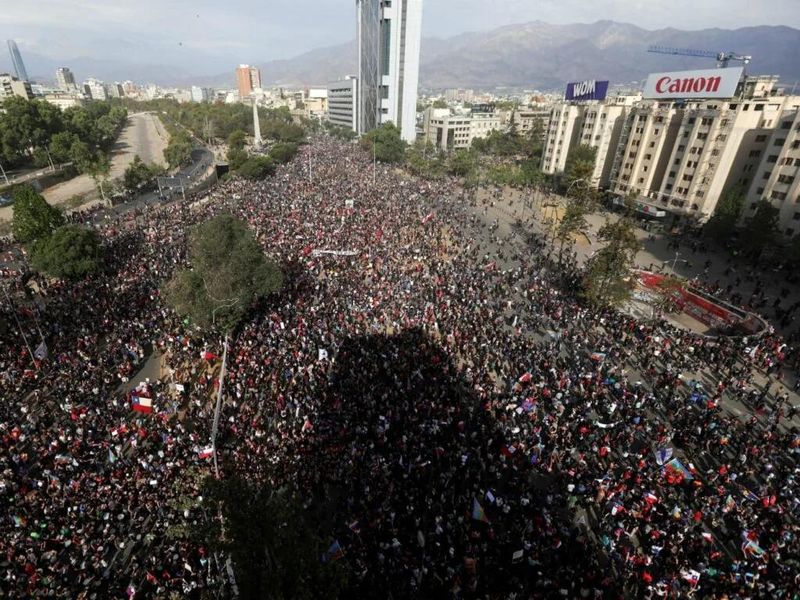
Kast himself reached for the memory before the deal was done. Invoking the slogan of Chile’s 2019 protest wave, “El que baila pasa” — he who dances, passes, the chant of the roadblock as carnival — he said: “We must not return to that past when our nation was destroyed… That is unacceptable.” The reference was deliberate. The 2019 estallido social began, as Chileans need no reminding, over a transit fare rise of a few dozen pesos, and it consumed the country’s politics for years. Every Chilean government since has governed in its shadow, and every fuel or fare decision in Santiago is taken by people who can recite that origin story by heart. The truckers’ strike was never 2019 — it was sectoral, negotiated, and ended at a table — but the Friday evening march in Santiago that followed the deal showed how quickly sectoral anger can find a wider public. NPR’s reporters on that march recorded the grievances that have nothing to do with diesel: an architect, Simón Echavarría, 30, noting that Chilean salaries run at about 20% of European incomes against a similar cost of living; a veterinarian, Patricia Pereira, 30, protesting science-funding cuts and the questioning of free education. Police blocked streets and used water cannon. The marchers were describing the same country the government’s budget describes from the other side.
Context: the anger underneath the diesel
Fuel was the trigger of this crisis; it is not the whole of it. Last month, NPR reported, the government signed decrees cutting the sentences of 56 prisoners whose crimes range from the rape of children to dictatorship-era human-rights violations. Kast admitted an “error” but backed the undersecretary who signed them — a sequence that managed to unite, in outrage, Chileans who agree about little else, and that continues to burn in the background of every approval survey. At the same time, the government’s budget proposal before Congress seeks cuts to education, culture, science and social programmes: the exact line items the Friday marchers named. Add a cost of living that makes a European-priced life run on a fifth of a European salary, and the 24% approval figure stops looking like a polling curiosity and starts looking like a summary. The truckers were the group with the leverage to act first. They were not the only group with a reason.
The regional mirror is unflattering in every direction, and NPR held it up in the same report: Argentina’s Milei carries 60% disapproval with re-election due in under a year; Peru’s Keiko Fujimori stands at 53% disapproval in Ipsos polling. The Trump-aligned, market-first presidencies elected across the Americas in the middle of the decade are discovering, at slightly different speeds, that the cost of living is the one opponent that does not attend debates. Kast’s version of the discovery arrived by truck. There is also a sectoral warning folded inside the week that deserves its own sentence, because it shows what a longer strike would have cost: SalmonChile’s president, Patricio Melero, warned that prolonged blockades could hit processing plants and exports in the world’s second-largest salmon industry, and about twenty trucks stationed themselves outside an AquaChile plant on Route 5 in Puerto Montt on Thursday — though traffic there was not blocked, and the extent of any disruption to salmon shipments was not established in the reporting. A warning is not an event, and this article reports it as a warning; but it marks the distance between a three-day strike that ended in a deal and a three-week strike that would have started eating the export economy of the south.
The numbers in context
The deal, in figures: 39 pesos a litre reversed on gasoline; 42 pesos reversed on diesel, plus 100 more off diesel, for a total diesel cut of 142 pesos a litre — roughly a 9% reduction at Santiago pump prices, per the analysis chains that followed the announcement. A freeze on increases through March 31, 2027, with decreases still passed on. A government cost estimate of about $500 million, against outside estimates of roughly $547–550 million and, in one analysis, up to $900 million — a spread that will be fought over in Congress and that this article reports as a spread, not a sum. A strike of three days, two major highways blockaded, two confederations at the table, one regional federation and several independent movements refusing the deal. And the political numbers that explain why the table existed at all: a president at 24% approval, eight months in, in a region where his ideological neighbours poll at 60% and 53% disapproval. Governments with strong numbers dictate terms to strikers. Governments at 24% reverse fuel rises, add a hundred pesos, freeze prices for five months and send the bill to Congress — which is another way of saying that the truckers did not merely win a negotiation. They read the polls correctly.
What happens next
The bill comes first: the measures require legislation, the government has sent it to the Chamber of Deputies, and approval is expected this month — though a Congress asked to ratify a freeze negotiated under blockade may attach its own conditions, and the finance ministry’s $500 million will be audited in public against the higher outside estimates. The freeze runs to March 31, 2027, which converts this week’s crisis into next autumn’s appointment: unless international prices fall far enough to make the cap painless, the government will face the same decision in March with the same truckers watching, and the stabilisation question it declined in July will return wearing a deadline. Kast had a trip to Asia scheduled on Friday, a reminder that presidencies must keep their calendars even in a week that rearranges their economics. The scenarios from here are legible. In the kind one, the bill passes cleanly, the independent holdouts drift home, pump prices ease with the northern winter, and the government banks a reputation for pragmatism that costs it less than the strike would have. In the hard one, the street learns the lesson the freeze teaches — that three days of highway pressure moves this government further than eight months of opposition speeches — and the next demand, from the next sector, arrives with trucks already fuelled. At 24% approval, with a budget of cuts before Congress and a sentence-decree scandal still warm, Kast has bought himself a quieter November. What he has not yet bought is a different Chile than the one that parked its trucks across his highways on Tuesday — and the price of that, as his finance minister might put it, is not yet within anyone’s consolidation objectives.
Sources
NPR, John Bartlett, Santiago, November 14, 2026: Kast eight months in power after winning in December 2025, at 24% approval; the July decision not to apply the price-stabilisation tool as war-driven fuel prices rose; the truckers’ indefinite strike and highway blockades; the Friday evening Santiago march, including Simón Echavarría and Patricia Pereira on the record, and police use of water cannon; the sentence-decree scandal involving 56 prisoners; the budget proposal’s cuts to education, culture, science and social programmes; and the regional comparisons with Milei (60% disapproval) and Fujimori (53%, Ipsos). DataMar News, November 13, 2026, reporting El País Chile: the La Moneda agreement announced by Interior Minister Claudio Alvarado with the Confederación de Transportistas Fuerza Norte (Cristián Sandoval) and the Confederación de Camioneros Centro-Sur (Freddy Martínez), Finance Minister Jorge Quiroz participating; reversal of the 39-peso gasoline and 42-peso diesel increases plus the additional 100-peso diesel cut; the freeze to March 31, 2027; the government’s cost estimate of about $500 million and Quiroz’s statement; and Kast’s remarks invoking 2019. Salmon Business, November 13, 2026: the deal and cost, Fedequinta’s withdrawal, continued protests by independents, Temuco groups and No+TAG, and SalmonChile president Patricio Melero’s warning on salmon processing and exports, with the AquaChile plant detail from local reporting. Outside cost estimates of about $547–550 million (UPI/Latin Times) and up to about $900 million (24econews analysis) are attributed to those sources and are not the government’s figure. Photographs are file photos and do not depict this week’s strike.