Politics / London — The Burnham EU free movement question is suddenly open again. Prime Minister Andy Burnham has told The Sunday Times that staying out of the European Union's free movement rules would not be a red line in talks with Brussels, arguing that the kind of migration Britain has experienced since Brexit is fundamentally different from the "revolving door" movement of the EU years — and that the country needs "a very factual, quite evidence-based debate" about it before he meets EU leaders in Brussels on November 20.
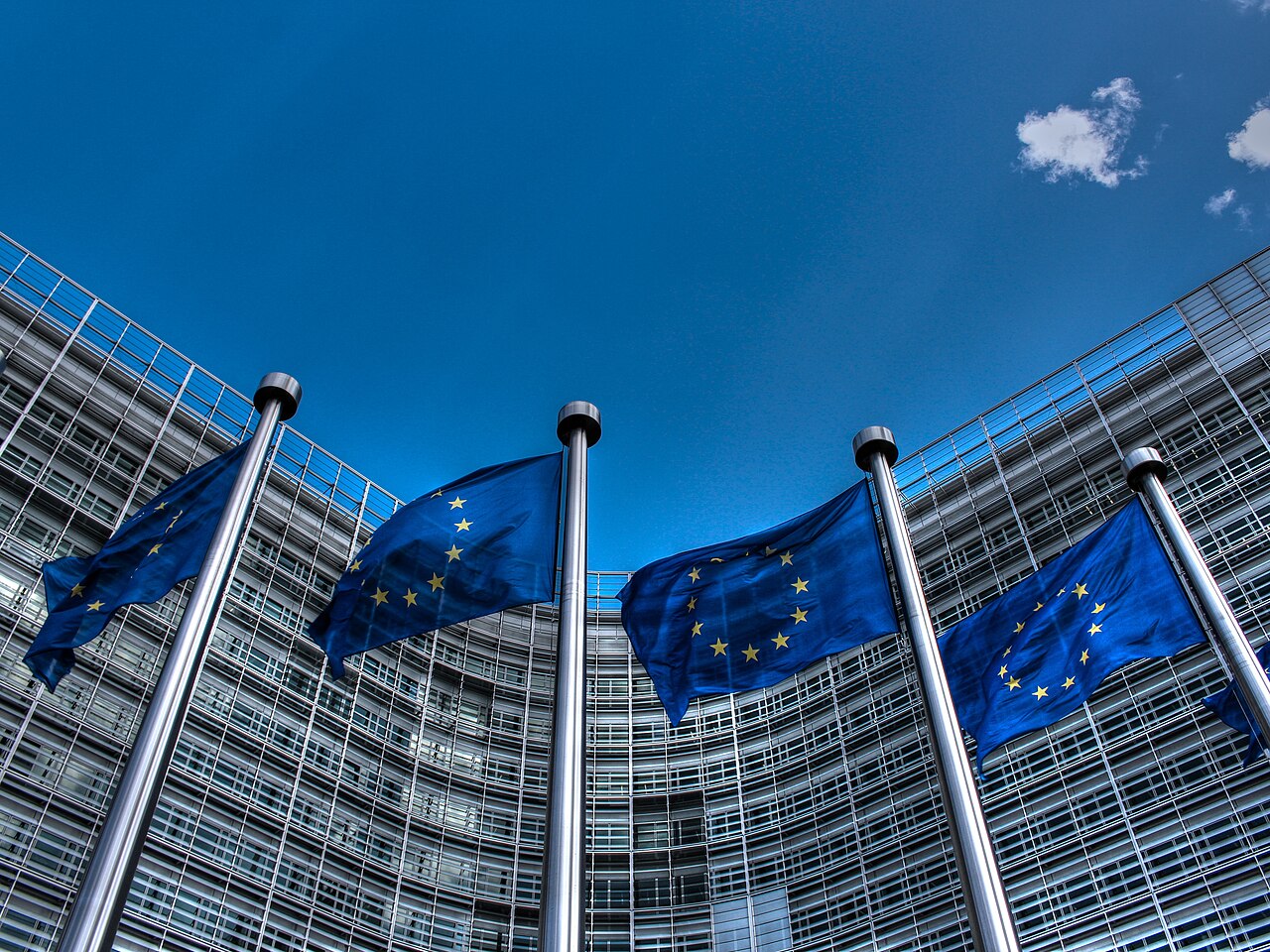
The Burnham EU free movement remarks, made in a series of interviews with The Sunday Times during his first 100 days in office and reported by Reuters on Saturday, are the clearest signal yet that a British prime minister is preparing the ground for the most sensitive conversation in post-Brexit politics. Free movement — the rule that let any EU citizen live and work in Britain, and any Briton do the same across the continent — was the issue that dominated the 2016 referendum and was widely seen as decisive in the vote to leave. Every Labour and Conservative leader since has treated restoring it as politically untouchable. Burnham has now said, in terms, that it is not untouchable for him.
"I think you have to have a very factual, quite evidence-based debate about this," he told the newspaper, making clear that staying out of free movement would not be a red line for talks. He acknowledged that freedom of movement "had very significant challenges associated with it and I spoke about them in my previous time in parliament," but argued the pattern has changed: "Revolving door migration where people would come and then go back is different. The balance of migration has changed, hasn't it, since then? I think we've just got to have an honest discussion about those things."
What Burnham actually said — and what he ruled out
The prime minister's case rests on a distinction between two kinds of migration. EU-era movement, he argued, was "generally younger people, not always, but spending a few years, then going back" — temporary, circular, and reciprocal: "And obviously the ease of that worked for British people as well." He gave a family example: his father, Roy, used EU rules in the 1990s to work in Germany. Since Brexit, by contrast, more arrivals have settled permanently rather than returning home, and Britain has lost access to shared European databases on border crossings, including Eurodac, the EU's biometric system for managing asylum claims.
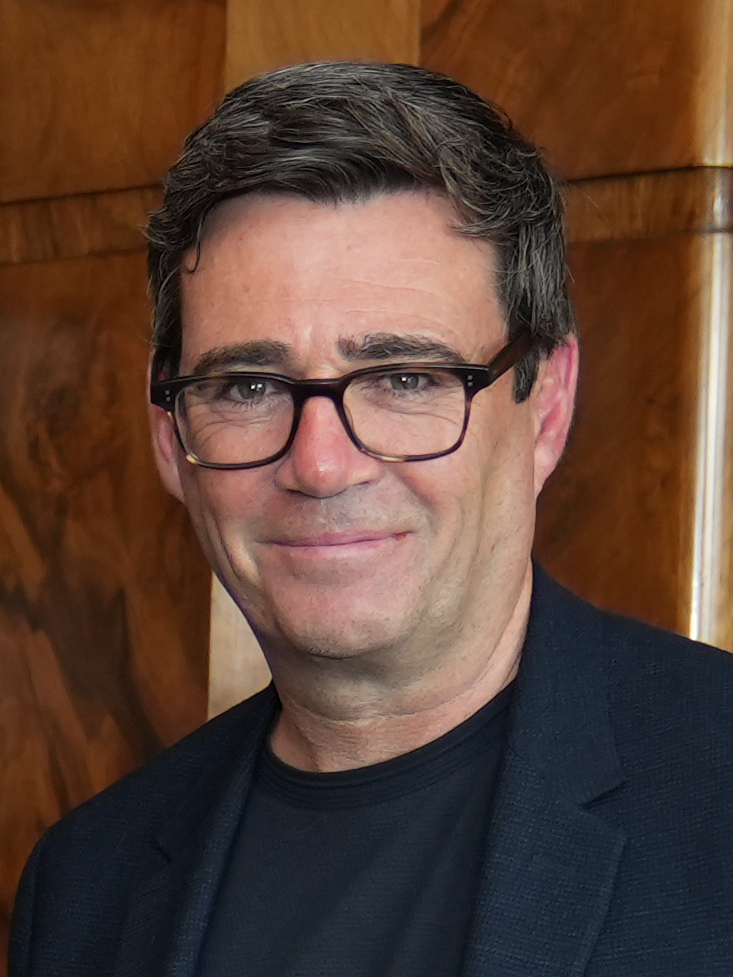
The options Burnham wants to put to the public are broad. According to the Press Association's account of the interview, he wants a new relationship with Brussels that could potentially include a return to full EU membership or joining the single market — which would require free movement. But he also drew limits: he ruled out recommending that Britain adopt the euro or join the Schengen border-free area. And he has previously committed to the red lines in Labour's 2024 election manifesto, which ruled out a return of free movement, single market membership or a customs union — a commitment that suggests any fundamental change would need a mandate at a general election, due by 2029, rather than happening in this parliament.
The immediate diary point is November 20. Burnham will meet EU chiefs, including Commission President Ursula von der Leyen, at a summit in Brussels, and has said he will use the moment around it to lay out the different options for Britain's future relationship to the British public. Von der Leyen signalled her own agenda for that summit in a post on October 12: easier agrifood trade, deeper energy and climate cooperation, "bringing our people closer together," helping Ukraine prevail, and stronger security and defence ties.
Why this matters
This matters because free movement is not one policy among many — it is the load-bearing wall of the entire Brexit settlement. Britain's current trading relationship with the EU was built on the decision to leave the single market, and the single market, in Brussels' long-standing doctrine, rests on four freedoms — goods, services, capital and people — that cannot be separated. A prime minister who says people can be discussed again is therefore not floating a tweak; he is questioning the architecture. That is why the reaction was instant: shadow home secretary Chris Philp said there could be "no return" to free movement after the 2016 referendum, and Reform UK leader Nigel Farage called Burnham's comments a betrayal of voters who supported Brexit.
It also matters because Burnham is making an argument from data, and the data genuinely cuts in an unexpected direction. Annual net migration before the 2016 vote stood at about 330,000. After Britain left the EU in January 2020 and replaced free movement with a points-based system, net migration did not fall — it rose to a record of more than 900,000, before later tightening brought it down. EU citizens' net migration, which hovered around zero in the 1990s, was replaced by much larger, more permanent flows from outside Europe. Burnham's wager is that voters who wanted lower, more controlled migration may listen to the claim that the old system was, in his framing, the more temporary and controllable one — and that losing shared databases like Eurodac made Britain's borders harder, not easier, to manage.
The case for — and the case against
Supporters of reopening the question make three arguments. First, reciprocity: free movement was never only about arrivals; it was also the right of British citizens — like Burnham's father — to work, study and retire across a continent, a right whose loss falls hardest on the young. Second, labour supply: circular migration filled seasonal and shortage roles without adding permanent settlement pressures on housing and services. Third, honesty about the record: the post-Brexit system produced the highest net migration in British history, so defending it as "control" requires explaining numbers its own architects did not predict. Business groups that depend on EU labour, and a generation of voters who were children in 2016, are the natural constituency for that case.
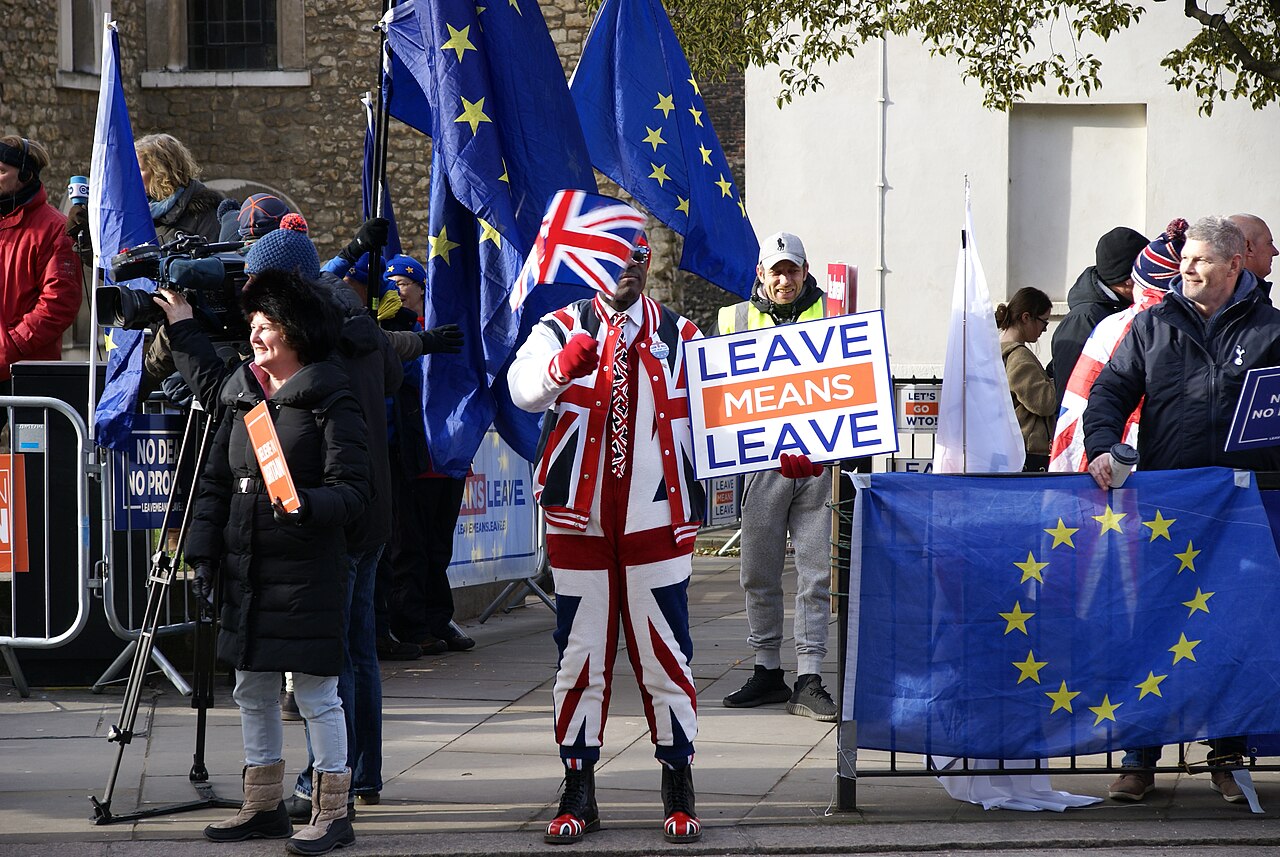
Critics answer with a mandate argument, a numbers argument and a trust argument. The mandate: Britain voted to leave in 2016 with free movement at the centre of the Leave case, and Labour's own 2024 manifesto — the platform on which this government was elected — explicitly ruled out bringing it back; Philp's "no return" and Farage's "betrayal" lines are aimed squarely at that manifesto wording. The numbers: whatever the post-2020 spike's causes, free movement by definition removes a government's ability to set a cap or a skills test for an entire continent's workforce, and Burnham himself concedes it brought "very significant challenges" for communities that saw rapid change. The trust argument may be the sharpest: a prime minister who reopens a settled manifesto red line, opponents will say, teaches voters that election promises on Europe have a shelf life of one parliament.
Both sides, it is worth noting, are arguing about a decision Burnham has not yet taken. He has not proposed restoring free movement. He has proposed discussing it — and has tied any fundamental change to a future election mandate. The distance between those two things is where the politics of the next three years will be fought. Our earlier coverage of Burnham's Labour conference push for closer EU ties showed a leader testing how far his party would follow him on Europe; the Sunday Times interviews show him testing the country.
What happens next
Four things to watch. First, the November 20 Brussels summit: whether the joint language with von der Leyen sticks to the safe ground of agrifood, energy and defence, or whether "bringing our people closer together" becomes a negotiated workstream — youth mobility and Erasmus-style schemes are the usual halfway houses, and both sides know it. Second, the options paper Burnham has promised to lay out around the summit: its wording on free movement — in, out, or studiedly ambiguous — will be the real text of this story. Third, the domestic reaction: watch whether Labour MPs in Leave-voting seats echo Philp's and Farage's framing or defend the "honest discussion," and whether Reform UK converts the interview into its central attack line. Fourth, Brussels itself: the EU has never rewarded à-la-carte access to the single market, and any British move toward free movement would come with a price list — budget contributions, regulatory alignment and court oversight — that Burnham's evidence-based debate will eventually have to itemise.
There is also the Ukraine dimension that now runs through every UK-EU encounter: Burnham's government has positioned Britain as Kyiv's most committed European backer, most recently during President Zelenskyy's London visit and its missile package, and shared security is the ground on which London and Brussels find it easiest to agree. If the free movement conversation advances at all, it will likely travel in the slipstream of that security relationship.
For now, the fact is narrower than the headline it will generate: a British prime minister has said the unsayable — that the most totemic red line of the Brexit era is, for him, a question again. Whether Britain is willing to have the "honest discussion" he wants, on the evidence he cites, is the argument that starts this weekend.
Sources
Reuters, October 25, 2026, "British PM Burnham open to adopting EU free movement, Sunday Times reports" — reuters.com. The Sunday Times, October 2026, "Andy Burnham is open to adopting EU free movement" (interviews during the prime minister's first 100 days in office) — thetimes.com. Press Association via The Glasgow Times, October 2026, "Burnham: Time for 'honest discussion' about freedom of movement with EU" (November 20 Brussels summit, von der Leyen, manifesto red lines, Philp and Farage reaction) — glasgowtimes.co.uk. Xinhua via BizzBuzz, October 2026, "UK PM Burnham calls for 'honest discussion' on restoring free movement with EU" (euro and Schengen ruled out; Eurodac) — bizzbuzz.news.