Amazon deforestation record low: Brazil's Inpe Prodes satellite series recorded 3,335 square kilometres of Amazon clearance in the 12 months to July 2026, a fall of 41.8 percent and the lowest annual total since the series began in 1988, with the Cerrado savanna also at a record low — eight days before the presidential runoff between Luiz Inácio Lula da Silva and Flávio Bolsonaro decides the forest's future.
Brasília / The forest just posted its best year since 1988 — and its future is on the ballot in eight days
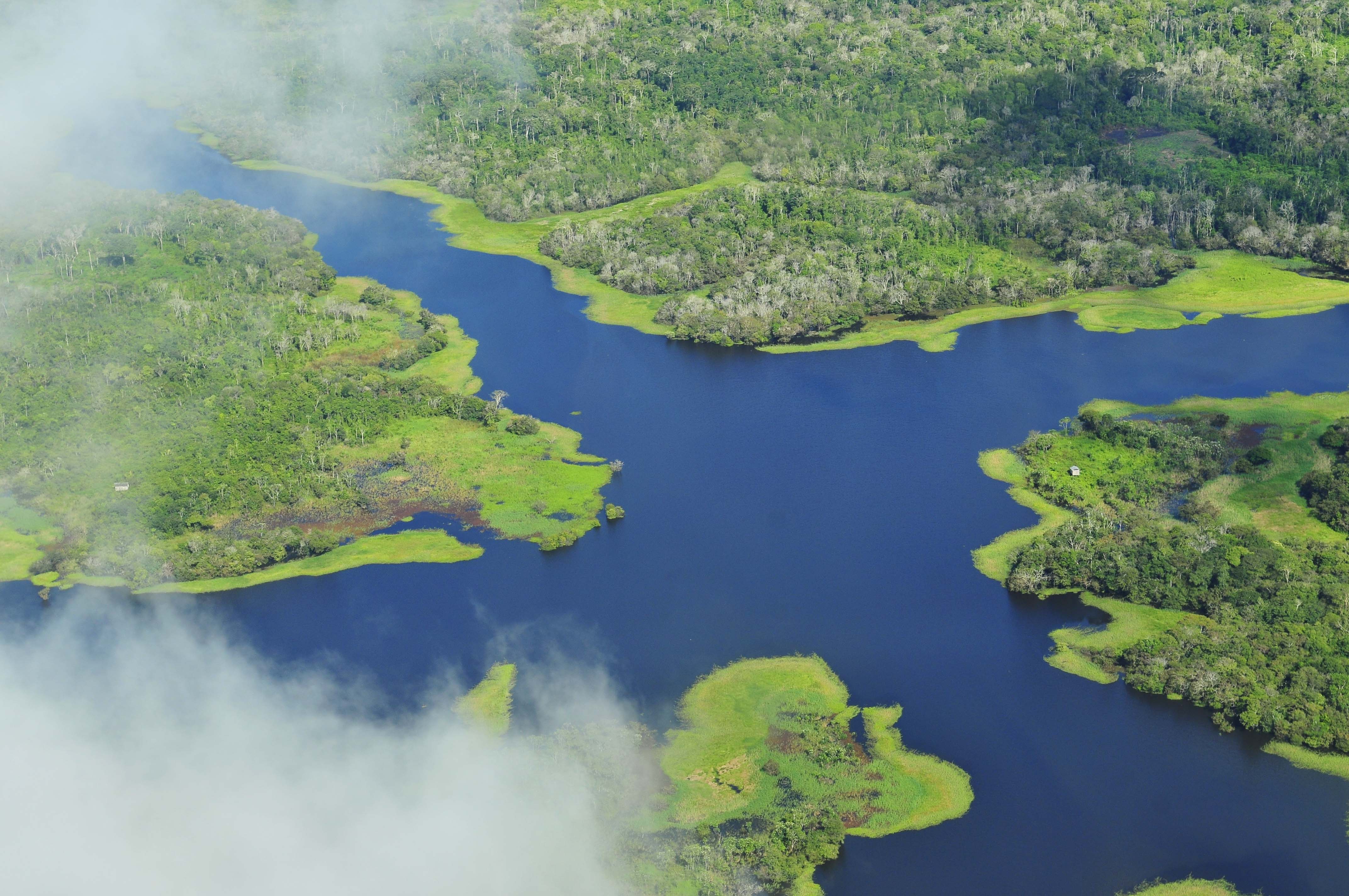
BRASÍLIA, Brazil — The Amazon deforestation record low is now official, and it arrived at the most politically charged moment it possibly could. Satellite data released on Friday, October 16, 2026 by Brazil's National Institute for Space Research (Inpe) show that 3,335 square kilometres of Amazon rainforest were cleared in the 12 months through July 2026 — a fall of 41.8 percent on the year before, and the lowest annual total since the Prodes monitoring series began in 1988. The figure beats the previous record low of 4,571 square kilometres, set in 2011–12, by 1,236 square kilometres — an area roughly the size of Rio de Janeiro that, this year, was not cut down. The neighbouring Cerrado savanna told the same story: clearance there fell 23.8 percent to 5,516 square kilometres, the lowest in its own monitoring series.
President Luiz Inácio Lula da Silva, who took office in 2023 pledging to end deforestation by 2030 after it soared to a 15-year high under his predecessor, marked the release on X on Friday: "Our goal is to achieve zero illegal deforestation by 2030." His environment minister, João Paulo Capobianco, told a news conference in Brasília the drop was "an absolutely stratospheric drop" and "like a dream." Marcio Astrini, executive secretary of the climate advocacy network Observatório do Clima, called the figures "a historic achievement" showing that "with political will, it is possible to curb deforestation and greenhouse gas emissions." The timing gives those celebrations a second edge: on October 25, Lula faces Senator Flávio Bolsonaro — eldest son of former president Jair Bolsonaro — in a presidential runoff that polls show neck-and-neck, with the rainforest's future directly on the ballot.
What the numbers actually say
Prodes is the measurement that matters. Inpe's satellite programme, which analyses the August-to-July year because mid-year skies are clearest, is regarded by scientists as the most accurate deforestation series Brazil produces — the same series, run the same way, since 1988. That continuity is what makes Friday's number more than a press-release statistic. At 3,335 square kilometres, Amazon clearance is not merely down on last year; it is down 71.2 percent compared with 2022, the last full year of the Jair Bolsonaro administration, and it sits at barely a ninth of the mid-1990s peak, when nearly 30,000 square kilometres were being destroyed in a single year. The Cerrado, long treated as the Amazon's sacrifice zone, is down 48.4 percent on 2022 as well.
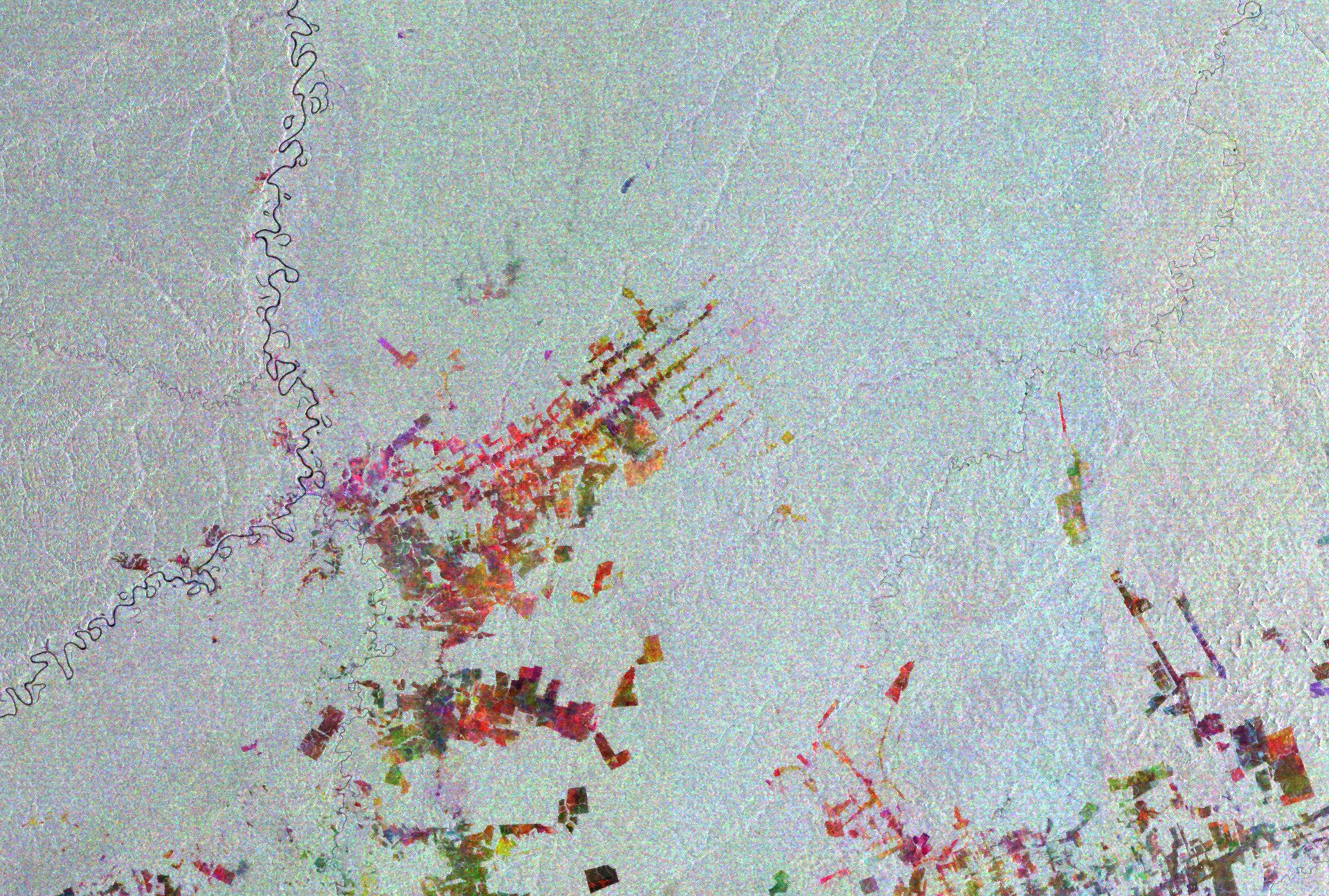
The geography inside the total matters too. Deforestation remains concentrated: Pará accounted for 33.9 percent of all Amazon clearance, Mato Grosso for 25.5 percent and Amazonas for 15.7 percent — yet even in those three states, clearance fell by more than 45 percent year on year. Only one state moved the wrong way: Roraima, a Bolsonaro stronghold, where clearance rose 0.4 percent. The government attributes the fall to enforcement rebuilt since 2023 — it cites 76,095 actions by the Ibama environmental agency and 25,101 infraction notices between 2023 and 2026 — and on Friday the Amazon Fund approved new money to lock the system in: 147.6 million reais for Inpe to integrate its Prodes and Deter monitoring, apply artificial intelligence and produce daily alerts for all biomes, and 825.7 million reais for Ibama's FortFisc programme of remote surveillance and field capacity.
Why this matters
Start with the planet, because the Amazon does not belong to Brazil's election alone. About 60 percent of the world's largest rainforest lies inside Brazil, and the forest is one of the largest carbon stores on Earth — a buffer that absorbs planet-warming emissions when it stands and releases them when it burns or rots. A 41.8 percent one-year fall in clearance is, in climate terms, one of the largest single emissions-reduction achievements any country reported this year, delivered not by a new technology but by inspectors, embargoes, satellite alerts and budgets. That is the deeper significance of Friday's data: it is rare, measurable proof that deforestation is a policy choice. Brazil proved the point in one direction between 2019 and 2022, when protection budgets were cut, enforcement was weakened and clearance surged nearly 60 percent against the previous four years. It has now proved the same point in the opposite direction, at record speed, with the same satellites watching.
Then there is the election. Lula fell behind in the first round despite a record that also includes falling poverty and food insecurity, and his campaign needed a concrete, checkable achievement to put in front of undecided voters in the final week. A record low measured by a 38-year-old scientific series — not a campaign claim — is exactly that. For Flávio Bolsonaro, the data are more awkward. He is expected by many analysts to continue his father's approach, under which clearance soared; he has defended his father, who is serving a 27-year sentence under house arrest for coup plotting, and criticised what he calls a radical environmental agenda. But Flávio has not campaigned on letting the chainsaws back in: his manifesto pledges to strengthen environmental oversight, focus enforcement on organised crime in the Amazon rather than on small farmers and extractive workers, and — in his own telling — end illegal deforestation by 2029, a year earlier than Lula's target. Friday's figures force that promise into a harder frame: the question for voters is no longer whose plan sounds tougher, but whether a Bolsonaro administration would keep an enforcement machine that has just produced the best result ever recorded, or dismantle the one his father's government was accused of hollowing out.
How we got here
The long arc is worth remembering, because Brazil has been here before. The previous record low, in 2011–12, was itself the product of an enforcement era — satellite monitoring, protected areas and supply-chain pressure that drove clearance down from the mid-1990s peak of nearly 30,000 square kilometres a year. That achievement then unravelled in stages, and under Jair Bolsonaro from 2019 to 2022 it collapsed: environmental agencies lost resources, penalties went unenforced, mining in Indigenous lands was promoted, and deforestation rose to its highest in 15 years. Lula's reversal from 2023 restored the earlier playbook — monitoring, penalties for illegal logging, money for the agencies — and improved on its results within three years. The Cerrado's record low is in some ways the more novel half of Friday's release: the savanna, the world's most biodiverse and the source region for major river systems, has historically been cleared for soy and cattle with far less legal protection than the Amazon, and its 23.8 percent fall suggests enforcement attention is finally widening beyond the rainforest headline.
Who benefits, who loses — and what critics say
The immediate beneficiary is Lula's runoff campaign, and his government has not been shy about saying so. Climate advocates benefit too: Astrini's Observatório do Clima argued the data position Brazil at the forefront of the forest-protection agenda weeks after world leaders debated exactly this credibility question. The harder question is who pays for enforcement-led conservation on the ground. Agribusiness and frontier landholders — a core Bolsonaro constituency — bear the embargoes, fines and blocked credit that make the policy bite, and Flávio's pledge to refocus enforcement on organised crime rather than small farmers is pitched directly at them. Sceptics of Friday's announcement, meanwhile, raise two cautions that deserve to be stated plainly. First, the figures are the government's, released by its own space agency eight days before a runoff — Prodes is a respected, methodologically stable series, but the framing, timing and celebration are plainly electoral. Second, a record low is still 3,335 square kilometres of forest destroyed in a year, investigations into an unusual spike in fires in Amazonas are ongoing, and the economic drivers of clearance — cattle, soy, land speculation and illegal mining — have been suppressed, not removed. A suppressed driver returns quickly when the suppressor leaves office, which is precisely the scenario now being voted on.
What happens next
Three dates will decide whether Friday's record is a turning point or a peak. The first is October 25, the runoff itself: a Lula victory would be read, fairly, as a mandate to continue toward the 2030 zero-illegal-deforestation goal, with the new Amazon Fund monitoring money already approved. A Flávio Bolsonaro victory would test his manifesto within months — the 2026–27 Prodes year is already under way, and any early weakening of Ibama operations, budgets or embargo policy would show up in Deter's near-real-time alerts long before the next annual figure. The second test is fire season: deforestation and fire are linked but distinct, and the Amazonas fire investigation is a reminder that a low clearance year can still be followed by a damaging burning year. The third is whether the Cerrado's weaker legal protections get strengthened while the political window exists — its record low was achieved with enforcement attention, not with the statutory shield the Amazon enjoys, and attention is the first thing a new government can withdraw.
For now, the fact itself stands, measured the same way Brazil has measured it since 1988: less Amazon forest was destroyed in the year to July 2026 than in any year on record, and the savanna beside it did the same. Eight days from a runoff between the president who produced that result and the son of the president under whom destruction surged, Brazilian voters are not choosing between two forecasts about the rainforest. They are choosing between two recent, documented pasts — and, unusually in politics, the satellite record lets them check both. If the enforcement era survives the election, zero illegal deforestation by 2030 stops being a slogan and becomes a trajectory. If it does not, Friday's number will be remembered the way the 2012 record low is remembered now: as proof of what was possible, in the years when somebody chose to do it. Does a record like this change how you judge what a government can actually do about the climate — or does the election eight days away matter more than the data?
Sources
Reuters — October 16, 2026, Lisandra Paraguassu and Andre Romani, Brasília (Inpe data release: 3,335 sq km, about 42 percent fall, previous low 4,571 sq km in 2011–12, mid-1990s peak near 30,000 sq km, Flávio Bolsonaro manifesto) · BBC News — October 17, 2026 (41.8 percent Amazon fall, biggest drop since records began in 1988, Cerrado down 23.8 percent, Lula X post, Jair Bolsonaro-era surge of nearly 60 percent via AFP) · The Guardian — October 16, 2026 (record low beat by 1,236 sq km, state shares Pará 33.9 percent / Mato Grosso 25.5 percent / Amazonas 15.7 percent, Roraima up 0.4 percent, Astrini reaction, 71.2 percent fall since the Lula administration began) · Brazilian government / Inpe Prodes programme — annual deforestation series, August–July year; Amazon Fund approvals and Ibama enforcement totals as reported October 16–17, 2026.
Related coverage: Brazil election 2026: Lula and Bolsonaro deadlocked five days out · Brazil election results: Flávio Bolsonaro leads Lula