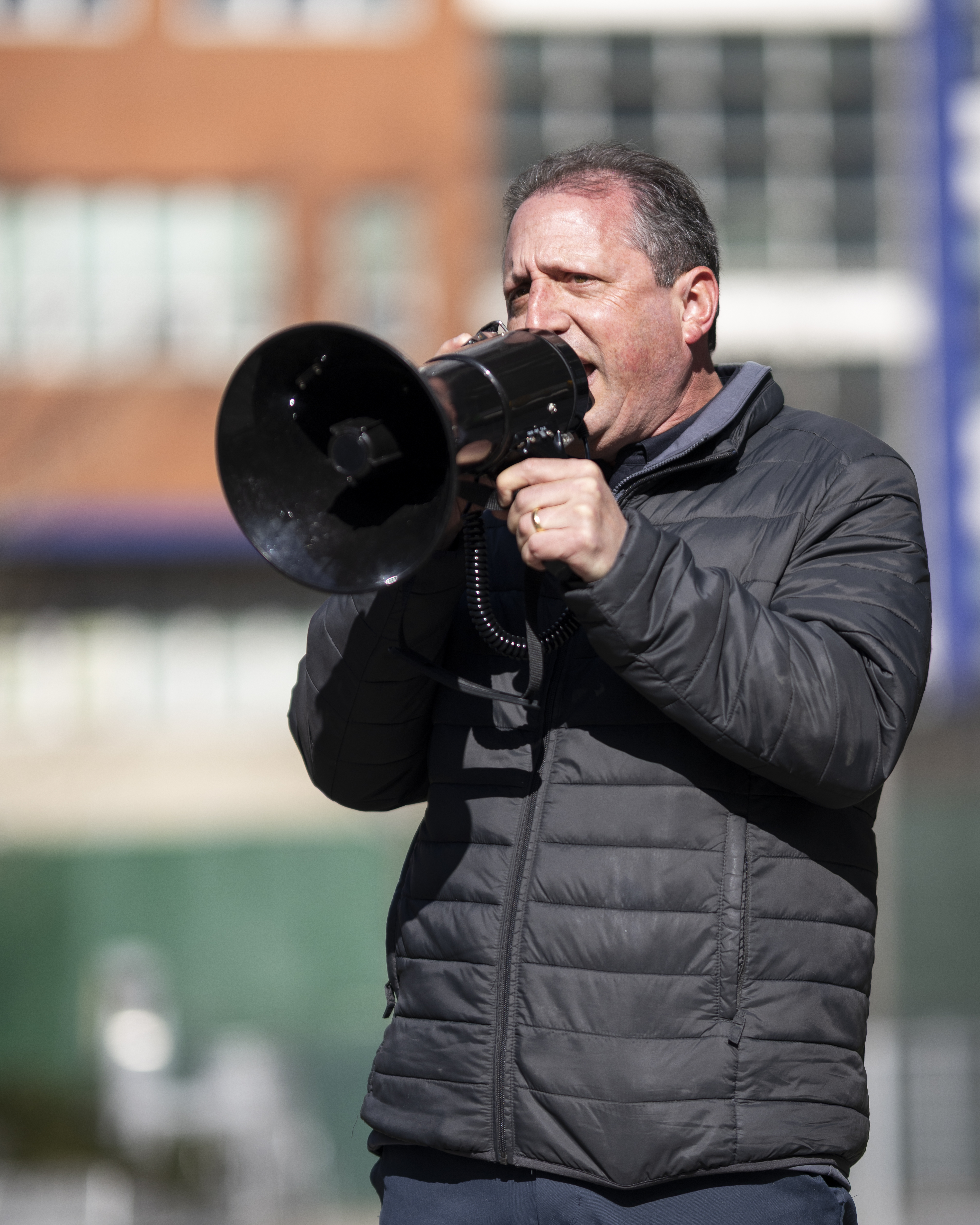
Brad Lander detained: the Brad Lander detained case began with a post from a bus in the West Bank, where the Democratic nominee for New York’s 10th congressional district said Israeli forces had detained him during an olive harvest.
World / U.S. Politics & West Bank — a US congressional nominee, a bus full of rabbis and volunteers, and an olive grove: thirteen days before Election Day, the West Bank harvest became an American campaign story
Track it live: Israel–Gaza war map and live tracker
What happened in the grove
The first account of the detention came from Lander himself. His post on X on October 21, quoted in full by NBC New York, read: “I’ve been detained by the IDF, along with a group of rabbis & volunteers. We were simply harvesting olives in a grove near Nehalim in the West Bank. The occupation is a crime under international law. Harvesting olives isn’t a crime under any law I know.” The post carried a photograph of Lander on a bus filled with people, NBC New York reported. Reuters, in a wire published the same day, reported that Lander “was among 90 individuals detained by Israeli authorities in the occupied West Bank while accompanying Palestinian farmers harvesting olives, according to Rabbis for Human rights, an Israeli rights group.” The Jerusalem Post reported the same figure in its headline: “IDF detains 90 West Bank olive harvest volunteers, including US congressional nominee Brad Lander.”
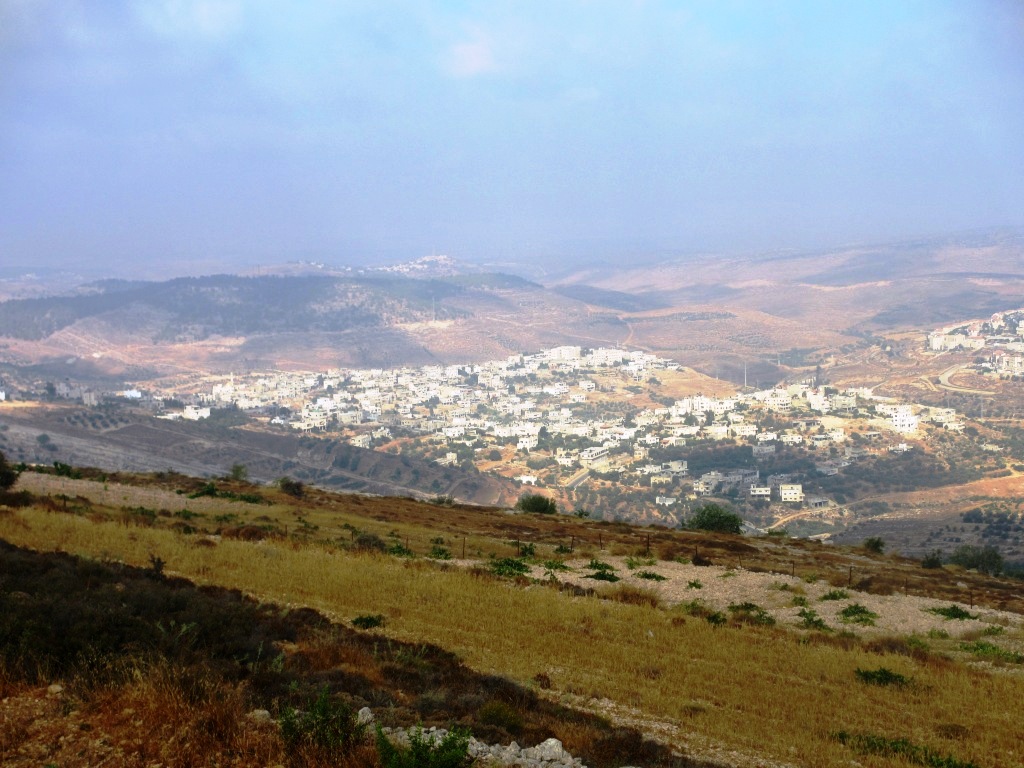
Two details in the early reporting do not yet line up, and readers should hold both. The first is the day: Reuters’ wire described the detention as happening on Tuesday, while Lander’s own post and NBC New York’s report placed it on Wednesday. The second is the place: Lander’s post put the grove “near Nehalim,” while Rabbis for Human Rights, as reported by the Jerusalem Post, said its volunteers were working near Bethlehem, accompanying Palestinian farmers to groves as part of the olive harvest. Those two descriptions may yet prove compatible — the reporting is hours old and neither the group nor the Israeli authorities have published a fuller account — but as of publication, no source has reconciled them, and this article does not merge them into one location.
What is also missing, so far, is the other side’s account and the ending. Reuters reported there was no immediate comment from Israel Police or the US Embassy in Jerusalem. No report cited in this article said why the group was detained, whether a closed-military-zone order or another legal basis was invoked, how long the detention lasted, or whether Lander and the other volunteers had been released. A US congressional nominee pictured on a bus in Israeli military custody, with no official word from either government, is where the story stands.
Who Brad Lander is
Lander is not a fringe activist who happened to be in the groves; he is one of the most prominent progressive office-seekers in New York. He is a Jewish American and a former New York City comptroller and mayoral candidate who has criticized Israel’s war in Gaza, Reuters reported, and he is the Democratic Party’s nominee for New York’s 10th congressional district in the November 3 midterm elections. He won that nomination in the Democratic primary against Representative Dan Goldman, in a race that was heavily shaped by debate over US support for Israel: Lander ran as an outspoken progressive on foreign policy, was backed by New York Mayor Zohran Mamdani and Senator Bernie Sanders, and criticized Goldman’s stance on Israel, while Goldman carried union endorsements and the backing of AIPAC. Reuters described Lander in its detention wire, in a single identifying phrase, as “an ally of New York Mayor Zohran Mamdani.”
This is also not Lander’s first detention at a protest. In September 2025, he was among the elected officials taken into custody during a sit-in at a federal immigration facility in Manhattan, where officials were demanding to inspect detention conditions; he was released afterwards and called for more oversight. His politics, in other words, have long included a willingness to be arrested on camera for a cause. What is different this time is the detaining authority: not federal officers in his own city, but the military of a foreign state — and America’s closest Middle East ally — less than two weeks before he asks voters to send him to Congress.
Why he was in the West Bank
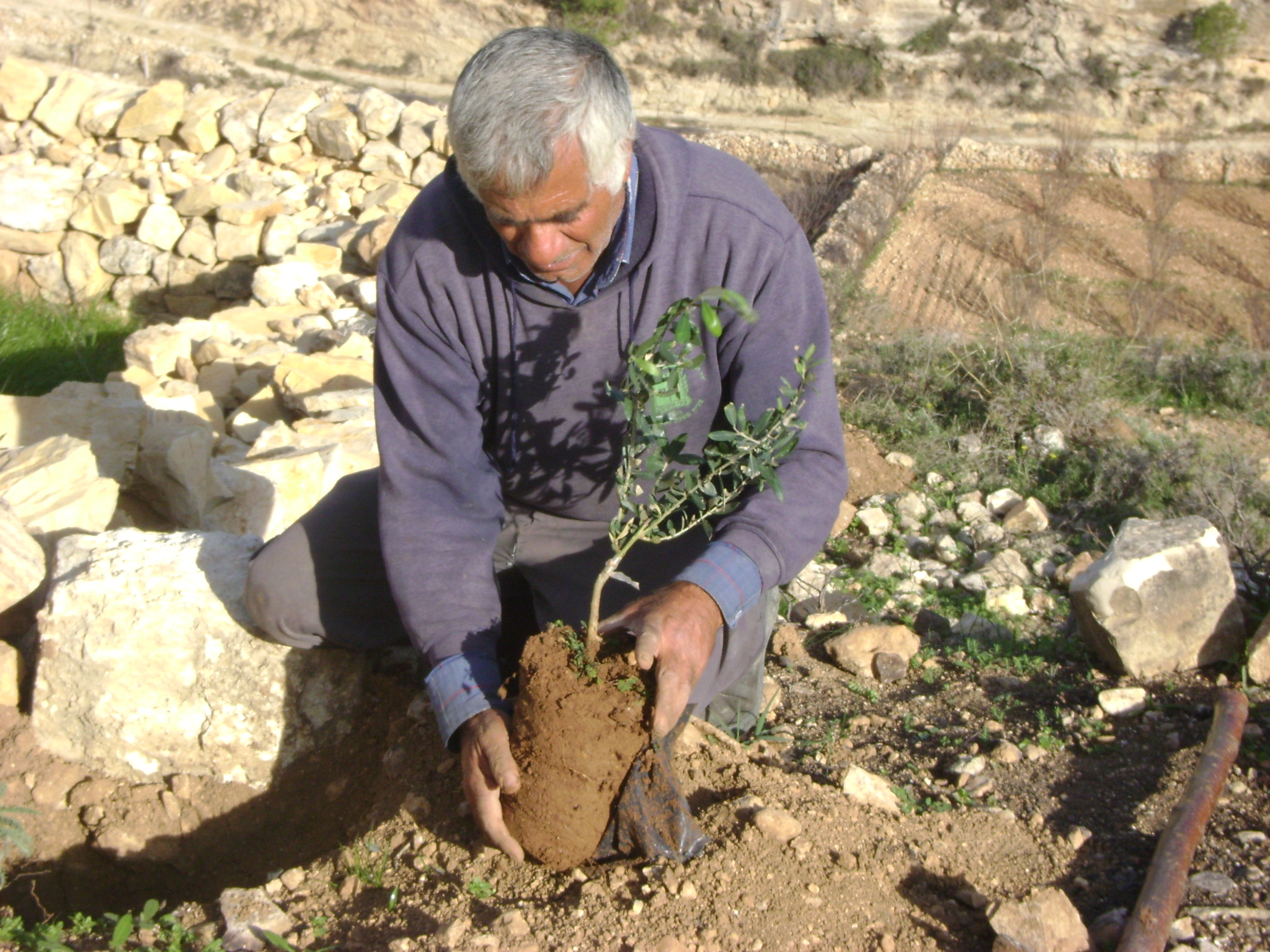
Lander had been documenting the trip himself for days. In a post on October 20, he wrote: “Today was our second day in the olive groves with the ‘Protect the Harvest’ coalition. Listen to Amira Musallam from Unarmed Civilian Protection in Palestine share a horrific story of a mom and two small kids who were violently attacked by settlers earlier this year — in a house that sits just above the olive grove where we harvested today.” He added: “These are the kinds of assaults that Palestinians in the West Bank are subject to constantly. We’ll keep shining a spotlight on what’s happening here – in the pursuit of ending the scourge of state-sanctioned settler terrorism.” The model is known as protective presence: Israeli and international volunteers accompany Palestinian farmers during the harvest, on the theory that cameras and foreign passports reduce the chance of violence and document it when it happens. Rabbis for Human Rights is one of the Israeli organizations that has run such accompaniment for years.
The harvest they were protecting is not a symbolic crop. Olives and olive oil are a backbone of the Palestinian rural economy, and the autumn harvest is the moment when farmers must reach groves that in many places sit close to settlements and outposts. That geography is why the harvest has become a season of confrontation, a pattern this site has followed through the autumn: in our report on Washington Post photographer Heidi Levine, beaten at the Abu Falah olive harvest, and in our report on settlers attacking a European diplomatic delegation at Taybeh’s olive harvest. On October 19, two days before Lander’s detention, Israeli police said they had arrested eight suspects in connection with weekend settler attacks on Palestinians, on European diplomats from France, Belgium and Poland near Taybeh, and on Levine, who underwent surgery at Beilinson Hospital with injuries reported as moderate; the arrests were made in an operation police called “Olive Leaf,” run with the Shin Bet and an IDF escort, the Times of Israel reported. Canada and European governments condemned the diplomat attack. That is the atmosphere — arrests of alleged settler attackers on one side, detentions of harvest volunteers on the other — into which a US congressional nominee walked with a rake.
Why this matters
Start with the simplest fact: thirteen days before a US midterm election, a major-party nominee for the US House of Representatives was detained by the military of a US ally while performing a deliberately peaceful, deliberately public act of protest. That almost never happens, and each element of it cuts in two directions. For Lander’s supporters, the detention is the message: a Jewish American candidate for Congress, standing with rabbis and Palestinian farmers, held by soldiers for picking olives is a photograph that makes his entire campaign argument — that the occupation is unjust and that US policy enables it — more vividly than any advertisement could. For his critics, the same photograph makes the opposite argument: that a would-be congressman travelled to a militarized zone during a tense harvest, joined a protest action, and was treated like any other participant, and that the detention says more about the stunt than about Israel. Both readings were available within minutes, because Lander himself supplied the image and the caption.
The second significance is diplomatic, and it is measured in silence. Reuters’ wire records no immediate comment from Israel Police — and none from the US Embassy in Jerusalem. When a private American tourist is detained abroad, that silence is routine. When the detainee is a congressional nominee and a former comptroller of New York City, the silence is a decision, or at least a delay that will itself become part of the story. The State Department will be asked, in public, whether it has sought information about a US citizen and political candidate held by Israeli forces; the Israeli authorities will be asked on what basis 90 harvest volunteers were held. Neither question had an official answer at the time of publication.
The third significance is electoral, and it runs through New York rather than the West Bank. Lander’s primary victory over Goldman was read nationally as evidence that Gaza and US support for Israel had become a defining split inside the Democratic Party, capable of unseating an incumbent even in a district where the pro-Israel establishment spent heavily. A detention by the IDF in the final fortnight of the general election does not change the arithmetic of a heavily Democratic district, but it nationalizes the race again: it gives Mamdani’s New York coalition a fresh, concrete episode, gives Lander’s Republican opponent and pro-Israel critics a fresh target, and tests whether the politics that won a primary in June travel to a general election in November. Our earlier coverage of the administration’s own West Bank messaging is in our report on Secretary Rubio pressing Israel to crack down on settler violence.
What the numbers say
The scale figure in this story is 90: ninety people detained in a single harvest action, according to Rabbis for Human Rights as reported by Reuters and the Jerusalem Post. Set that beside the season’s other figures. Eight suspects were arrested in the October 19 “Olive Leaf” operation over attacks on harvesters, diplomats and a journalist. At the start of the season, between October 3 and 4, Israel deported four international solidarity activists — three Americans and one German — who had been supporting the community of Jamma’in at the start of the harvest, according to the International Solidarity Movement; the group said the activists were denied legal advice before deportation procedures, and that police said the activists had been told they were in a closed military zone and refused to leave, a claim the group disputes, saying they were only informed of the order during interrogation. That precedent matters for what may happen next in Lander’s case: detention of harvest volunteers this season has ended, for foreign nationals, in deportation proceedings — though a US congressional nominee is not a typical foreign national, and no report yet suggests deportation is being considered in his case.
What happens next
Three things will decide whether this is a one-day story or a campaign-defining one. The first is the ending of the detention itself: whether Lander and the other volunteers are released, charged, or — for the foreign nationals among them — put into deportation proceedings, and what legal basis the Israeli authorities cite when they finally comment. The second is the American response: a statement, or continued silence, from the US Embassy and the State Department, and from Mayor Mamdani and the New York delegation. The third is November 3. Lander’s detention hands every side of America’s argument over Israel a vivid, personal, campaign-season episode. Which side it helps is the one thing nobody quoted in this story can yet know — because the man at the center of it was, at last report, still on the bus.
Sources
- Reuters, “US Democratic congressional nominee Lander detained by Israeli authorities in West Bank” (October 21, 2026) — reuters.com
- NBC New York, “Brad Lander detained by IDF during West Bank olive harvest” (October 21, 2026), quoting Lander’s post on X (@bradlander, October 21, 2026) — nbcnewyork.app.link
- The Jerusalem Post, “IDF detains 90 West Bank olive harvest volunteers, including US congressional nominee Brad Lander” (October 21, 2026), as republished by Jewish Rhode Island — jewishrhody.com
- Brad Lander, post on the “Protect the Harvest” coalition’s second day in the groves (October 20, 2026) — substack.com
- Times of Israel reporting on the “Olive Leaf” arrests over settler attacks on diplomats and Washington Post photojournalist Heidi Levine (October 19, 2026), via ANI — indianeconomicobserver.com
- International Solidarity Movement, “Israel deports four international solidarity activists at the start of the olive harvest season” (October 5, 2026) — palsolidarity.org