Technology · Trade
Treasury Secretary Scott Bessent publicly blamed the Commerce Department for blocking an Entity List designation of Megaspeed — suspected of diverting billions in Nvidia chips — in a rare open split inside the administration's China policy.
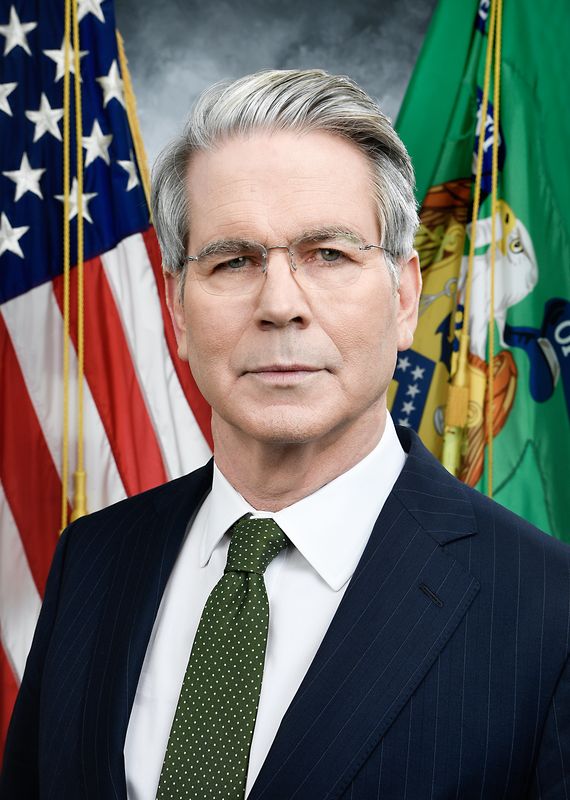
WASHINGTON, November 14, 2026 — The Bessent Megaspeed blacklist Commerce dispute broke into the open on Friday: Treasury Secretary Scott Bessent told CNBC's Squawk Box that Treasury, the Pentagon, the State Department and the USTR had backed adding Singapore-based Megaspeed to the Entity List for months, but that 'Commerce has the pen' — and had not used it. Megaspeed is suspected of funnelling more than $4 billion of Nvidia chips toward China; other reporting puts the figure at $4.8 billion between June 2024 and February 2026, a number attributed to that reporting rather than established. Reuters and AP reported the remarks on November 13.
A Situation Room confrontation, reported and denied
Reporting describes a confrontation in the Situation Room on November 5 over the stalled listing; a Commerce spokesperson denied that the conversation occurred, and that denial is part of the record here. A further claim in circulation — that the Entity List has seen no additions in 13 months — is attributed to its proponents and has not been independently verified by this newsroom. Megaspeed denies wrongdoing and says inspections found no evidence of diversion.
Why one company's listing matters this much
The Entity List is the sharpest routine tool in US export control: listing cuts a firm off from US technology. A public cabinet-level argument over a single listing is therefore not really about one firm — it is about whether the export-control regime moves at the speed of the smuggling networks it targets.
Why this matters
Export controls work on credibility and tempo. If a suspected $4 billion-plus diversion channel can operate for over a year while four agencies wait on a fifth's signature, the deterrent signal to every other intermediary in the chip supply chain is the opposite of the one the controls exist to send. Bessent's decision to say so on television suggests the internal argument had already been lost on the merits as he saw them — public pressure was the remaining lever.
What happens next
Commerce must now either list Megaspeed or defend the delay in public. Congressional China hawks are expected to take up the case, and Malaysia's parallel investigation — reported separately by this newsroom — raises the regional stakes for every firm in the chain.
Sources
- Reuters, November 13, 2026 — reporting of Bessent's CNBC remarks and the interagency dispute.
- Associated Press, November 13, 2026 — coverage of the Megaspeed listing fight.
- CNBC Squawk Box, November 13, 2026 — Bessent's on-air statements, including 'Commerce has the pen.'