Bangkok flooding disaster zone
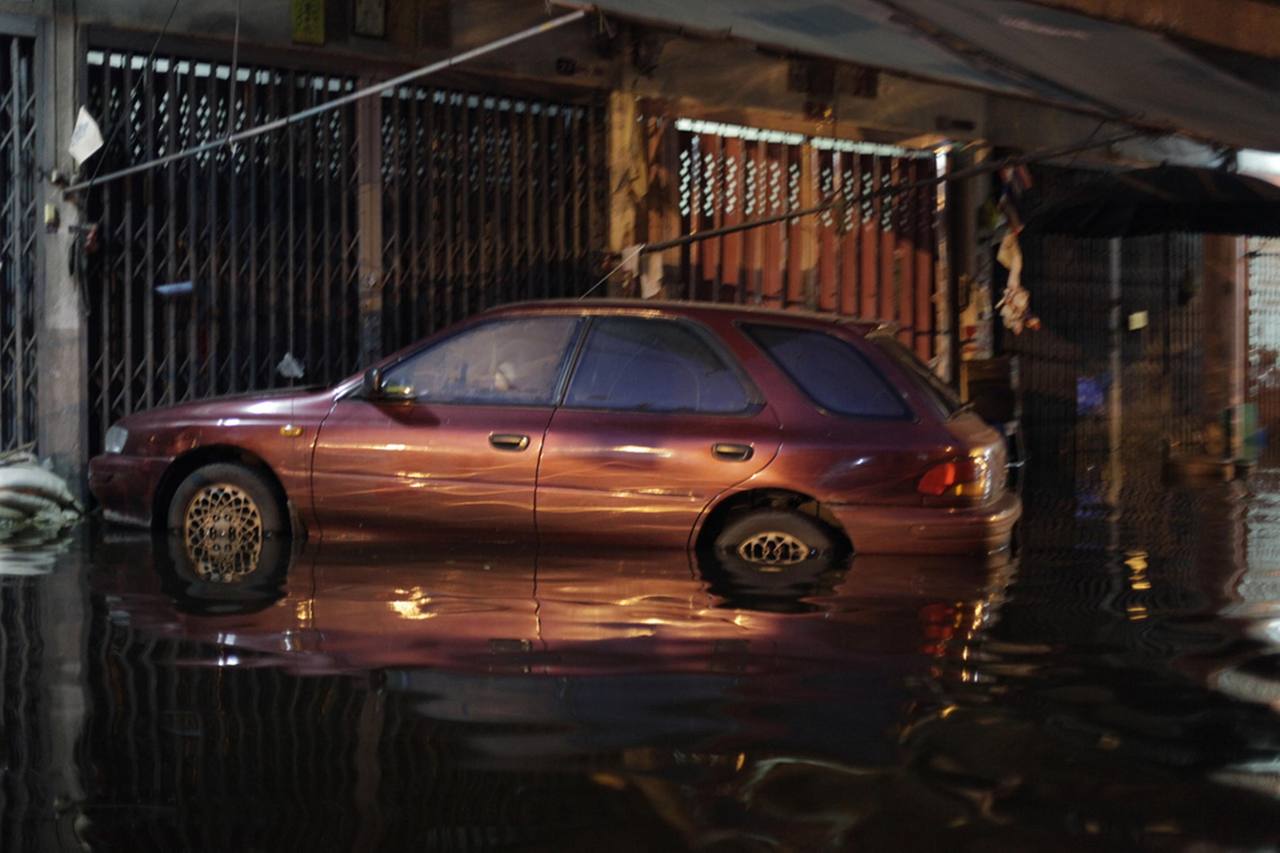
BANGKOK, September 26 — Bangkok woke up Saturday to streets under water. Governor Chadchart Sittipunt declared the Thai capital a disaster-affected zone after nearly 300 millimeters (11.8 inches) of rain fell in about 48 hours, submerging roads, swelling canals, and forcing residents to wade through waist-deep water. The declaration covers all 50 of the city's districts, a move that gives local organizations special emergency powers to act. (Source: Reuters, September 26, 2026.)
What the disaster declaration unlocks
The designation is more than symbolism: it unlocks emergency powers and funding for district-level response. Around 980 people were already staying in temporary shelters on Saturday, and authorities transferred 36 bedridden residents to hospitals. The army is setting up shelters and field kitchens, while the Bangkok Metropolitan Administration has designated schools as temporary accommodation and asked residents to avoid unnecessary travel.
The government issued an emergency advisory for people living near canals to move possessions to higher ground. Prime Minister Anutin Charnvirakul is cutting short a trip to London to return. Suvarnabhumi airport was operating normally, though the tourism authority advised travelers to allow an extra two to three hours.
By Saturday afternoon Chadchart said the situation had “stabilized” — “If no more rain falls in the area, the problem will be resolved” — estimating two to three days to drain the floodwater, and urging the public not to panic about food shortages.
A capital under water
The numbers only partly capture it; the voices do the rest. Somkid Pheuk-ngam, 67, a vendor who lives near a canal just north of central Bangkok, told AFP: “The water keeps coming in. It's hard to go out now. It's like at my waist level now.” She has closed her shop for two days. “I think this time is worse than the 2011 flood.”
In the Ari neighborhood, motorbike rider Samruay Nakkamnueng woke to a flooded street and worried whether his bike could wade through the water to get to work. Nineteen-year-old Sansuk Laowatcharakul joined crowds stocking up at supermarkets — drinking water and ready-to-eat meals were the top buys — saying she had never faced this kind of situation alone before. Suppakarn Julavijitphong carried luggage out of a condo surrounded by floodwater, admitting he hadn't considered relocating before the warning.
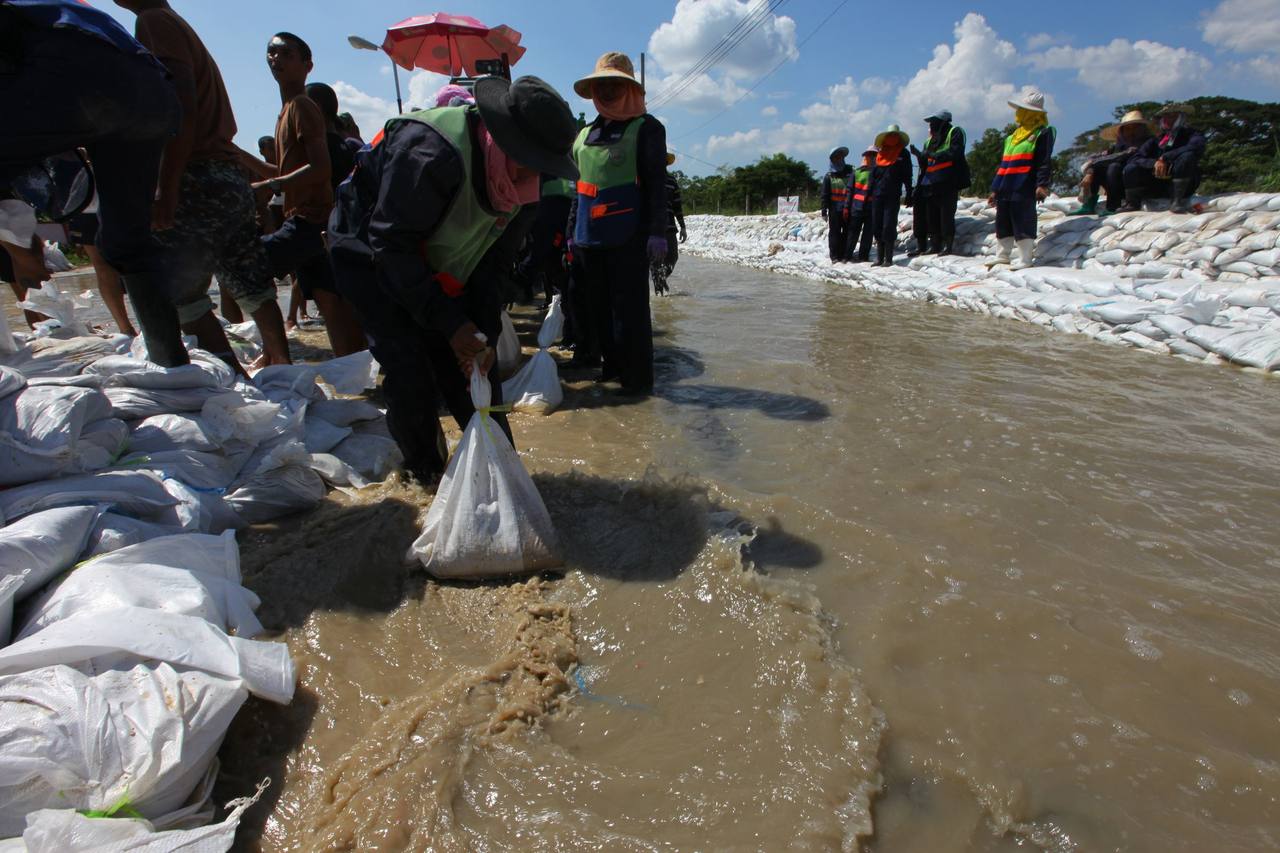
In On Nut, AFP reporters watched residents wading through knee-high water and filling sandbags to protect homes and businesses. At least 13 roads were flooded, cars partly submerged, and canals brimmed over into homes, restaurants, and shops.
Why this matters: a sinking city meets a wetter sky
Bangkok is one of the most flood-exposed megacities on earth, and this weekend is a reminder of why. The capital sits on a low-lying river delta, laced with khlong canals that double as its drainage system; parts of the city sit barely above sea level and have been sinking for decades as groundwater is drawn and soft clay compresses. Breakneck development paved over floodplain and filled in canals that once carried monsoon runoff to the sea.
Every monsoon season is a stress test of pumps, dykes, and the Chao Phraya's flood barriers — and the tests are getting harder. Warmer air holds more moisture, and monsoon downpours are arriving in sharper, heavier bursts. When 300 millimeters falls in two days onto concrete, the water has nowhere to go but up. That is the deeper significance of Saturday's declaration: not a freak accident, but the predictable collision of geography, urbanization, and a changing climate.
A pattern, not an accident
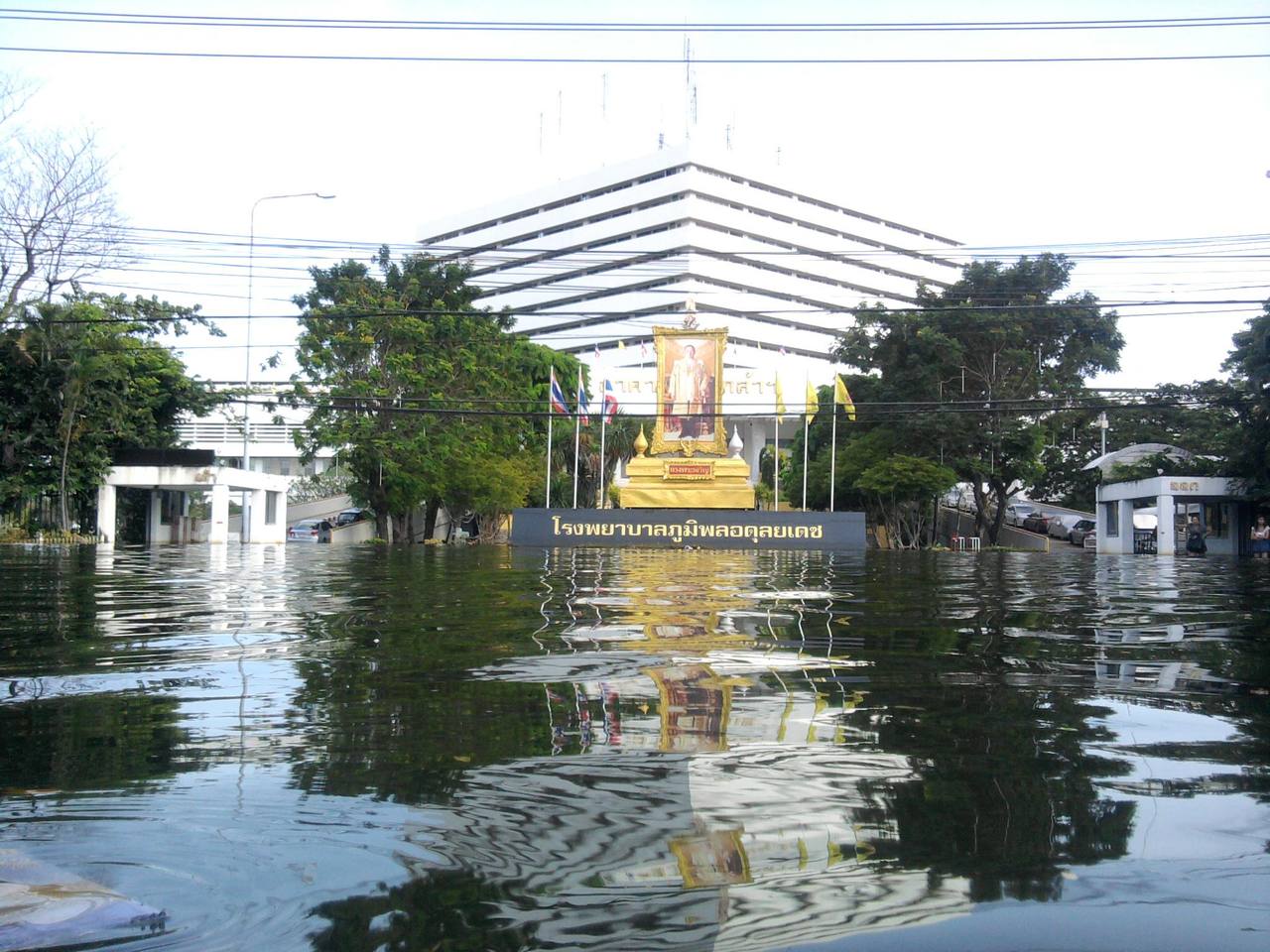
Bangkok has been here before — and recently. In November 2025, floods in Thailand's southern provinces killed at least 145 people in what Reuters called the country's worst floods in decades. In 2011, nationwide flooding killed more than 500 people and damaged millions of homes, with Bangkok itself under water for weeks.
Two major flood disasters within ten months is a pattern, and residents are drawing the comparison themselves: Somkid's “worse than the 2011 flood” is the kind of verdict no official reassurance easily overcomes. At the United Nations, Thai Foreign Minister Sihasak has argued that climate-related disasters are worsening and that ASEAN nations must cooperate to protect vulnerable groups — a diplomatic framing of a crisis now unfolding in his own capital's streets.
What the numbers actually say
Read the figures together and a picture emerges. Three hundred millimeters in 48 hours is the trigger; fifty out of fifty districts under disaster declaration means this is not a localized event but a citywide emergency. Nine hundred eighty people in shelters and 36 bedridden residents evacuated to hospitals show real displacement — managed so far, but real. Thirteen flooded roads mean the last mile of the city's mobility is broken even while the airport holds.
And the two-to-three-day drainage estimate carries the conditional that matters most: if no more rain falls. The weather agency forecasts thunderstorms and heavy to very heavy rain through the weekend. Perhaps most telling is the gap between the official “stabilized” and residents calling it worse than 2011 — in flood governance, that perception gap is itself the story, because public trust is what determines whether the next evacuation order is obeyed.
Who bears the cost
Floods are never democratic. The first and worst hit are the canal-side communities and street vendors like Somkid, whose homes and livelihoods sit closest to the overflowing khlongs. Commuters, small restaurants, and shops along the canals absorb the next wave of losses.
Then comes the political ledger: in Thailand, flood response is the test governors and prime ministers are judged by, and Anutin's decision to cut short his London trip is a measure of how seriously the government takes that judgment. The supermarket runs — water, ready meals — are the small economics of anxiety, the household-level hedge against a state response people aren't sure will reach them.
What happens next
Everything now depends on the sky. If the forecast errs kind and the rain stops, Chadchart's timeline holds: drainage within two to three days, then the long accounting of damage. If the thunderstorms arrive as predicted, the crisis deepens — wider displacement, disease risk in stagnant water, and a harder economic hit.
Either way, the weekend has posed questions that will outlast the water: whether the flood defenses built after 2011 are holding, whether the city's pumps and barriers match the new intensity of monsoon bursts, and whether Bangkok's development model can survive the climate it now inhabits. The water will drain. The questions won't.
Sources
- Reuters: Thai capital Bangkok declared disaster zone amid flooding (September 26, 2026)
- AFP via Phys.org: Canals full, roads submerged as Bangkok declares flood disaster
- AFP via Bombay Durpun: Bangkok declares flood disaster across city