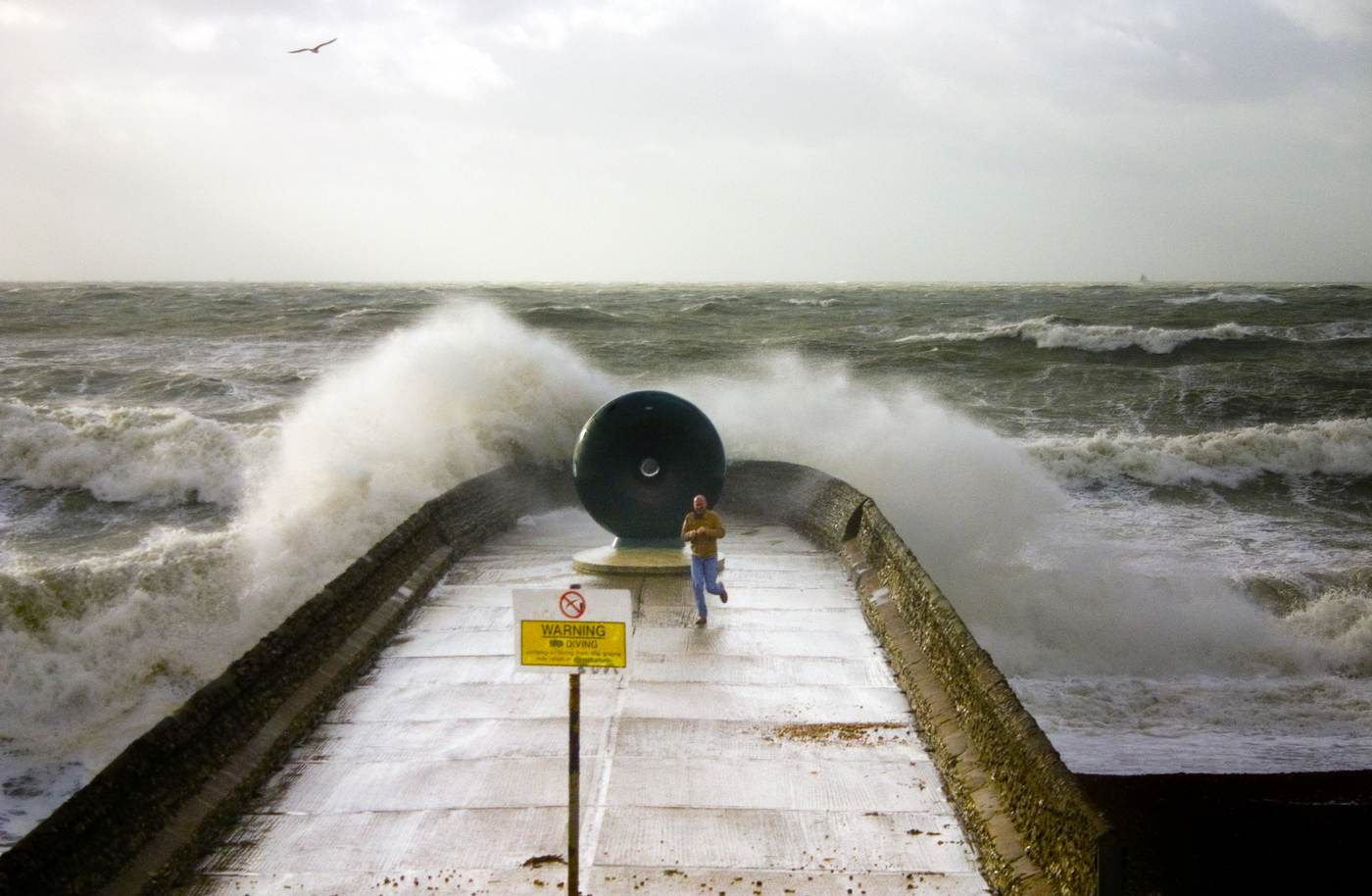
OCEAN CITY, Md. — The weekend's most important performance never reached a stage. It happened in the hours before the gates opened, when promoters and public-safety officials decided that a forecast built around high winds, punishing surf, flooding and beach erosion had made a large temporary venue unsafe to finish, staff and fill.
Oceans Calling first lost Friday. Then organizers cancelled Saturday and Sunday as the storm's projected track shifted west and conditions deteriorated. JamBase reported that tides, flooding, high winds and erosion prevented crews from safely completing the build. The distinction matters: this was not simply a rainout after a crowd arrived. The same weather that threatened fans also threatened the scaffolding, power systems, barricades, freight movements and work crews required to make the festival exist.
The cancellations spread well beyond Maryland. All Things Go NYC dropped its full three-day program. Global Citizen cancelled its Central Park festival for the first time in 14 years. CBGB Festival and a Prodigy event were called off, and Ed Sheeran's Gillette Stadium shows outside Boston were cancelled. Stereogum's roundup captured the extraordinary breadth: unrelated promoters, venues and audiences arrived at the same conclusion because the common risk was regional.
Why this matters
A ticket refund makes a cancelled show look like a reversed retail transaction. A festival economy is far messier. A three-day event pulls forward hotel bookings, restaurant shifts, bar inventory, parking revenue, ride-share demand and seasonal employment. When the cancellation arrives after visitors have boarded flights or crossed several states, much of that spending cannot be reversed.
Ocean City is especially exposed because Oceans Calling sits near the end of the traditional beach season. The festival gives local businesses a final surge after summer crowds thin. The Banner reported on Carley Hall, 28, and four friends who flew from Scotland to see Twenty One Pilots and spent thousands of dollars on the trip. Their tickets may be refundable. Their flights, meals and lost vacation time belong to a different ledger.
That is the central economic lesson of this weekend: the organizer controls admission, but it does not control the visitor's entire trip. A cancellation policy can settle the face value of a wristband while leaving hotels, short-term rentals, airfare and resale purchases governed by separate contracts. Travel insurance may cover some losses, depending on the policy and trigger. Many fans will discover that “event cancelled” and “trip reimbursed” are not synonyms.
What 162,000 attendees really means
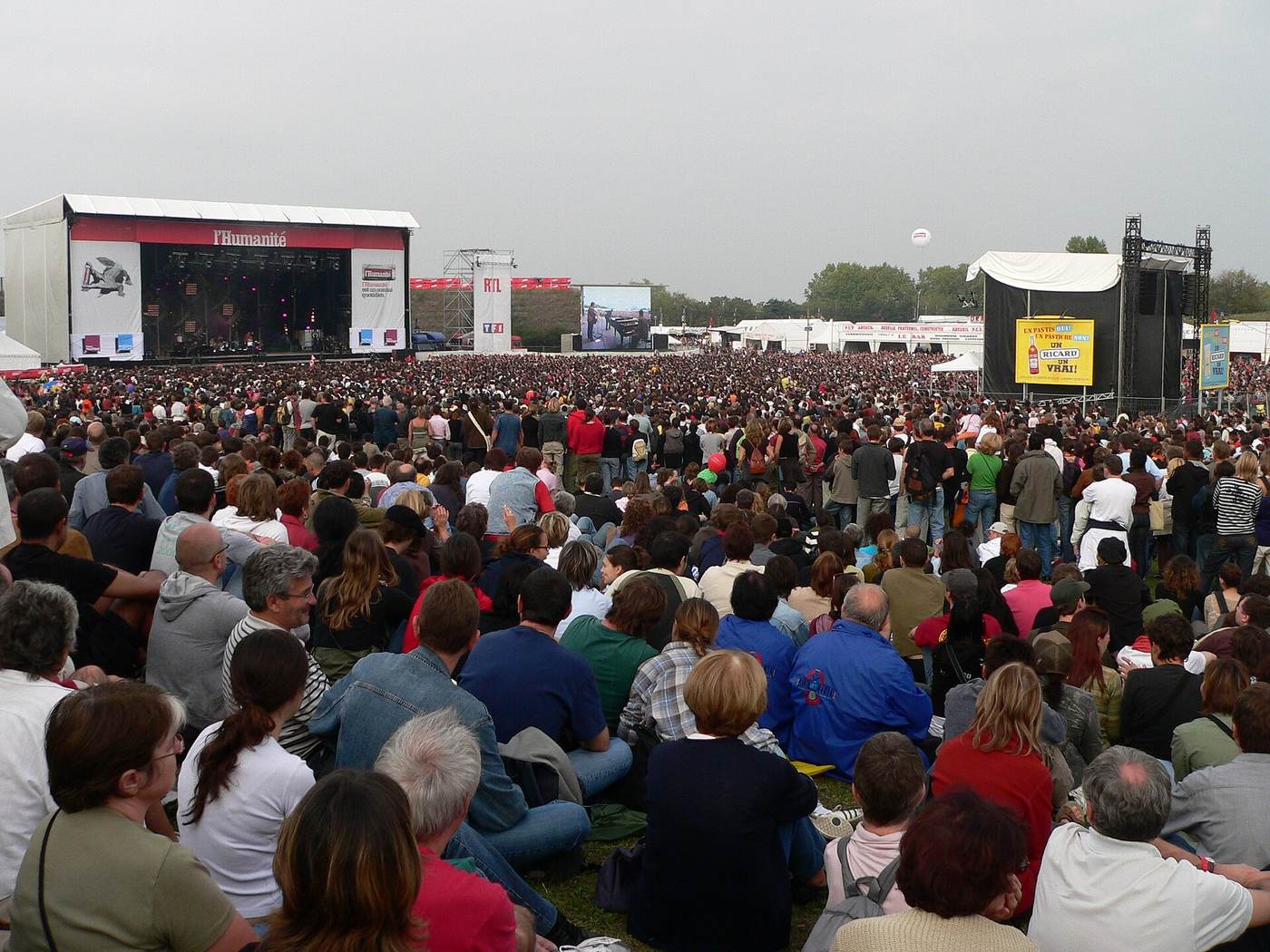
Oceans Calling recorded 162,000 attendances in 2025. Spread evenly across three days, that is roughly 54,000 admissions a day. It is not necessarily 162,000 distinct people: a three-day passholder can be counted on each day. But the daily average still conveys the operating challenge. Moving a population the size of a small city through an exposed beachfront site requires hours of construction, security sweeps, deliveries, medical preparation and crowd routing before the first song.
That arithmetic also explains why a late weather pivot has such a large economic wake. Fifty-four thousand daily admissions imply thousands of hotel rooms, restaurant covers and transport journeys. The precise local loss cannot be responsibly calculated from attendance alone, and no reliable dollar total was available at publication. What can be said is that the spending network is much larger than the ticket office and that much of it had already activated before the final cancellation.
The event has history with Atlantic weather. Its inaugural 2022 edition was cancelled before Hurricane Ian. Four years later, the recurrence is not proof that any single storm was caused by climate change, nor that Ocean City cannot host a September festival. It is proof of exposure: a business model built on a temporary coastal venue during peak Atlantic storm season carries a risk that cannot be designed away entirely.
That risk must now be priced by insurers, promoters and towns. Insurers will examine cancellation thresholds and evidence that a venue could not be safely completed. Promoters will test whether premiums, deductibles and exclusions still fit the economics. Artists and crews may have guarantees, kill fees or force-majeure provisions that differ from one contract to another. Restaurants and hourly workers usually sit farther from the insurance protection even though they absorb immediate losses.
Oceans Calling 2026 refund tickets: what is covered
For passes bought directly through Front Gate Tickets, organizers said full refunds would be issued automatically, potentially taking as long as 30 days. That is the cleanest part of the unwinding: eligible direct buyers should not need to file a separate claim. All Things Go NYC and affected AXS events likewise said qualifying direct purchases would be automatically refunded, with AXS allowing up to 30 business days.
The resale market is less clear. The Oceans Calling notice did not specify how every third-party transaction would be handled. Buyers should preserve the cancellation notice, receipt and payment record, then use the marketplace's formal event-cancellation process. A refund from the original ticket issuer may flow to the original buyer rather than the person who later acquired the pass. Fees and delivery charges may receive different treatment under different platform terms.
Fans should also avoid assuming that a hotel will waive its cancellation rules because the headline event disappeared. Some properties may offer credits or exceptions, especially where flooding affects access; others may enforce prepaid or non-refundable rates. The practical hierarchy is simple: first document the official cancellation, then contact the ticket seller, lodging provider, airline and insurer separately. Each claim turns on a different contract.
Why Global Citizen, All Things Go NYC and Boston concerts cancelled
Global Citizen's decision was symbolically striking because it was the festival's first cancellation in 14 years. Organizers said contingency plans could not safely accommodate tens of thousands of people along with equipment, crew and vendors. That language gets to the heart of outdoor-event safety: a contingency plan does not create a roof over Central Park or remove trees, saturated ground and high-wind exposure.
Global Citizen Festival cancelled 2026 and All Things Go NYC cancelled were not merely copycat decisions. Each venue has its own evacuation routes, temporary structures, staffing requirements and tolerance for wind. The common denominator was the scale and duration of the nor'easter, not a single citywide rule.
The same logic reached Massachusetts. The Ed Sheeran Boston concerts cancelled search was really about Gillette Stadium in Foxborough, where large crowds, long travel corridors and outdoor production faced the storm's northern flank. USA Today's forecast described a multi-day wind, surf and coastal-flooding threat through September 27, with Boston-area winds around 40 mph and waves as high as 20 feet. It also cited up to four inches of rain across southeastern New England and four to eight inches in parts of southeastern Massachusetts and Rhode Island.
The September nor'easter 2026 forecast
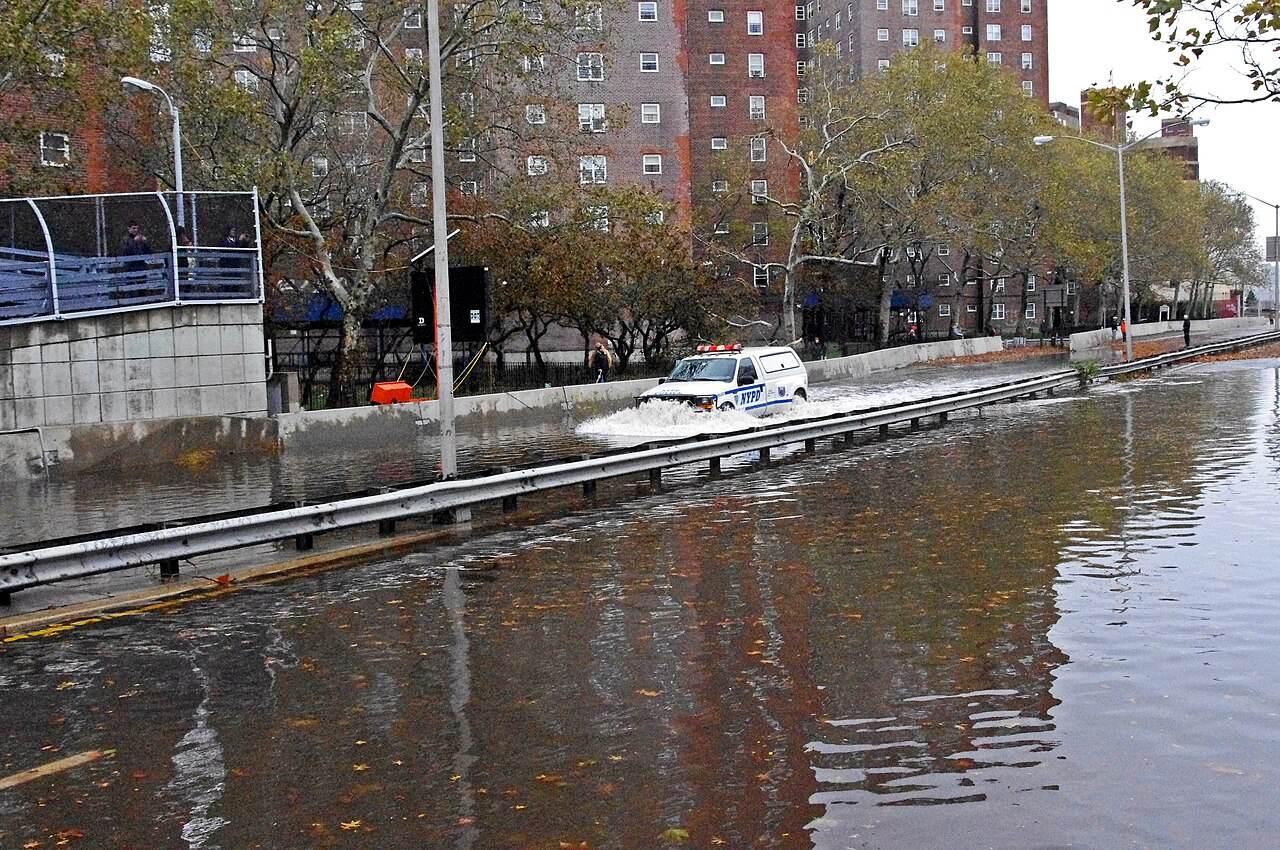
This storm's danger lay in persistence as much as peak intensity. Forecasters expected the center to remain offshore, but a broad circulation could stall and extend effects into Sunday or Monday. The system could also acquire subtropical characteristics over the warm Gulf Stream, according to the USA Today forecast. Those possibilities did not mean landfall was certain. They meant a modest shift in track could materially change wind, rain and surge along a long coastline.
In New Jersey, NorthJersey's forecast report cited gusts up to 50 mph, offshore gusts up to 55 knots and seas of 13 to 17 feet. Vulnerable locations faced one to two feet of inundation above ground, while some high tides could approach three feet above normal. A full moon amplified tidal levels. Elsewhere along the coast, gusts in the broader 45-to-60-mph range and overwash that closed North Carolina's NC-12 underscored why the nor'easter East Coast coastal flooding threat could not be reduced to rain totals.
Ocean City offered an immediate visual test. Photographs taken Friday morning by OceanCity.com, before the full weekend cancellation, showed crews moving sand and working around stages as rough surf struck near the pier. Tidal water covered downtown streets. The images did not prove what conditions would be later in the weekend, but they showed that the hazard was already operational, not hypothetical.
Can a festival this large be rescheduled?
The odds are poor. A festival is a temporary city whose residents include headliners, tour crews, union labor, security, concessionaires, sponsors and tens of thousands of ticket holders. Recreating the same lineup requires a new date on every major artist's calendar, a new municipal permit window, available production equipment and a beach that can safely accommodate the build. Postponing one arena show is difficult. Reassembling three festival days is exponentially harder.
Smaller substitute shows can preserve some value and morale. The Banner reported that Cassandra Coleman and KT Tunstall arranged local performances after the cancellation. Those appearances can put fans in clubs and restaurants, but they cannot replace the capacity or economic reach of the main event. They are a community response, not a rescheduled festival.
Organizers must also decide how much advance construction is prudent when forecast confidence is low. Build too early and crews may have to dismantle structures in dangerous conditions. Wait too long and the venue may never be completed. That trade-off will become more expensive as insurers and contractors incorporate the possibility of a second cancellation into pricing.
Country Calling remains the next test
Attention now turns to Country Calling, scheduled for October 2–3 in Ocean City. At publication, its status had not been changed. The current nor'easter does not automatically determine conditions a week later, and no responsible forecast can guarantee what the beachfront will look like after erosion, flooding and cleanup are assessed.
The questions are practical: Did the storm damage the site or access routes? Can sand, electrical infrastructure and temporary works be restored? Will the next forecast offer a safe build window? Organizers and city officials will need inspections, not optimism, before giving a firm answer. Fans should monitor official festival and municipal notices rather than treating the cancellation of Oceans Calling as either proof of another cancellation or proof that the next event is safe.
Who wins, who loses and what happens next
No one meaningfully “wins” a weekend like this, but risk is distributed unevenly. Direct ticket buyers have the clearest remedy. Large promoters and touring artists are more likely to have contracts and insurance that allocate some losses. Local hotels may retain prepaid bookings, yet still lose food, bar and future-spending revenue. Independent restaurants, vendors, seasonal workers and fans who bought travel separately can be left with the least protection.
For coastal towns, the strategic question is not whether to abandon September events. It is whether dates, sites and contracts reflect the true concentration of weather risk. More robust wind thresholds, earlier decision points, backup indoor programming, clearer resale guidance and optional travel-protection bundles could narrow the damage. None can guarantee a show when a slow storm pushes water over roads and makes construction unsafe.
For the festival business, this nor'easter is a reminder that growth magnifies both revenue and fragility. Oceans Calling's 162,000 attendances made it a late-season engine for Ocean City. The same scale made evacuation, construction and crowd safety non-negotiable. Cancelling was costly. Opening without a safe site could have been catastrophic.
The broader Atlantic remains unsettled, and the track carried uncertainty through the weekend. Readers following the season can compare Signal Post News coverage of Hurricane Nolo's threat to Hawaii's Big Island and Hurricane Polo's Category 5 approach to Mexico. For the music industry's other September gamble, see the analysis of Taylor Swift's “Life of a Showgirl” encore strategy.
Sources: Reporting and forecast details from JamBase, The Banner, Stereogum, USA Today, NorthJersey.com and OceanCity.com. This article is a fixed September 25, 2026 snapshot; forecasts and event notices can change.