Virat Kohli 55th ODI century
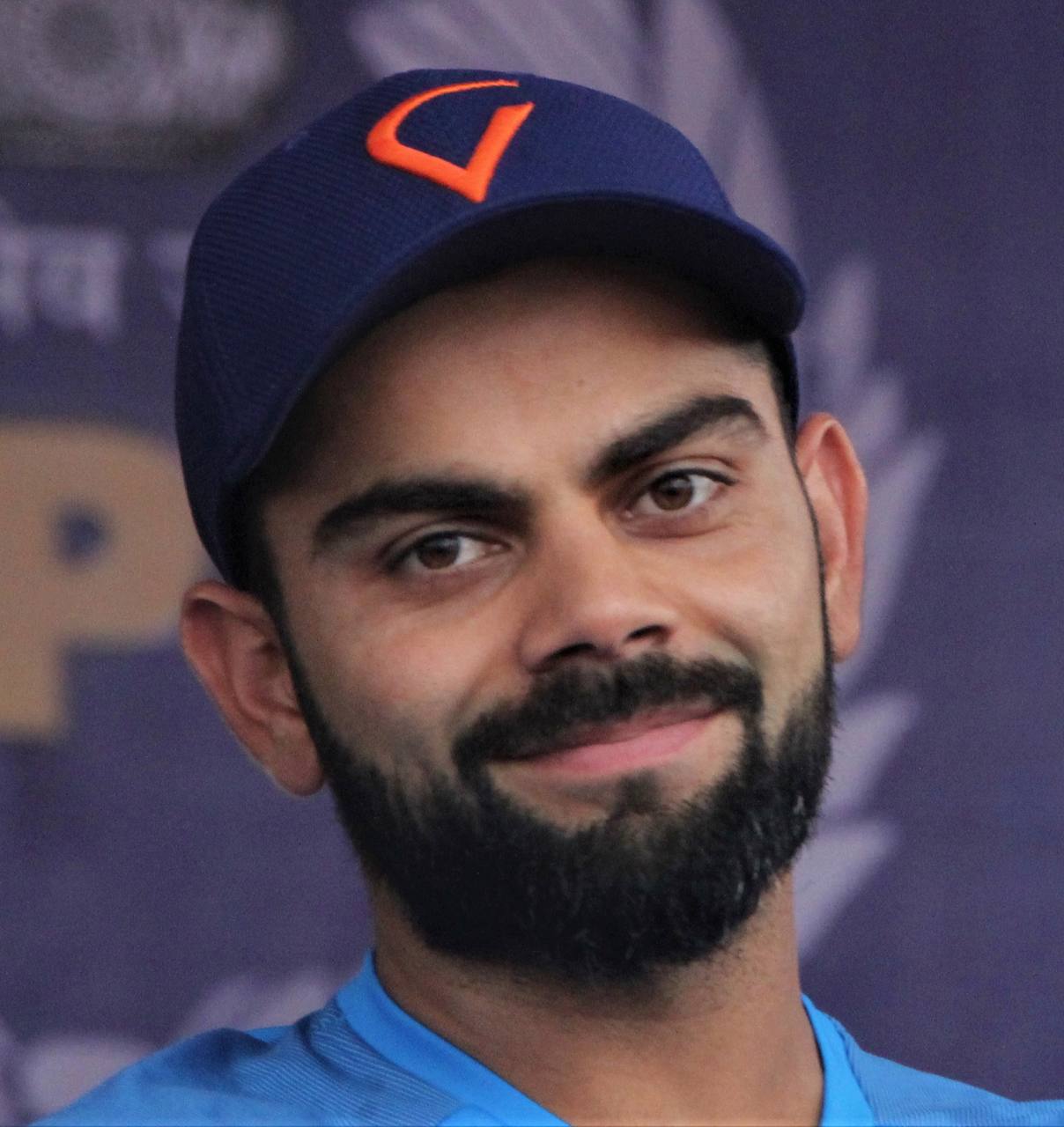
THIRUVANANTHAPURAM — Virat Kohli does not do goodbyes the way the rest of us do. On a humid Sunday evening, with the 2027 ODI World Cup debate still crackling around him, the 37-year-old walked in at 52 for 1 and did what he has done better than anyone alive: he finished it. An unbeaten 139 off 88 balls. His 55th ODI hundred. Fifteen thousand ODI runs — a club of two, and he is the only member still playing. India reached 300 for 2 in 41.4 overs after West Indies made 295 for 7. Eight wickets. Fifty balls spare. A 1-0 lead in the three-match series. The margin and milestone were confirmed in the SABC Sport match report.
The innings in numbers
This was not the Kohli of the old highlight reels — the anchor who took 90 balls to reach a hundred and then apologized for the slowdown. This was the ODI-only Kohli, recalibrated for a chase that demanded more than seven an over. He reached fifty from 40 balls and his hundred from 74, clearing both milestones with sixes. The century came when he launched Gudakesh Motie over the rope.
Nine sixes in total set a career best for Kohli in an ODI innings, alongside ten fours and a strike rate of 157.95. West Indies dropped him on 125; what followed was the sort of punishment that makes a fielding side wonder why it bothered offering a second life. Kohli finished the match with another six, turning a demanding pursuit into theatre. SportsTiger recorded the innings as his 86th international century and 55th in ODIs.
Shubman Gill, India's captain, played the perfect counterpoint: 110 from 108 balls, with 13 fours and one six, for his tenth ODI hundred. Substitute fielder Keemo Paul dropped him on 11, and West Indies never recovered from the escape. Gill and Kohli added 151 for the second wicket from 132 balls, according to Sports Digest. Rohit Sharma's 32 from 35 had already given India momentum before Alzarri Joseph removed him, while Ruturaj Gaikwad was at the crease when Kohli ended the match.
Why this matters
Put the numbers in context. Sachin Tendulkar took 377 ODI innings to reach 15,000 runs. Kohli took 303 — 74 fewer, the equivalent of several years of one-day internationals shaved from one of the game's most demanding accumulation records. He finished the evening on 15,080 ODI runs and became only the second batter after Tendulkar to cross the threshold.
Kohli now owns 55 ODI hundreds to Tendulkar's 49. His 86th international hundred advances a different historical chase, while his 42 centuries on home soil draw him level with Tendulkar's record. These are not marginal statistical updates. They change the terms of the greatest-of-all-time argument in real time, particularly because Kohli is doing this at 37, in the only international format he still plays, with every innings being examined as a referendum on 2027. Tezzbuzz noted the ODI-only phase of his international career.
The timing matters just as much as the totals. Kohli has already said the 2027 World Cup will be his last tournament for India. Sunday's innings does not guarantee he will arrive there in the same form, but it changes the burden of proof. Before this match, critics could frame selection as an act of faith in past greatness. After it, the selectors can point to current output at a pace suited to the modern ODI.
The chase and what West Indies got wrong
West Indies were not bad. Justin Greaves made his maiden ODI hundred, 101 from 108 balls with 12 fours, and John Campbell's 62 from 60 balls included six fours and three sixes. Their opening stand of 135 created a platform for a score beyond 300. Amir Jangoo's unbeaten 58 still helped push the total to 295 for 7, a target that should have forced India to manage risk deep into the innings.
The game began to tilt when 176 for 1 became 198 for 5. Four wickets fell for 22 runs, with Kuldeep Yadav's 4 for 40 across ten overs ripping out the middle of the innings. Prasidh Krishna took 2 for 60. The Kolkata Today account captured the decisive contrast: West Indies produced a competitive total, but India reached it with eight wickets and 50 balls unused.
A chase of 296 requires an opening rate of almost six runs an over and usually punishes even a brief stall. India never allowed one. Rohit supplied the first burst, Gill controlled the shape of the innings and Kohli accelerated until the target stopped looking like a target. West Indies lost the chance to stretch India during the final ten overs of their own innings; India won the game by refusing to let the required rate become pressure.
The uncomfortable lesson for West Indies is that 295 was defendable in theory, not in the conditions their bowlers created. Gill's chance on 11 and Kohli's on 125 were not footnotes. Dropping either India centurion meant asking an already thin attack to dismiss the same elite batter twice. Against a chase this organized, that is usually fatal.
Who benefits who loses
Winner — Virat Kohli: Every hundred at this stage of his career is an argument settled, and this one came with both volume and velocity. The milestones will dominate, but the nine sixes may be more persuasive to selectors planning for the next World Cup.
Winner — Shubman Gill: A tenth ODI century as captain deepens the sense that Indian cricket's handover is already complete. Gill did not need to imitate Kohli's acceleration; he needed to ensure the chase never lost its structure, and his 110 did precisely that.
Winner — Kuldeep Yadav: On a night remembered for batting, his four wickets created the difference between a chase around 330 and one India could dominate. The collapse from 176 for 1 to 198 for 5 was the match's hidden hinge.
Loser — the retirement argument: The claim that Kohli is occupying a place on borrowed time becomes harder to sustain when he is scoring at nearly 158 and finishing a 296-run pursuit with more than eight overs remaining.
Loser — West Indies' margin for error: Greaves, Campbell and Jangoo supplied enough runs to compete. The dropped catches and middle-order collapse removed the buffer their bowlers needed. A good batting night became an eight-wicket defeat.
The selectors' headache is therefore different from the one that framed the series. If Kohli continues to bat this way, the question stops being whether he makes the 2027 squad and becomes how India builds the batting order around him.
What happens next
The immediate consequence is modest: India lead 1-0, and one more win will seal the three-match series. West Indies must decide whether to change the attack or back the same bowlers to be sharper with the new ball and safer in the field. India, meanwhile, can treat the next match as another test of how Gill's captaincy and Kohli's finishing instincts coexist.
The larger consequence is narrative. Kohli now plays only ODIs internationally, concentrating his entire legacy argument into a thinner calendar of 50-over innings. Every big score shrinks the room for a retirement conversation and enlarges the room for a World Cup one. He has already told the world that 2027 will be his last tournament. The question he keeps answering with innings like Sunday's is whether “last” means fading or finishing on top.
Sources
- SABC Sport — Kohli makes history as India beat West Indies in the opening ODI
- SportsTiger — Kohli's 86th international and 55th ODI hundred
- Sports Digest — Kohli passes 15,000 ODI runs
- Tezzbuzz — Kohli and Gill centuries drive India's chase
- Kolkata Today — India completes the 296-run chase in Kerala
Reporting basis: Match figures and milestones were cross-checked across the five reports above. Analysis is Signal Post News's. Signal Post News did not have a reporter at Greenfield International Stadium.