Ukraine civilian casualties September 2026
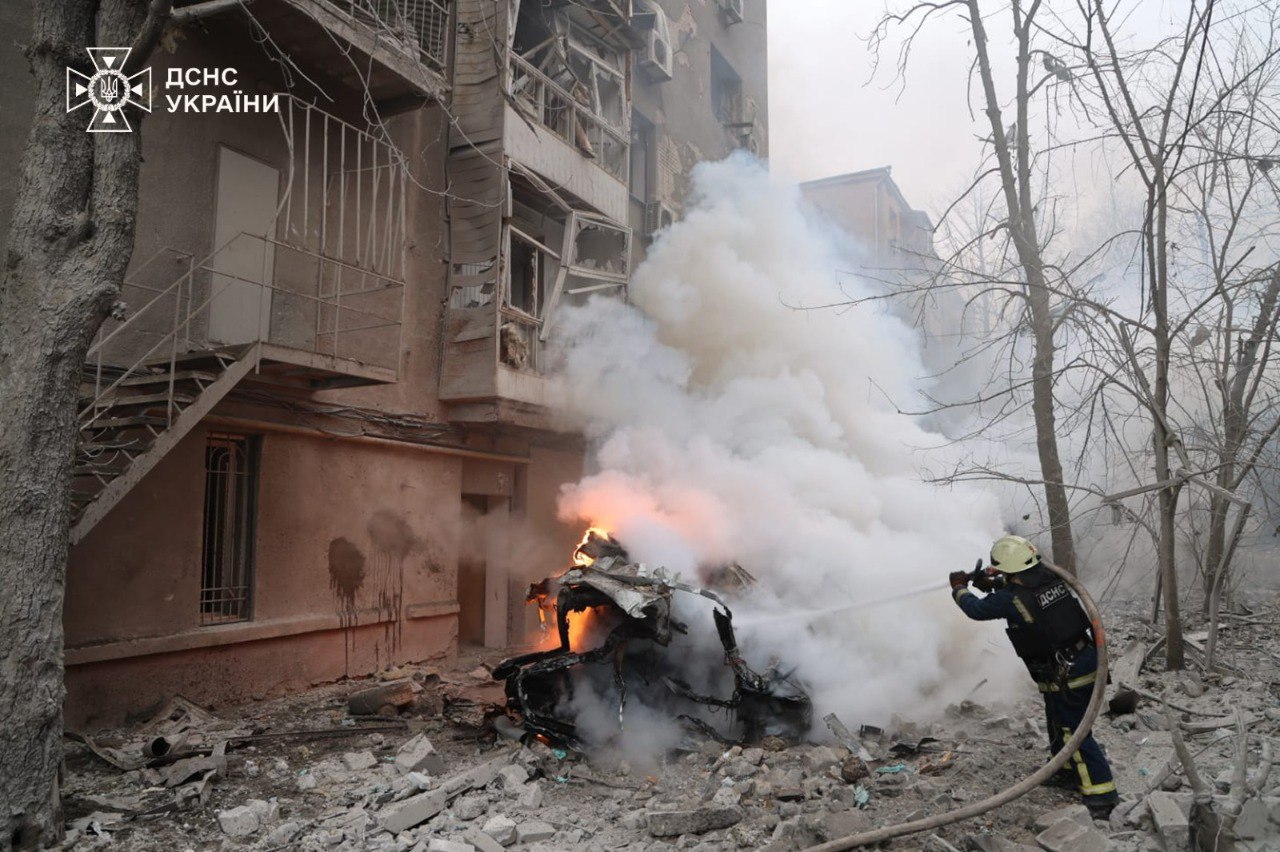
The United Nations has run out of ordinary language for what is happening in Ukraine. In an assessment published Thursday, September 25, 2026, the UN Human Rights Monitoring Mission said Russian attacks on the country have reached a "new intensity" — and the numbers behind the phrase are stark: at least 200 civilians killed and 1,234 injured between September 1 and 24. The Mission says Ukraine civilian casualties September 2026 are figures expected to rise as verification continues, and that Kyiv has now seen civilian casualties on 16 of the month's first 24 days — the highest monthly frequency since the full-scale invasion began in February 2022.
What the UN found
At least 200 killed, 1,234 injured — and counting
The assessment, published through the official UN News service, draws on the Mission's standing methodology: teams visit attack sites virtually every day and speak with victims and witnesses, and totals are revised upward as damaged or hard-to-reach areas are checked. Between September 1 and 24, the Mission recorded at least 200 civilians killed and 1,234 injured from repeated Russian attacks involving ballistic and cruise missiles, drones and guided aerial bombs, the UN said.
"This is 48 hours in Ukraine"
The latest strike the brief highlights is emblematic: on Thursday, Russian forces hit a vegetable sorting facility on a farm in Stara Hnylytsia, in the Kharkiv region, killing seven civilians and injuring 12 others, local authorities said. All were reportedly farm workers sorting vegetables at the time. "Workers have been killed while sorting vegetables. Families have been caught beneath the rubble of their homes," said Danielle Bell, head of the Human Rights Monitoring Mission in Ukraine, citing hits on shopping centres, pharmacies, food warehouses and fuel stations. "This is 48 hours in Ukraine, and it comes after months of mounting civilian casualties."
Kyiv's grimmest month
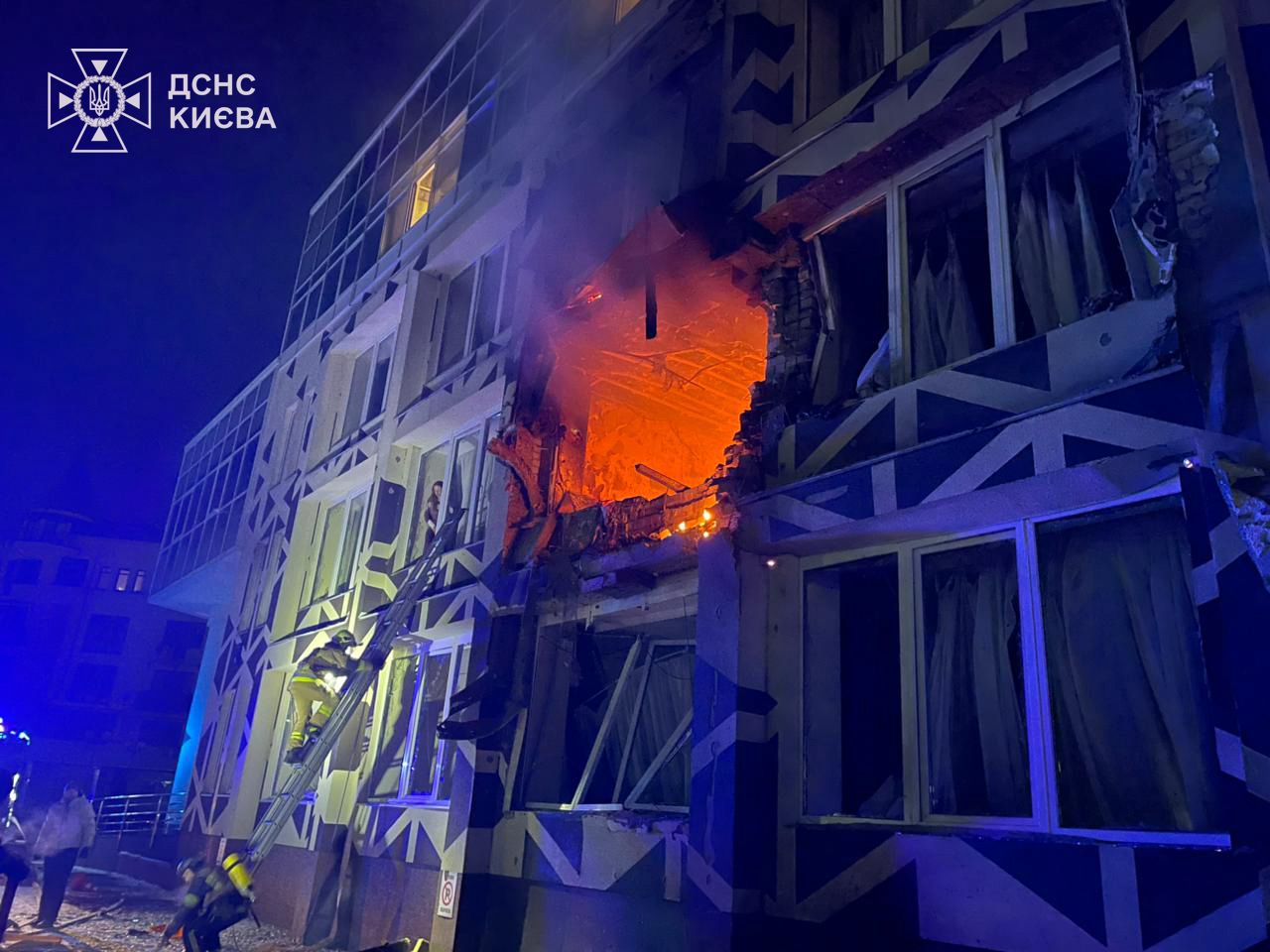
The statistic that stops you cold: Kyiv saw civilian casualties on 16 of the first 24 days of September — the highest monthly frequency since the full-scale invasion began. Odesa has also faced repeated attacks. The UN brief also notes that Ukraine has stepped up strikes on Russian territory, where local authorities report growing civilian casualties — a reminder that the reciprocal air war is claiming non-combatants on both sides of the border.
Why this matters
September 2026 is pacing toward the worst civilian toll of the war
Put the numbers in their historical frame. In September 2024, the Mission recorded 208 civilians killed and 1,220 injured across the whole month — then the highest monthly total of 2024, per the Mission's own reporting. In September 2025, the toll was at least 214 killed and almost 1,000 injured. Now, with six days still uncounted in September 2026, the figures stand at 200 killed and 1,234 injured — already past the 2024 full-month death toll and well above 2025's injury count, with the Mission warning the totals will rise. The trajectory points to September 2026 becoming the worst month for Ukrainian civilians since the invasion began — a record nobody wanted.
The "new intensity" is a strategy, not weather
What changed? The weapons did. UN reporting earlier this year noted that civilian casualties in 2026 were running roughly 20 percent higher than the same period of 2025, "largely due to the increased use of long-range weapons." The pattern the UN describes — long-range missiles and fast, high-flying drones aimed at cities, energy infrastructure, and the logistics of daily life — is the signature of a campaign designed to make the country's cities unlivable ahead of winter. Russia has spent every autumn of this war trying to cripple the Ukrainian power grid before the cold arrives; Ukraine's own reciprocal campaign against Russian refineries (see our reporting on the Novoshakhtinsk suspension) shows both sides now treat energy and civilian systems as legitimate pressure points. That is precisely the logic the UN's energy-truce discussions at headquarters are trying to interrupt.
The targeting pattern tells its own story
Bell's list is worth reading twice: shopping centres, pharmacies, food warehouses, fuel stations. Whatever the military logic behind individual strikes — Russia denies deliberately targeting civilians, as Reuters noted in its reporting on this week's Kyiv strike — the cumulative pattern the UN documents is a war against the infrastructure of ordinary life. When workers sorting vegetables on a farm become a "48 hours in Ukraine" vignette, the line between battlefield and home front has not just blurred; it has been erased.
Background: how we got here
Months of mounting casualties
September did not arrive from nowhere. The UN has described "months of mounting civilian casualties" through 2026, driven by the increased range, speed and volume of aerial weapons — Russia's newer jet-powered drones are harder to intercept, and both sides are launching reciprocal strikes deeper into each other's territory. This week's deadly strikes in Kyiv (a 14-year-old killed in the Pechersk district) and on Odesa's port infrastructure are part of the same escalation the UN is quantifying.
The winter deadline
The timing is the message. Ukraine's winter runs late October through March, and every winter of this war has been a contest of who can freeze the other first. Zelenskyy's warning at the UN this week — that Ukraine would make the coming winter "deeply painful" for Russia if an energy truce is not agreed — sits alongside a September in which Russia is systematically increasing the pain on Ukrainian cities now. The civilian toll the UN is recording is the human ledger of that strategy.
Multiple angles — who gains, who loses, what critics say
What the escalation achieves
For Russia, the logic of intensified city bombardment is coercive: degrade Ukrainian morale and the economy, strain air defenses, and strengthen Moscow's hand in any negotiation — including the energy-ceasefire talks now being discussed at the UN. For Ukraine, the reciprocal deep-strike campaign against Russian refineries applies the same coercive logic in reverse, targeting the fuel revenues that fund the war. Both sides lose in the ledger that matters most: civilians on both sides of the border are dying in growing numbers, the UN says.
The verification caveat — and why it strengthens the finding
The Mission's figures are conservative by design: it only records casualties it has verified through site visits and witness interviews, and it explicitly says totals will rise. Actual civilian deaths are therefore likely higher than 200. That conservatism is also why the finding carries weight — this is not a partisan estimate but the floor of what the UN can prove.
What the UN is asking for
The brief is also an implicit appeal. The Mission documents; it does not enforce. Bell's framing — "48 hours in Ukraine" — is aimed at the same General Assembly audience Zelenskyy addressed this week, pressing the undecided to weigh what the monthly numbers now show: a war whose civilian harm is not just continuing but accelerating.
What happens next
Six days uncounted, one winter ahead
September is not over. Six more days of strikes at the current pace could push the month's death toll past every monthly record of the war. And the strategic clock is now measured in weeks: winter arrives in late October, and both sides are positioning — Russia by escalating city bombardment, Ukraine by knocking Russian refineries offline — before the cold makes energy the war's central front.
The energy-truce fork
The one variable that could change the trajectory is the energy-related ceasefire under discussion at the UN — both sides halting strikes on each other's fuel and power assets. If it happens, the September toll may read as the escalation's peak. If it fails, September reads as the baseline for what winter will bring: the "new intensity" becomes simply the intensity. Either way, the UN's monthly numbers will be the document historians reach for — and this month, they are damning.