Six Glide-Bomb Jets in One Night: Neptune Reaches Borisoglebsk
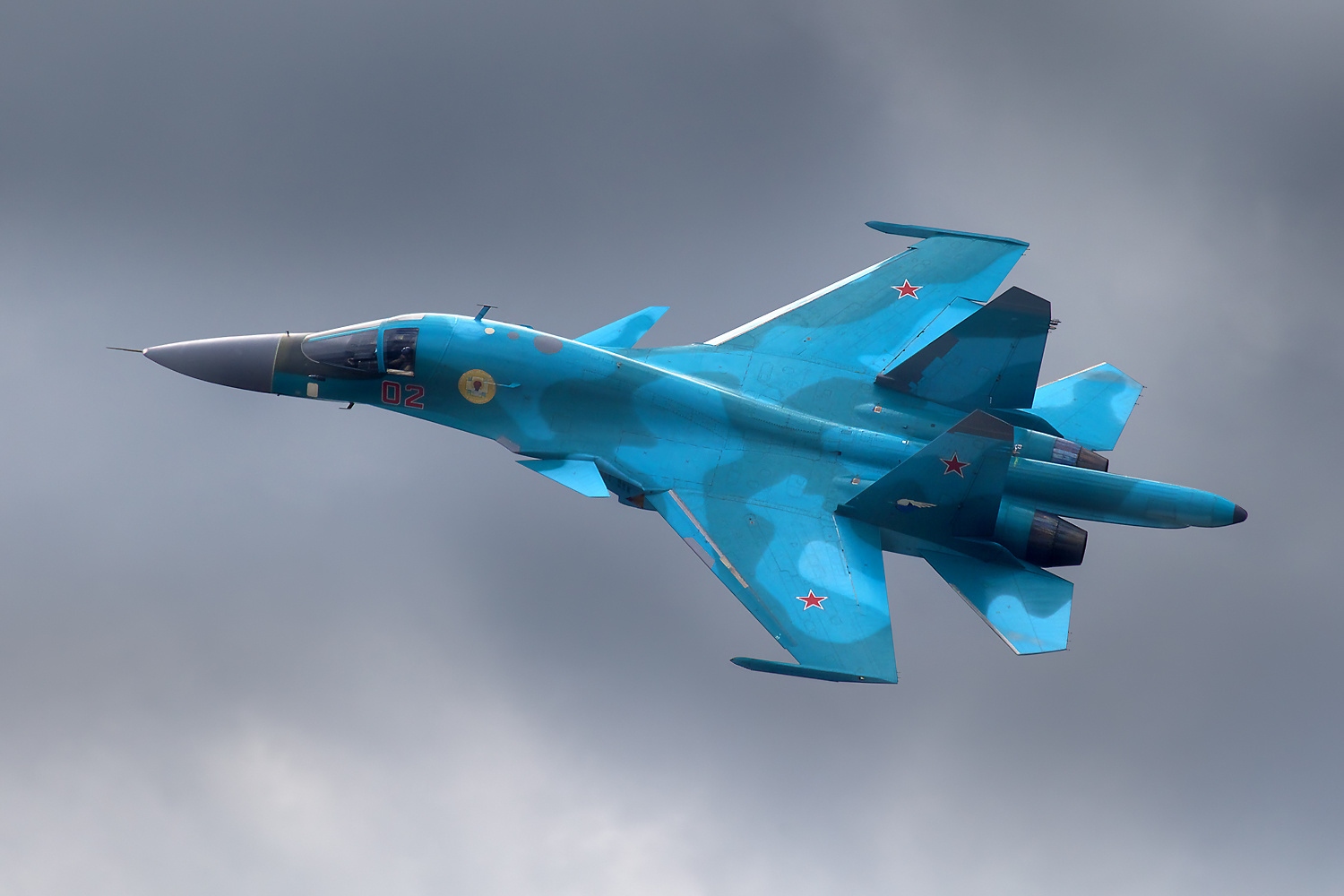
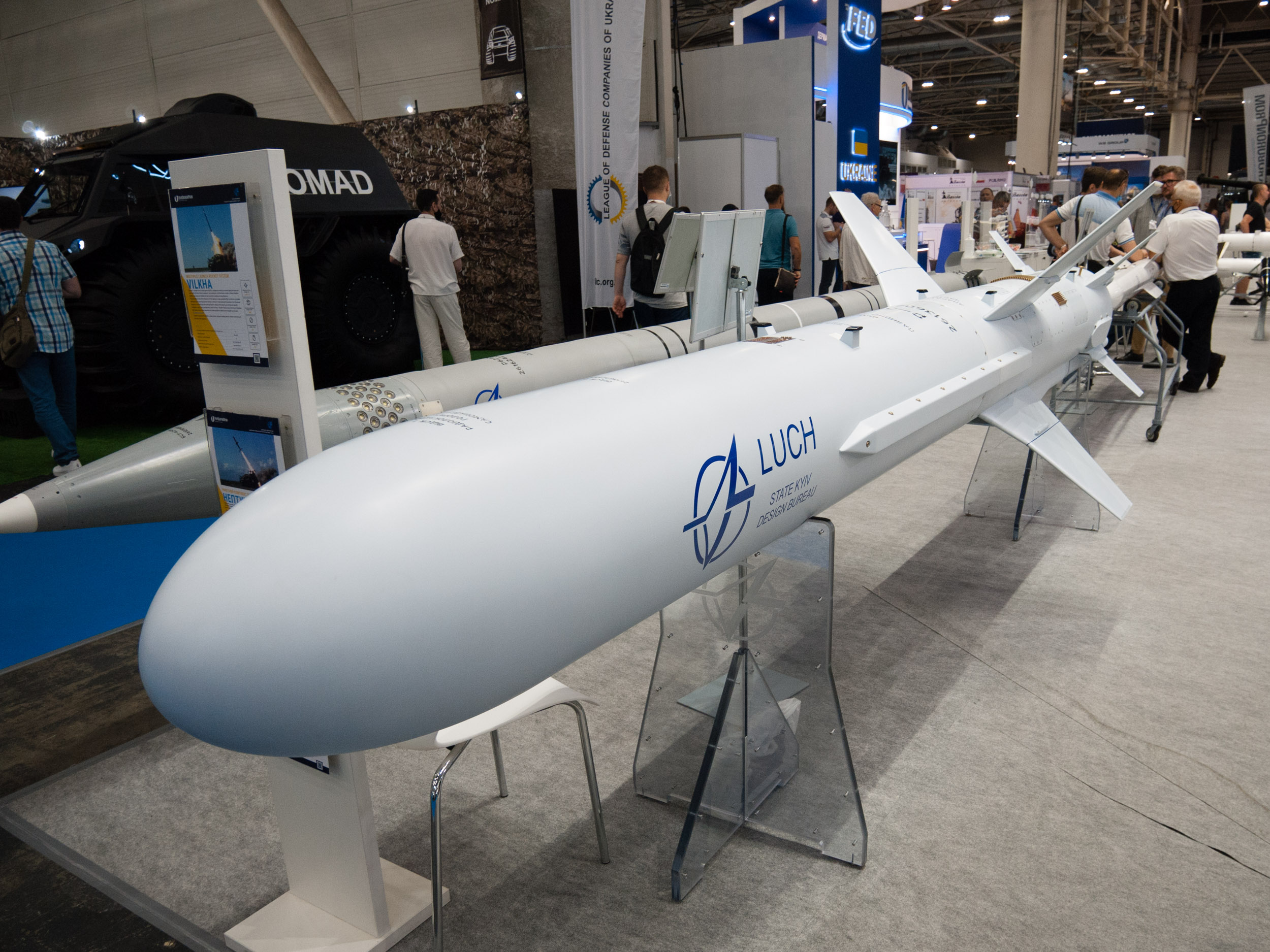
KYIV, October 15, 2026 — The jets never got off the ground. Ukraine's General Staff said on Thursday that an overnight strike on the Borisoglebsk airfield in Russia's Voronezh region had damaged six Su-34M fighter-bombers, with damage of varying degrees confirmed to all six aircraft. Ukraine's Navy said the attack was carried out with its Neptune coastal missile system — a weapon built to sink ships, repurposed to hunt aircraft on their own aprons — and that technical equipment supporting flight operations was also hit, with secondary detonations and a fire recorded at the base. Reuters reported that satellite imagery taken on Thursday and verified by the agency shows evidence of destruction at the airfield, while noting it could not independently verify every battlefield claim. Russia's Defence Ministry has published no damage assessment for Borisoglebsk.
Track it live: Ukraine war map — live front-line and strike tracker.
What the satellite pictures actually show
The strongest evidence in this story is not either government's statement — it is the before-and-after geometry of one parking apron. Satellite monitoring published on Thursday compared the base on October 13, when six Su-34 jets sat parked at the spot that was later struck, with imagery after the attack: four of the jets appear completely destroyed and two show significant damage, an assessment echoed by a second open-source review of the same imagery. That matters because it narrows the honest range of outcomes. Kyiv's claim — six aircraft damaged — is consistent with what the pictures show at that apron. What the imagery cannot yet settle is the destroyed-versus-repairable split for each airframe, and claims beyond the photographed apron should be treated as unconfirmed. On the Russian side, Voronezh Governor Alexander Gusev declared a regional missile alert late on October 14 and later said air defences had downed 33 drones and several jet-powered aerial targets during the night. He did not acknowledge any damage at Borisoglebsk. Both things can be true at once — interceptions overhead, and missiles that got through — and the satellite record indicates at least some did.
The arithmetic: one salvo against a year of production
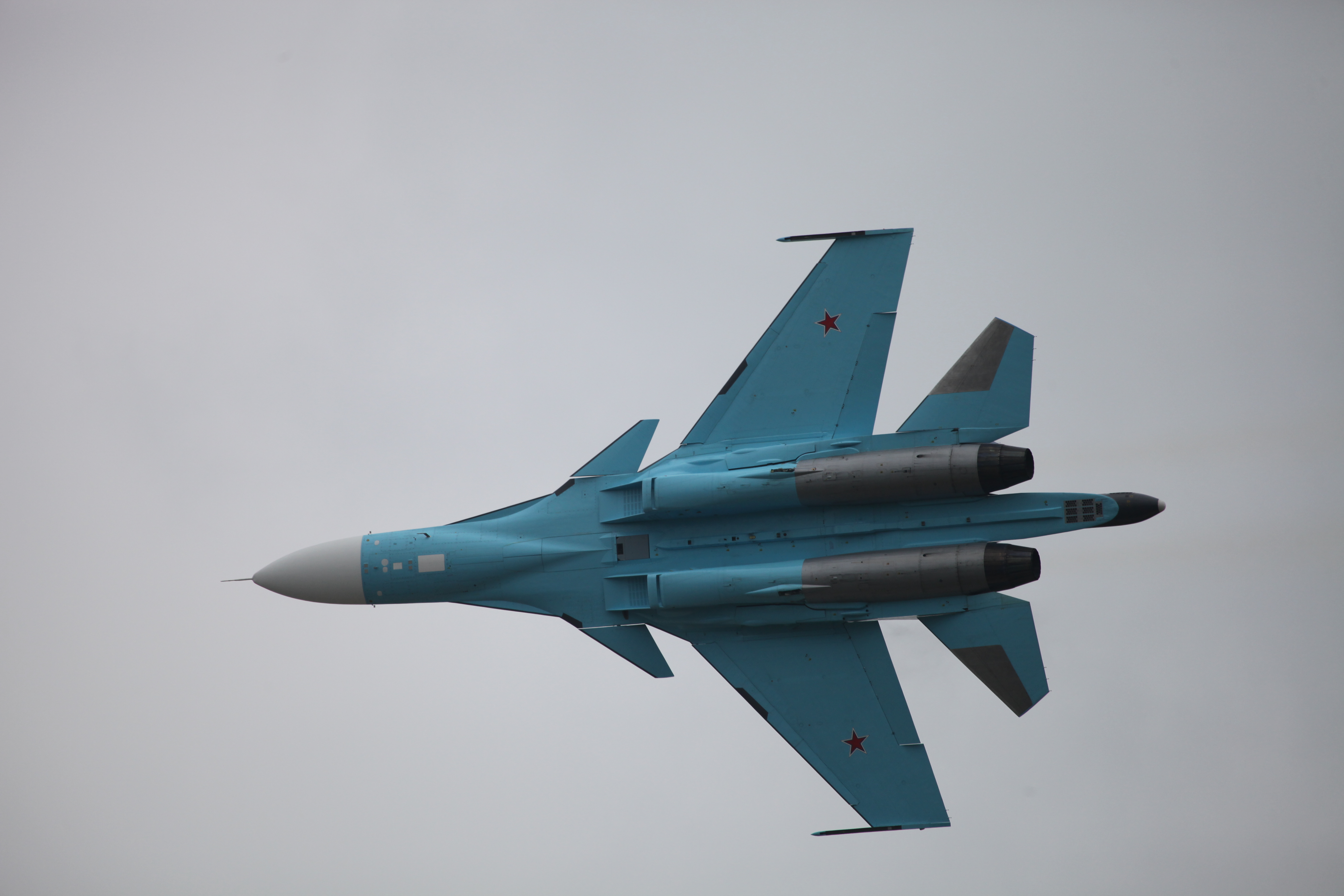
Put the claim against Russia's production line and the scale sharpens. The Su-34M is a large, modernised fighter-bomber costing tens of millions of dollars apiece, and it is one of the principal aircraft Russia uses to launch glide bombs — heavy bombs fitted with wing-and-guidance kits — against Ukrainian positions and front-line cities. Yet according to a Defense Express review of Russian industry announcements, cited by UNITED24 Media, only four to five new Su-34s had been delivered to the Russian Aerospace Forces in all of 2026 before this strike, and at least three Su-34s had already been destroyed or damaged earlier this year. If the satellite assessment of the Borisoglebsk apron holds — four destroyed, two damaged — a single night's strike will have knocked out roughly as many Su-34 airframes as Russia's factories delivered in the preceding nine months, and pushed the year's affected total to at least nine. Aircraft can sometimes be repaired; production lines cannot be hurried by press release. That asymmetry — cheap, domestically built missiles against slow, expensive airframes — is the economic core of Ukraine's deep-strike campaign, the same logic that drives its refinery strikes, including Thursday's attack on the Ryazan refinery on the same night.
Why this matters
Borisoglebsk was not chosen at random, and neither was the weapon. The airfield lies hundreds of kilometres from the front, in the category of rear-area bases Russia has treated as comparatively safe — the places where aircraft park in the open, where training and maintenance concentrate, and where glide-bomb sorties are generated away from Ukrainian air defences. Every successful strike at that depth forces the same expensive choices on Moscow: disperse the fleet and accept slower sortie rates, build hardened shelters across dozens of bases, or pull aircraft still further back and shrink the radius their glide bombs can reach. Each option costs time, money or battlefield effect. The choice of Neptune carries a second message, aimed as much at Washington as at Moscow. Neptune is Ukrainian-designed and Ukrainian-built; it does not depend on American targeting permissions or satellite services. On a week when Kyiv is publicly accusing Washington of letting early-warning alerts lapse and slowing Starlink — the dispute behind Zelenskyy's decision to resume refinery strikes — a flagship result delivered by a wholly domestic missile is a pointed demonstration that at least one layer of Ukraine's strike capability answers to no one abroad.
Balance requires the other side of the ledger. Six airframes, even if all were written off, are a small fraction of Russia's overall Su-34 fleet, and Moscow has absorbed aircraft losses before without its glide-bomb campaign collapsing; surviving jets can be redistributed, and damaged ones may fly again. Critics of Kyiv's deep-strike strategy also note that spectacular rear-area hits do not by themselves change the grinding front-line arithmetic in the east, where territory is still decided by infantry, artillery and drones at short range. Both points are fair. What they do not answer is the trend: Russia is losing modern strike aircraft on the ground at a rate its production, on the industry's own delivery figures, does not replace — and each loss lands on the specific fleet that delivers its most feared conventional weapon against Ukrainian cities.
What happens next
Three things will confirm or shrink this story in the coming days. First, sharper satellite imagery: high-resolution passes over Borisoglebsk will settle how many of the six airframes are wrecks, how many are repairable, and whether support equipment and munitions stores burned as the Navy claims. Second, sortie tempo: if Su-34 glide-bomb activity along the sectors Borisoglebsk supports measurably dips, the strike had operational effect beyond the photographs; if it does not, Russia had depth to spare. Third, dispersal: watch whether aircraft at comparable rear bases start appearing in shelters, revetments or new parking patterns — the surest sign Moscow is pricing in more Neptunes. The broader campaign context is in our Ukraine War, Day 1,695 briefing and our earlier report on September's Neptune strike on the Azov missile plant. For now, the verified core is simple enough: missiles reached a base Russia treated as safe, the satellite record shows destruction where six jets were parked, and the argument is now only about how bad the night was — not whether it happened.
Related coverage: Ukraine strikes Ryazan refinery as energy ceasefire ends · Zelenskyy says Ukraine will resume strikes on Russian refineries
Sources
- Reuters, October 15, 2026 — Ukraine says it damaged six Russian military jets in missile strike on airfield (General Staff statement on Telegram; Neptune coastal missile system; satellite imagery taken Thursday and verified by Reuters showing evidence of destruction at Borisoglebsk; Su-34M role and cost).
- Ukrainian Navy statement via Ukrinform, October 15, 2026 — Neptune strike on Borisoglebsk, technical equipment hit, secondary detonations and fire (as reported by Dagens and Aeronaut).
- AviVector satellite comparison via Defence Blog, and Exilenova+ assessment, October 15, 2026 — October 13 imagery showed six Su-34 parked at the struck apron; post-strike assessment of four destroyed and two significantly damaged (as reported by Orbit Post and Dagens).
- UNITED24 Media citing Defense Express, October 15, 2026 — four to five new Su-34 delivered in 2026; at least three Su-34 destroyed or damaged earlier this year (as reported by Dagens).
- Voronezh Governor Alexander Gusev, October 14–15, 2026 — regional missile alert; air defences downed 33 drones and several jet-powered targets; no acknowledgment of airfield damage (as reported by Dagens).