Day 1695 / The refinery pause is over — and Kyiv's power stations are burning
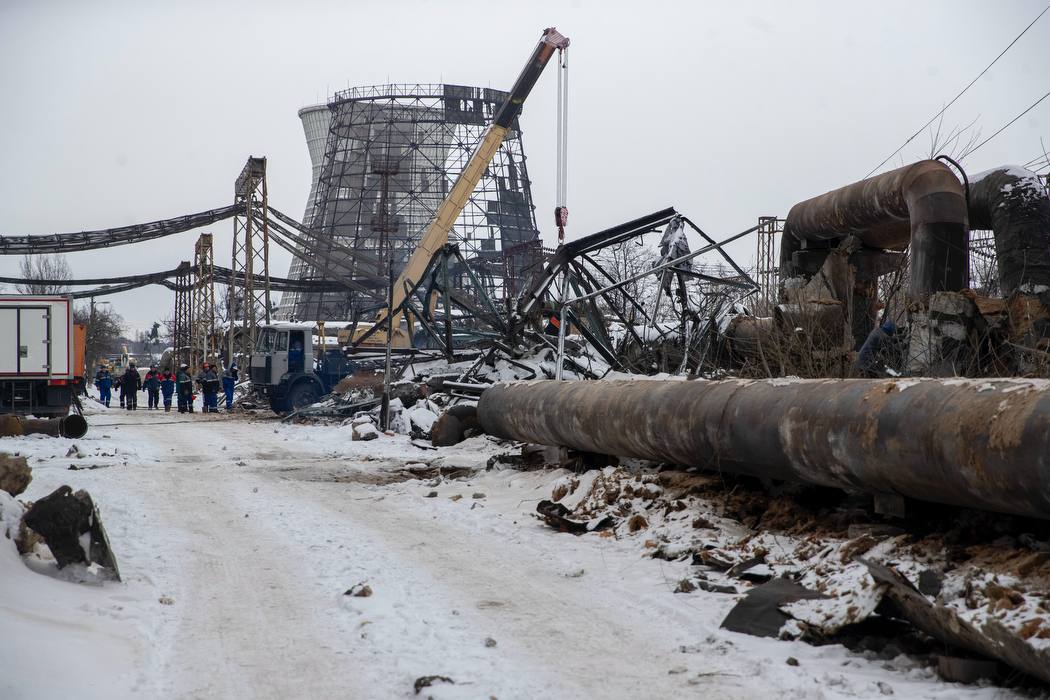
The day's defining statement came in an interview. Zelenskyy told the Financial Times on Thursday that the pause on strikes against Russian oil refineries is over — in his words, the block is out. The remark ended, publicly and on the record, a three-day experiment that Kyiv says it never agreed to in the first place, and it arrived hours after Ukrainian drones demonstrated the point over Ryazan. Our full report on the refinery decision is here; this briefing pulls the whole day together.
Track it live: Live Ukraine war map
The refinery pause ends — at Ryazan
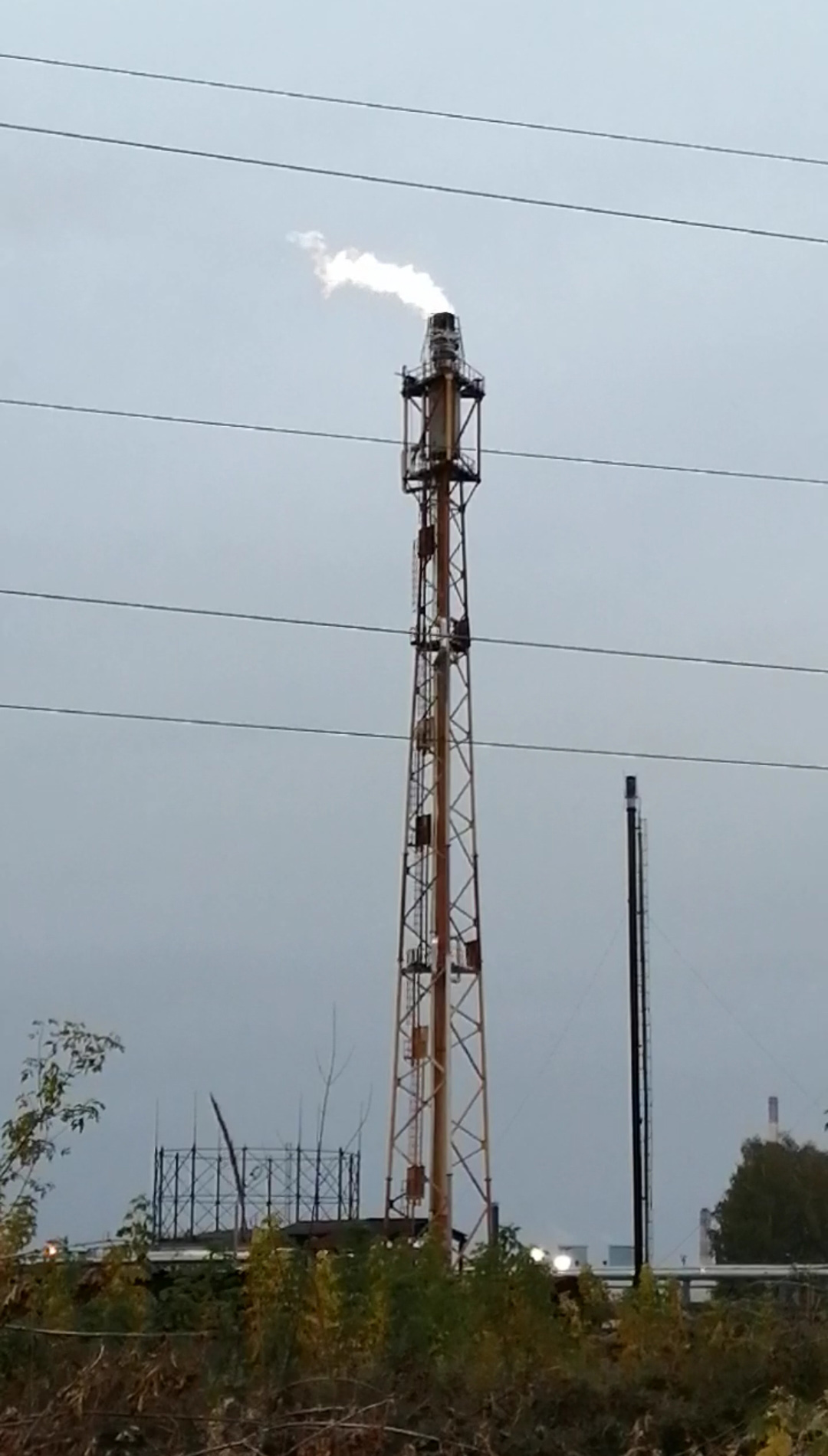
Early on Thursday, Ukrainian drones struck a refinery in Russia's Ryazan region and started a fire, according to Governor Pavel Malkov and Russia's Defence Ministry. A senior Ukrainian official confirmed the strike to the Associated Press on condition of anonymity. Ryazan, southeast of Moscow, hosts one of the larger refineries in European Russia, and it has been targeted before — which is precisely why it was chosen as the punctuation mark for the pause's end.
The history matters. Ukraine had halted refinery strikes for three days after President Donald Trump unilaterally announced an energy ceasefire on October 11. Kyiv says it received no prior notice of the announcement. The Kremlin said on October 14 that the ceasefire's extent had never been specified — while Russian attacks on Ukrainian energy infrastructure continued through the very nights the pause was supposedly in force. Zelenskyy's position, stated to the FT, is that a one-sided pause observed only by Ukraine was not a ceasefire at all. Moscow's position is that nothing was ever defined, and therefore nothing was breached. Both cannot be describing the same arrangement, because — on the evidence of this week — there was no single arrangement to describe.
Kyiv's energy front: all three power stations hit
While the refinery argument ran, Russia's campaign against Ukrainian energy continued at full weight. Overnight on October 13–14, ballistic missiles struck all three of Kyiv's combined heat and power stations — the plants that supply both electricity and district heating to the capital — along with energy sites in Kyiv Oblast, according to Prime Minister Serhii Koretskyi. Hitting all three CHPs in a single night is a statement of intent about the winter: combined heat and power is the infrastructure a city of three million cannot improvise around in January.
The scale of the drone war behind the headlines is worth stating plainly. Russia launched about 580 drones in a single night this week, including the largest attack of the war on the Kirovohrad region. In the October 14–15 attack on Kropyvnytskyi, the regional capital, at least three people were killed and six injured, the Kyiv Independent reported. Those figures sit alongside the Armed Forces of Ukraine's daily indicative estimates of Russian combat losses, updated again on October 15 — estimates Kyiv publishes as running totals, which Moscow does not confirm and which cannot be independently verified, and which we report as Ukrainian claims rather than settled counts.
The Starshield dispute — resolved, for now
The week's strangest front closed, at least provisionally, on Thursday. Presidential adviser Serhii Beskrestnov had said that speeds for moving Starshield terminals had been restricted — to around 100 mph — disrupting the guidance of Ukrainian drones in flight. Elon Musk responded that Starshield is owned and controlled by the US government, and that any limits are decided by the US military and ultimately by the president. On October 15, a Ukrainian defence-ministry source told the Kyiv Independent that connectivity for military Starlink systems had been restored. The episode leaves a structural question behind it, which our earlier report examined here: a weapons system central to Ukraine's drone war runs on infrastructure whose settings can change in Washington or in a boardroom, without Kyiv in the room.

Diplomacy: London, then Brussels backs the strikes
Zelenskyy's October 14–15 visit to London combined the two currencies he trades in: a meeting at Downing Street with Prime Minister Andy Burnham, and about 25 minutes with the King — the kind of royal audience that signals institutional, not merely governmental, support. The visit's purpose was practical: keep weapons flowing and keep Britain's new government publicly committed as the energy war escalates.
In Brussels on October 15, EU leaders meeting with Zelenskyy expressed support, and the bloc's foreign policy chief, Kaja Kallas, defended the refinery strikes directly, noting that oil revenue finances much of Russia's war. That is a significant alignment: European leaders are no longer merely tolerating Ukraine's deep-strike campaign but justifying it in public, on the same day Kyiv resumed it. One caution arrived from London's press rather than its government: The Times reported that Ukraine has run out of Patriot interceptor missiles — reported, not confirmed by Kyiv or Washington, but consistent with months of warnings about interceptor arithmetic, and a claim that will be tested by the next mass ballistic attack on the capital.
Why this matters
Day 1695 is the day the energy war's last restraint came off. The three-day pause demonstrated something both capitals now know: an unannounced, undefined ceasefire, declared by a third party, restrains only the side that chooses to honour it. Ukraine honoured it while its power stations were hit; it has now stopped honouring it, with European backing stated out loud. What follows is the logic of the campaigns themselves — Russia striking the grid Ukraine needs to survive the winter, Ukraine striking the refineries Russia needs to fund the war — each side betting its target set hurts more. Layered over that is the infrastructure dependency the Starshield row exposed: Ukraine's ability to fight the drone war runs partly through systems it does not control. Yesterday's briefing, Day 1694, traced how that dependency and the energy campaign collided; today they separated — one resolved, one escalated.
What happens next
Four things will set Day 1696. First, the refinery campaign's tempo: whether Ryazan was a one-off signal or the start of a renewed nightly rhythm will be visible within days, in Russian regional governors' own reports. Second, Kyiv's grid: how much of the damage to the three heat and power stations can be repaired before the next mass strike, and whether the Patriot report is answered with resupply announcements. Third, the ceasefire's ghost: whether Washington attempts another announcement — and whether, this time, anyone negotiates its terms first. Fourth, Brussels: whether EU support expressed on October 15 converts into the next financing and air-defence package, or remains rhetorical. Signal Post News will carry the day's developments as they are confirmed, and this briefing returns tomorrow for Day 1696.
Sources: Financial Times interview with President Zelenskyy, via The Kyiv Independent, Oct. 15, 2026; Associated Press, Oct. 15, 2026 (Ryazan strike confirmation); The Times, Oct. 15, 2026 (Patriot report); The Kyiv Independent, Oct. 15, 2026 (Kropyvnytskyi casualties; Starshield restoration). Related on Signal Post News: Ukraine War, Day 1694 briefing · Zelenskyy resumes refinery strikes · Starlink speed limit and Ukrainian drone missions.