TSMC Q3 / A sixth straight record quarter, built almost entirely on AI
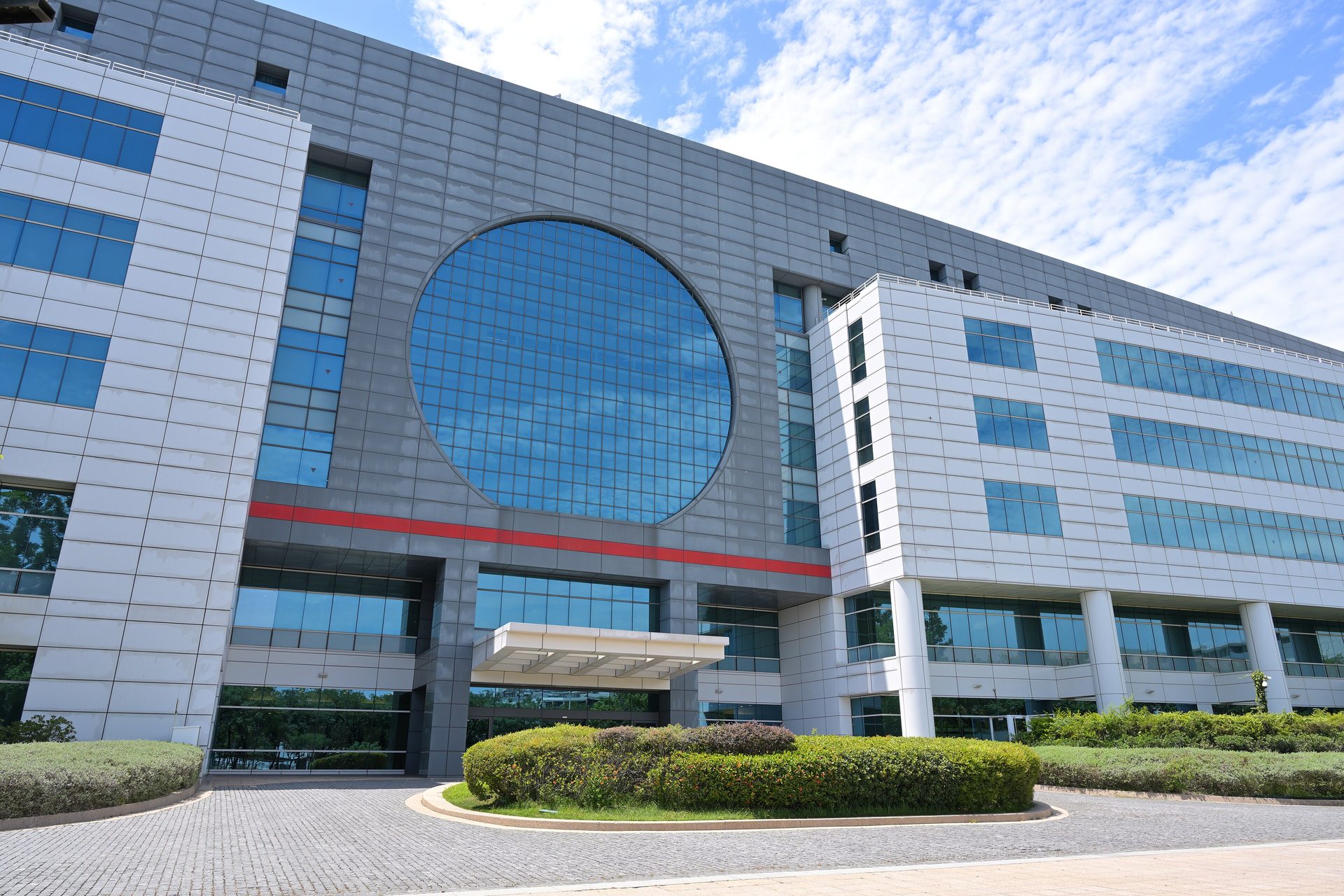
HSINCHU, Taiwan, October 15, 2026 — Taiwan Semiconductor Manufacturing Company reported third-quarter results on Thursday that beat both the market's expectations and the company's own guidance. Net profit reached NT$763.06 billion — roughly $23.6 billion — up 68.7 percent from the same quarter a year ago and 8 percent from the second quarter, ahead of the NT$746.3 billion LSEG SmartEstimate compiled from analyst forecasts. Revenue was NT$1.49 trillion, about $46.7 billion, up 50.9 percent year on year and 17.6 percent quarter on quarter — above the $44.6 billion to $45.8 billion range TSMC had guided for the quarter. Earnings per share came in at NT$29.43, against NT$17.44 a year earlier, a rise of nearly 69 percent that mirrors the profit line almost exactly.
Track it live: Markets tracker — indexes, chip stocks and the AI trade in real time.
Margins most manufacturers never see
The profitability underneath the headline is, if anything, more striking than the growth. TSMC's gross margin reached 66.4 percent in the quarter, its operating margin 58.7 percent and its net margin 51.1 percent — meaning that after every cost, tax and expense, more than half of each revenue dollar survived as profit. For comparison, a net margin above 20 percent is considered excellent in most of manufacturing; TSMC earned two and a half times that while operating the most capital-intensive factories in industrial history. The margin structure is the financial signature of a company whose product cannot readily be bought elsewhere: when customers compete for scarce capacity on a process node only one supplier can run at scale, the supplier, not the customer, sets the economics.
AI is no longer a segment. It is the business
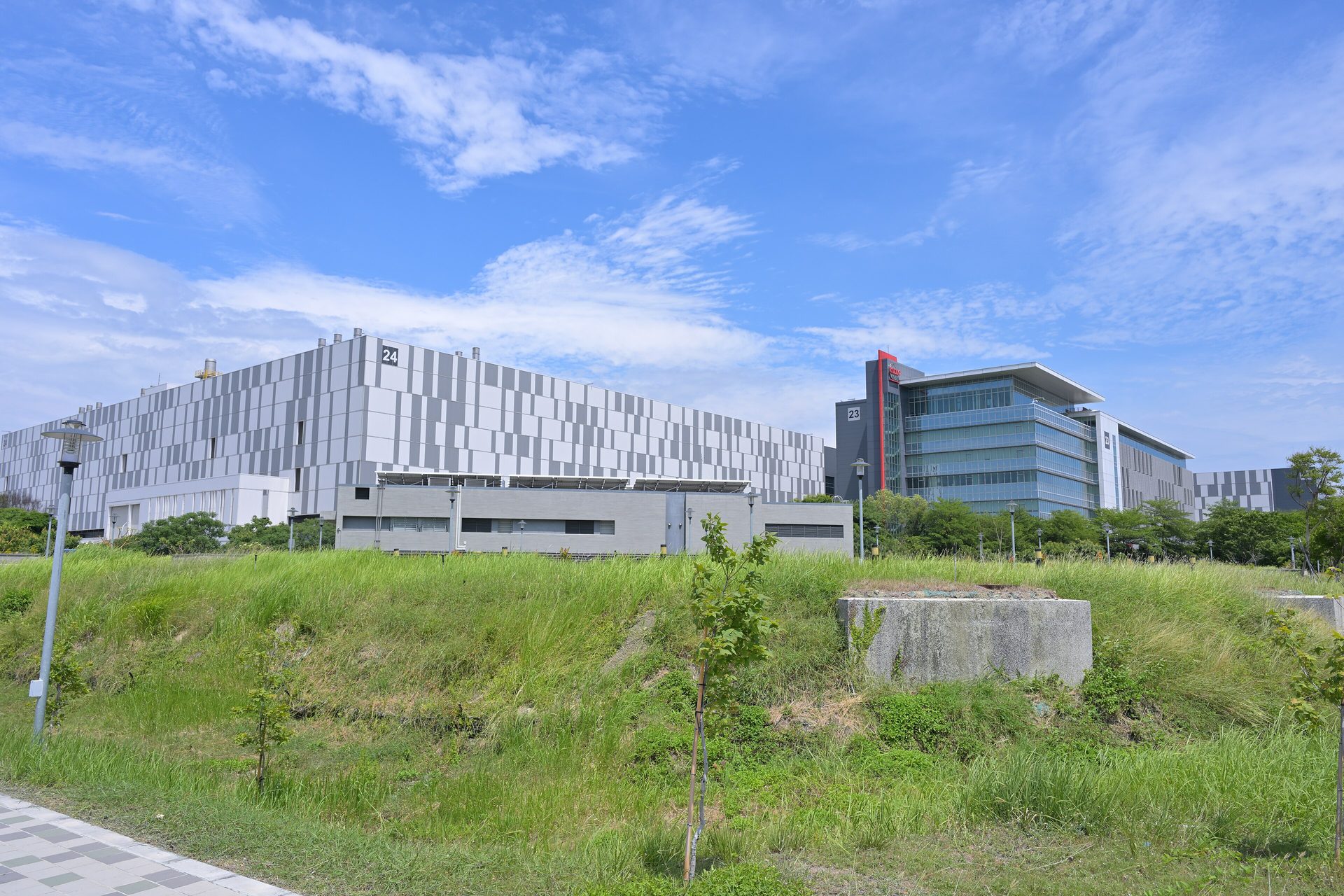
The composition of the revenue tells the deeper story. High-performance computing — the category dominated by AI accelerators and data-centre processors — accounted for 68 percent of TSMC's sales in the quarter, up from 57 percent a year ago. Smartphones, once the company's engine, contributed 21 percent. In other words, the business has inverted in a few short years: roughly two dollars in every three TSMC earns now come from computing hardware, most of it bound for AI data centres, and the phone in your pocket has become the side line. That mix shift also explains the margins, because AI customers buy the newest, most expensive wafers first and argue about price second.
The node breakdown shows the same concentration at the technology frontier. Processes of 7 nanometres and below delivered 79 percent of wafer revenue. The 3-nanometre node was the single largest contributor at 33 percent, followed by 5-nanometre at 28 percent, 7-nanometre at 10 percent, and the new 2-nanometre node at 8 percent — up from just 3 percent in the second quarter, an early ramp that matters because 2-nanometre is where the next generation of AI silicon will be built. A node going from 3 percent to 8 percent of revenue in a single quarter, at the prices leading-edge wafers command, is not a rounding detail; it is the leading edge of the company's next pricing tier arriving ahead of the industry's expectations.
Guidance that raises the ceiling again
TSMC's fourth-quarter guidance extends the run rather than ending it: revenue of $52.3 billion to $54.3 billion, a gross margin of 65 to 67 percent and an operating margin of 56.5 to 58.5 percent. The revenue midpoint implies a jump of roughly 14 percent from the third quarter's $46.7 billion in a single quarter. Capital spending for 2026 is set at $60 billion to $64 billion, and full-year revenue growth in U.S. dollar terms is expected to land near 44 percent. Numbers like these are why TSMC's market capitalisation now stands at roughly $2 trillion — approximately double that of Samsung Electronics, its nearest foundry rival, a gap that would have seemed absurd a decade ago when the two companies were spoken of as peers.
The American build-out, and a same-day contrast
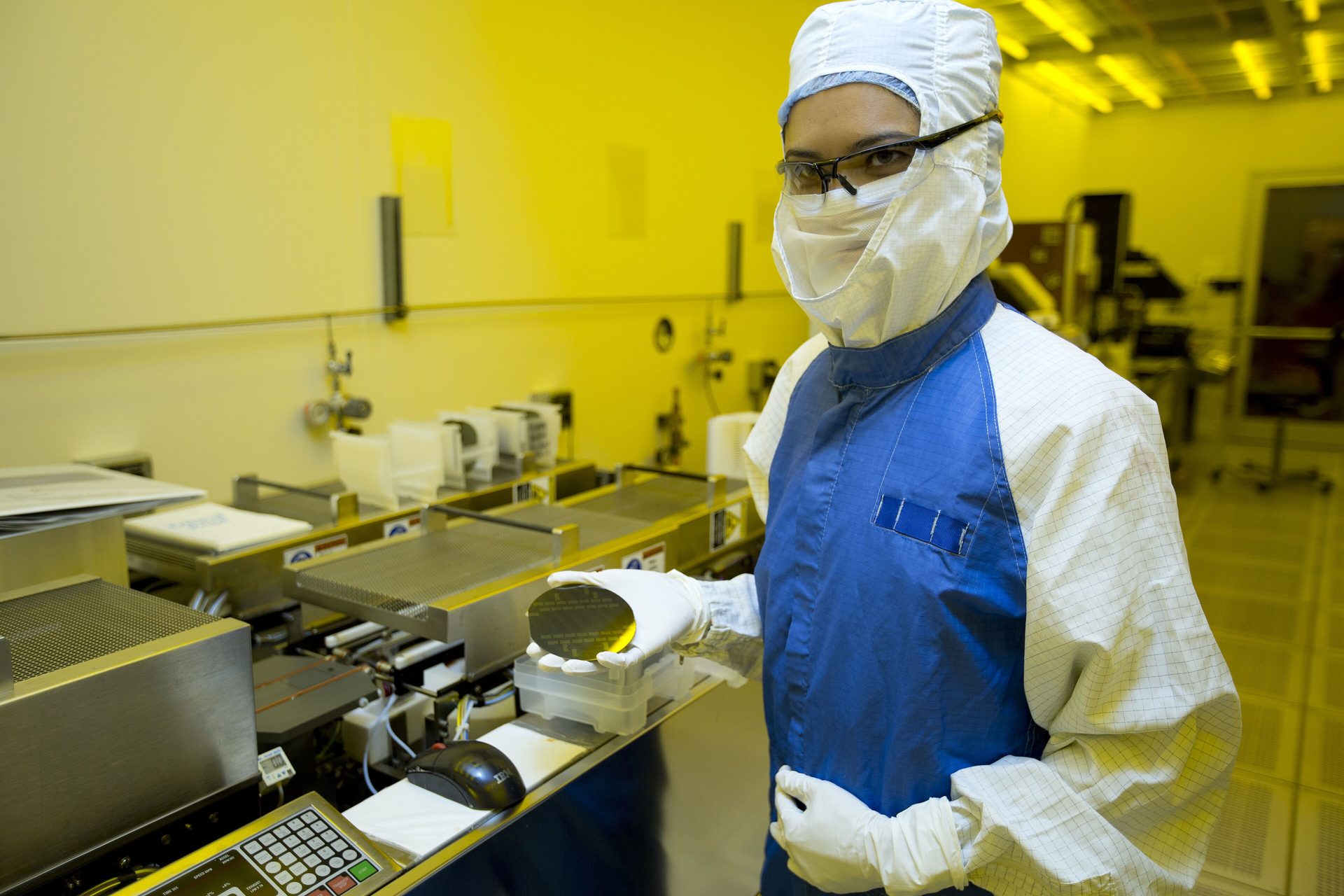
The growth is increasingly global. TSMC's investment commitment in Arizona now totals $265 billion, the largest single foreign investment programme in U.S. semiconductor history, and the company is reported to be evaluating Texas as a further site — a reflection of how firmly Washington's industrial policy, and its customers' desire for geographically diversified supply, have pulled the company's map westward. Thursday also supplied a sharp contrast in how the AI trade is being priced. On the same day TSMC reported its blowout, shares of Samsung Electronics fell 9.91 percent and SK hynix dropped 11.56 percent in Seoul amid a broad selloff in AI-linked stocks — even though the demand data underneath the sector, as TSMC and Europe's ASML both demonstrated this week, remains exceptionally strong. ASML's third-quarter revenue rose 55.2 percent to €11.66 billion with net profit more than doubling to €4.96 billion, and the Dutch equipment maker raised its full-year guidance to €44–45 billion while customers discuss orders for 2029 and 2030.
Why this matters
TSMC's quarter matters because the company sits at the narrowest point of the AI economy. Designers can announce accelerators, cloud companies can announce data centres, and governments can announce strategies, but almost every advanced AI chip, whoever designed it, is physically made in TSMC's fabs. Its order book is therefore the closest thing the industry has to a ground-truth gauge of AI demand — harder to hype and harder to fake than a keynote. A sixth straight record quarter, with guidance for a seventh in effect, says the build-out's physical layer is not slowing. The concentration is also the risk: a market capitalisation near $2 trillion, a customer base concentrated in a handful of American technology giants, and production still centred on one island means the world's AI ambitions run through a very narrow gate, and everyone in the industry knows it.
The other side: what the sceptics argue
The cautious case is not that TSMC executed badly — plainly it did not — but that perfection is now the price of admission. At roughly double Samsung's market value, the shares embed years of exactly this growth, leaving little room for a capex digestion pause by the big cloud buyers, a delay in the 2-nanometre ramp, or a geopolitical shock in the Taiwan Strait. Critics also note that HPC's rise to 68 percent of revenue cuts both ways: the same concentration that supercharges growth in an AI upcycle would amplify any downcycle, and the smartphone business that once cushioned chip downturns is now only a fifth of sales. TSMC's supporters answer that scarcity is structural, not cyclical — advanced capacity takes half a decade to build, the Arizona programme diversifies the footprint, and a 51 percent net margin is its own cushion. Both arguments can be true at once; the quarter supports the bulls' facts while leaving the bears' valuation question open.
What happens next
Three things will test the story. First, the fourth quarter itself: whether revenue lands inside the $52.3–54.3 billion guide would confirm a seventh consecutive record. Second, the 2-nanometre ramp — if its revenue share climbs from 8 percent toward the levels 3-nanometre reached, gross margin has room to hold near the guided range even as new fabs dilute it. Third, the American expansion: further detail on the reported Texas evaluation and the pace of Arizona's build-out will shape how much of this record output is made outside Taiwan by the end of the decade. For now, the scoreboard is unambiguous. On the day AI stocks were being sold in Seoul, the company that actually manufactures the AI future reported the most profitable quarter in its history — and guided for a bigger one.
Sources: TSMC official third-quarter 2026 results release, reported by Reuters and CNBC, October 15, 2026; Aju Press, October 15, 2026, on the Seoul selloff in Samsung Electronics and SK hynix; Seoul Economic Daily, October 15, 2026. Related on Signal Post News: ASML says AI demand will outrun its chip-tool supply in 2027 and 2028; OpenAI revenue and the tech selloff; Asian stocks sell off as Kospi and Nikkei slide on hot CPI.