KOSPI plunges 7.7% — Asia's AI trade crumbles after hot U.S. CPI
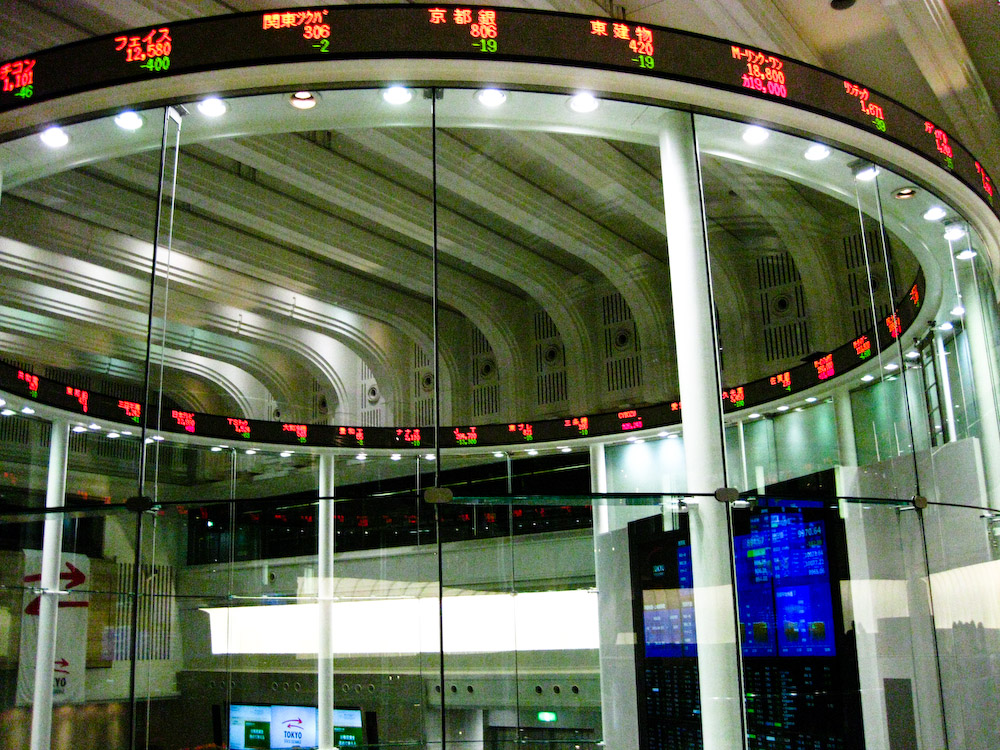
SEOUL / TOKYO, October 15, 2026 (Asia time) — The selling started in New York and arrived in Asia with interest. After U.S. stocks logged a third straight decline on Wednesday — the S&P 500 down 1.1 percent, the Nasdaq Composite down 1.9 percent and a benchmark semiconductor index down 4.3 percent for a sixth straight fall — Asian markets opened Thursday, October 15 in Asia (Wednesday evening in the United States), already braced for pain. What they got was worse than the early futures had suggested. Reuters' first snapshot had the MSCI Asia-Pacific index outside Japan down 1.2 percent, led by a 5.6 percent early plunge in Seoul. By later in the session, the Associated Press was reporting far deeper losses: the KOSPI down 7.7 percent to 5,548.78, and the Nikkei 225 down 4.8 percent to 64,489.06.
Track it live: Markets tracker — indexes, oil, crypto and the Fed trade in real time.
The chip giants took the hit
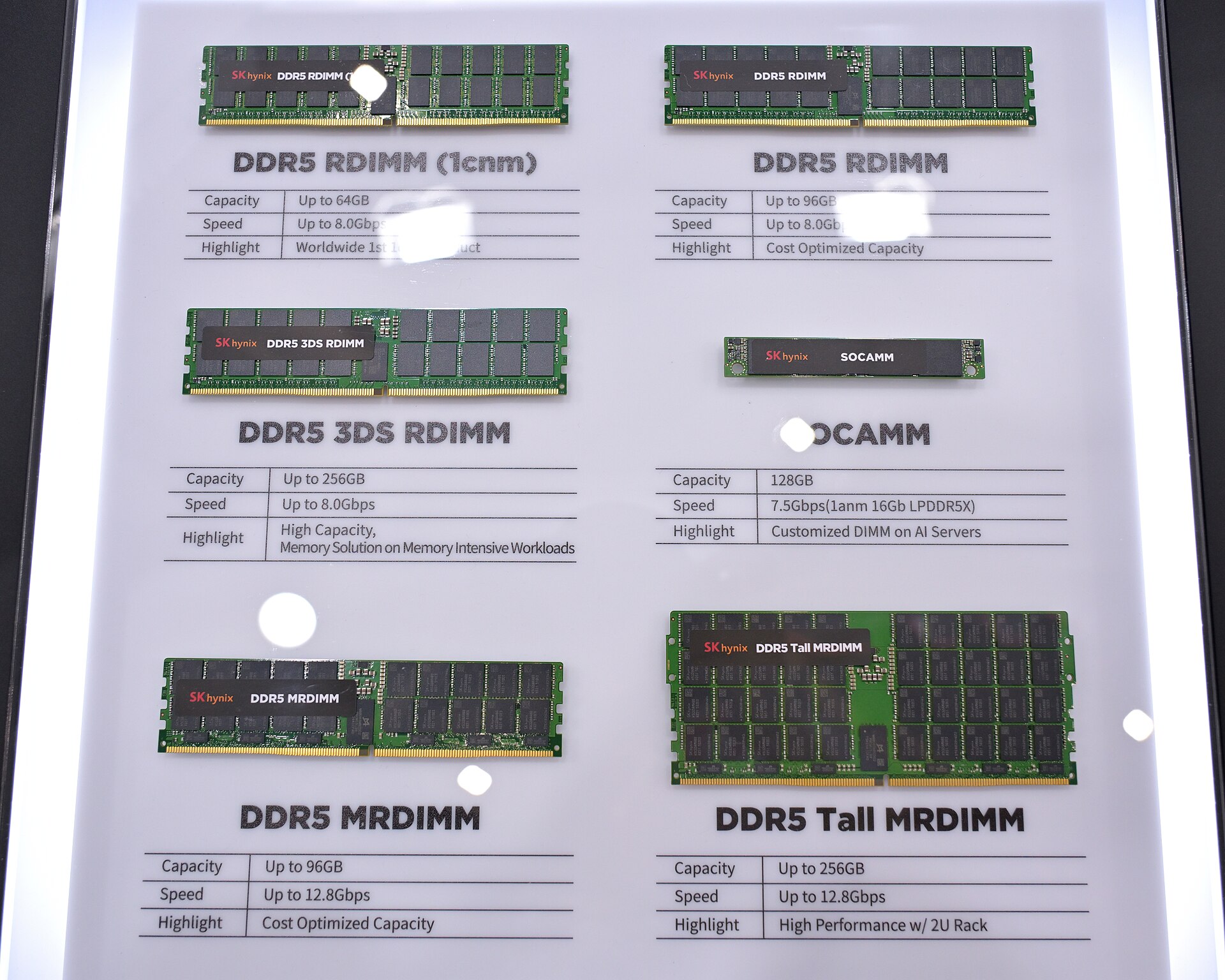
This was, above all, a semiconductor rout. In Seoul, Samsung Electronics slid 9.5 percent and memory-chip maker SK Hynix plunged 11.4 percent — the two stocks that dominate the KOSPI and sit at the heart of the global AI hardware supply chain. In Tokyo, SoftBank Group, the Nikkei's most direct bet on OpenAI, lost 9.4 percent; chip-equipment maker Tokyo Electron dropped 7.3 percent and memory maker Kioxia fell 11.2 percent. Taiwan's Taiex fell 3 percent, with TSMC down 2.2 percent ahead of its earnings report. The damage thinned with distance from the chip trade: Hong Kong's Hang Seng fell 1 percent to 24,071.25, Shanghai slipped 1.4 percent to 3,713.22, and Australia's ASX 200 was nearly flat, down 0.1 percent.

The pattern tells its own story. Markets did not fall in proportion to their economies; they fell in proportion to their exposure to one trade — borrowed-money bets on AI infrastructure. Korea and Japan, whose indexes are stacked with the memory, equipment and holding-company names that rode the AI boom highest, fell hardest. Pepperstone's Chris Weston described Asia as facing "another difficult session," pointing to leveraged ETF flows and AI-infrastructure credit risk. JPMorgan analysts made a similar distinction in a note reported by Reuters: the inflation print started the selloff, but technology — and the financing behind it — drove it.
One decimal point in Washington, a rout in Seoul
The trigger was a single U.S. data release. The Labor Department's September consumer price index rose 3.7 percent from a year earlier, above the 3.6 percent economists expected and up from 3.4 percent in August. Core inflation, which strips out food and energy, rose 0.3 percent on the month against 0.2 percent expected, and 2.6 percent on the year. None of those misses is large in isolation. Their importance is what they do to the Federal Reserve's next decision, on October 28. Futures pricing tracked by CME FedWatch put the implied chance of a 25-basis-point rate hike at 31.6 percent in Reuters' early snapshot, up from 22.1 percent a day earlier — and some intraday snapshots ran higher still. A hike, not merely a hold, is now a live scenario, and every AI valuation built on cheap, abundant financing has to be re-underwritten against it.
Put the KOSPI's fall in context and it sharpens. The index crossed 9,000 in June at its all-time high, powered by the same AI optimism now unwinding; Thursday's close near 5,549 leaves it roughly 38 percent below that peak. Seoul has now suffered three violent chip-led sessions in four trading days — a CXMT-driven plunge on October 12 and a 5.46 percent fall on October 13 preceded Thursday's drop — but Thursday's was the largest and the first driven primarily by U.S. monetary policy rather than by chip-industry news itself. That change of driver matters: industry scares fade when the next earnings report lands; a repricing of the world's risk-free rate does not.
Why this matters
Asia's selloff is the cleanest evidence yet that the AI trade has become a rates trade. The region's chip champions have not reported collapsing demand — TSMC's earnings, due imminently, are expected to show the opposite — yet their shares can lose a tenth of their value in a session because a U.S. inflation print moved a probability in Chicago by ten points. That is the signature of crowded, leveraged positioning: when everyone owns the same stocks for the same reason, the exit is narrow, and prices gap instead of gliding. For Korean and Japanese households, whose pension and retail money followed the indexes to record highs this summer, the drawdown is no longer an abstraction. For policymakers, the dilemma is symmetrical to Washington's: local central banks cannot ease into a Fed that may be about to tighten without pressuring their currencies.
There is a counter-case, and honest analysis has to state it. Bulls note that the underlying AI build-out — data centers, power contracts, memory orders — has not been cancelled, that Samsung and SK Hynix remain the world's indispensable memory duopoly, and that every previous 2026 chip scare, including this week's CXMT shock, was bought within days. If U.S. producer prices or the next Fed speeches soften the hike talk, the same leverage that amplified Thursday's fall can amplify a rebound. Both readings can be true at once: the businesses can be sound and the stocks can still have been priced for a world — cheap money forever — that September's CPI just made less likely.
What happens next
Three dates now run the story. First, TSMC's earnings will test whether AI demand is still accelerating in fact, not just in narrative; a strong report with raised guidance is the bulls' best circuit-breaker. Second, U.S. producer-price data will either confirm September's consumer-price heat or give the Fed room to breathe. Third, the Federal Reserve's October 28 meeting — with hike odds having moved from roughly one-in-five to roughly one-in-three in a day, and swinging intraday — will decide whether Asia's rout was a warning or a beginning. Until then, expect the KOSPI and Nikkei to trade less on Seoul and Tokyo news than on every word out of Washington. That, more than any single percentage fall, is what Thursday exposed.
Sources: Reuters, "Asian markets sell off as AI trades crumble after hot US CPI data," Oct. 15, 2026; Associated Press, Asian markets report, Oct. 15, 2026 (via The Hindu BusinessLine); U.S. Bureau of Labor Statistics September CPI release, as reported Oct. 14, 2026. Related on Signal Post News: Stock Market Today October 14, 2026: Hot CPI Puts a Fed Rate Hike Back in Play and KOSPI's October 12 CXMT chip selloff.