Trump Youngstown rally Husted immigration: President Donald Trump campaigned at the Covelli Centre on Monday for Sen. Jon Husted — and made immigration, including a claim the Associated Press states was false, the centre of the pitch.
Ohio midterms / Trump attacks Somali and Haitian immigrants at Youngstown rally for Husted
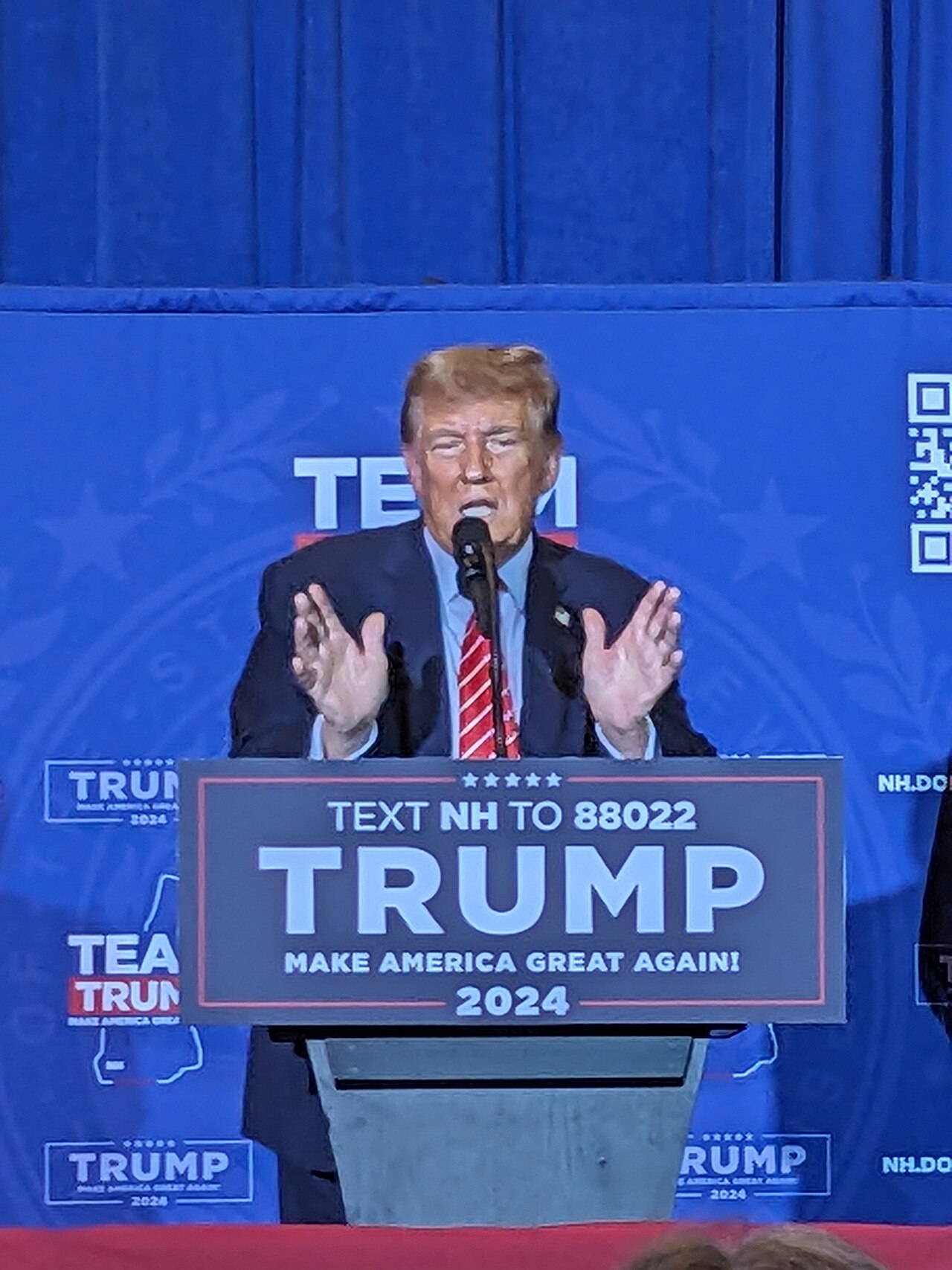
President Donald Trump used a campaign rally in Youngstown, Ohio, on Monday to attack Somali and Haitian immigrants while campaigning for Republican Sen. Jon Husted, whose hold on a Senate seat he was appointed to last year will be decided by voters on November 3. In a speech lasting nearly 90 minutes, Trump linked Minnesota's Somali community to Haitians in Springfield, Ohio, and returned to an allegation from his 2024 presidential debate that the Associated Press states was false: that Haitian immigrants in Springfield were eating pets. Referring to those allegations, he said, "I was right," and boasted that his administration's policies were driving Haitians out of the country.
"If you want to stop Ohio from being plundered, ransacked and destroyed like Minnesota is being destroyed, we're going to stop it. Just like we did with Springfield, we're not going to let it happen," Trump told the crowd, according to the Associated Press. The remarks were the centrepiece of an event built to do a specific job — hold a Senate seat Republicans cannot easily spare — and they set the terms on which both parties will now fight the last three weeks of the Ohio race.
What happened at the Covelli Centre
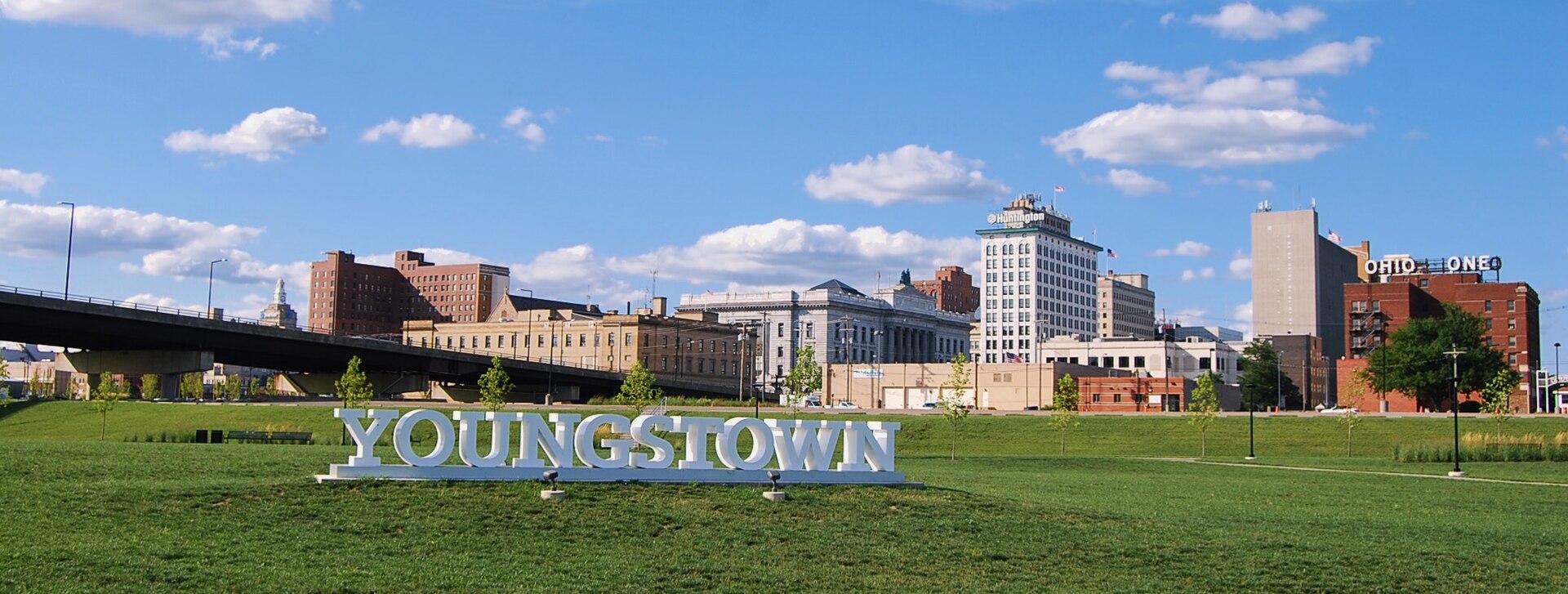
The rally filled the Covelli Centre, the downtown Youngstown arena where Trump had campaigned before, including on a "thank you" tour stop in 2017. Husted is not an elected incumbent in the usual sense: he was appointed to the Senate in 2025 after JD Vance left the seat to become vice president, and the November 3 special election will decide who serves the remainder of the term. His opponent is Sherrod Brown, the Democrat who represented Ohio in the Senate for three terms before losing his own re-election bid in 2024 and who is attempting a comeback in a state that has moved steadily toward Republicans.
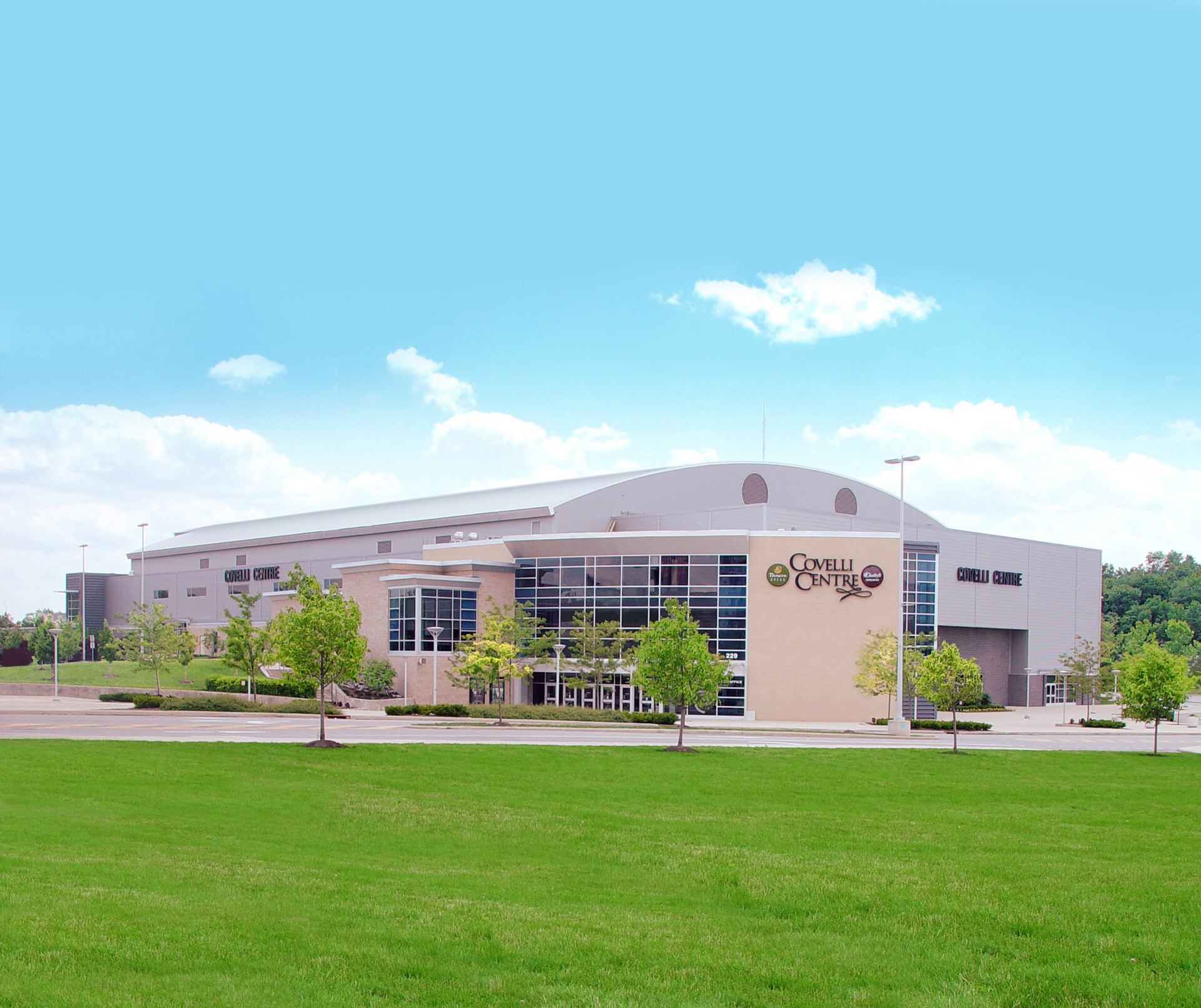
The Youngstown stop was Trump's second Ohio rally within a week, after an appearance in the Dayton area, and it opened a run of campaigning in states he carried comfortably in 2024. That itinerary is itself the context: presidents campaign in safe states in October when their party's problem is turnout among its own voters rather than persuasion of undecided ones, and Republican strategists have been open about the risk that supporters who vote when Trump is on the ballot stay home when he is not. The Akron Beacon Journal reported that the evening also had a harder rhetorical edge beyond immigration: speakers described Democrats as communists and Marxists, Trump blamed the media for voters' affordability concerns, and — in the night's most unusual promise, as reported by the Beacon Journal — he offered to pay $5,000 to each voter if Republicans won both houses of Congress. Three protesters were escorted out during the event, the Beacon Journal reported.
The Springfield claim, and the record
The claim at the centre of the speech has a documented history, and it is important to state it plainly. During a presidential debate in 2024, Trump alleged that Haitian immigrants in Springfield were eating residents' pets. The Associated Press states that the claim was false. Reporting at the time traced it to an unverified social-media post; the woman who first posted it later deleted it and apologised, saying she had no evidence for it, and Ohio's own Republican local and state officials disputed it in 2024. In Springfield, the allegation was followed by bomb threats and hoaxes directed at schools and public buildings, local officials said.
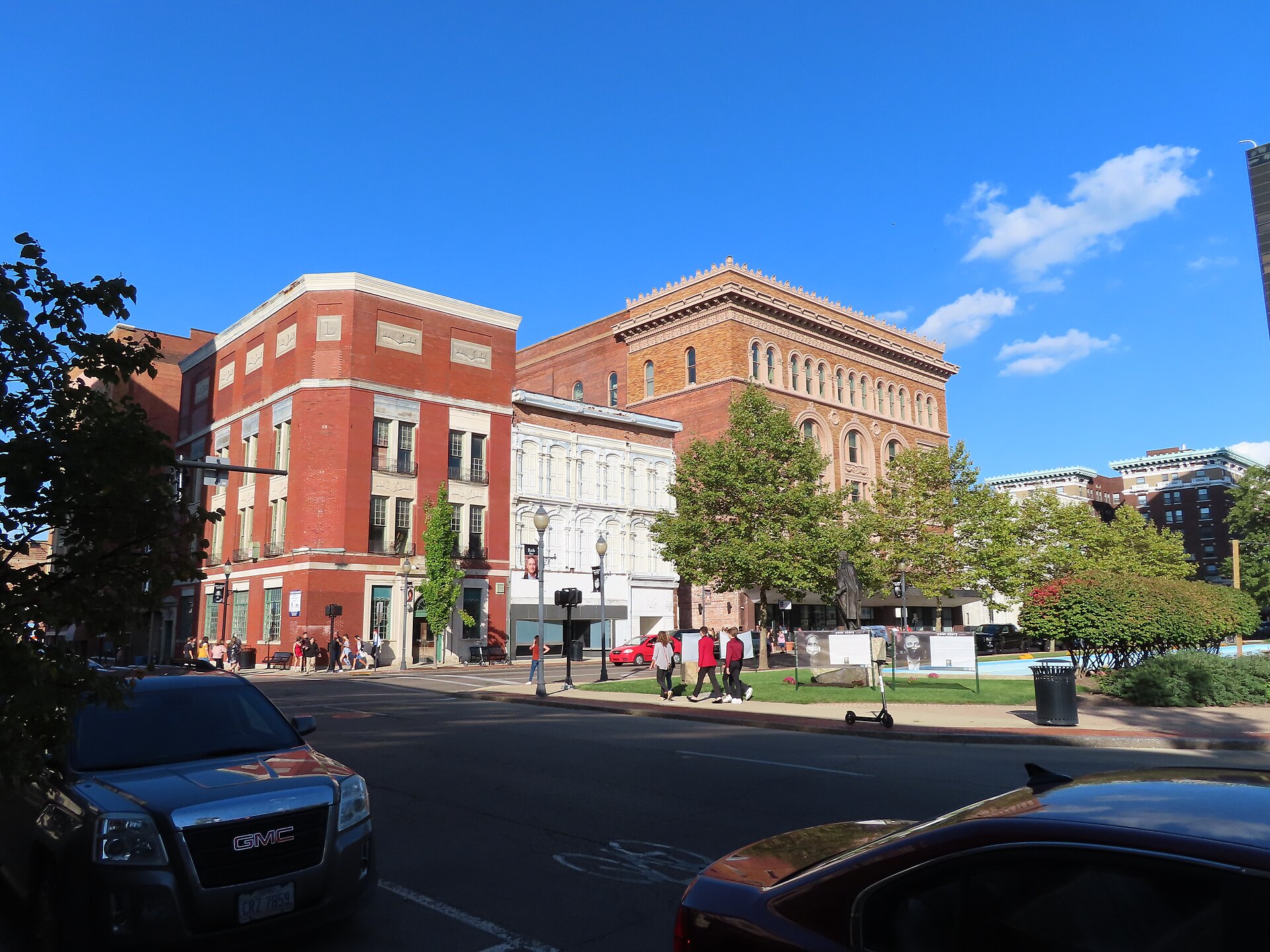
On Monday, Trump did not retreat from any of it. He said Haitians were being driven out of the country by his administration's policies and presented Springfield as a place his voters had taken back. The underlying population facts are not in serious dispute: roughly 15,000 Haitians settled in Springfield, a city of about 60,000, in recent years, many of them legally under federal humanitarian protections that the Trump administration has since moved to end, affecting more than 350,000 Haitians nationwide. What is in dispute is the characterisation. Supporters of the administration describe Springfield as a small city overwhelmed by a rapid influx it never voted for, with real strains on housing, schools and clinics. Springfield's Haitian residents and their defenders describe a community of workers and churchgoers who filled jobs in a shrinking industrial city and who were then made the face of a claim that was not true. Both of those descriptions were part of the 2024 argument; Monday's speech ensures they will be part of the 2026 one as well.
Omar, the chant, and the same-day search
The Minnesota half of Trump's argument had a live-news backdrop. The Beacon Journal reported that the Youngstown crowd chanted for the deportation of Rep. Ilhan Omar, the Somali-born Minnesota Democrat whom Trump attacks frequently. The chant came on the same day that Homeland Security agents searched Omar's Washington home — a development Signal Post News has covered separately, and one that gave the rally's Minnesota passages an immediacy they would not otherwise have had. Trump also disparaged Somali immigrants in terms he has used before, and conjured out-of-state Democratic figures as threats alongside Brown himself.
Democrats' response, where it came, was aimed less at the rhetoric than at the record. Before the rally, Mahoning County Democratic Party chair Christopher Anderson held a news conference outside the Covelli Centre recalling Trump's 2017 visit to the valley, when he urged residents not to sell their homes and promised shuttered factories would reopen; within two years, Anderson noted, the GM Lordstown assembly plant had closed, taking thousands of jobs with it. After the rally, Brown himself went at Husted rather than Trump, describing his opponent as a "special interest guy" in Columbus and now in Washington, and arguing that the system had become more rigged in the last two years. In an emailed statement highlighted by the Business Journal Daily, Brown accused Husted of championing data-centre development and tax breaks for large technology companies while Ohioans pay higher electricity costs — an affordability argument Brown's campaign has made central, and a notable counterpoint to a night on which the president blamed the media for affordability concerns.
The mailer fight working the race's other flank
While Trump worked the rally crowd, a quieter fight has been running in Ohio mailboxes. A Republican-tied group, Enough Promises Ohio PAC, has sent mailers promoting Greg Levy, an independent candidate who describes himself as a socialist, in an apparent attempt to draw votes from Brown. The Associated Press reported that the group was founded on September 29, has not yet had to disclose its contributors, and paid a firm called Seven Farms more than $397,000 in a single week for printing, postage and mail services supporting Levy or opposing Brown. Federal filings connect that vendor, through a shared business address, to a direct-mail operation run by the strategy firm that advises Trump's MAGA Inc. super PAC and that managed Sen. Bernie Moreno's successful 2024 campaign against Brown.
Levy himself has condemned the mailers, saying they falsely impersonate his campaign — "dirty tricks," in his words — and that he is considering legal action. The episode matters for two reasons. First, in a race polling within a few points, even a small diversion of left-leaning voters to a third candidate could be decisive, which is precisely why such mailers are sent. Second, it cuts against the rally's own framing: on stage in Youngstown, Republican speakers denounced Democrats as socialists and communists, while a Republican-tied operation spent heavily to raise the profile of an actual socialist candidate — because his votes would come out of Brown's column. Neither the PAC nor the strategy firm responded to messages seeking comment, the AP reported.
Miller, a submarine centre, and a $5,000 offer
Three smaller moments in the speech each carried their own signal. Trump praised Rep. Max Miller, pointing him out in the audience and thanking him for coming. Miller has continued his re-election campaign while facing accusations of domestic abuse, which he denies; Trump's public acknowledgement was a deliberate show of support for an ally under pressure. Trump also announced that a new submarine component manufacturing and repair centre would be located in Cleveland — a tangible, placeable promise to northeast Ohio's industrial workforce of a kind that rally speeches often lack, and one the administration will now be expected to detail.
And there was the $5,000 offer. As the Beacon Journal reported it, Trump offered to pay $5,000 to each voter if Republicans won both houses of Congress. No mechanism, funding source or eligibility rule accompanied the offer in the reporting, and it sits alongside other large round-number pledges the president has made on the campaign trail this cycle. Its function in the room was clearer than its policy content: to give base voters a personal, cash-denominated reason to treat a midterm — an election type where presidential parties usually bleed seats — as worth their turnout.
The counter-argument, and the numbers underneath it
The Democratic case against the rally's central theme runs on two tracks. The first is factual: that the Springfield pets claim was false when it was made in 2024 and remains false, that Springfield's Haitian population arrived largely through legal channels, and that the community's experience after the claim — threats, hoaxes and fear — is part of the story too. Advocates for Haitian immigrants made the point again this week; one border-policy advocate quoted in Catholic news coverage of the rally said the original allegation had brought bomb threats to Springfield's schools and fear into families' homes. The second track is statistical: CBS News reported in August that only about 6 percent of people held in ICE detention had violent criminal records, a figure critics cite against the administration's portrayal of its enforcement campaign as focused on violent offenders. The administration disputes characterisations of that kind: ICE has publicly argued that a large majority of those it arrests have criminal charges or convictions of some kind, and that offences classed as non-violent can still be serious. Readers should hold both numbers for what they are — different measures, of different populations, advanced by opposing sides of the same argument.
Why immigration, then, as the closing argument in a Senate race in a state Trump won by 11 points in 2024? Because the rest of the environment is unfriendly. Republicans are defending their majorities amid an unpopular Iran war and persistent inflation that voters feel in grocery and energy bills — the very affordability concerns Trump attributed to media coverage on Monday. Immigration is the issue on which the president's standing with his own coalition is strongest, and Springfield gives it an Ohio address. Brown's counter-strategy is visible in his response: talk about rigged systems, electricity bills and special interests, decline the invitation to fight on Trump's chosen ground, and — as he told a Columbus newspaper on October 9 — rule out supporting an impeachment of Trump if elected, removing a Republican attack line about Democratic intentions.
What happens next
The race now enters its final three weeks with early voting under way and both parties spending at presidential levels. Four things will decide whether Monday's bet worked. First, turnout in places like the Mahoning Valley: Trump's two Ohio rallies in a week were a base-mobilisation exercise, and the test is whether rally energy converts into midterm ballots from voters who usually sit these elections out. Second, the mailers: further disclosures will show who funded Enough Promises Ohio PAC, and Levy's threatened legal action could complicate the tactic. Third, the Cleveland submarine centre: details on jobs, timelines and federal contracts will determine whether the announcement becomes an economic story or a forgotten line. Fourth, the governor's race running on the same ballot — Vivek Ramaswamy against Democrat Amy Acton is close, and coattails in either direction could move the Senate margin.
Trump's Youngstown speech will be remembered for its harshest passages, and it should be reported with the record attached: the Springfield claim was false, the crowd chanted about a congresswoman whose home had been searched that day, and the president attached a cash offer to a Republican victory. But the speech was also a map of how the governing party intends to survive a hard midterm — return to the issue that built the coalition, give it a local address, and make the election about who is being protected from whom. Ohio voters will deliver the verdict on November 3, in a special election that could decide control of the Senate itself.
Related coverage: Federal agents search Rep. Ilhan Omar's Washington home · Trump's earlier Ohio rally in Vandalia for Husted and the midterm ticket
Sources: Associated Press, Akron Beacon Journal, Business Journal Daily, CBS News.