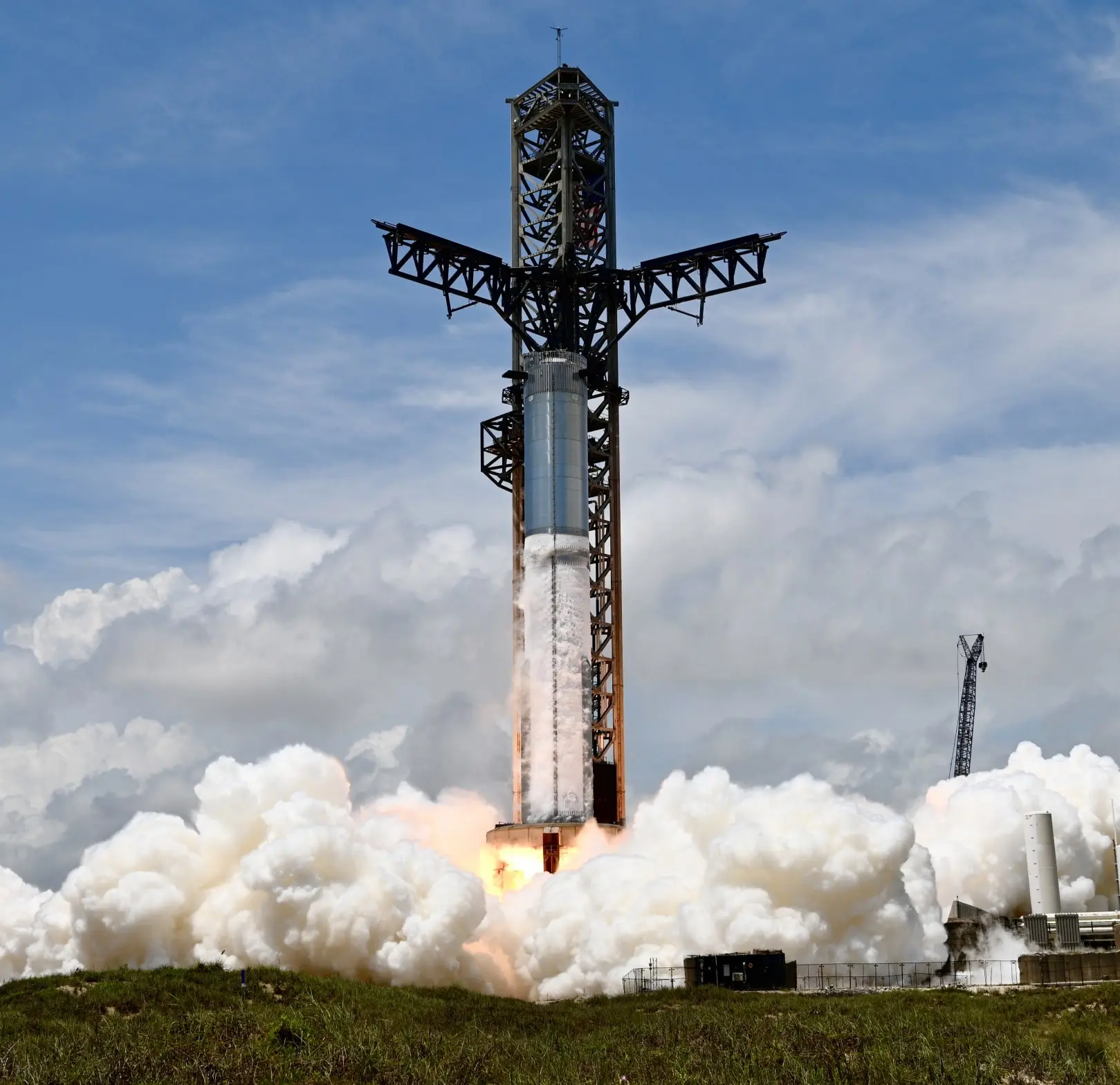
A moving target
Schedule reporting placed Flight 14 no earlier than September 28 after a shift from September 22. Reports also described 26 Starlink V3 satellites and a six-orbit plan, but those details—and regulatory readiness—remain tentative without current official confirmation from SpaceX and the FAA.
Why This Matters
Starship’s cadence is itself part of the engineering program. A delay can reflect hardware, range, weather or licensing work, and each explanation implies a different constraint on the vehicle’s path from test article to operational launcher.
Background and incentives
SpaceX wants rapid iteration and a vehicle capable of large satellite deployments and lunar missions. Regulators must evaluate public safety and environmental obligations. Customers gain if mass-to-orbit costs fall; competitors and communities around launch sites face new commercial and operational pressure.
What to watch
The reliable sequence is an official launch target, regulatory clearance, range notice and then countdown. Payload deployment would test more than lift capacity: it would demonstrate mission utility. Until those steps are public, readers should treat September 28 as NET—“no earlier than”—rather than an appointment.
Sources: 700 WLW. Facts and figures are a fixed September 20, 2026 reporting snapshot and do not update live.